
Understanding how long a PE pipe heat fusion machine heating plate lasts helps project managers, contractors, and maintenance teams plan budgets and downtime. The heating plate is the core consumable in butt fusion welding — it controls fusion temperature, surface contact, and joint quality. Lifespan varies widely based on usage, maintenance, and plate type.
Typical Lifespan: What to Expect
The average heating plate for PE (HDPE/PP) butt fusion machines commonly lasts from 3 to 10 years, but this depends on operating hours and care. In light-use settings (small plumbing jobs or occasional repairs) plates can remain serviceable for 5–10 years. In heavy commercial or pipeline construction environments they may need replacement every 2–4 years.
| Usage Level | Typical Hours/Day | Estimated Lifespan | Recommended Check Frequency |
|---|---|---|---|
| Light (DIY/Service Calls) | 1–3 hrs | 5–10 years | Monthly |
| Moderate (Contractors) | 3–6 hrs | 3–6 years | Bi-weekly |
| Heavy (Pipeline Projects) | 6+ hrs | 2–4 years | Weekly |
Primary Factors That Affect Heating Plate Longevity
Temperature cycling: Repeated heat-up and cool-down stresses the plate surface and the heater element — more cycles shorten lifespan.
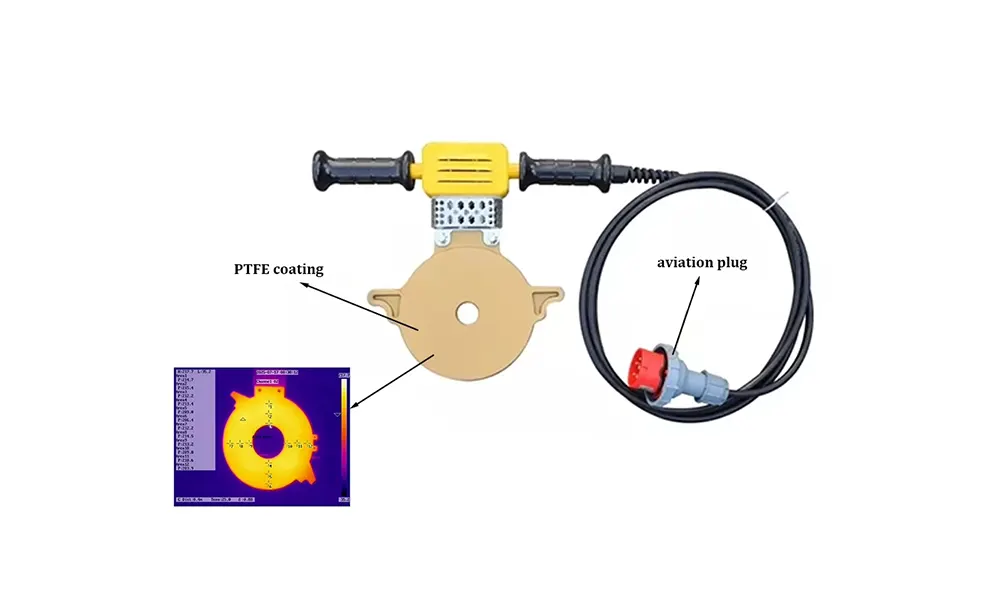
Surface wear: Scratches, contamination, or abrasive cleaning degrade the Teflon or coating that ensures clean fusion surfaces.
Quality of construction: Plates made with high-grade heating elements and uniform heat distribution last longer. Look for consistent temperature across the plate to avoid local hot spots.
Environmental exposure: Corrosive environments, dust, and moisture accelerate wear on connectors and temperature sensors.
Common Heating Plate Types and Their Durability
Aluminum-backed plates with PTFE (Teflon) coating are widely used. PTFE provides non-stick performance but can be scratched — reducing life. Cartridge-style heater plates (with replaceable elements) let you replace only the heater cartridge, extending overall plate service life.
Maintenance Practices to Extend Plate Life
-
Clean after every use: Remove fusion residue using non-abrasive tools and approved solvents.
-
Avoid metal tools on coating: Use plastic scrapers or soft cloths to protect the PTFE layer.
-
Check for flatness: Warped plates cause uneven heating — inspect and replace if not flat.
-
Monitor temperature sensors: Calibrate or replace faulty sensors to prevent overheating.
-
Store properly: Keep plates in a dry, padded case between jobs to avoid dings and contamination.
Signs It’s Time to Replace the Heating Plate
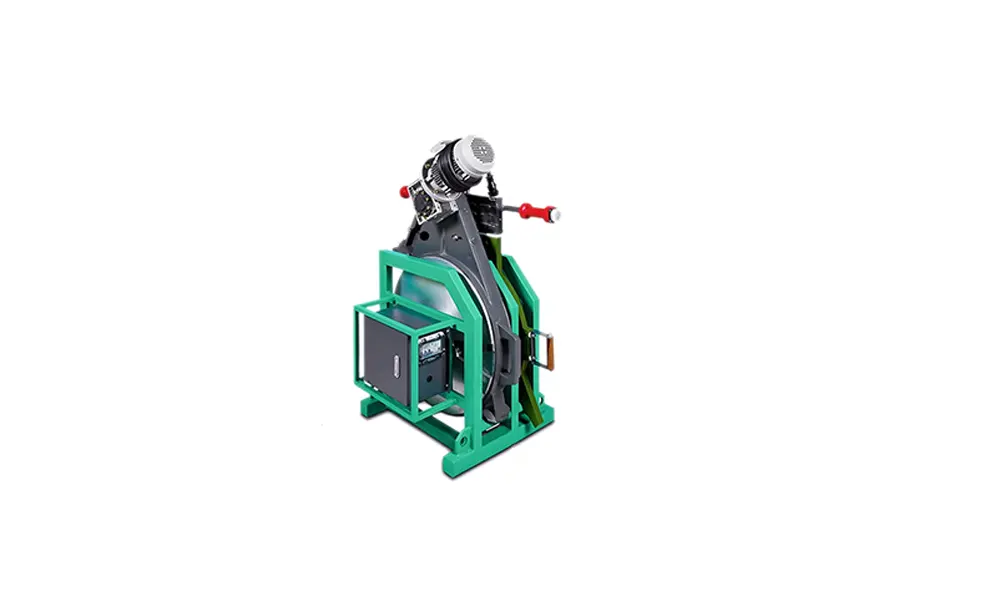
Replace the heating plate when you notice consistent temperature fluctuations, visible cracks in coating, persistent sticking of melted PE, or physical warping. If welds start showing irregular bead or inferior fusion strength despite correct settings, the plate may be failing.
Replacement Costs & Warranty Considerations
Replacement plates range widely depending on size and features. Small manual-machine plates are more affordable; large automatic machine plates cost more. Expect a cost range from a modest spare-part price to a higher investment for precision, cartridge-style plates. Many reputable suppliers offer limited warranties or spare heater element kits — check coverage before purchase.
Why Choose Quality Plates
High-quality plates improve joint consistency, reduce wasted fittings, and lower long-term costs. For professional applications, investing in plates with replaceable elements or OEM support pays off. JQ-Fusion manufactures a range of butt fusion machine plates and replacement parts designed for durable field use.
Quick Pre-Purchase Checklist
-
Is the plate compatible with your machine model and pipe diameters?
-
Does the plate have a durable non-stick coating or replaceable heater elements?
-
What warranty and spare-part availability does the supplier offer?
-
Are temperature sensors and connectors standard or proprietary?
Bottom line: Proper selection, careful handling, and routine maintenance can double or triple a heating plate’s practical lifespan. For contractors who weld daily on large projects, plan on periodic replacement and keep a spare plate on-site to avoid costly delays.



