
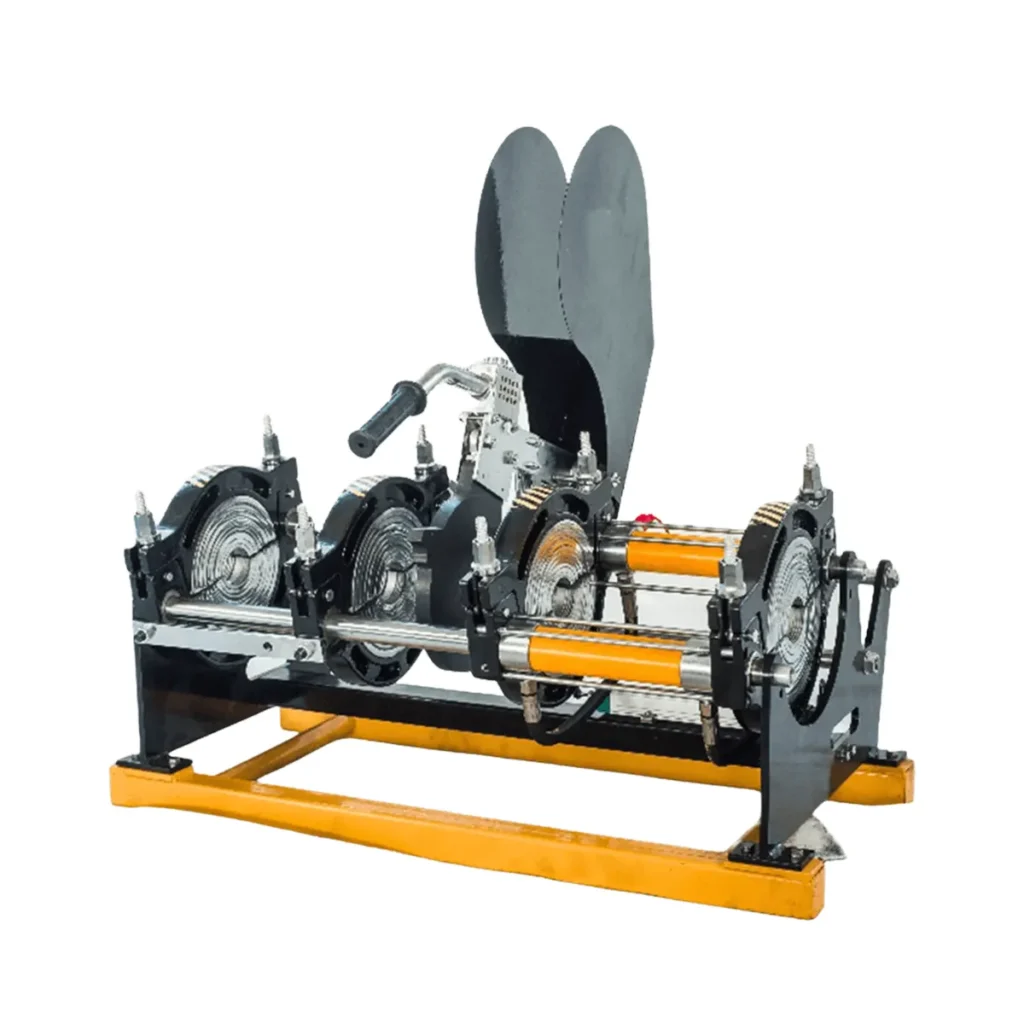
South Korea’s rapid urban development, extensive municipal pipeline upgrades, and growing renewable and industrial projects make fusion welding machines essential equipment for contractors and utility operators. This guide explains how to choose the right butt fusion welding machine, where it’s used across Korean projects, and the key features that deliver reliable, long-lasting HDPE and PE pipe joints.
Why Butt Fusion Machines Matter in South Korea
In South Korea, densely populated cities, coastal reclamation, and mountainous terrain place high demands on pipeline integrity. Butt fusion welding provides leak-free, corrosion-resistant joints ideal for potable water, gas distribution, district heating, and industrial piping systems. Local contractors value machines that offer consistent fusion quality, traceable weld records, and compatibility with Korean electrical standards (220V, 60Hz).
Buyer’s Guide: How to Choose the Right Machine
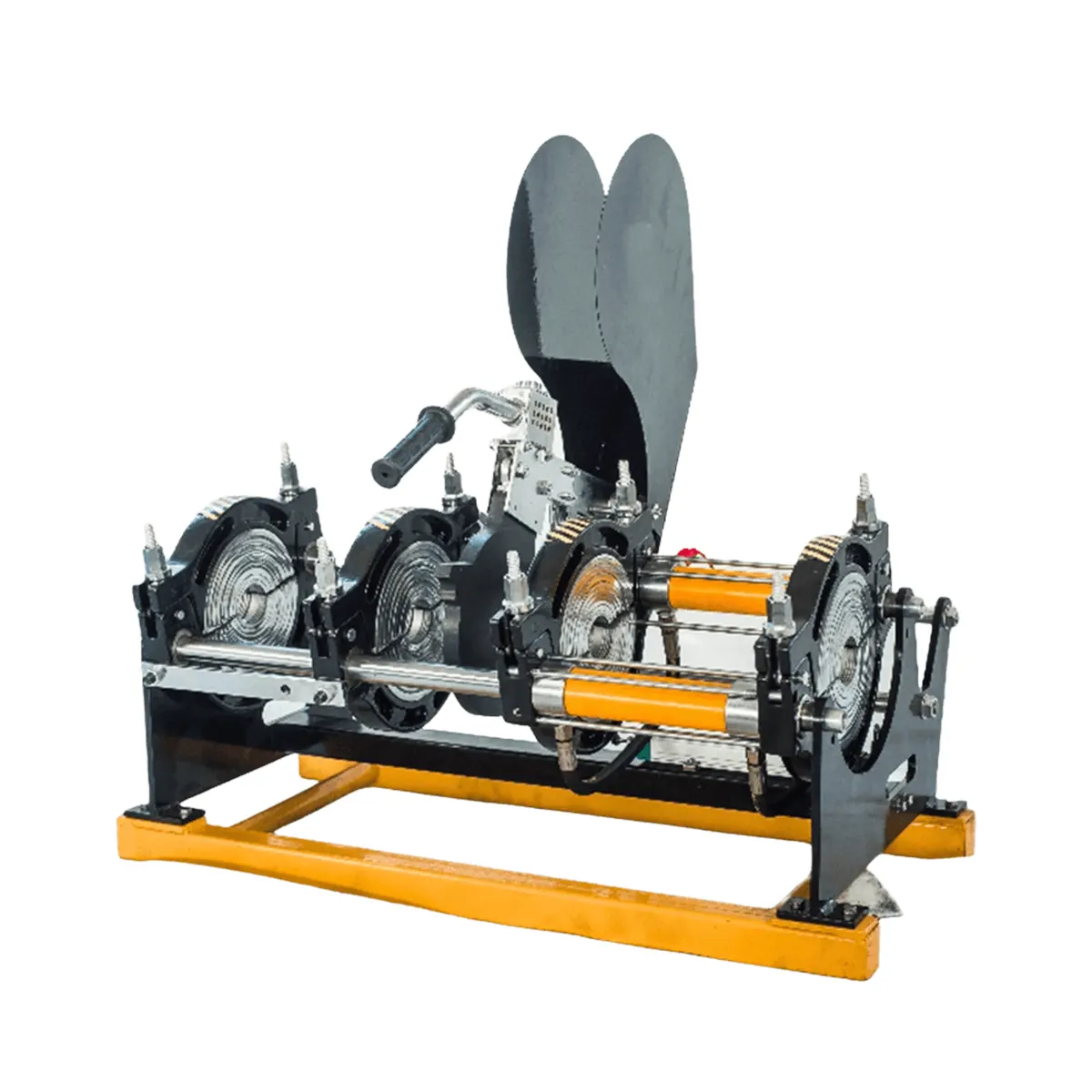
Selecting a fusion welding machine for projects in South Korea requires matching machine capability to project scale, site conditions, and regulatory expectations:
- Pipe diameter range: Confirm the machine covers the pipe sizes you weld most often (from small service lines to large-diameter mains).
- Automation level: Manual units suit maintenance crews and tight budgets; hydraulic or CNC automatic machines increase repeatability for large projects.
- Portability & site logistics: Urban sites and mountainous access roads need compact, easy-to-move frames or modular systems.
- Heating plate & control: Look for uniform heating plates and a digital controller (with weld-program storage) for repeatable cycles and traceability.
- Power compatibility & battery options: Ensure compatibility with Korea’s grid and consider battery-powered or generator-ready options for remote works.
- Standards & certifications: Machines that support local standards (KS, ISO) and come with weld documentation simplify approvals.
- After-sales & spare parts: Fast spare parts shipping and remote support reduce downtime on critical projects.
Quick Comparison Table
| Feature | Why it matters | Recommended spec |
|---|---|---|
| Automation | Consistency and speed on repetitive welds | CNC automatic controller with recipe storage |
| Diameter range | Covers municipal to industrial pipelines | From 20mm up to 2000mm+ depending on model |
| Portability | Access to urban and remote sites | Modular frames, lightweight clamps |
| Traceability | Project QA/QC and regulatory compliance | Digital log, USB export or cloud-ready |
Common Uses in South Korea
Butt fusion machines appear across many Korean sectors:
- Urban water supply and distribution networks (durable, non-corroding joints).
- Gas distribution systems where safety and leak prevention are critical.
- District heating and industrial process piping for high-temperature resistant HDPE variants.
- Coastal and reclamation works where saltwater exposure demands corrosion-free materials.
- Large infrastructure projects (tunnels, metros) requiring reliable long runs and minimal maintenance.
Key Features to Look For
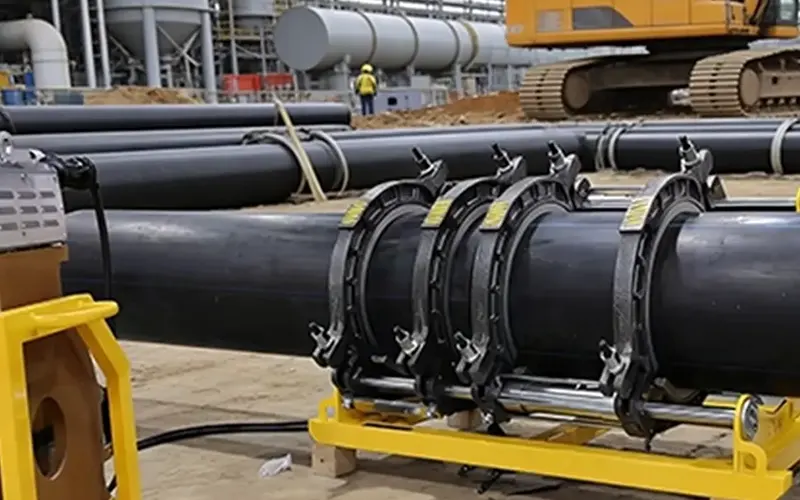
- Uniform heating plate with quick, even heat-up for consistent bead formation.
- Hydraulic clamp system for steady, reproducible pressure control.
- Digital control with weld recipes, timing, and temperature monitoring for traceable results.
- Robust frame options (aluminum or steel) and interchangeable clamps for multi-diameter use.
- Auto-alignment and facing tools to reduce preparation time and human error.
- Portable power units or electric hydraulic packs suited to Korea’s site power availability.
- Optional multi-angle fitting welding machines for prefabricated fittings and complex networks.
Maintenance & Safety Tips
Maintaining high weld quality and safe operations is essential on Korean sites:
- Calibrate heating plates and controllers regularly; keep contact surfaces clean and flat.
- Perform visual and destructive tests periodically to validate weld performance in critical pipelines.
- Train operators on local standards and correct fusion parameters for temperature and pressure.
- Use safety equipment and clear site protocols when working in confined urban spaces or traffic zones.
How JQ-Fusion Supports Korean Projects
JQ-Fusion (https://jq-fusionwelding.com/) manufactures a wide range of butt fusion machines—from manual frames to hydraulic and CNC automatic systems—designed for global infrastructure projects. They offer customizable solutions, spare parts availability, and technical support to meet Korea’s project requirements and standards.
Next Steps for Buyers
If you’re specifying machines for municipal works, private development, or industrial installations in South Korea, prepare a short equipment brief with pipe ranges, expected weld volumes, site power availability, and any local certification needs. This helps suppliers recommend the right model and service package for your team.



