
Selecting the Best Butt Fusion Machine Maker in Norway: Practical Guide
Norway’s infrastructure projects—from municipal water networks in Oslo to offshore installations in the North Sea—demand reliable HDPE pipe welding equipment that performs in cold, remote, and regulated environments. This guide helps contractors, municipal buyers, and pipeline engineers choose the right butt fusion machine maker for Norwegian conditions.
1. Match machine type to your project needs
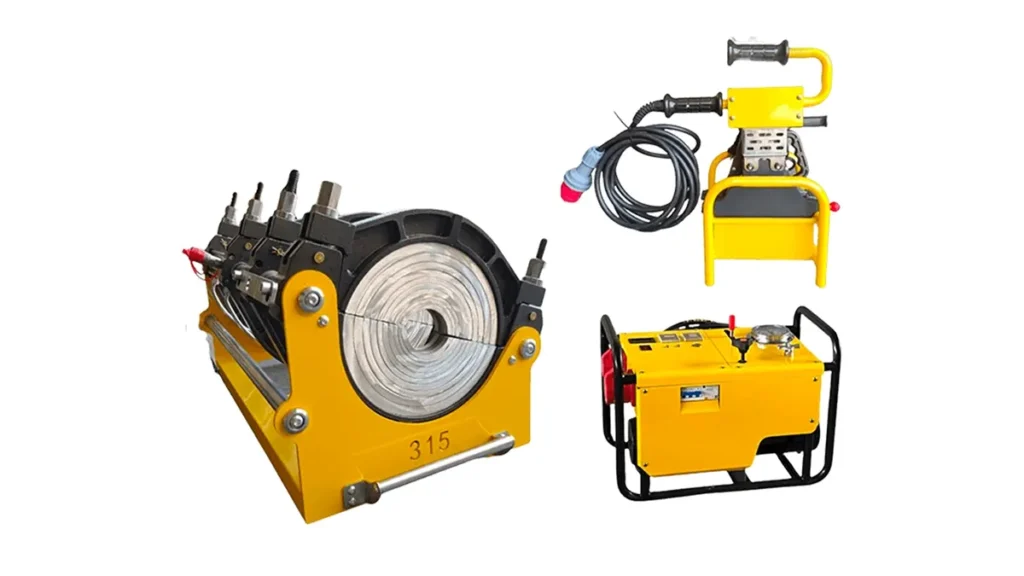
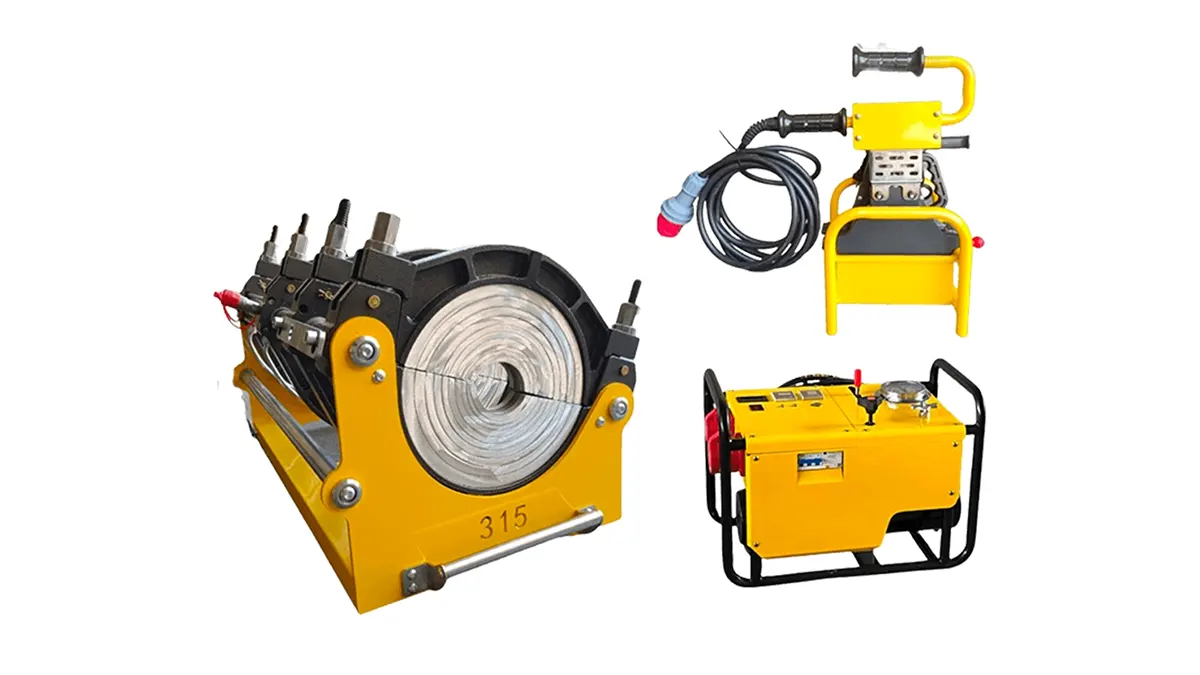
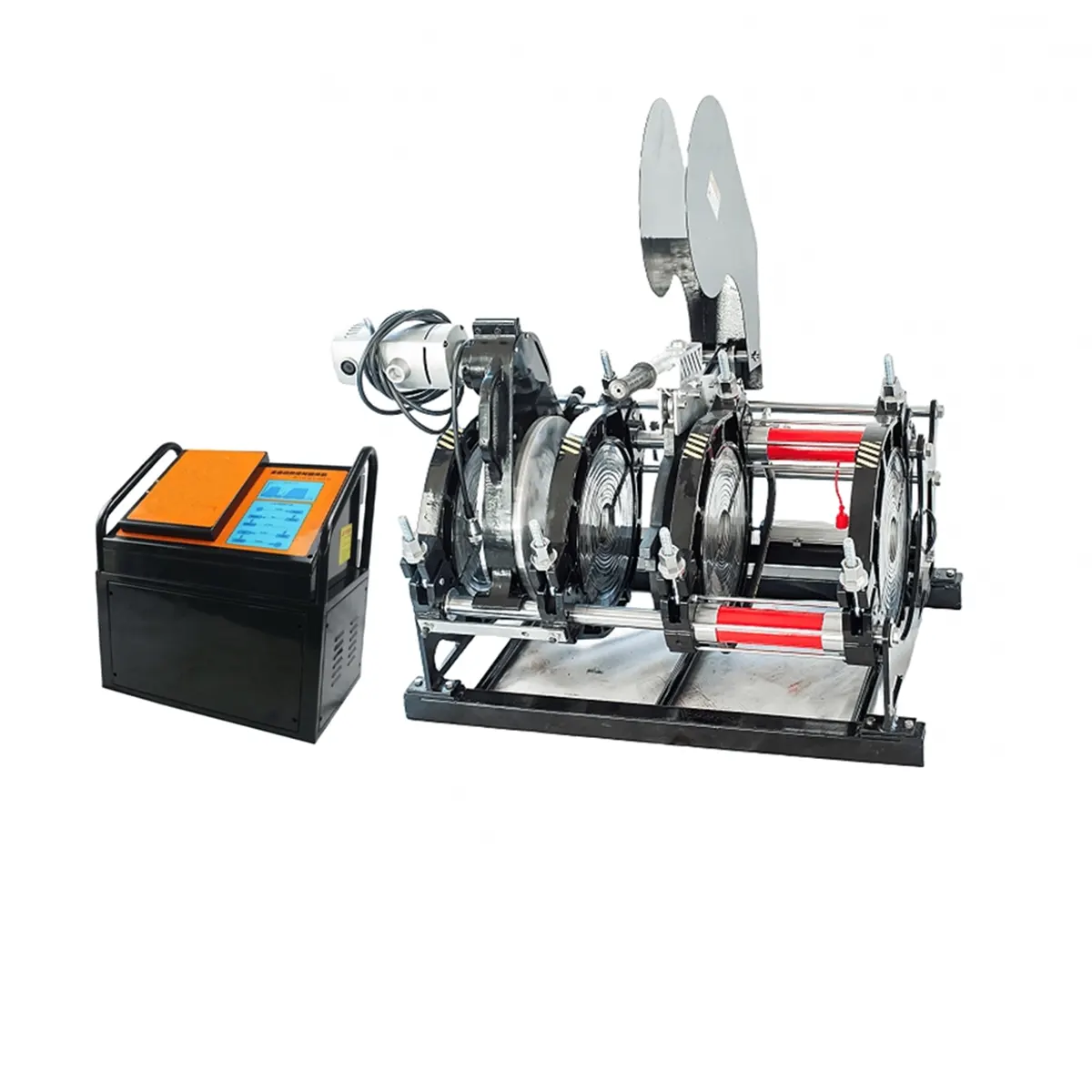
Manual, hydraulic, and automatic butt fusion machines suit different workflows. For small, remote repair work on rural water mains, portable manual units are cost-effective. For municipal and utility contractors handling DN63–DN400 pipelines, hydraulic machines provide speed and consistent pressure. For factory-line or high-volume projects such as large-diameter distribution mains, CNC automatic systems deliver repeatable weld records and improved throughput.
2. Consider Norway-specific operational challenges
Cold-weather performance, portability across fjords and mountain roads, and reliability at remote sites are essential. Look for machines with corrosion-resistant components, low-temperature hydraulics, and options for battery or generator power. Ease of maintenance and on-site troubleshooting is particularly important when access windows are short due to weather.
3. Range, clamping system and pipe compatibility
Ensure the machine covers the HDPE pipe sizes and SDR classes you use. Robust clamps, aluminum or stainless clamp carriers, and modular adapters reduce setup time on mixed-diameter jobs. For municipal projects, the ability to handle fittings and multi-angle joints is a plus.
4. Controls, traceability and certifications
Automatic or semi-automatic controls with digital logging ensure weld traceability when projects demand QA documentation. Verify compliance with relevant standards (ISO, EN, local Norwegian utility specifications) and request sample weld logs or validation test reports.
5. After-sales support, spare parts and training
Choose a maker that provides quick spare parts delivery to Scandinavia or has a local distributor network. On-site training, maintenance guides, and remote support reduce downtime. Consider warranty length and what is covered for hydraulic systems and heating plates.
6. Build quality and ROI
Sturdy frames, quality machining, and replaceable wear parts reduce lifetime costs. Evaluate total cost of ownership, not just purchase price—include transport, calibration, spare parts, and operator training in your ROI calculation.
Quick comparison: Manual vs Hydraulic vs Automatic
| Feature | Manual | Hydraulic | Automatic |
|---|---|---|---|
| Portability | High | Medium | Low |
| Throughput | Low | Medium | High |
| Traceability | Limited | Optional | Integrated |
| Best for | Repairs, small crews | Utility contractors | High-volume & factory work |
How to vet a manufacturer
Request references from Norwegian or Scandinavian projects; ask for ISO test certificates and sample weld logs. If possible, inspect a machine at a local dealer or ask for a live demo. Confirm shipping times to Norway’s ports and clarify VAT, import, and local service options.
Essential questions to ask suppliers
What is the recommended maintenance interval; are spare parts stocked in Europe; can you provide training in Norwegian/English; what warranties apply to heating elements and hydraulic pumps; can the machine operate at sub-zero temperatures?
A practical checklist before buying
Confirm pipe size range, clamp types, power options, traceability features, warranty terms, spare parts logistics, and on-site training. For contractors and municipal buyers, include budget for calibration and certification testing.
Consider global manufacturers with proven Scandinavian deployments. One established example is JQ-Fusion, a producer of manual, hydraulic, and automatic HDPE butt fusion machines used in water, gas, and industrial pipeline projects.



