
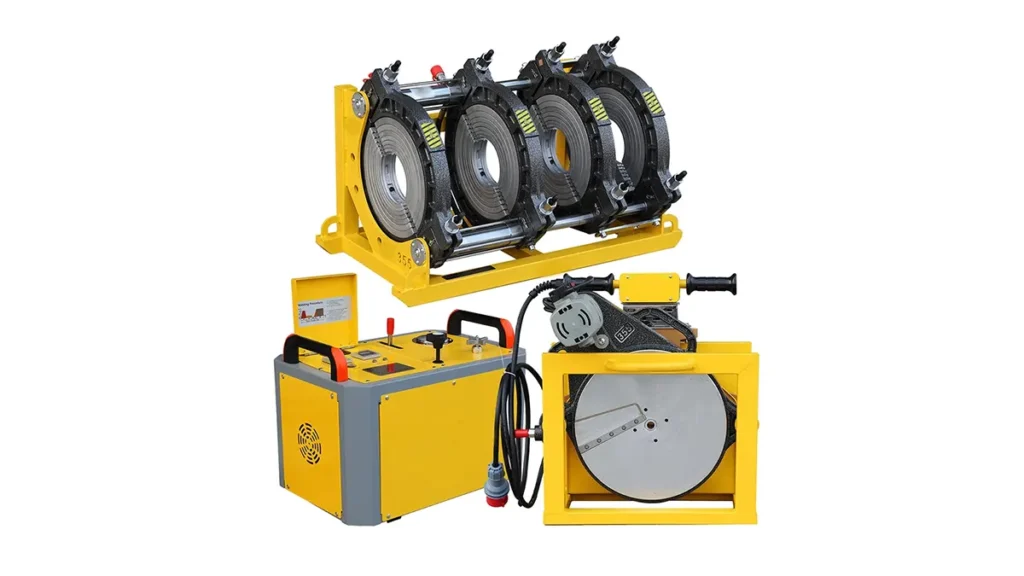
Looking for a reliable butt fusion welder wholesaler in Zambia? This guide explains how high-quality HDPE pipe welding machines support Zambian infrastructure projects—from municipal water networks in Lusaka to mining pipelines across the Copperbelt—and what to look for when sourcing equipment that performs in tropical climates and remote sites.
Local Needs: Why Zambia Demands Robust Butt Fusion Solutions
Zambian contractors and utility operators face unique challenges: long supply chains to landlocked regions, variable power supply, and demanding field conditions for water, gas, and mining pipelines. Choosing the right butt fusion welder means selecting machines that are dependable under heat, dust, and frequent on-site movement. For large-diameter trunk lines and small-diameter service connections alike, a versatile inventory and responsive technical support make the difference between project delays and on-time delivery.
Product Range to Match Zambian Projects
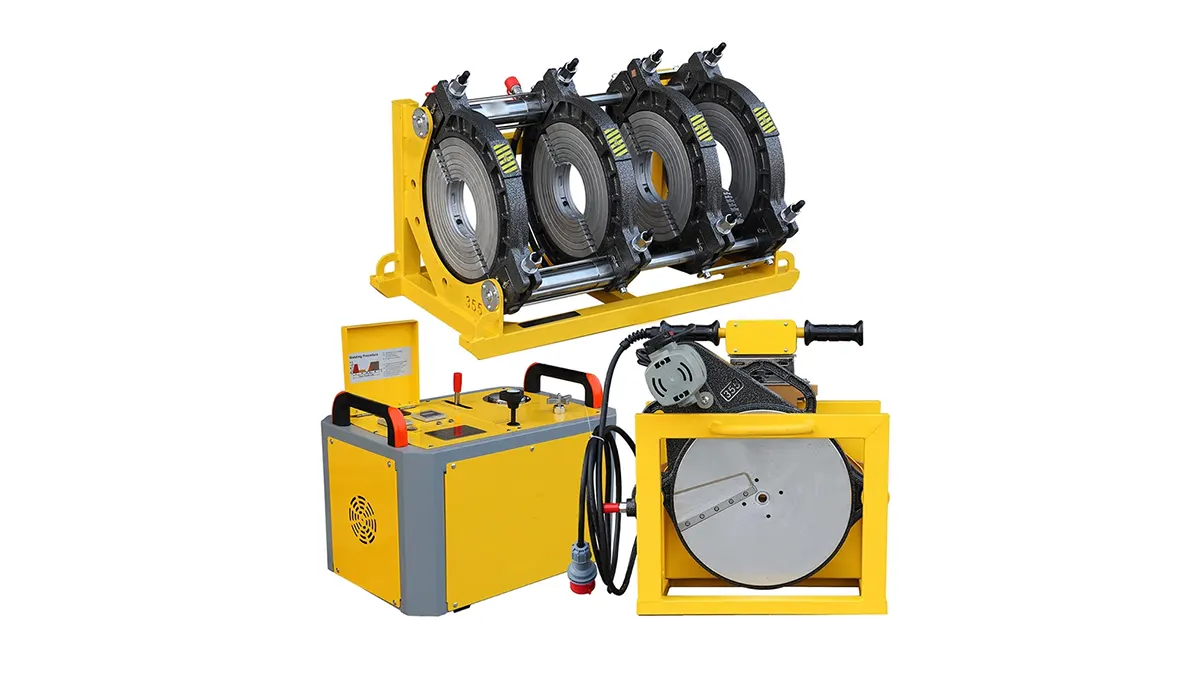
A wholesaler should supply a broad spectrum of butt fusion welders: manual units for small-diameter repairs, hydraulic frames for medium pipes, and CNC automatic machines for repetitive, high-precision welds used in municipal or mining infrastructure. Key considerations include portability for remote sites, generator compatibility, and availability of spare parts locally or via fast shipping.
| Model Type | Typical Pipe Range | Best For |
|---|---|---|
| Manual Butt Fusion | 20mm–315mm | On-site repairs, small water reticulation |
| Hydraulic Butt Fusion | 160mm–2000mm | Main distribution lines, mining pipelines |
| CNC Automatic Machines | 63mm–1250mm | Large-scale, high-repeatability projects |
Technical Features Zambian Buyers Should Prioritize
Durability and ease of maintenance are critical. Look for features such as hardened clamping surfaces, reliable heating plates, simple hydraulic circuits, and intuitive control systems. Portable frames and light-weight trimmer units help field crews operate efficiently across rugged terrain. Most importantly, ensure compatibility with local power solutions—many sites in Zambia rely on generators or unstable grid power, so machines with stable control electronics and surge protection are preferred.
After-Sales Support, Training, and Spare Parts
For long-term success, work with a wholesaler who can provide technical training for local crews, timely spare parts, and field service guidance. Many Zambian projects require on-site commissioning and weld procedure assistance—choose a supplier that offers clear documentation, welding parameter charts, and remote troubleshooting to minimize downtime.
Ordering, Logistics and Local Considerations
As Zambia is landlocked, coordinate logistics early—common import routes include Dar es Salaam, Durban, and Walvis Bay. Confirm incoterms, lead times, and customs clearance processes. A wholesaler familiar with regional freight and local contractor requirements will streamline delivery and keep projects on schedule.
For trusted manufacturing quality and a wide selection of manual, hydraulic, and automatic butt fusion welding machines tailored to global infrastructure, consider contacting JQ-Fusion for product options, technical specifications, and shipping solutions to Zambia.



