
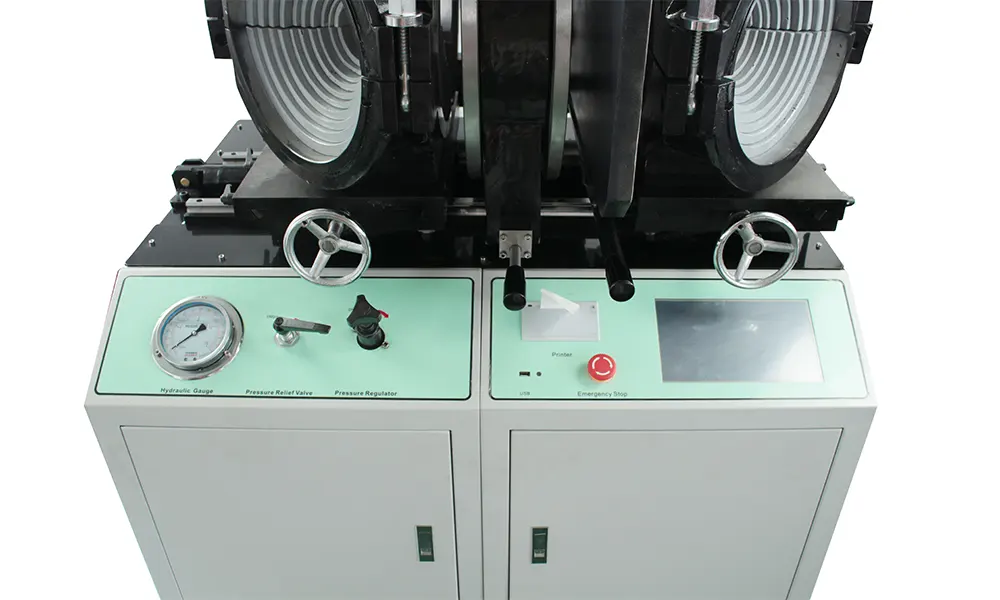
In modern infrastructure projects, from municipal water supply to natural gas distribution, the integrity of pipeline joints determines the lifespan and safety of the entire system. The poly pipe fusion machine has become the definitive standard for creating homogeneous, leak-proof connections. Understanding the poly pipe fusion machine working principle is essential for operators aiming to achieve consistent weld quality that meets international standards.
The most common technique, butt fusion, relies on a precise thermal cycle. Unlike mechanical fittings, this method transforms the pipe ends into a molten state and fuses them under controlled pressure. The result is a joint that is often stronger than the pipe itself. When performed with high-quality equipment, this process aligns perfectly with specifications outlined in ISO 21307 butt fusion procedures.
The Core Scientific Principle: Heat and Pressure Over Time
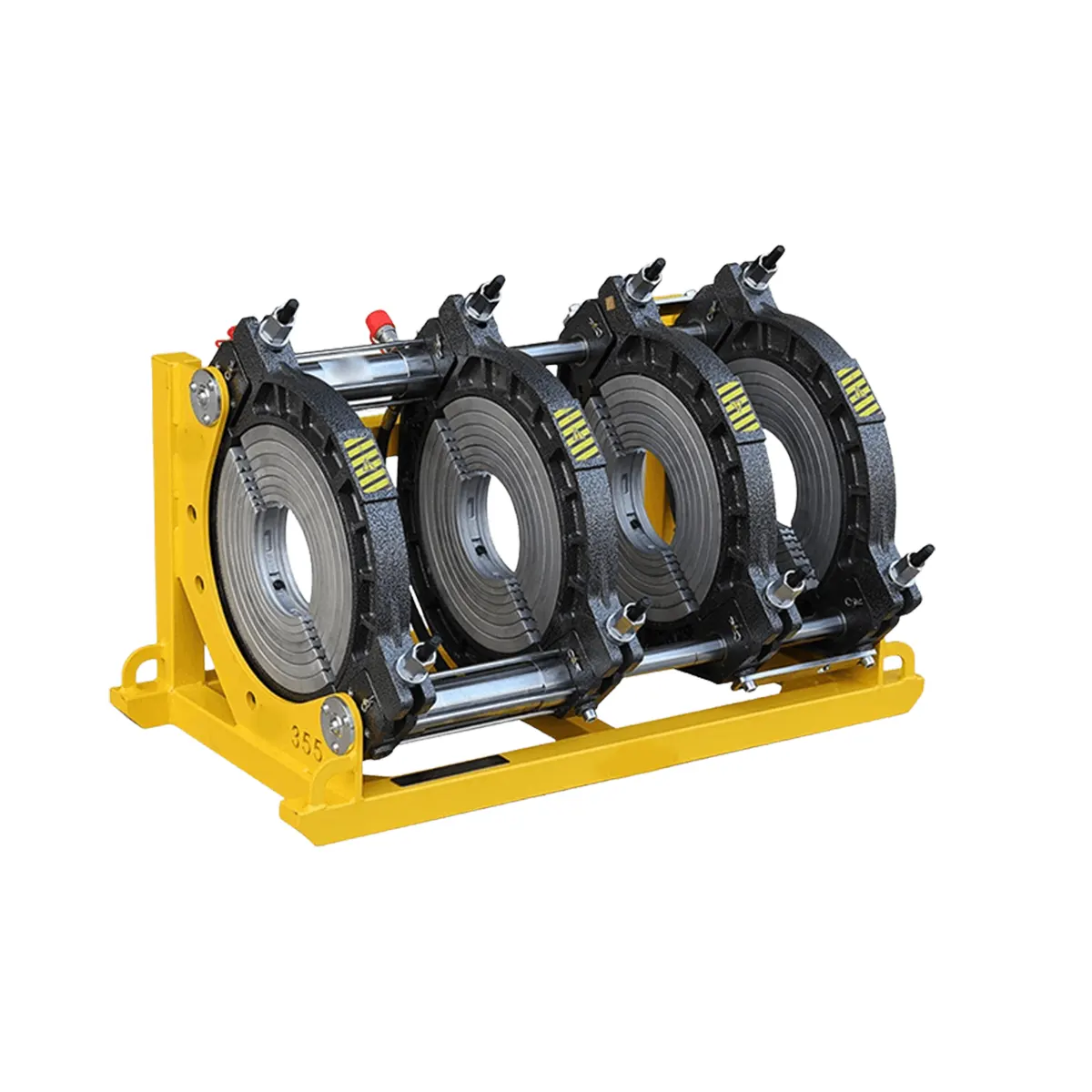
The poly pipe fusion machine working principle hinges on the thermoplastic nature of polyethylene (PE). By applying heat to the pipe ends via a precisely temperature-controlled heating plate, the polymer chains at the interface begin to loosen. When these molten interfaces are brought together under hydraulic or mechanical pressure, the polymer chains intermingle across the joint boundary. As the material cools uniformly, it re-crystallizes, forming a single monolithic structure. This cycle is meticulously managed by the machine’s control system to eliminate variables.
Essential Sub-Systems in the Fusion Equipment
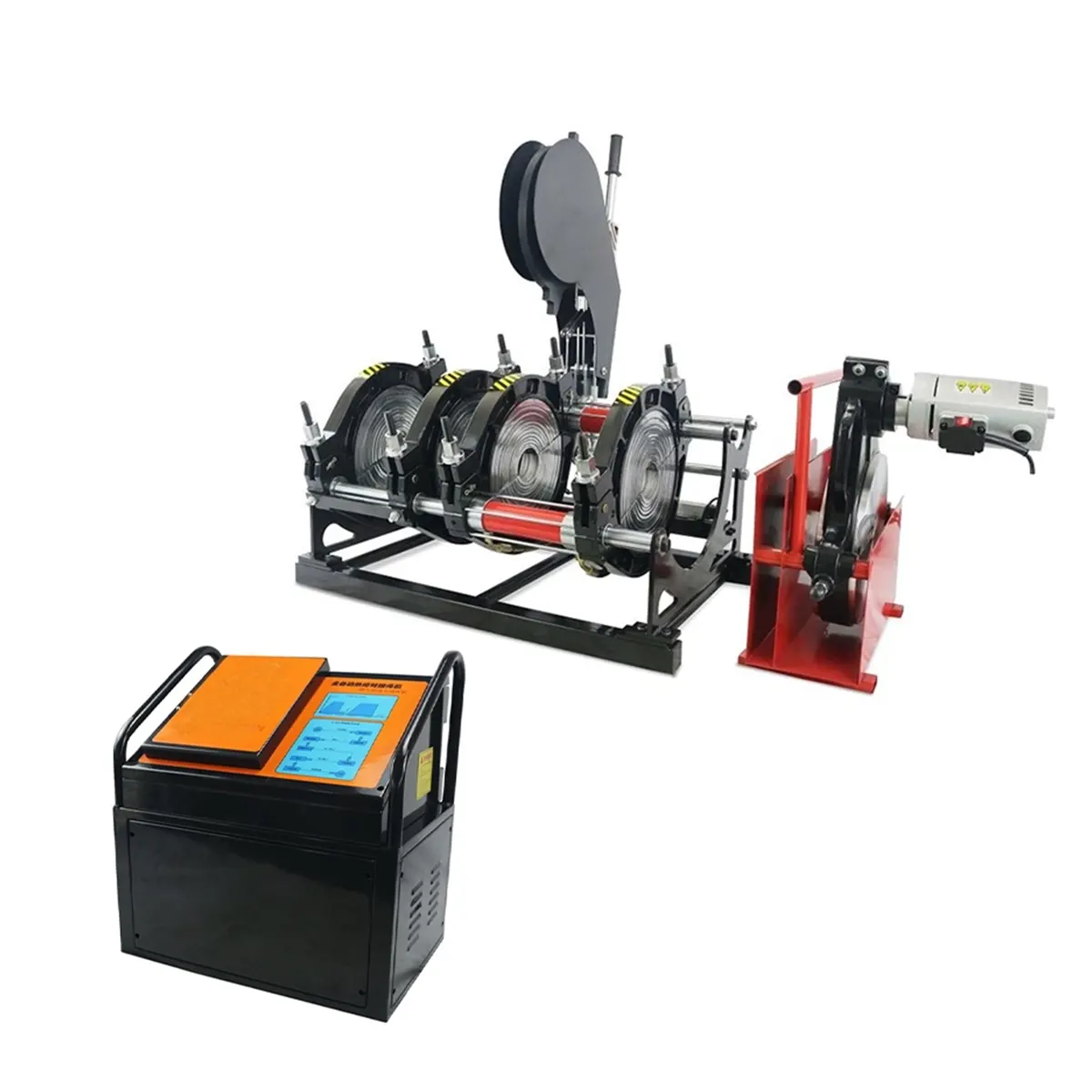
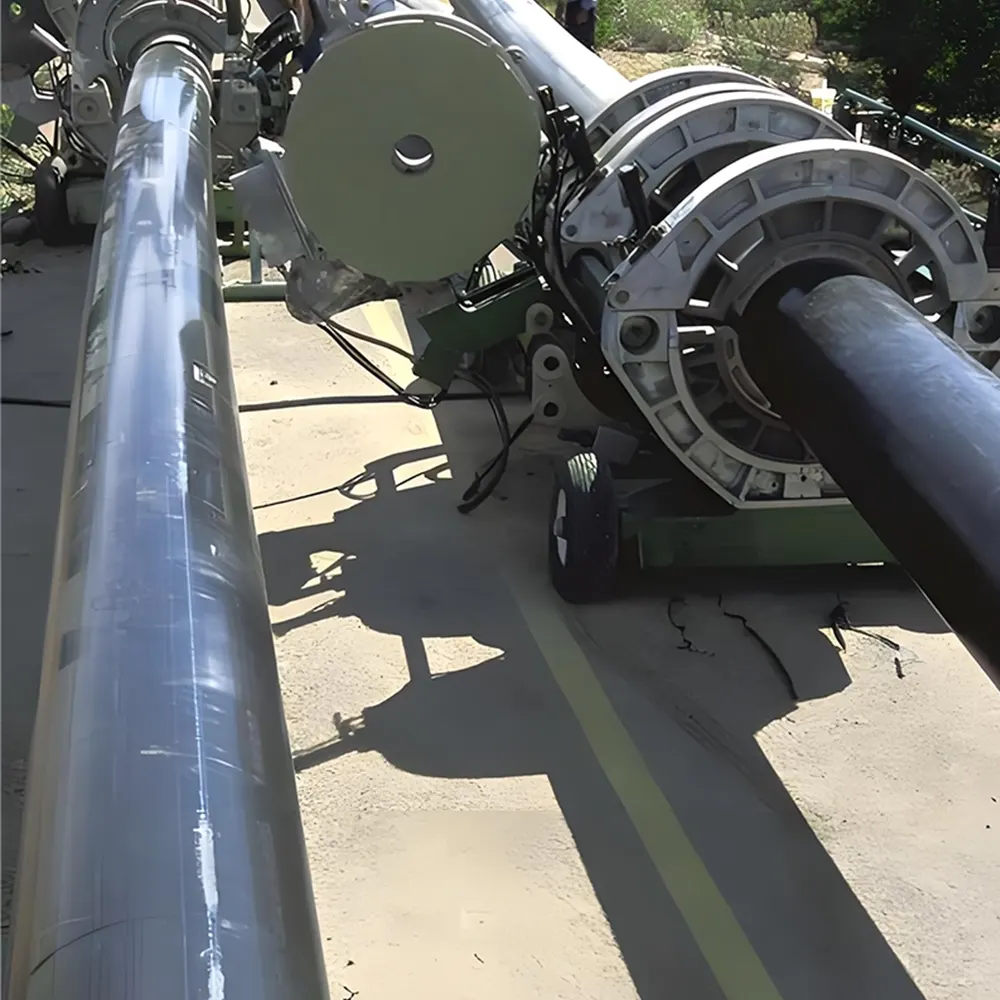
While operating as a unified system, the working principle can be broken down by its critical components. Each plays a distinct role in the thermal and mechanical process. A CNC automatic machine automates these variables, while manual and hydraulic models require skilled operator interaction.
- The Frame and Clamps: Securely holds the pipes in place, ensuring perfect axial alignment to prevent high-low mismatch.
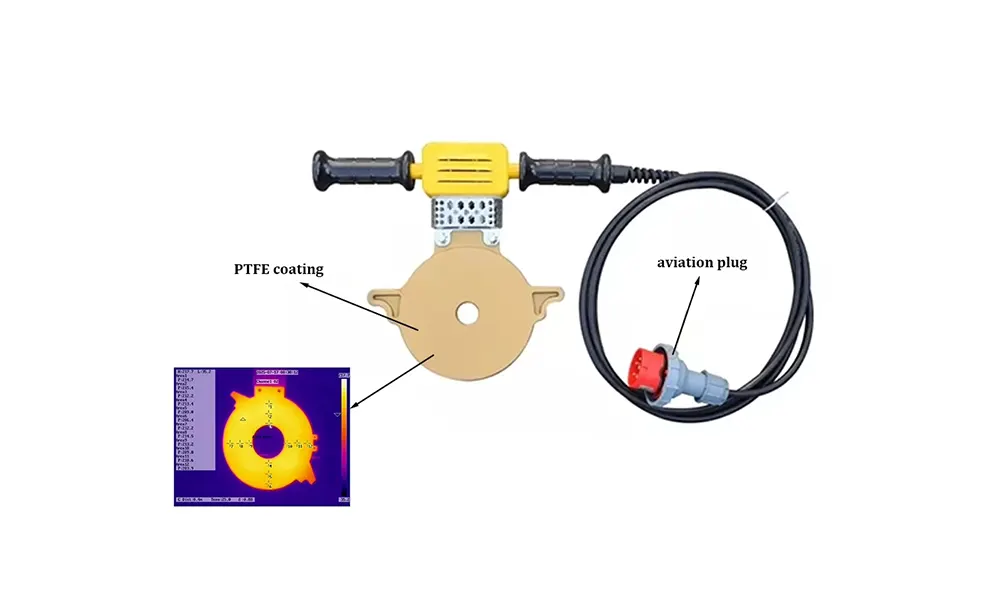
- The Heating Plate: A non-stick coated plate maintaining an extremely accurate temperature, crucial for avoiding thermal degradation.
- The Facing Tool (Trimmer): Planes the pipe ends simultaneously, ensuring they are parallel, flat, and free from oxidized material.
- The Power/Hydraulic Unit: Delivers the calculated force necessary to bring the molten pipe ends together and maintain pressure during cooling.
Stage-by-Stage Poly Pipe Fusion Machine Working Principle
To achieve a joint that complies with PPI butt fusion procedure guidelines, every machine follows a strict sequence. Understanding these phases helps troubleshoot common welding defects.
1. Pipe Preparation and Facing
The process begins not with heat, but with cleaning. The pipe ends are cleaned with a non-abrasive solution, and the oxidized layer is removed using the rotary facing tool. The goal is to expose virgin material. The pipes are faced until a continuous, thin shaving is produced from both ends. This step confirms the pipe ends are entirely parallel, and the clamping force is sufficient to prevent slip.
2. Heat Soak and Bead Formation
The heated plate—maintained precisely to the material’s melt temperature—is inserted between the faced pipes. The pipes are brought into contact with the plate under a pre-defined interfacial pressure. This force pushes the pipe ends against the hot surface. As the material melts, it forms an external bead. The pressure is then instantly reduced to almost zero for the soak timer, allowing heat to penetrate deeply into the pipe wall without forcing all the molten material outward.
3. The Critical Changeover (Dwell Time)
This is the fastest and most dangerous stage of the poly pipe fusion machine working principle. Once the heat soak ends, the carriage separates, the plate is swiftly removed, and the two molten ends must be brought together immediately. A prolonged changeover time allows the melt to cool and dust to contaminate the interface. High-end hydraulic fusion welding equipment dramatically reduces this dwell time, minimizing rejection rates.
Key Parameter Matrix for Standard PE Pipes
The working principle is quantified by specific numerical values. While proprietary material specifications exist, the international standard provides a baseline. Below is a representative comparison of how the machine controls these thermal and mechanical inputs.
| Parameter | Standard Value (PE100) | Machine Function |
|---|---|---|
| Heater Plate Temperature | 200°C – 230°C | Digital PID Control maintains uniformity ±5°C |
| Bead-up Pressure | 0.15 MPa ± 0.01 MPa | Hydraulic regulator precisely sets gauge pressure |
| Cooling Time | Variable (~1 min per 25mm of wall) | Machine locks in fusion pressure until joint is solid |
The Molecular Bond: Cooling Under Controlled Pressure
The welding process is not complete when the beads are formed. Immediately after the changeover, the machine applies the fusion pressure. The molten material from both sides mixes, and the double external beads roll over. Crucially, the pressure must be held without variation throughout the cooling cycle. If pressure is released too early, shrinkage cracks can develop. The poly pipe fusion machine working principle terminates only when the joint has cooled sufficiently to handle the residual stresses. According to what is HDPE butt fusion, this molecular inter-diffusion is what creates a homogeneous connection.
The quality of the final weld is assessed visually by the size and symmetry of the external and internal beads. A twin-bead that is rounded, uniform in size, and free from porosity indicates that the fundamental thermal cycle was correctly executed by the machine.
Automation and Data Logging: The Modern Principle
The transition from manual to CNC automatic interpretation of the poly pipe fusion machine working principle has removed human guesswork. Modern machines now incorporate real-time data logging, mapping the actual temperature and pressure curves against the ideal standard. This traceability, aligned with the PE butt fusion equipment standard, ensures that every joint is documented for quality assurance, a vital feature for gas and high-pressure applications.
At JQ-Fusion, our range of butt fusion machines embodies this precise working principle. From robust manual clamps for field repairs to fully automatic hydraulic rigs for large-scale infrastructure, our engineering team designs systems that deliver repeatable heating, rapid changeover, and stable cooling. Our commitment to reliable welding performance ensures that contractors worldwide can trust the integrity of their pipeline networks.
By mastering the poly pipe fusion machine working principle—clean preparation, accurate heat soak, swift changeover, and unbroken cooling pressure—operators can produce joints that last for decades. For custom solutions or to find the right machine for your pipe diameter, visit our product catalog or reach out to our technical support team. Whether you’re installing a water main or a gas distribution line, the science of fusion remains your strongest guarantee of safety.



