
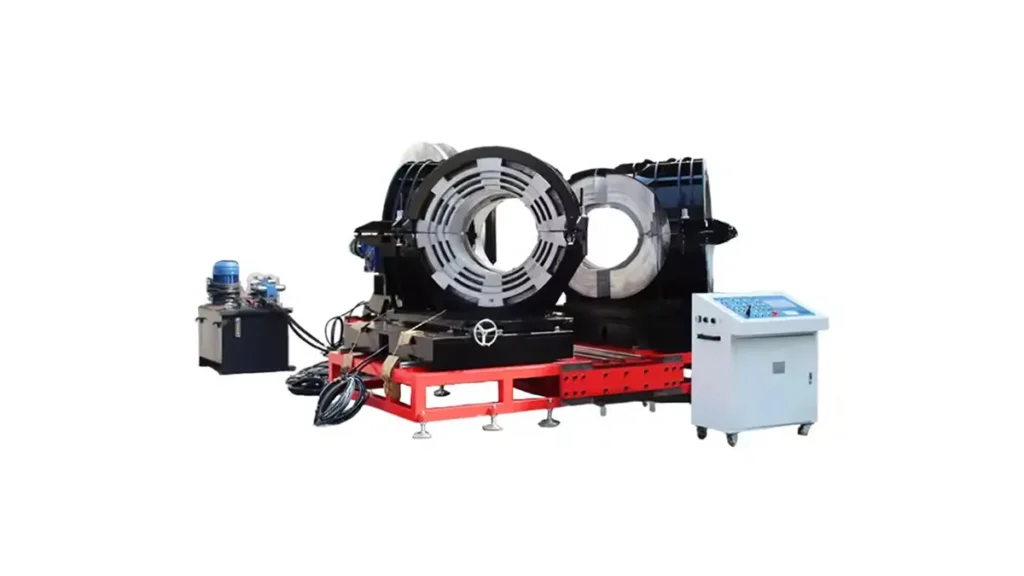
Operating a butt fusion welding machine involves high temperatures, heavy equipment, and pressurized pipe systems. Whether you are joining HDPE pipes for water supply, gas distribution, or industrial applications, safety must always be the top priority. A single oversight can lead to serious injuries, equipment damage, or pipeline failure. This butt fusion machine safety guide provides essential tips to help operators and site managers maintain a secure working environment while achieving high-quality welds.
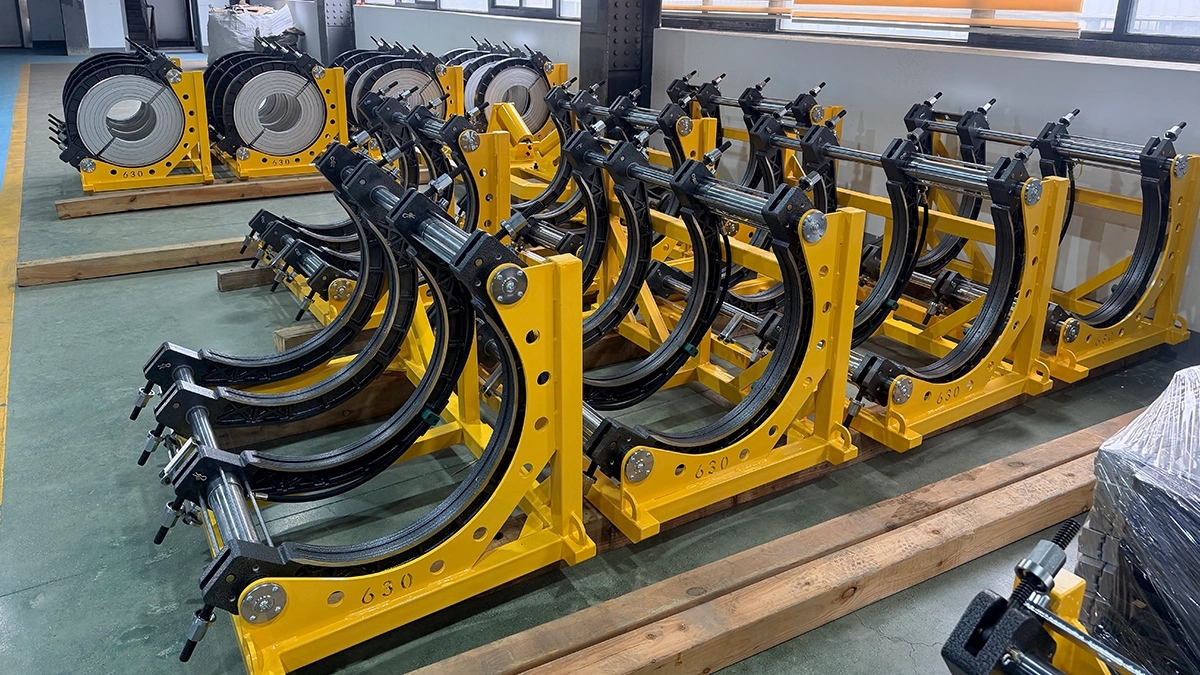
Understanding the Risks in Butt Fusion Welding
Before diving into the safety protocols, it is critical to recognize the primary hazards associated with butt fusion welding processes. The heating plate typically reaches temperatures around 200°C to 230°C (392°F to 446°F), posing severe burn risks. Hydraulic systems generate significant clamping forces that can crush fingers or limbs if not handled correctly. Additionally, improper pipe alignment or insufficient cooling time can result in weak joints that may fail under pressure, leading to environmental contamination or explosive hazards in gas applications.
Burn and Fire Hazards
The fusion heater plate remains hot throughout the welding cycle. Direct contact causes instant third-degree burns. Keep a designated hot zone clearly marked and ensure the heater plate is always placed in its insulated stand when not actively engaged. Never leave a heated plate unattended.
Mechanical Crushing Dangers
Hydraulic butt fusion machines exert immense force. Operators must keep hands and loose clothing away from the clamping jaws and moving carriage during operation. Always verify that the pipe is securely clamped before starting the fusion cycle.
Pre-Operation Safety Checklist
Every safe welding job begins before the machine is even turned on. A consistent pre-operation routine reduces the risk of accidents and ensures the equipment performs as expected. Follow this structured approach adapted from ISO 21307 butt fusion procedures.
| Checkpoint | Action Required | Status |
|---|---|---|
| Heating Plate Surface | Inspect for damage, residue, and proper non-stick coating | Pass / Fail |
| Trimmer Blades | Ensure blades are sharp and secure | Pass / Fail |
| Hydraulic Hoses | Check for leaks, cracks, or loose fittings | Pass / Fail |
| Clamp Alignment | Verify jaws close evenly without gaps | Pass / Fail |
| Temperature Calibration | Confirm actual plate temperature matches display | Pass / Fail |
Personal Protective Equipment Requirements
Wearing appropriate PPE is non-negotiable when working with any butt fusion welding machine. Site managers must enforce these requirements strictly.
- Heat-resistant gloves rated for temperatures above 250°C
- Safety goggles or face shield to protect against hot plastic splatter
- Steel-toe boots to guard against dropped pipes and equipment
- Long-sleeved work clothing made from natural fibers that resist melting
- Hard hat when working in trenches or areas with overhead hazards
Safe Operating Procedures During Welding
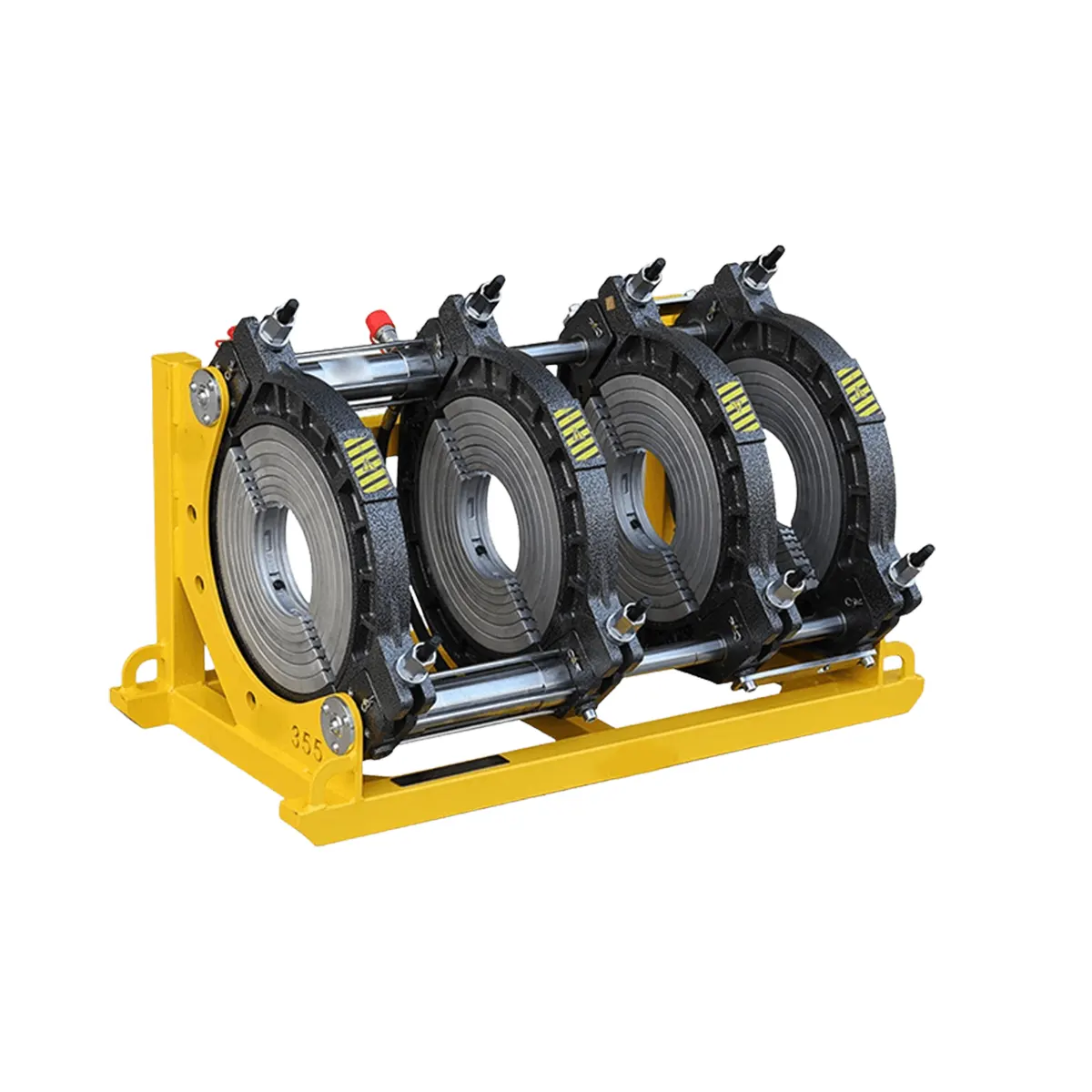
Once the machine passes inspection and operators are properly equipped, the welding cycle can begin. Following PPI butt fusion procedure guidelines ensures both safety and joint integrity.
Pipe Loading and Clamping
Use mechanical lifting aids or team lifting techniques for heavy pipes. Once placed in the machine, confirm that both pipe ends are properly seated against the clamps. The fusion machine’s jaws should contact the pipe evenly around its circumference without causing deformation.
Facing and Alignment
The facing trimmer creates clean, parallel surfaces essential for a strong bond. Keep fingers clear of rotating parts. After facing, remove the trimmer promptly and bring the pipe ends together to check for gaps. Any misalignment exceeding 10% of the pipe wall thickness must be corrected before proceeding.
Heating and Fusion Stages
The heating plate is now at full operating temperature. Approach the plate area only with hands protected by heat-resistant gloves. Apply the recommended welding pressure specific to the pipe diameter and material, as outlined in PE butt fusion equipment standards. During the cooling phase under pressure, do not move the pipe or disturb the joint. Premature handling is a leading cause of joint failure.
Site Safety and Environmental Considerations
Butt fusion work often occurs in trenches, on slopes, or in variable weather conditions. These environments introduce additional safety challenges that demand careful preparation.
- Ensure adequate ventilation when welding in confined spaces to avoid fume accumulation
- Protect the welding area from wind and rain using shields or tents
- Maintain a clear, organized workspace free of tripping hazards
- Post warning signs around the hot work zone to alert other personnel
- Have a fire extinguisher and first aid kit readily available at all times
Machine Maintenance and Electrical Safety
A well-maintained machine is a safer machine. Regular inspection and servicing are essential parts of any butt fusion machine safety guide. Electrical components, in particular, require careful attention since fusion machines combine high current draw with outdoor working conditions.
- Inspect power cords and plugs before every use for cuts or exposed wiring
- Use only properly grounded outlets and GFCI protection on job sites
- Clean heating plate surfaces after each shift to prevent polymer buildup
- Lubricate moving parts according to the manufacturer’s schedule
- Calibrate temperature controllers monthly using certified measuring instruments
Training and Operator Qualification
Even the safest equipment cannot compensate for untrained operators. Comprehensive training should cover machine setup, emergency shutdown procedures, and recognition of defective welds. According to PE fusion operator requirements, qualified personnel must demonstrate proficiency in both practical skills and theoretical knowledge before working independently.
Emergency Response Preparedness
Every operator must know exactly what to do in an emergency. This includes immediately shutting off the heater plate, releasing hydraulic pressure safely, and administering first aid for burns. Emergency contact numbers and the site address should be posted visibly near the welding station.
Choosing Reliable Equipment for Enhanced Safety
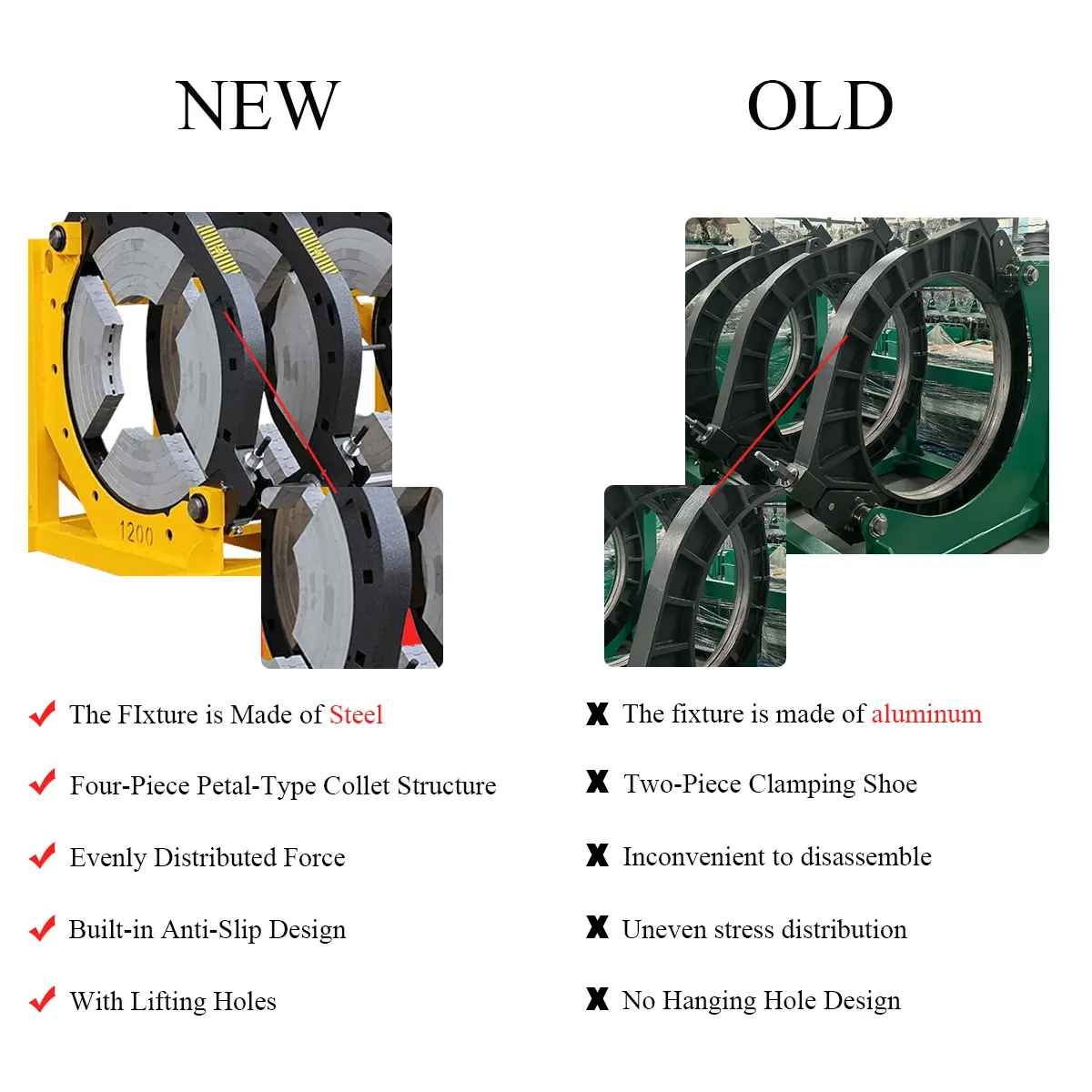
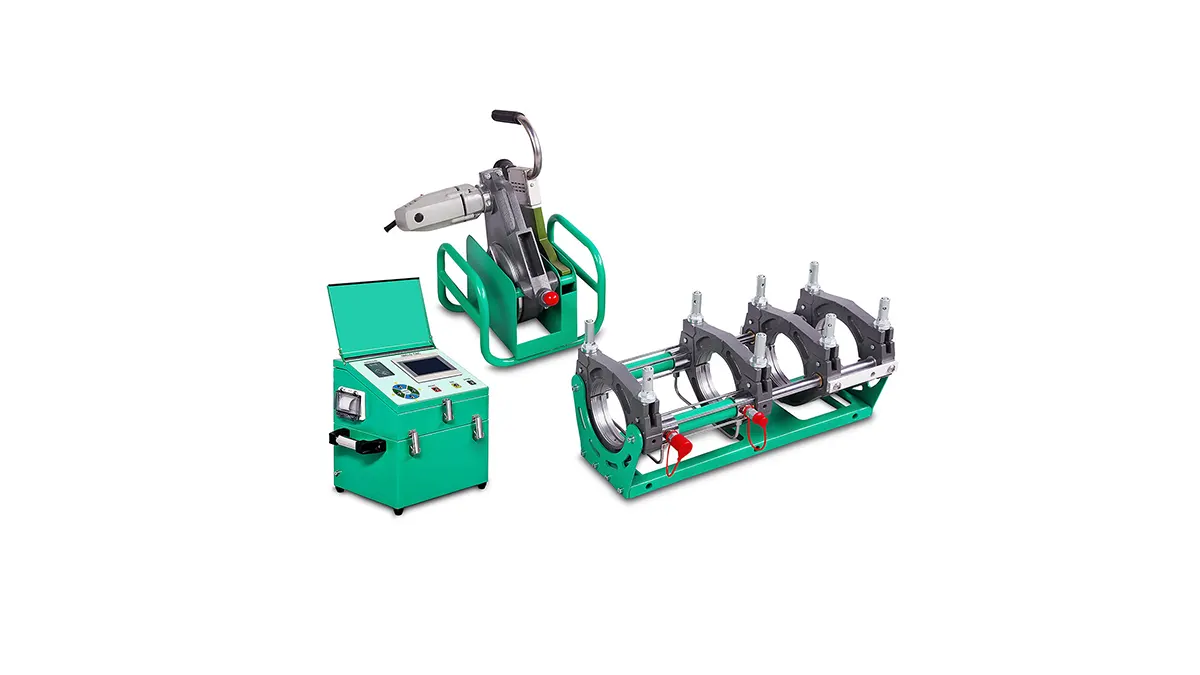
Equipment quality directly impacts operator safety. Machines with precise temperature control, robust frame construction, and certified components reduce the likelihood of malfunctions during critical welding phases. JQ-Fusion is a professional manufacturer specializing in HDPE pipe welding machines, providing reliable butt fusion solutions that meet stringent international standards. Their equipment incorporates safety features designed to protect operators while delivering consistent, high-strength welds across water supply, gas distribution, mining, and industrial applications.
Final Safety Reminders for Every Welding Project
Safety in butt fusion welding is not a one-time checklist but an ongoing commitment. Always follow the hierarchy of controls: eliminate hazards where possible, substitute safer processes when feasible, implement engineering controls, establish administrative procedures, and equip workers with proper PPE. By integrating these practices into daily operations and using well-engineered equipment, teams can complete projects efficiently without compromising health and safety.
For additional technical guidance on safe joining practices, refer to the PPI Handbook of Polyethylene Pipe and other authoritative resources that detail proper butt fusion techniques and safety standards.



