
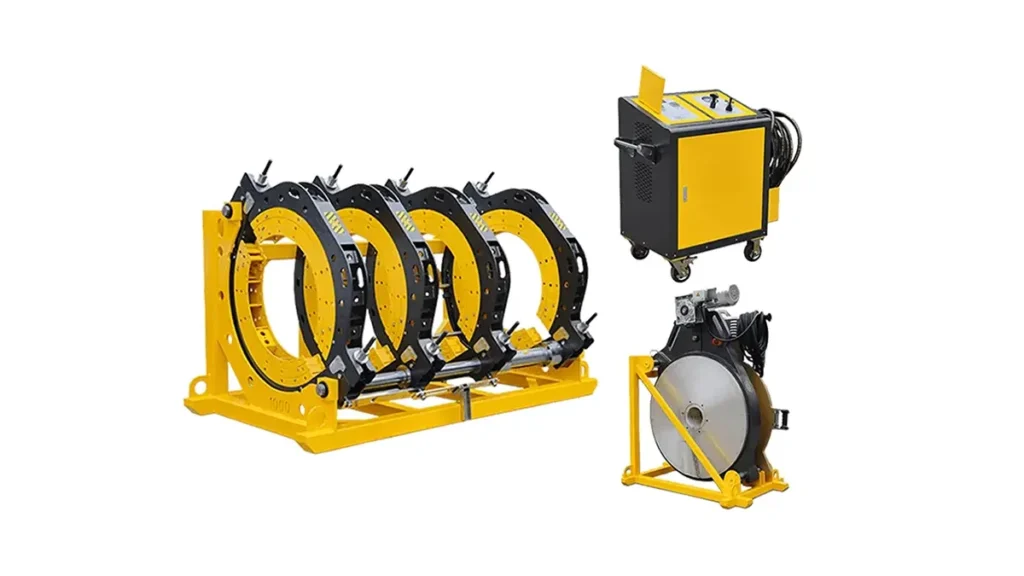
Understanding HDPE Thermoplastic Pipe Welding
High-Density Polyethylene (HDPE) has become the material of choice for modern pipeline infrastructure, from municipal water supply to industrial chemical transfer. The reliability of an HDPE piping system hinges on one critical factor: the quality of the joints. Unlike traditional materials that rely on mechanical couplings or adhesives, HDPE thermoplastic pipe welding creates a monolithic, leak-free system by fusing pipe ends together at a molecular level. This process, when executed correctly with proper HDPE pipe fusion welding equipment, results in joints that are often stronger than the pipe itself.
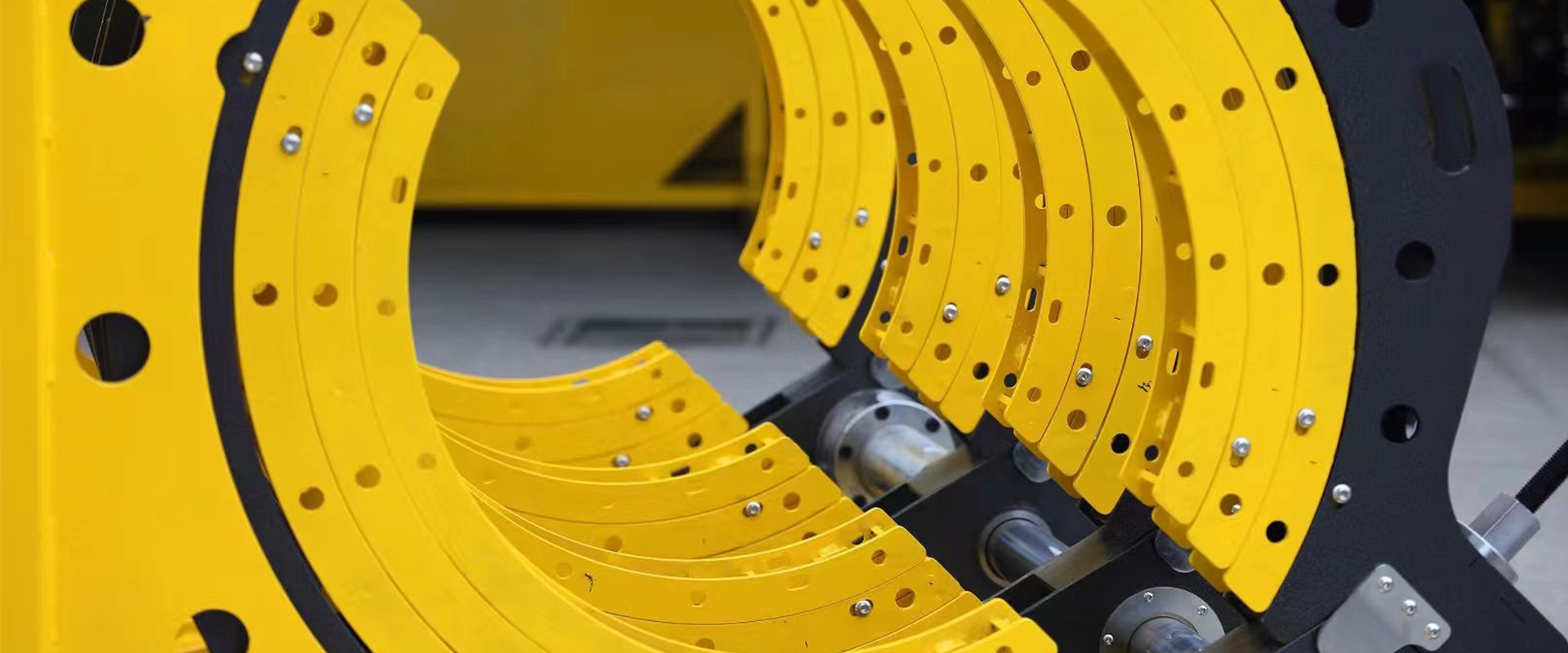
The two primary methods dominating the industry are butt fusion and electrofusion. Each technique has distinct advantages depending on the project scale, pipe diameter, and site conditions. Understanding the core principles of butt fusion welding is essential for contractors and engineers aiming to achieve consistent, code-compliant welds.
Core Welding Methods: Butt Fusion, Electrofusion, and Beyond
Selecting the right joining method is the first step toward a successful installation. The table below summarizes the key differences between the most common HDPE pipe welding techniques:
| Method | Typical Diameter | Key Equipment | Best Application |
|---|---|---|---|
| Butt Fusion | 63mm – 2000mm+ | Butt fusion machine, trimmer, heating plate | Long straight runs, large-diameter mains |
| Electrofusion | 20mm – 710mm | Electrofusion control unit, electrofusion fittings | Repairs, confined spaces, tee connections |
| Socket Fusion | 16mm – 110mm | Socket fusion tools, heating sockets | Small-diameter plumbing, laterals |
| Saddle Fusion | 63mm+ (tapping) | Saddle fusion tool, heating adapters | Service connections, branch outlets |
Butt Fusion Welding Process
Butt fusion remains the most widely adopted method for joining HDPE pipes, especially for diameters above 63mm. The procedure follows a strict sequence defined by standards such as ISO 21307 butt fusion procedures and ASTM F2620 heat fusion. The stages include clamping and aligning the pipe ends, facing them with a trimmer to create clean parallel surfaces, heating under controlled pressure, and then joining with precise force during the cooling cycle. Temperature accuracy and clamp alignment are the two most critical variables that determine joint integrity.
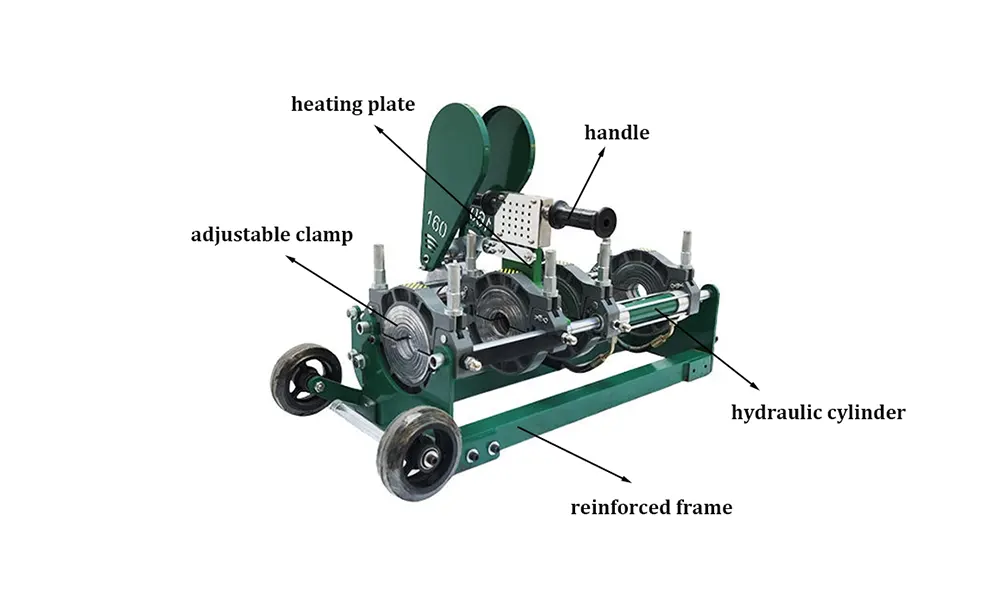
The heating plate must be maintained at the correct surface temperature, typically between 200°C and 230°C (392°F – 446°F), depending on the pipe grade and wall thickness. Any deviation can lead to cold welds or thermal degradation. This is why choosing a reliable CNC automatic butt fusion welding machine with digital temperature control is increasingly preferred for critical infrastructure projects.
Electrofusion Welding Process
Electrofusion uses specialized fittings with embedded heating coils. An electrofusion control unit sends a precisely timed electric current through the coils, melting the inner surface of the fitting and the outer surface of the pipe simultaneously. This method is particularly valuable for repairs, fabricating custom fittings, and working in trenches where axial movement is restricted. The PE electrofusion equipment standard specifies strict requirements for control units to ensure repeatable fusion cycles regardless of ambient conditions.
Equipment Categories: Manual, Hydraulic, and CNC Automatic Machines
HDPE welding machines are broadly categorized by their drive mechanism and level of automation. Choosing the correct category directly impacts productivity, operator fatigue, and weld consistency.
Manual Butt Fusion Welding Machines
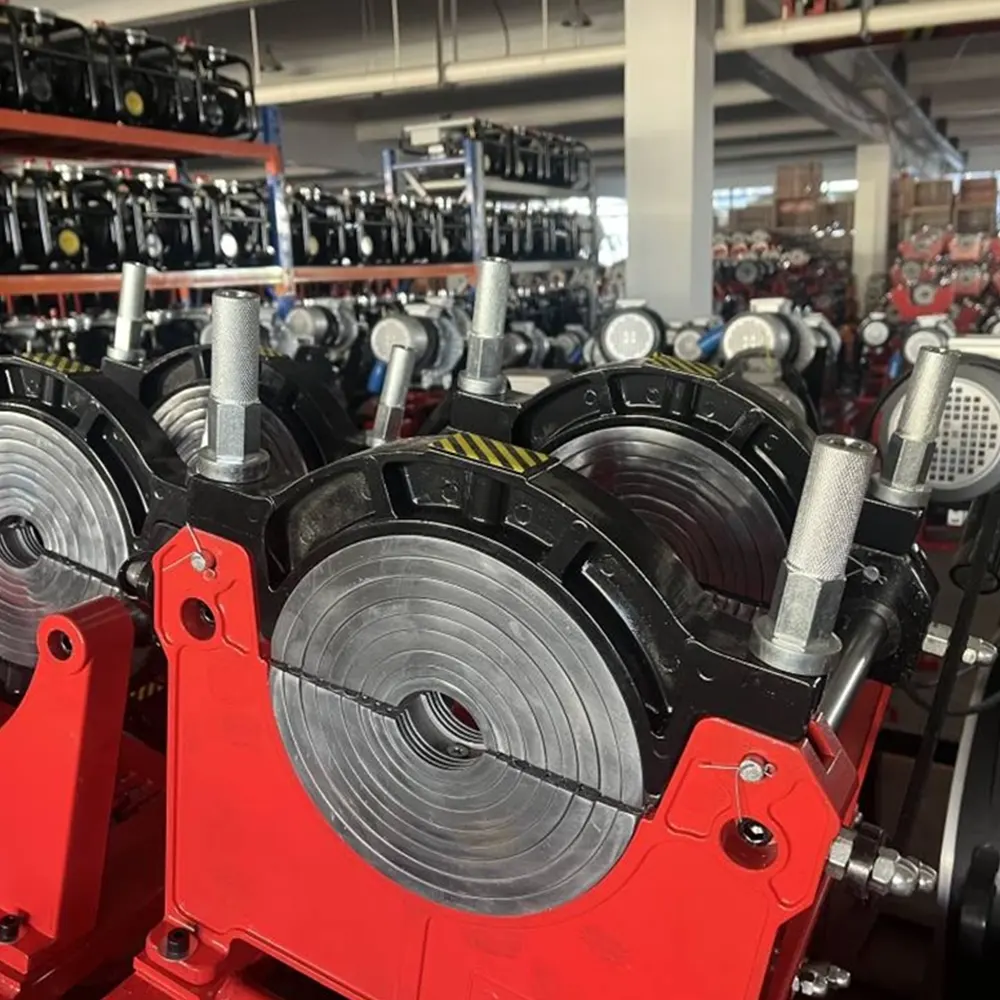
Manual machines rely on hand-operated levers to move the pipe carriages. They are compact, cost-effective, and ideal for diameters typically ranging from 40mm up to 315mm. These machines are popular for rural water supply projects, irrigation systems, and small-scale utility work where electricity or hydraulic power may not be readily available. Operator skill plays a significant role in achieving uniform fusion pressure with manual units.
Hydraulic Butt Fusion Welding Machines
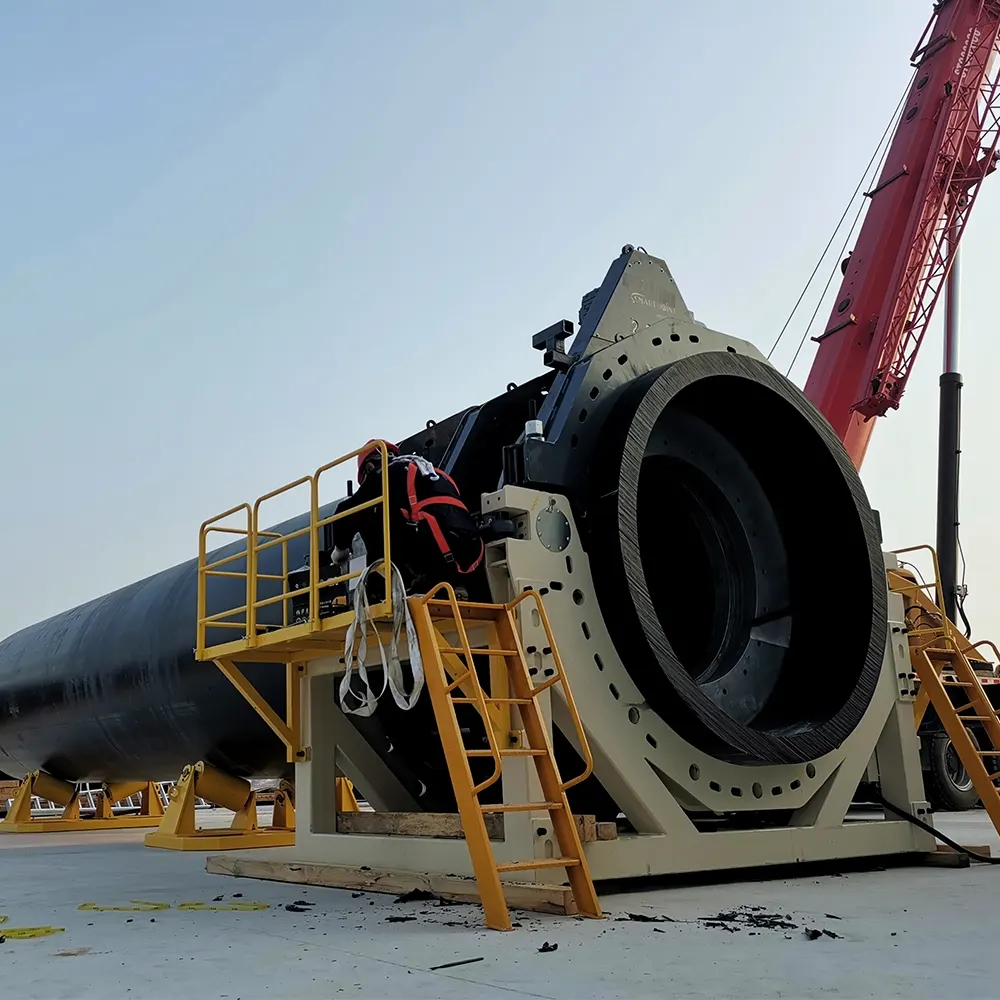
Hydraulic butt fusion welding machine models introduce a power unit that drives the moving clamp carriage, delivering consistent force regardless of pipe size. They cover a wide range from 160mm up to 2500mm and beyond. The hydraulic system ensures that fusion pressure parameters, calculated based on pipe diameter and wall thickness, are applied evenly throughout the heating and joining phases. This eliminates much of the variability associated with manual operation and is essential for large-diameter water transmission and gas distribution mains.
CNC Automatic Butt Fusion Welding Machines
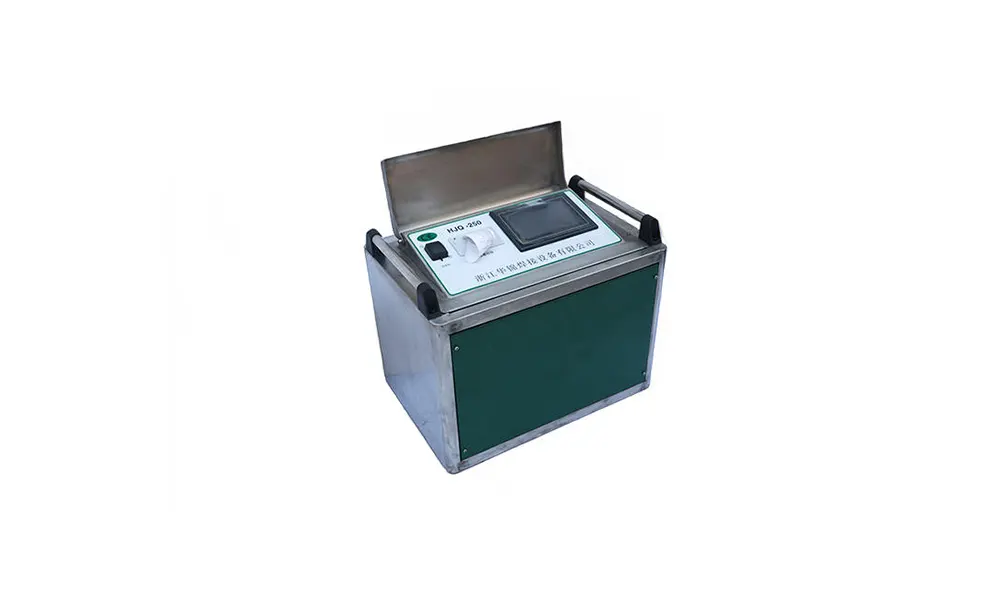
CNC automatic machines represent the highest level of precision in HDPE thermoplastic pipe welding. They remove operator guesswork by automating the entire fusion cycle through programmable logic controllers. The machine logs every parameter—heating time, soak time, fusion pressure, cooling time—providing a digital record for PE fusion traceability and quality assurance. For projects demanding full documentation and repeatable welds, such as nuclear cooling water lines or high-pressure gas networks, automatic machines are the preferred choice.
Best Practices for High-Quality HDPE Welding
Even the most advanced equipment cannot compensate for poor technique or environmental neglect. Adhering to proven best practices ensures joint longevity and compliance with project specifications.
- Pipe End Preparation: Clean the pipe ends thoroughly to remove dirt, grease, and oxidation. Always use a sharp, properly maintained trimmer to face the pipe ends until a continuous, thin shaving is produced from both sides simultaneously.
- Heating Plate Maintenance: The PTFE-coated heating plate must be inspected before each use. Any residue, scratches, or coating damage will transfer to the molten pipe surface and create contamination at the weld interface. Use a non-abrasive cloth for cleaning—never metal tools.
- Environmental Protection: Shield the welding area from wind, rain, dust, and direct sunlight. Sudden ambient temperature changes can cause uneven cooling and residual stress. Use welding tents or canopies when working outdoors.
- Fusion Pressure Calculation: Always calculate the correct fusion pressure based on the pipe’s outside diameter, wall thickness, and the machine’s drag resistance. Refer to the PPI butt fusion procedure for detailed guidance.
- Cooling Under Pressure: Do not remove the pipe from the clamps until the cooling time has fully elapsed and the joint has solidified below the material’s crystalline melting point. Premature removal is a leading cause of joint failure.
- Operator Qualification: Welders should be certified according to recognized programs. Standards like PE fusion operator requirements and heat fusion operator qualification define the skills and knowledge needed to produce consistent, code-quality joints.
Common Welding Defects and How to Avoid Them
Recognizing the signs of a compromised joint is vital for quality control. Below are frequent issues encountered in the field and their root causes:
| Defect | Appearance | Likely Cause | Prevention |
|---|---|---|---|
| Cold Weld | Flat, narrow bead; lack of rollback | Insufficient heating time or temperature | Verify plate temperature and soak times |
| Misalignment | Offset bead; step at joint | Clamp jaws worn or improperly set | Calibrate clamps; use proper inserts |
| Contamination | Discolored bead; pitting | Dirty pipe ends or heating plate | Clean meticulously; handle pipe ends carefully |
| Excessive Bead | Oversized, irregular rollback | Fusion pressure too high | Recalculate pressure; verify gauge |
Quality Assurance and Documentation
Modern pipeline projects require thorough documentation of every fusion joint. Data logging capabilities integrated into automatic and hydraulic machines record critical parameters such as heating temperature, soak time, and fusion pressure curves. This data supports compliance with PE pipe joining procedures outlined by industry bodies like the Plastics Pipe Institute. Inspectors can review these logs to verify that each joint meets the specified fusion protocol. Visual inspection of bead shape and size remains a valuable supplementary check. A symmetrical, uniform bead on both sides of the joint typically indicates a proper fusion cycle. Destructive testing, such as bend-back tests or tensile impact tests, may also be performed on sample joints to validate the process.
Selecting the Right Welding Equipment for Your Project
When investing in HDPE thermoplastic pipe welding equipment, consider not only the current project demands but also long-term versatility. Key factors include pipe diameter range, site mobility requirements, power source availability, and the level of documentation needed. A contractor handling diverse municipal contracts may benefit from a hydraulic butt fusion welding machine that covers a broad diameter spectrum, while a specialist in service connections might prioritize a compact electrofusion unit.
JQ-Fusion is a professional manufacturer specializing in HDPE pipe welding machines, providing reliable butt fusion solutions for global infrastructure projects. With a comprehensive range spanning manual, hydraulic, and CNC automatic models, and a strong commitment to quality assurance and responsive support, JQ-Fusion helps contractors and distributors achieve efficient, precise, and repeatable welding performance across water supply, gas distribution, and industrial pipeline systems.
Frequently Asked Questions
What is the best temperature for HDPE butt fusion welding?
The optimal heating plate surface temperature for HDPE butt fusion is typically between 200°C and 230°C (392°F – 446°F). The exact setting depends on the pipe grade (PE80, PE100, PE100-RC) and wall thickness, and should always follow the pipe manufacturer’s recommendations alongside applicable standards.
Can I weld HDPE pipes in cold weather?
Yes, but special precautions are necessary. In cold conditions, preheat the pipe ends slightly, extend soak times as recommended by cold-weather procedures, and provide a heated enclosure or windbreak around the fusion area to prevent rapid cooling that can induce thermal stress.
How long does an HDPE butt fusion weld take to cool?
Cooling time varies with pipe diameter and wall thickness. As a general guide, follow the formula specified in ISO 21307 or ASTM F2620. For example, a 315mm SDR11 pipe may require approximately 15-20 minutes of cooling under pressure before removal from the clamps.
What is the difference between butt fusion and electrofusion?
Butt fusion heats the pipe ends directly with a heating plate and then presses them together, creating a homogenous joint without additional fittings. Electrofusion uses a coupling with built-in heating coils that melt both the fitting and pipe surfaces simultaneously. Butt fusion is preferred for long pipelines and large diameters, while electrofusion excels in repairs, tight spaces, and branch connections.



