
Understanding how a pipe fusion machine operates and which model suits projects in Bulgaria can save time, reduce rework, and ensure compliance with European pipeline standards. This guide walks through the fusion process, compares machine types, and highlights local considerations for contractors, municipalities, and utilities in Bulgaria.
How a Pipe Fusion Machine Works in Bulgaria
Butt fusion machines join HDPE pipes by heating the pipe ends and pressing them together under controlled pressure until the material cools and forms a permanent, homogeneous joint. The process generally follows these steps: facing/trimming, alignment, heating, fusion under pressure, cooling, and verification. In Bulgaria’s seasonal climate, adjust heating and cooling times to compensate for cold winter temperatures or hot summer workdays.

Step-by-step: What Operators Do
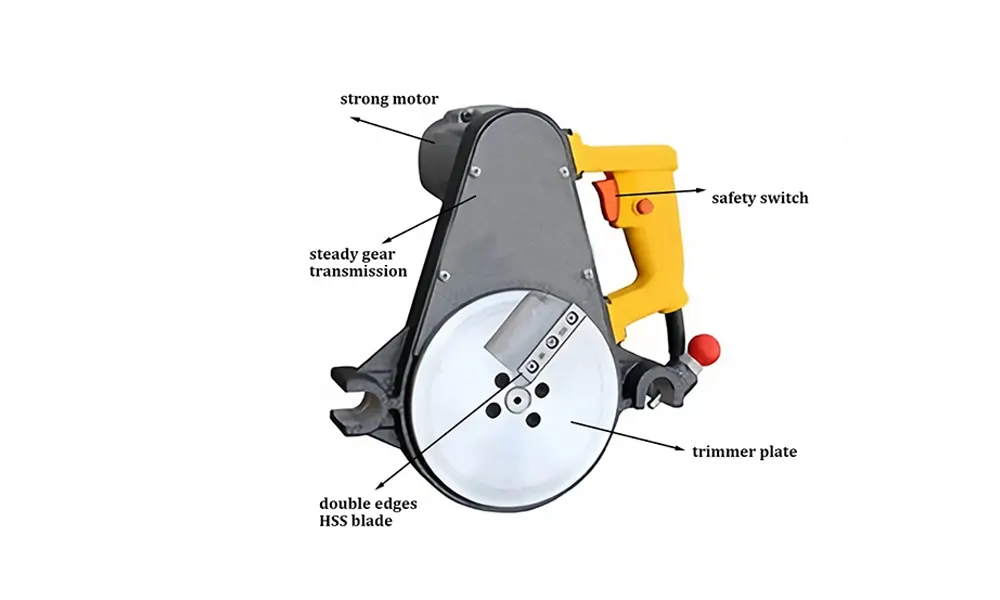
1. Face and prepare pipe ends: A trimmer removes uneven edges to create flat, perpendicular surfaces. Proper facing prevents weak joints.
2. Clamp and align: The machine’s clamps hold pipe ends firmly and align them so molten surfaces match perfectly.
3. Heat plate insertion: A heated plate (typically 230–260°C for HDPE) is placed between ends until a smooth melt bead forms.
4. Fusion under pressure: After removing the heater, hydraulic or mechanical force presses the ends together at a controlled force and time, creating a molecular bond.
5. Cooling and test: The joint cools under clamp pressure; visual inspection and simple pull tests confirm joint integrity.
Key components to check
Alignment clamps, hydraulic pump (if applicable), heating plate, facing tool, pressure gauges, and an accurate timer/temperature control are the essentials. For Bulgarian sites with rough terrain, robust clamps and mobile frames improve field reliability.
Machine Types & Which One to Choose
Selecting the right fusion machine depends on pipe diameter, project scale, available budget, and operator skill. Below are common types and quick recommendations for use in Bulgaria.
Manual / Portable Units
Best for small service repairs, rural irrigation lines, and on-site municipal work. They are lightweight, easy to transport, and suitable for 20–160 mm pipes. Choose manual units for limited budgets and intermittent use.
Hydraulic Machines
Offer greater clamping force and stability for medium to large diameters (160 mm to 1250 mm). Ideal for contractors working on water mains, gas distribution, and larger infrastructure upgrades funded by EU or local agencies.
Automatic / CNC Butt Fusion Machines
Provide programmable cycles, precise control of pressure and speed, and improved repeatability for long runs and high-spec projects. Recommended for pipe manufacturers, large pipeline contractors, and projects requiring documented weld reports under EN standards.
Comparison Table: Which Machine Fits Your Project
| Type | Typical Diameter Range | Mobility | Best For |
|---|---|---|---|
| Manual / Portable | 20–160 mm | High | Service repairs, rural works |
| Hydraulic | 160–1250 mm | Medium | Municipal mains, gas |
| Automatic / CNC | 63–2000+ mm | Low (site set-up) | Large projects, documentation |
| Electrofusion | 20–800 mm (depending on fitting) | High | Service connections, tight spaces |
Local Considerations for Bulgaria
When planning pipeline projects in Bulgaria, consider EU and Bulgarian requirements such as material certification and compliance with EN 12201 for PE pipes. Many projects are supported by EU funds—those contracts often demand traceable weld records and certified equipment. Bulgarian contractors should verify operator training, availability of spare parts, and service support in-country or nearby EU partners.
On-site Best Practices
• Pre-warm pipes in cold weather and allow longer cooling times below 5°C.
• Keep heater plates clean and at the correct temperature for consistent melt beads.
• Use calibrated pressure gauges and timers—document every weld for quality control.
• Train local crews on EN welding parameters and safe hydraulic operation.
• Maintain a lightweight portable trimmer and clamps for quick repairs in rural areas.
Final Tip
For Bulgarian municipalities and contractors focused on reliability and EU-compliant projects, select machines that provide documented weld control (automatic/CNC) for major works and keep manual or portable units for smaller jobs and repairs. For sourcing and support, consider reputable manufacturers that supply a range of manual, hydraulic, and automatic butt fusion machines.
Manufacturer: JQ-Fusion — https://jq-fusionwelding.com/


