
Electric fusion pipe joining equipment provides durable, leak-free connections for thermoplastic pipelines used in water, gas, mining, and industrial applications. This guide explains the main technologies, practical selection tips, operation essentials, and maintenance advice to ensure reliable pipe connections on every project.
How Electric Fusion Works: Basics of Butt Fusion and Electrofusion
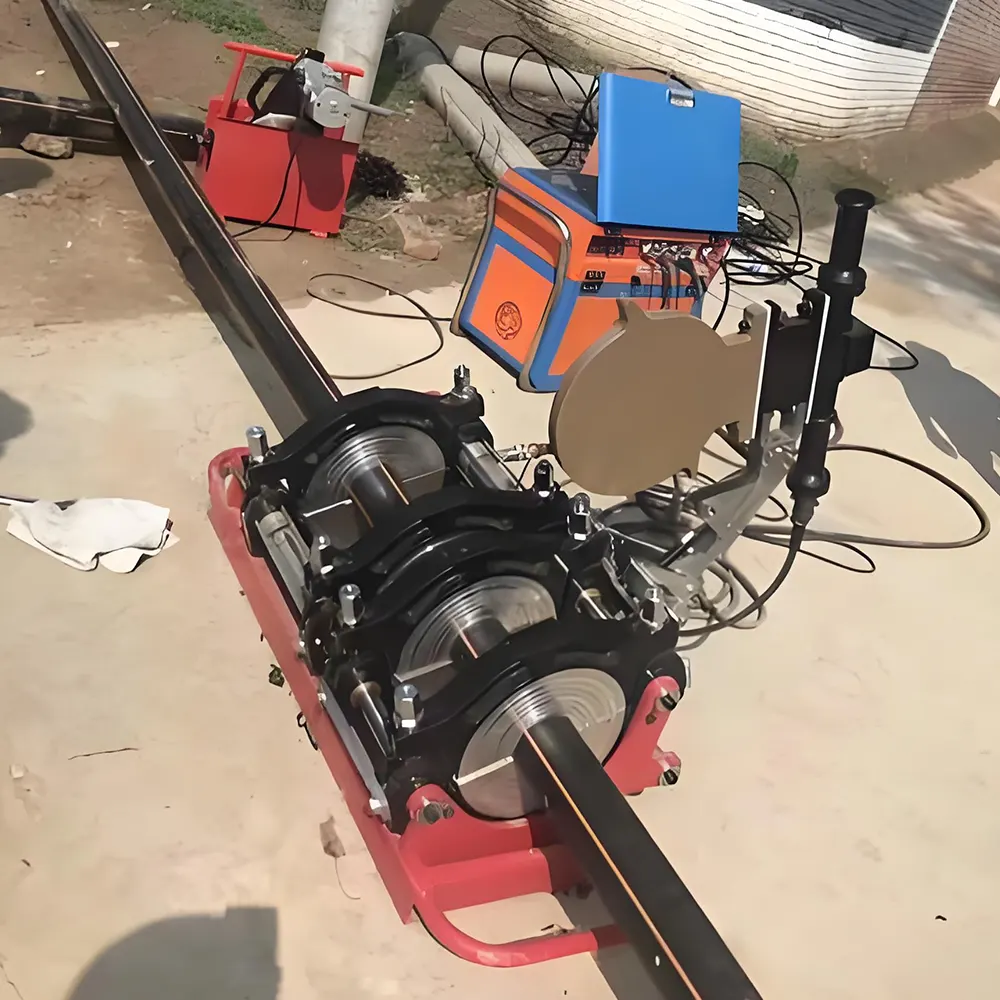
Butt fusion melts the pipe ends using a heated plate and compresses them to form a homogeneous joint. Electrofusion uses specially designed fittings with embedded heating elements that, when energized, fuse the fitting to the pipe wall. Both methods rely on controlled heat, pressure, and cooling cycles to create strong, long-lasting joints.
Key Advantages of Electric Fusion Systems
Reliability: Properly executed electric fusion joints are as strong as or stronger than the pipe material itself. Repeatability: Modern machines automate temperature, pressure, and timing for consistent results. Suitability: Ideal for underground, pressurized, and corrosive environments where mechanical joints fail over time.
Common Equipment Types
Choose equipment based on pipe material (HDPE, MDPE, PP), diameter, and site constraints. Typical options include:
-
Manual butt fusion machines — cost-effective for small sites and occasional use.
-
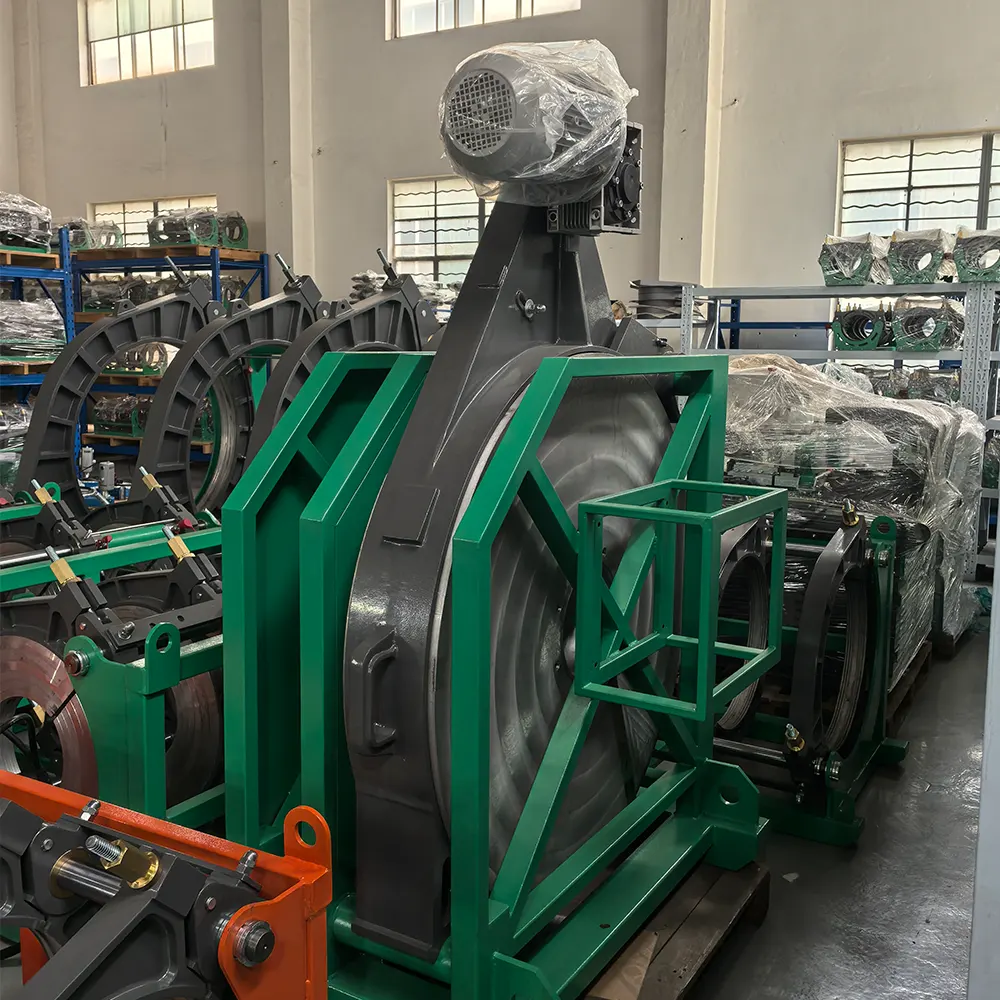
Hydraulic butt fusion machines — for medium to large diameters with higher force and control.
-
Automatic/CNC butt fusion machines — programmable systems for high-volume, precise welding.
-
Electrofusion units — portable control boxes for compression-style fittings and repair work.
Equipment Comparison
| Equipment Type | Pipe Range | Power / Drive | Best For |
|---|---|---|---|
| Manual Butt Fusion | 16–125 mm | Hand / small electric heater | Small jobs, low budget |
| Hydraulic Butt Fusion | 63–2500 mm | Hydraulic pump / electric | Medium to large pipelines |
| Automatic / CNC Butt Fusion | 63–1600 mm | Electric / PLC control | High precision, repeatable welds |
| Electrofusion Control Box | 20–800 mm (fittings) | Electric (programmable) | Repairs, fittings, constrained spaces |
Selecting the Right Machine: Practical Checklist
1. Pipe diameter and SDR: Confirm maximum clamp range and pressure capacity. 2. Site power availability: Portable electrofusion boxes work on generators; automatic machines need stable mains or large generator support. 3. Operating environment: Cold climates require insulated heaters and controlled cooling times. 4. Production vs. repair: CNC systems suit production lines; lightweight manual units excel at repairs and remote sites.
Operation Best Practices
Preparation: Clean and square-cut pipe ends; use correct facing tools. Parameter control: Follow material-specific temperature, pressure, and cooling charts. Documentation: Record welding parameters and traceability data for each joint.
Maintenance and Safety Tips
Keep heating plates and clamps clean; inspect hydraulics and electrical components regularly. Use certified PPE when working with heated elements, and ensure machines are grounded. Routine calibration of pressure gauges and control systems improves weld quality and reduces rework.
When to Consider Custom or Large-Diameter Solutions
Large infrastructure projects often require custom hydraulic frames, extended clamp systems, or multi-station automatic machines. For specialized requirements, partner with an experienced manufacturer who can adapt equipment to site logistics and regulatory standards — JQ-Fusion offers a wide range of butt fusion machines and tailored solutions for diverse pipeline projects.
Quick FAQ
Q: Are electric fusion joints suitable for gas distribution? A: Yes — when performed to industry standards, fusion joints are widely accepted for gas networks.
Q: How long does a typical butt fusion weld take? A: Cycle time varies with diameter and SDR; small diameters can weld in minutes, while large diameters require extended heating and cooling phases.
Final Recommendations
Invest in the right balance of portability, automation, and capacity for your projects. Train welders on machine-specific controls and maintain a strict QA system. With proper equipment selection and disciplined procedures, electric fusion delivers cost-effective, robust pipeline connections for decades of service.



