
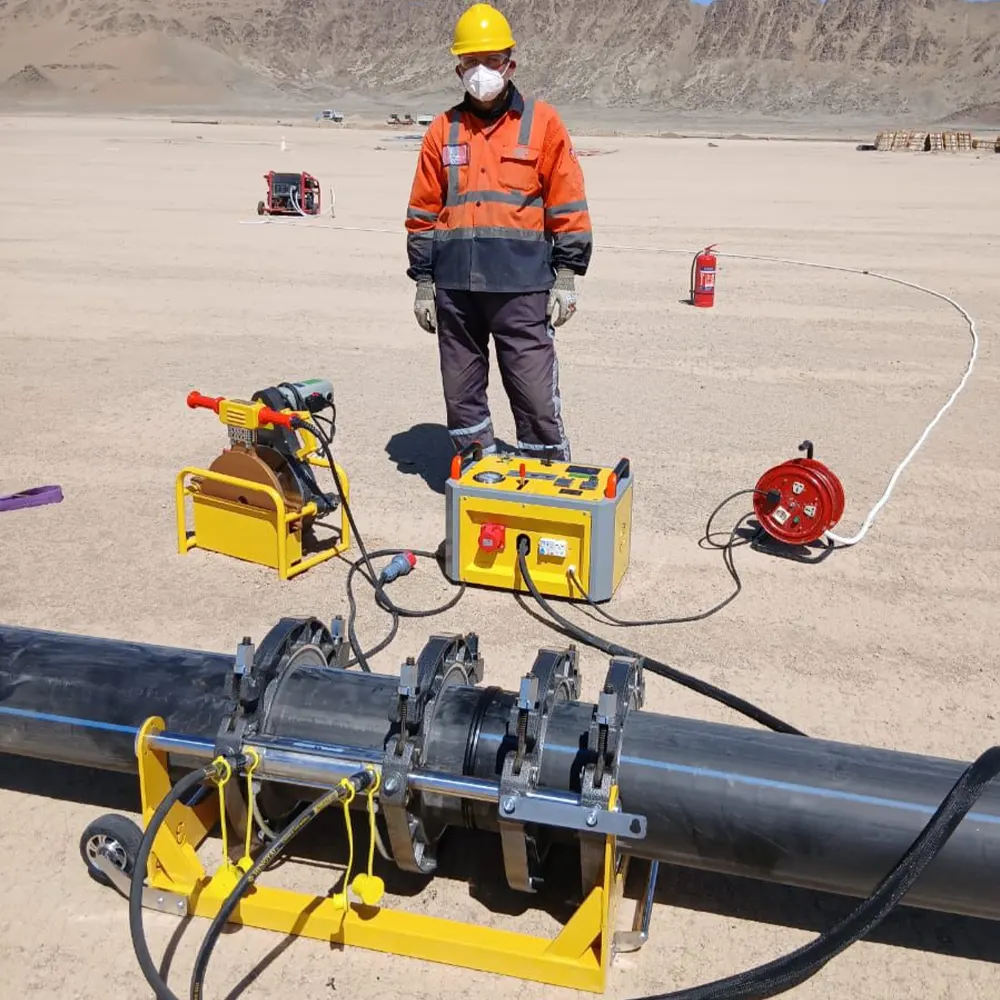
HDPE piping systems have earned a strong reputation in water supply, gas distribution, mining, and industrial pipeline projects because they are lightweight, corrosion-resistant, and highly durable. Yet even the best pipe material can fail early if the installation is not handled correctly. That is why learning how to recycle and weld HDPE pipes properly is so important. When the process is done with precision, the result is a stronger joint, reduced material waste, and a longer-lasting pipeline that performs reliably in demanding environments.
Recycling HDPE pipe remnants is not only an environmentally responsible practice but also a practical one for contractors and project managers. Offcuts, damaged sections, and leftover fittings can often be reprocessed or reused in controlled ways, helping reduce project costs and material waste. At the same time, welding recycled or new HDPE pipe sections requires strict quality control, proper machine calibration, and the right fusion technique to ensure the final installation maintains full structural integrity.
For projects that demand dependable welding results, choosing the right equipment matters. A professional-grade butt fusion machine plays a central role in creating durable, leak-free joints. Modern fusion systems are designed to manage temperature, pressure, and alignment with accuracy, which is especially important when working with HDPE pipes in large-scale infrastructure applications.
Why HDPE Pipe Recycling Matters
HDPE, or high-density polyethylene, is valued for its toughness and resistance to moisture, chemicals, and impact. These properties make it ideal for modern pipeline systems, but they also make it suitable for selective recycling. Unlike materials that lose too much strength after processing, HDPE can often be recovered and reintroduced into manufacturing streams or used in non-critical applications when handled correctly.
Key point: Proper HDPE recycling helps reduce landfill waste, lower procurement costs, and support more sustainable pipeline construction practices.
In practice, recycling may involve sorting clean pipe offcuts, removing contaminants, grinding or reprocessing material, and ensuring the recycled content is used in suitable applications. It is important to note that recycled HDPE should be evaluated carefully before reuse in pressure-bearing systems. For critical pipelines, contractors typically rely on virgin HDPE or approved material blends to preserve performance standards.
The Basics of HDPE Welding
HDPE welding is the process of joining pipe sections by heating the mating surfaces and pressing them together under controlled force. When performed correctly, the joint becomes as strong as or stronger than the pipe itself. This is one reason butt fusion is widely used in long-distance water lines, gas networks, mining pipelines, and industrial fluid systems.
Important: Clean surfaces, correct temperature, and proper pressure are the foundation of a reliable HDPE fusion weld.
There are several common fusion methods, including butt fusion, electrofusion, and socket fusion. Among them, butt fusion remains one of the most efficient and widely accepted for larger diameter pipes. It delivers consistent results when the operator follows the correct cycle and uses a well-maintained machine. For this reason, professional contractors often invest in robust equipment from experienced manufacturers such as JQ-Fusion, whose machines are engineered for stable performance and long service life.
Step-by-Step Process for Recycling and Preparing HDPE Pipes
1. Sort and Inspect Material
Begin by separating clean HDPE offcuts from contaminated or damaged material. Pipes that have carried hazardous chemicals, severe abrasion, or heavy deformation may not be suitable for recycling into pressure systems. Inspection should identify cracks, warping, embedded debris, and exposure history.
2. Remove Contaminants
Surface dirt, grease, moisture, and foreign particles can affect processing quality. Cleaning the pipe reduces the risk of contamination during recycling and makes later welding cleaner and safer. Even small amounts of residue can compromise joint quality if they are not removed properly.
3. Cut or Reprocess the Material
Depending on the intended use, recycled HDPE can be cut into smaller sections, ground into pellets, or stored as reusable pipe segments. If the material will be fused again, make sure every section is straight, undamaged, and compatible in size and thickness with the target system.
4. Confirm Application Suitability
Not every recycled HDPE piece is appropriate for welded pressure lines. Non-critical uses, protective conduits, drainage systems, and secondary structures may be more suitable for recycled material. For high-pressure applications, always follow project specifications and engineering guidelines.
How to Weld HDPE Pipes for Stronger Joints
A strong HDPE weld depends on preparation and discipline. Operators should never rush the process. A high-quality fusion machine helps, but the welding outcome still relies on alignment, heating time, and cooling time. Professional systems from manufacturers with advanced production and quality control, such as JQ-Fusion, are designed to support these requirements across different pipe diameters and project conditions.
🔧 Best practice: Always verify machine calibration before welding. Temperature accuracy and clamp alignment directly influence joint quality.
Surface Preparation
The pipe ends must be cut square, cleaned thoroughly, and secured in the clamps without movement. Proper facing ensures the heated surfaces meet evenly. If the pipe faces are not aligned, the resulting weld may have weak areas that reduce long-term reliability.
Heating Phase
The heating plate should reach the specified temperature before contact with the pipe ends. Once heated, the surfaces soften and form a molten layer. Timing is critical: too little heat leads to weak bonding, while too much can damage the pipe structure and reduce joint integrity.
Fusion and Cooling
After removing the heater, the softened ends are brought together under controlled pressure. A uniform bead should form around the joint, indicating a consistent fusion. The pipe must then cool undisturbed for the required time. Moving the joint too early can cause misalignment or internal stress.
Equipment Quality and Its Impact on Long-Term Performance
The durability of an HDPE installation is influenced not only by the pipe material but also by the machine used to weld it. A dependable fusion machine should provide stable heating, accurate hydraulic pressure, and strong clamp alignment. These features are especially important on large projects where hundreds of joints may be completed under tight deadlines.
JQ-Fusion’s product range includes hydraulic butt fusion welding machines, automatic butt fusion welding machines, electrofusion welding machines, and multi-angle pipe fitting welding machines. This variety allows contractors to choose the right solution for different jobsite requirements. Their long industry experience, strict testing, and customization capability make them a trusted partner for global pipeline projects.
Note: A well-built machine reduces operator error, improves repeatability, and supports a longer-lasting pipeline installation.
Common Mistakes to Avoid
One of the most common mistakes is skipping proper cleaning and inspection. Even a small amount of dirt can prevent full surface contact during welding. Another frequent issue is using incorrect pressure settings. Too much force can deform the joint, while too little can create a weak bond. Operators should also avoid welding in unstable environmental conditions without proper protection.
Poor recordkeeping is another problem. Large projects benefit from logging temperature, pressure, time, and operator details for each weld. This makes troubleshooting easier and improves accountability. In critical systems, quality documentation can be just as important as the weld itself.
✅ Tip: Use trained operators, verified equipment, and standardized procedures to maximize joint strength and service life.
Why Professional Support Makes a Difference
Successful welding projects often depend on more than the machine alone. Technical support, spare parts availability, shipping reliability, and customization services all play a major role. Contractors working across different countries or project types may need machine voltage adjustments, branding options, or specific clamp configurations. Suppliers with OEM and ODM capability can provide these tailored solutions efficiently.
This is where experienced manufacturers stand out. JQ-Fusion offers stable stock supply, fast delivery, professional training, and full technical support from product selection to after-sales service. Their commitment to quality control and global support helps ensure that pipeline contractors can meet deadlines without sacrificing weld quality.
Building Stronger, Longer-Lasting Installations
The goal of recycling and welding HDPE pipes is not simply to join two pieces together. The real objective is to build a system that remains safe, efficient, and durable over many years of service. That requires attention to material handling, proper equipment, and disciplined welding technique. When recycling is done responsibly and fusion is executed correctly, the pipeline system benefits from reduced waste, lower lifecycle cost, and dependable performance.
For contractors, distributors, and project owners, investing in quality tools and proven methods pays off. It improves project reliability today and lowers maintenance risks in the future. Whether the application is municipal water, gas transmission, mining slurry, or industrial infrastructure, a carefully welded HDPE system can deliver excellent long-term value.
Frequently Asked Questions
Q1: Can recycled HDPE pipe be used for pressure applications?
It depends on the material condition, processing method, and project standards. In many cases, recycled HDPE is better suited for non-critical or secondary applications unless it has been properly certified for pressure use.
Q2: What makes butt fusion the preferred method for large HDPE pipes?
Butt fusion creates a continuous, strong joint with excellent durability. It is efficient for large-diameter pipes and works well in long pipeline installations when performed with accurate equipment.
Q3: How do I know if a weld is strong enough?
A strong weld usually has proper bead formation, correct alignment, and no visible contamination or deformation. In professional projects, weld quality is also confirmed through testing and inspection procedures.
Q4: Why is machine calibration important before welding?
Calibration ensures the heating plate, hydraulic pressure, and clamps operate within the required parameters. Without calibration, even experienced operators may produce unreliable joints.
Q5: What should contractors look for in a welding machine supplier?
Look for proven industry experience, stable product quality, customization options, fast delivery, technical support, and compliance with international standards.



