
The quality of a welding project is often judged long before the first weld is made. A clear, complete documentation checklist helps teams control risk, improve traceability, and keep every stage of the job aligned with project requirements. Whether the work involves water supply lines, gas distribution, mining pipelines, or industrial systems, welding documentation is the backbone of safe and consistent execution. It supports communication between supervisors, welders, inspectors, and clients, while also helping teams avoid delays, rework, and compliance issues.
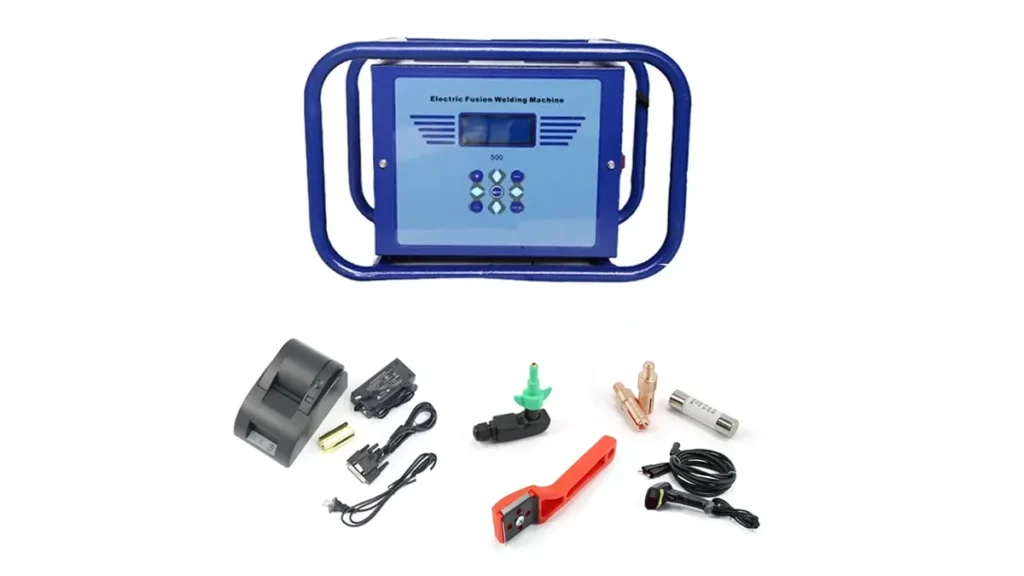
For contractors working with HDPE pipeline systems, documentation becomes even more important because the welding process must be carefully managed from machine setup to final inspection. Reliable equipment, trained operators, and accurate records all play a role in achieving stable results. Many teams choose a trusted butt fusion machine to support consistent project performance, but even the best equipment still requires organized documentation to prove quality and maintain accountability.
Below is a practical guide to what should be included in a welding project documentation checklist, written for real project use and easy team implementation.
1. Project Overview and Scope Definition
Every documentation file should begin with a clear project overview. This section explains what the welding project is about, where it is being performed, and what systems or structures are involved. It should include the project name, client name, site location, expected timeline, and a short description of the work scope.
Good scope definition prevents confusion later. It helps the project team understand whether they are working on a main pipeline, a branch connection, a repair section, or a full installation. When this information is recorded accurately, every later step becomes easier to track and verify.
Key items to record: project title, site address, pipeline type, work area, contract reference, start and finish dates, and responsible parties.
2. Material Traceability Records
Material traceability is one of the most important parts of welding documentation. The checklist should record the source, batch number, size, grade, and quantity of all welding-related materials used on the project. This includes pipes, fittings, consumables, and any auxiliary materials that affect weld quality.
Traceability is essential for quality control and future maintenance. If a defect appears later, the team must be able to identify which material was used, when it was installed, and whether it came from the correct approved batch. Strong traceability also supports audit readiness and improves confidence in the project output.
Tip: Keep material certificates, delivery notes, and inspection records together in one easy-to-access file structure.
3. Welding Procedure Specifications
The welding procedure specification, or WPS, defines the approved method for performing welds. This section should clearly show the welding process, temperature settings, pressure values, cooling time, fusion time, and any other control parameters required for the job.
In pipeline work, procedure compliance is not optional. It ensures that each weld is produced under controlled conditions and meets the project’s technical standards. A checklist should confirm that the correct WPS version has been approved, issued, and understood by the welding team before work begins.
Include: procedure number, revision status, applicable pipe diameter range, environmental limits, and acceptance criteria.
4. Welder Qualification and Authorization
Not every welder is qualified for every type of welding work. The documentation checklist should include proof of training, qualification certificates, authorization status, and expiry dates for each welder assigned to the project. This helps ensure only competent personnel perform critical welds.
Authorization records should also show which operator is assigned to which machine or process. In many projects, the operator’s performance is just as important as the equipment itself. Keeping these records current protects the quality of the work and supports compliance with project and industry requirements.
Important: If a welder’s qualification expires during the project timeline, the checklist should trigger a review before any further welding continues.
5. Equipment Identification and Calibration Data
Welding equipment must be identified clearly in the checklist. Record the machine model, serial number, service status, and inspection date. For automated or hydraulic systems, it is also important to include calibration data for temperature control, pressure control, and any measuring devices attached to the welding system.
Equipment documentation helps verify that the machine was suitable for the job and operating within acceptable limits. It also provides a clear history for maintenance teams, auditors, and project managers. When equipment is properly documented, the team can quickly identify whether a poor result was caused by a setup issue, a maintenance issue, or an operational error.
For contractors handling large pipeline installations, this information is especially valuable because different machines may be used across multiple work zones. Good records create consistency from one weld to the next.
6. Site Conditions and Environmental Checks
Welding quality can be affected by site conditions such as temperature, humidity, wind, dust, and workspace stability. The checklist should include a section to document environmental conditions before and during work. This is especially important for outdoor welding projects and remote pipeline sites.
Recording site conditions helps explain variations in weld performance and provides evidence that work was carried out under acceptable conditions. If the environment changes suddenly, the team can decide whether to continue, pause, or adjust the process. This simple record can prevent serious quality problems later.
Log environmental factors such as: ambient temperature, wind speed, rain exposure, surface cleanliness, and work area safety status.
7. Pre-Weld Inspection Checklist
Before any welding begins, a detailed pre-weld inspection should be completed and recorded. This part of the documentation checklist ensures the pipe ends, fittings, alignment, cleanliness, and machine setup are all ready for welding.
The checklist should confirm that the pipe surfaces are clean, the clamp alignment is correct, and the fusion faces are prepared according to procedure. It should also note whether all tools are available and whether the work area is safe and accessible. Pre-weld inspection is one of the simplest ways to prevent avoidable defects.
Checklist focus: pipe preparation, facing quality, alignment, clamping, cleanliness, and safety clearance.
8. Welding Parameter Logs
Every weld should be linked to a record of actual welding parameters. This may include fusion time, heating time, pressure, temperature, cooling time, and any pressure test data required by the project. For automated systems, the machine output records should be attached whenever possible.
Parameter logs make it easier to confirm that the weld was completed within the approved range. They also help teams investigate quality issues and compare performance across multiple joints. A consistent parameter log format saves time and reduces the chance of missing important information.
Where digital equipment is used, exporting the machine record directly into the project file can greatly improve accuracy and reduce manual entry mistakes.
9. Weld Identification and Joint Numbering
Each weld should have a unique identification number. This number should appear on the documentation checklist and, where possible, be marked on the pipeline or related assembly. Joint numbering makes it possible to track each weld from preparation to completion and inspection.
A strong numbering system is especially useful in large projects with many welds completed across different zones or shifts. It helps inspectors locate the correct joint quickly and ensures the right weld is connected to the right record. This improves traceability and makes final handover much smoother.
When joint numbers are consistent, the project file becomes much easier to review, audit, and archive.
10. Inspection and Test Results
The checklist should include all inspection and test results related to the welds. This may involve visual inspection, dimensional checks, non-destructive testing, pressure testing, or other project-specific verification methods. Each result should be recorded clearly, along with the name of the inspector and the date of inspection.
Inspection records are the evidence that the work meets the required standard. They also help prove that the team followed the correct process and that any defective welds were identified and addressed. A project without complete inspection records often creates problems during final approval or future maintenance.
Record: test method, acceptance result, corrective action, re-inspection date, and inspector signature.
11. Non-Conformance and Corrective Action Reports
Not every weld will be perfect, and the checklist should allow room for non-conformance records. When a defect, deviation, or process failure occurs, the issue must be documented in a clear and structured way. The record should explain what happened, how it was discovered, what action was taken, and whether the problem was resolved.
Corrective action reports help teams learn from mistakes and reduce repeat issues. They also show clients and auditors that the project team responds responsibly to quality concerns. A good documentation checklist should not hide problems; it should help manage them properly.
Remember: unresolved non-conformance items should never be left out of the final documentation package.
12. Safety and Compliance Records
Welding work involves heat, pressure, tools, and often challenging site conditions, so safety records are essential. The checklist should include toolbox talks, safety briefings, PPE confirmation, hazard assessments, and any permit-to-work documents required by the site.
Compliance records should also reflect the relevant standards, client specifications, and local regulations. When safety and compliance are documented properly, the project demonstrates professionalism and reduces the risk of injury, delay, or legal problems.
Project teams that maintain strong safety documentation are usually better organized overall, because the same discipline that supports safety also supports quality and efficiency.
13. Progress Tracking and Daily Reports
Daily reports and progress updates should be part of the welding documentation checklist. These records help management understand how much work was completed, what issues were encountered, and what resources were used during the day.
Progress tracking is important for scheduling, billing, and project control. It also gives the team a simple way to review productivity and identify bottlenecks. If welding work must stop because of weather, equipment issues, or material shortages, the daily report provides a reliable account of what happened.
For long pipeline projects, daily records are often the difference between a smooth handover and a confusing closeout process.
14. Final Handover Package
The final stage of the documentation checklist should confirm that all records are complete and ready for handover. This package may include weld logs, inspection reports, material certificates, procedure documents, calibration records, corrective actions, and sign-off sheets.
A well-prepared handover package gives the client confidence that the project was executed correctly. It also creates a reliable archive for future maintenance, expansion, or troubleshooting. In many cases, the quality of the handover package becomes the final proof of project professionalism.
Final review: check completeness, consistency, signatures, dates, and file organization before submission.
15. Why Structured Documentation Improves Welding Project Outcomes
A structured documentation checklist does more than satisfy paperwork requirements. It helps the team work more efficiently, reduces mistakes, improves communication, and creates a repeatable process for future jobs. In welding projects, especially those involving critical pipeline systems, documentation is a practical tool for quality control.
When the checklist is clear and easy to follow, project staff spend less time searching for information and more time focusing on execution. This is one reason many contractors invest in dependable welding systems and organized workflows. Companies with strong manufacturing support, like JQ-Fusion, understand that stable equipment performance and complete records work hand in hand to support successful pipeline installation.
Good documentation also protects the client. If a question arises months or years later, the project team can quickly verify what was done, how it was done, and who approved it. That level of transparency builds trust and strengthens long-term business relationships.
FAQs
Q1: What is the most important part of a welding project documentation checklist?
The most important part is traceability. If you can identify the materials, procedures, welders, equipment, and inspection results for each joint, you can manage quality much more effectively.
Q2: Should a checklist include machine calibration records?
Yes. Calibration data for temperature, pressure, and related equipment supports accuracy and helps prove that the welding machine operated within approved limits.
Q3: Is daily reporting necessary for small welding projects?
Yes. Even small projects benefit from daily records because they improve accountability, help track progress, and make closeout easier.
Q4: What happens if a weld fails inspection?
The failure should be recorded in a non-conformance report, and corrective action should be documented before the weld is reworked or re-inspected.
Q5: Can digital records replace paper documentation?
In many cases, yes, as long as the digital system is secure, accessible, and accepted by the project requirements. Some teams use both digital and paper records for added reliability.



