
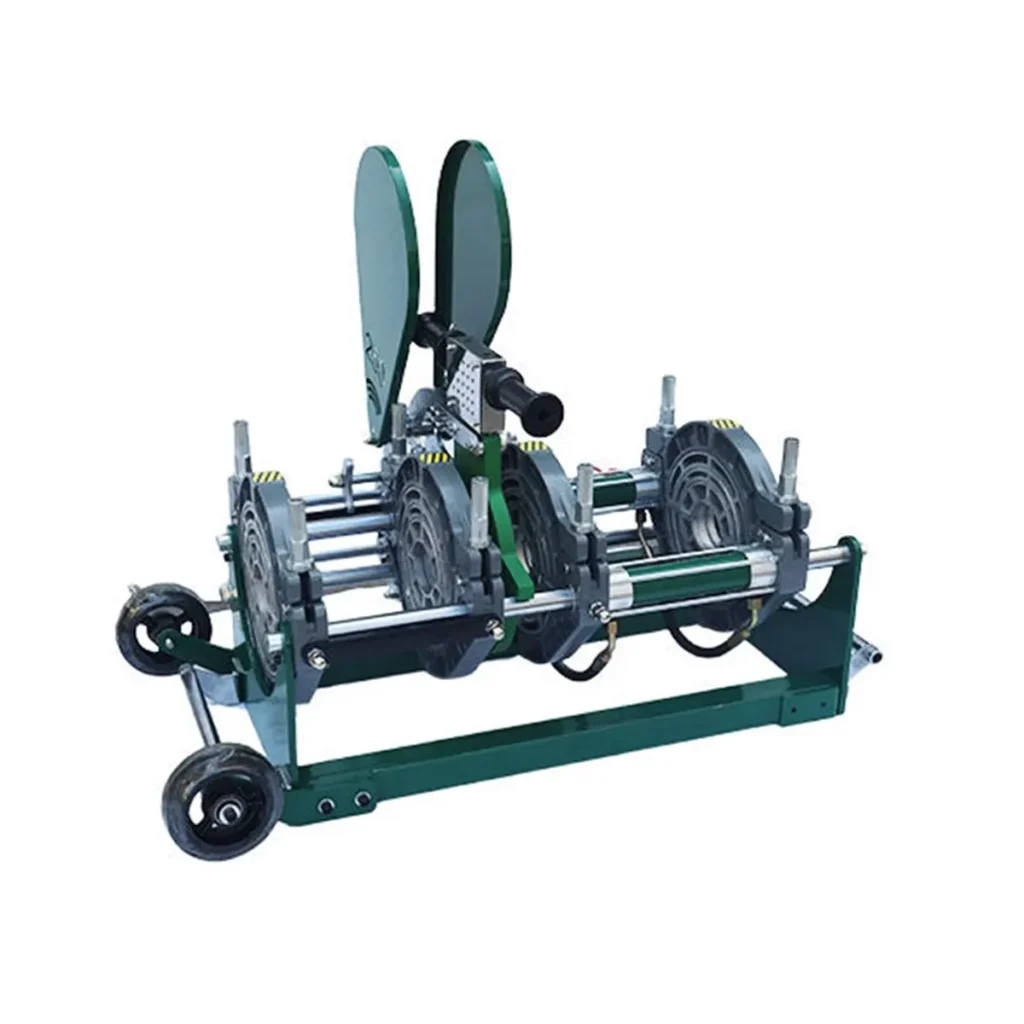
Canada’s infrastructure projects demand HDPE welding machines that deliver consistent, leak-free joints in harsh climates and remote locations. This guide explains how modern butt fusion solutions improve pipeline reliability across municipal water, gas distribution, mining, and rural development projects — and how to choose equipment that matches Canadian standards and field conditions.
Benefits of Professional HDPE Welding Machines for Canadian Projects
Reliability: Proper butt fusion equipment ensures long-lasting, homogenous joints that resist freeze-thaw cycles and ground movement common in many Canadian regions. Accuracy and repeatable heating control reduce rework and downtime.
Productivity: Automated and CNC models speed up large-diameter welding on municipal and industrial sites while manual and hydraulic units provide cost-effective flexibility for smaller or remote jobs.
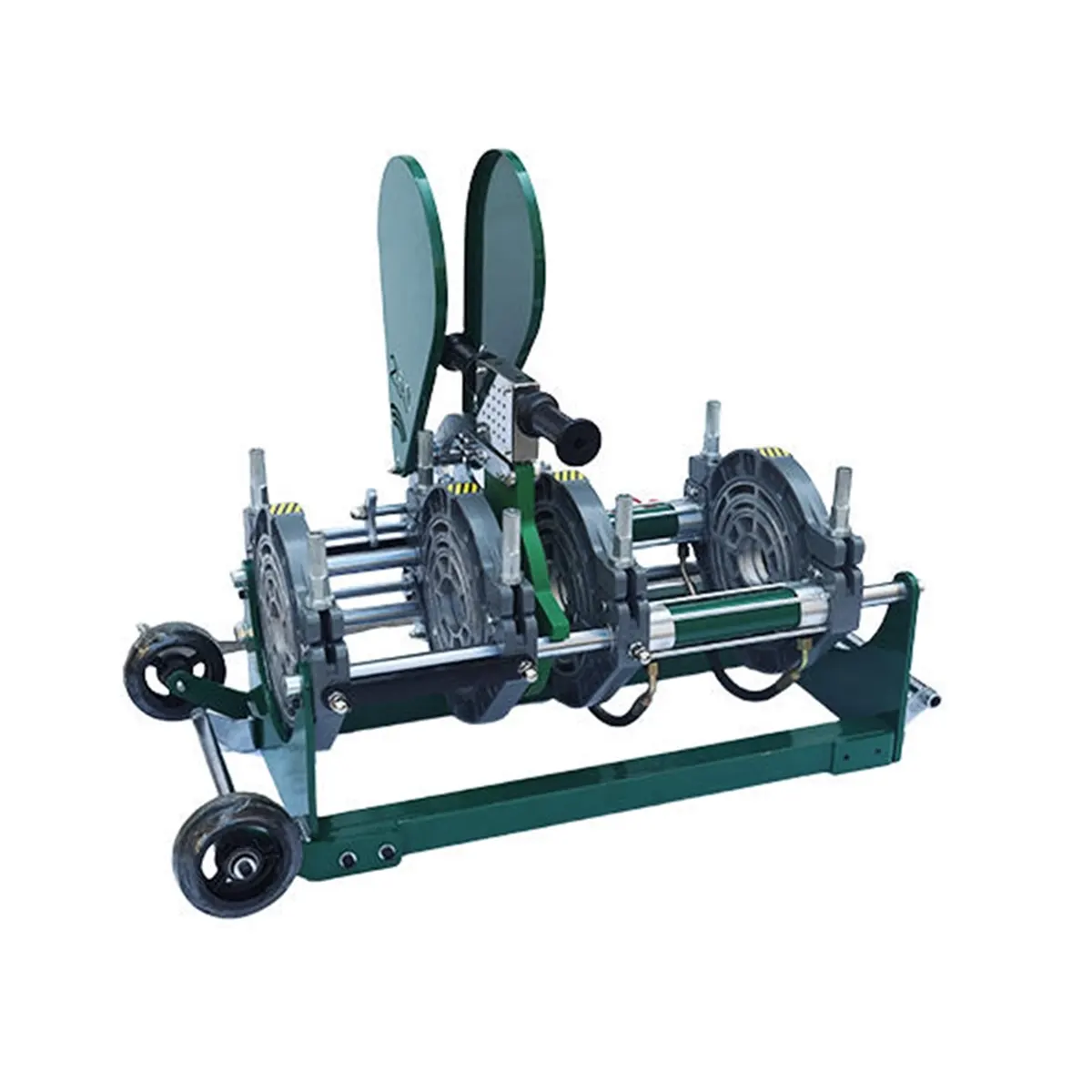
Core Machine Types and When to Use Them
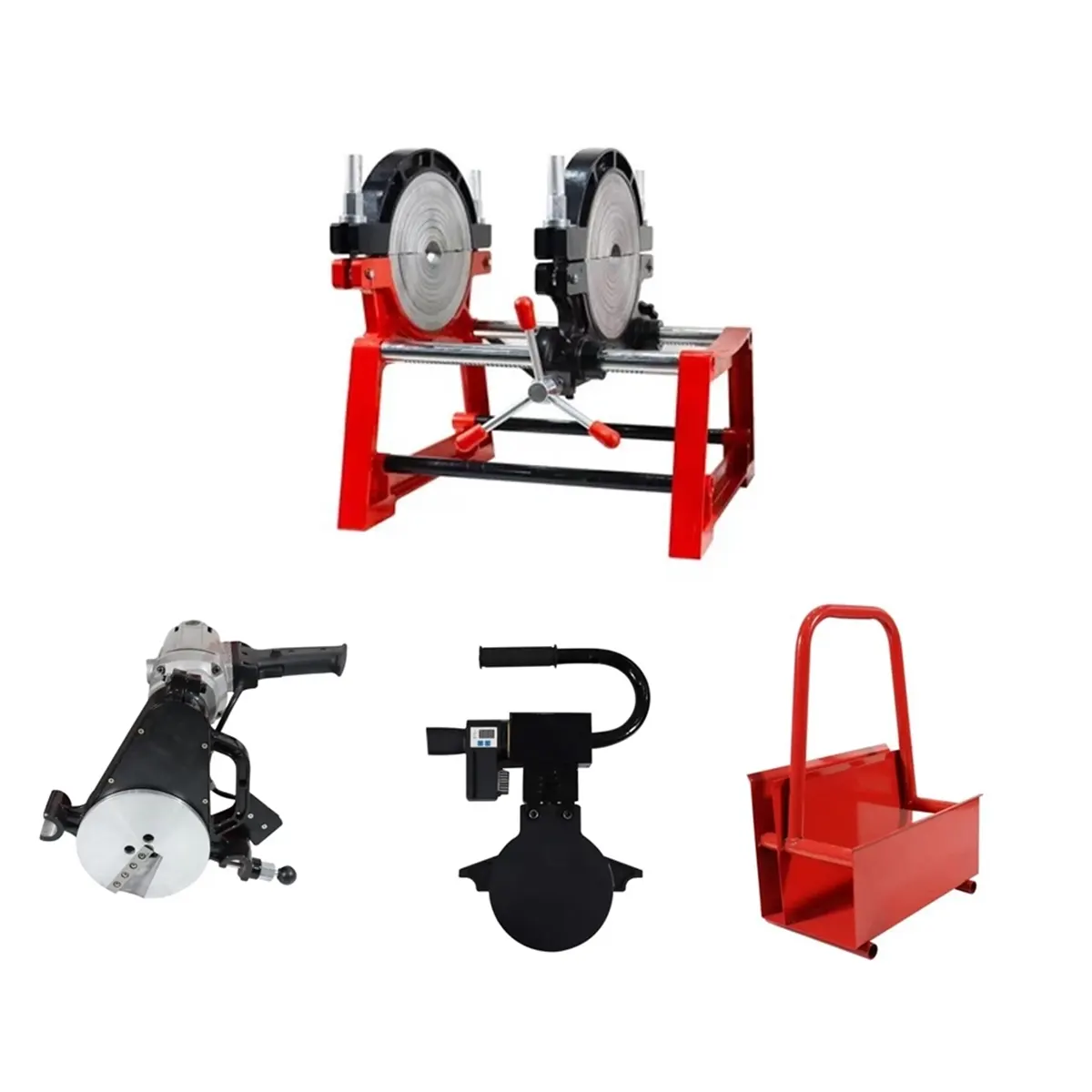
- Manual Butt Fusion – Best for small crews, tight budgets, and site work where portability matters.
- Hydraulic Butt Fusion – Suited for medium-to-large diameter pipes, offering stable clamping force and faster cycle times.
- Automatic / CNC Butt Fusion – Ideal for high-volume municipal and industrial projects where precision welding parameters and data logging are required.
Key Technical Advantages to Look For
- Precise temperature and pressure control for consistent fusion across ambient temperatures common in Canada.
- Robust clamp frames and corrosion-resistant components to withstand coastal and northern environments.
- Optional heating plate and preheating kits for sub-zero operations to reduce thermal shock.
- Data logging and traceability for regulatory compliance and quality assurance on large infrastructure projects.
Quick Comparison Table
| Model / Type | Pipe Range (mm) | Automation | Ideal Use |
|---|---|---|---|
| Manual Frame | 20–160 | None | Service lines, rural repairs |
| Hydraulic Unit | 160–800 | Semi | Municipal, industrial |
| CNC Automatic | 250–2000+ | Full | Large-diameter pipelines, high-volume works |
Selecting Equipment for Canadian Conditions
When choosing a welding machine for Canada, consider the jobsite environment: northern and alpine projects require insulated components and cold-start kits, coastal projects need corrosion-resistant finishes, and urban works benefit from compact, noise-controlled units. Verify that the machine supports traceable welding parameters and can store or export records to meet municipal procurement requirements.
Standards, Safety & Certification
Ensure compatibility with local codes and common standards such as CSA and ASTM specifications for HDPE piping and fusion practices. Field crews should follow recommended safety protocols for hot tools, high-pressure clamps, and electrical systems — especially when working in confined spaces or low temperatures.
Installation, Training & After-Sales Support
Reliable suppliers offer commissioning, operator training, and a parts network reachable across Canadian provinces and territories. Look for vendors that provide spare parts, on-call technical support, and maintenance guidance to keep welders operating during peak construction seasons.
Common Applications Across Canada
- Municipal water distribution and sewer rehabilitation
- Natural gas distribution and service line replacements
- Mining and heavy industry pipeline systems
- Rural and Indigenous community infrastructure upgrades
For tailored butt fusion solutions, parts availability, and expert guidance on models suited to Canadian climates and regulations, contact JQ-Fusion: https://jq-fusionwelding.com/



