
HDPE electrofusion welding machines are increasingly relied upon across Mauritius for building robust, leak-free pipelines in water supply, irrigation and coastal infrastructure. In a tropical island environment prone to humidity, salt air and occasional cyclones, electrofusion offers fast, durable joins with minimal excavation — a practical choice for municipal crews, private contractors and agricultural operations on the island.
Why electofusion works well in Mauritius
Corrosion resistance: HDPE joints created by electrofusion do not corrode like metal fittings, making them ideal for coastal and high-humidity locations found around Mauritius.
Reliable seals: Built-in heating elements fuse the pipe and fitting into a single homogeneous joint that stands up to shifting soils and heavy rains.
Minimal disruption: Electrofusion reduces digging time and the need for heavy equipment — a major advantage for busy urban centers like Port Louis and remote rural roads serving sugarcane fields.
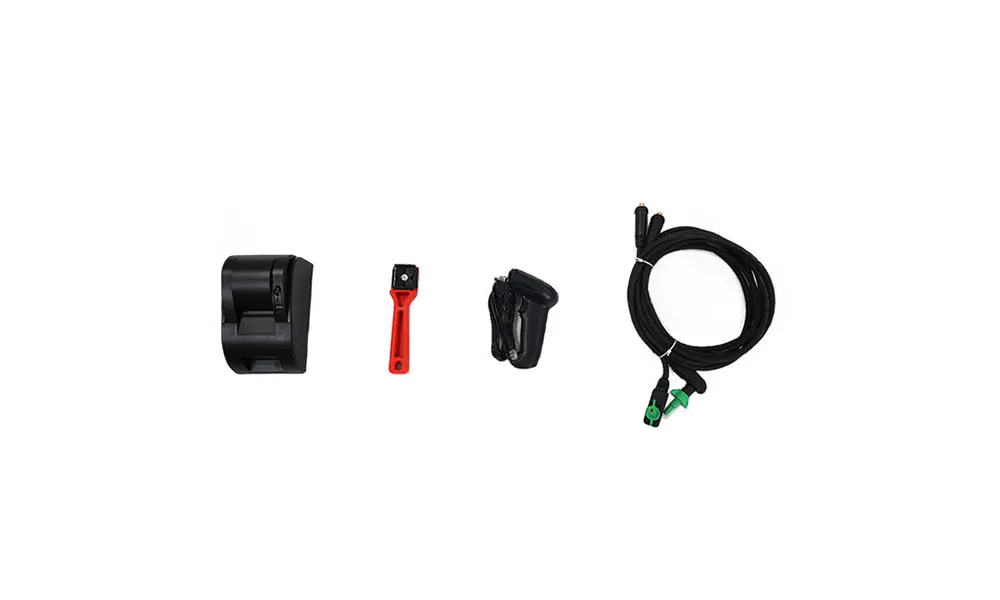
Key features to look for in an HDPE electrofusion welding machine
Digital control and data logging: Machines with stored welding parameters and QR-code reading of fittings help ensure every joint meets traceable quality standards.
Portable power options: Battery-backed or generator-compatible units allow field teams to work in rural districts and construction sites without steady grid access.
Weather tolerance: Choose equipment with IP-rated enclosures and temperature compensation to maintain weld quality during Mauritius’s humid and rainy seasons.
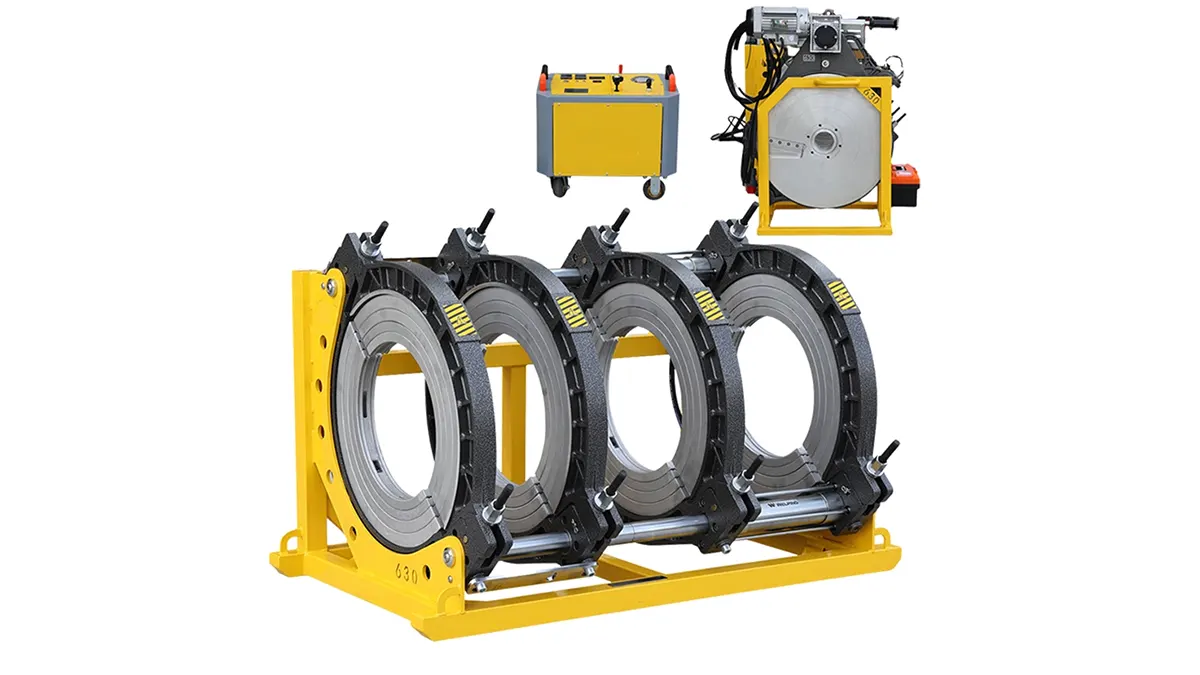
Common applications across the island
Municipal water distribution upgrades, potable water connections in expanding coastal developments, agricultural irrigation systems for sugarcane and horticulture, stormwater and wastewater lines, and industrial fluid transfers near port facilities all benefit from HDPE electrofusion technology. Its resistance to saltwater and chemical exposure is particularly useful for coastal projects and fisheries-related installations.
Selecting the right model — quick comparison
| Model | Pipe Range | Power | Best for |
|---|---|---|---|
| EB-160 | 20–160 mm | Battery / 220V | Household plumbing, small services |
| EB-250 | 160–250 mm | 220V / Generator | Irrigation laterals, small networks |
| EB-630 | 315–630 mm | Three-phase / Generator | Large water mains, sewer lines |
| EB-1000 | 630–1000 mm | Three-phase | Major trunk pipelines, industrial projects |
Installation & training tips for Mauritian crews
Prepare and protect the joint area: Keep mating surfaces clean and dry; temporary shelters or tarpaulins are useful during brief downpours common in the wet season.
Follow certified procedures: Use compatible electrofusion fittings, adhere to recommended heating cycles and record weld data for quality assurance required by utilities and contractors.
Local training: Invest in short on-site workshops for operators to master machine controls, fitting recognition and troubleshooting — this reduces rework and ensures long-lived pipelines.
About JQ-Fusion: a professional manufacturer specializing in HDPE pipe welding machines, offering manual, hydraulic and CNC automatic butt fusion solutions for a broad pipe size range and global infrastructure projects.
For quotes, technical specs, or to arrange a demo tailored to Mauritian project conditions, contact your equipment supplier or distributor and request machines with field-proven electrofusion control, robust weather sealing and data logging to meet island infrastructure demands.



