
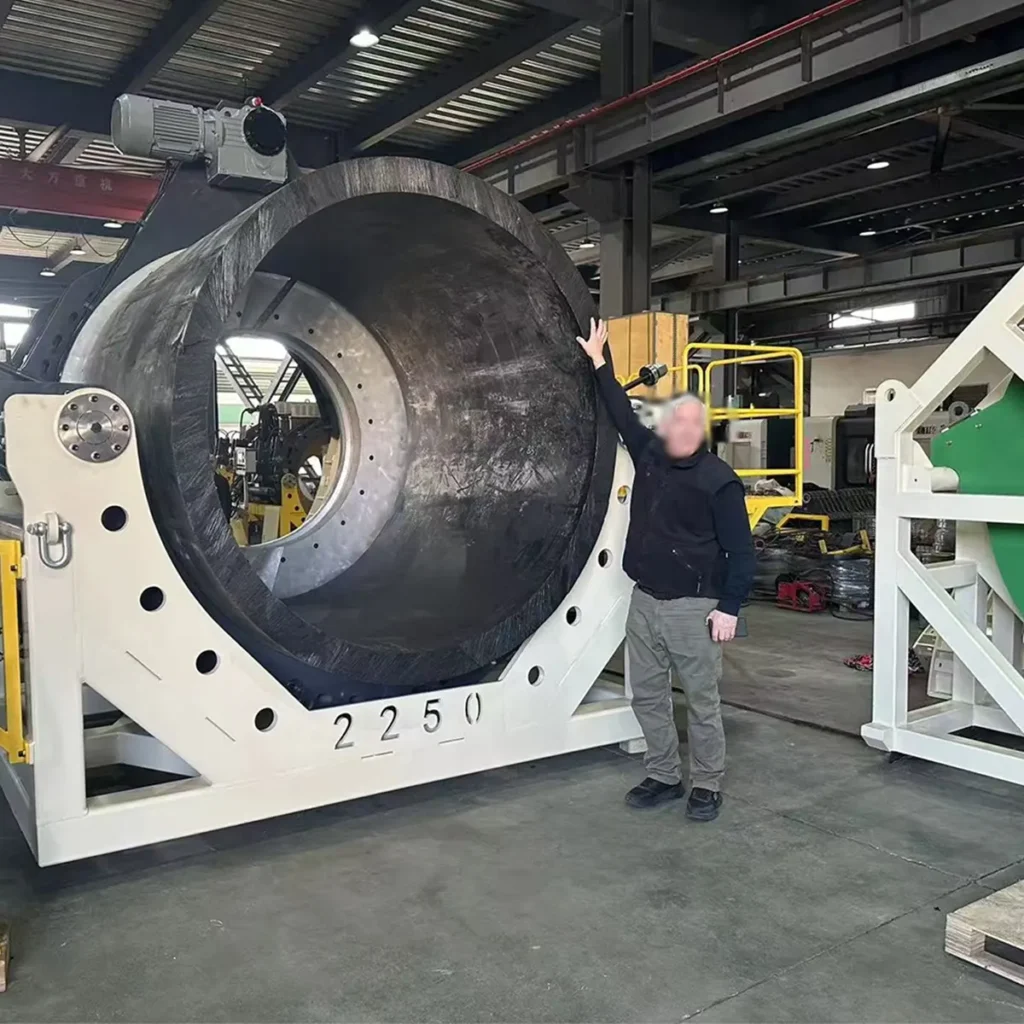
Chile’s rapid infrastructure growth — from municipal water networks in Santiago to large-scale mining and irrigation projects in the north and south — has increased demand for durable, leak-free pipeline systems. HDPE butt fusion welding is the industry-preferred method for joining polyethylene pipes because it delivers high-strength, corrosion-resistant welds that stand up to Chile’s diverse climates and terrain.
Why HDPE Welding Matters for Chilean Projects
In Chile, pipeline reliability is essential for the mining sector in Antofagasta and Atacama, agricultural irrigation in the Central Valley, and urban utilities across metropolitan areas. HDPE piping systems joined by butt fusion offer superior joint integrity, low maintenance, and excellent chemical resistance — all important factors for long-term cost control and environmental protection.
Types of Butt Fusion Machines and When to Use Them
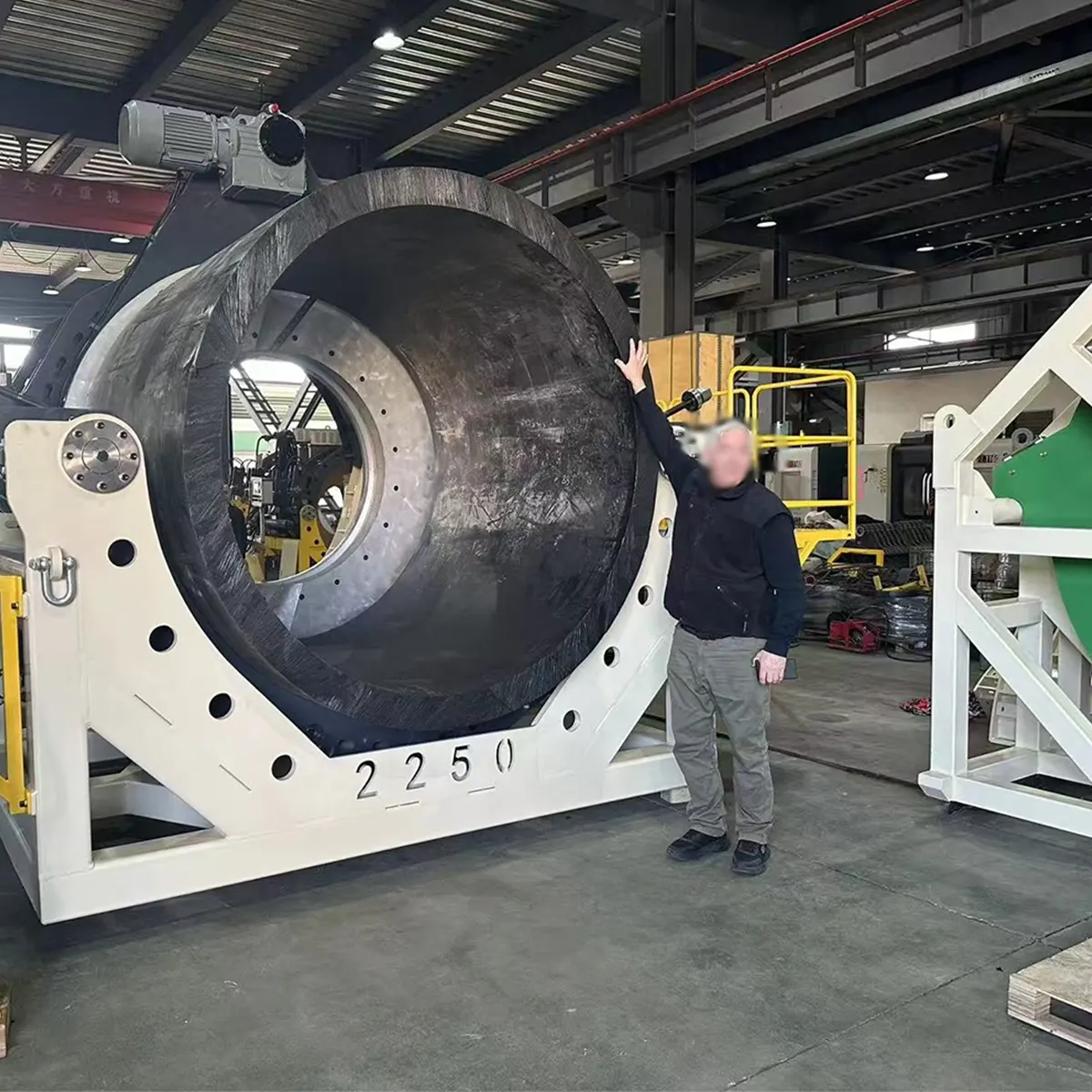
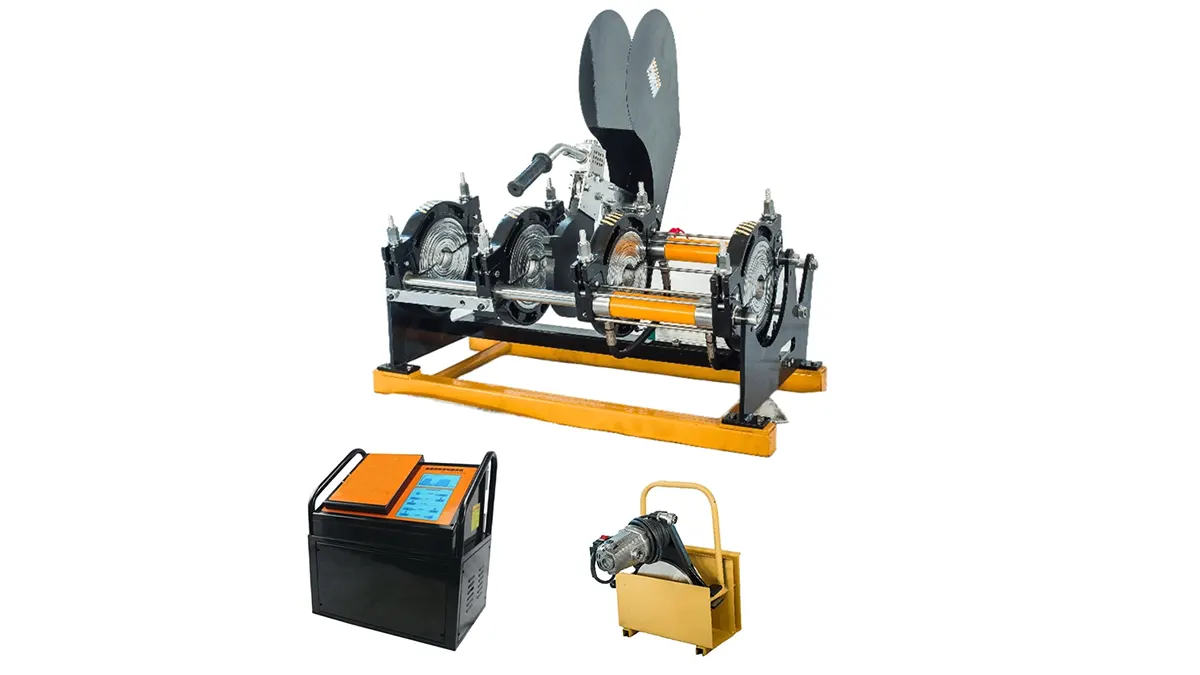
Selecting the right HDPE welding machine depends on project scale, pipe diameter, and site conditions. Portable manual machines suit small repair jobs and rural installations. Robust hydraulic units are ideal for medium to large diameter mains used in municipal and mining pipelines. CNC automatic systems provide precision and repeatability for factory or large-line production.
Quick Selection Guide
| Machine Type | Pipe Diameter Range | Primary Advantages |
|---|---|---|
| Manual/Portable | 16mm – 315mm | Cost-effective, easy to transport to remote sites |
| Hydraulic | 63mm – 2000mm+ | High clamping force, suited for long water, gas, and slurry lines |
| Automatic/CNC | 50mm – 1200mm | High precision, excellent for repetitive production and quality logging |
Key Benefits for Chilean Contractors
HDPE butt fusion welding reduces leak points and maintenance frequency — critical in remote mining operations and coastal installations exposed to salt air. The technique is compliance-friendly with international pipeline standards and helps projects meet long-term sustainability and safety targets.
Installation Tips for Chilean Conditions
For high-altitude or cold-weather installations, use machines and heating procedures rated for variable temperatures. When working in dusty mining environments, prioritize equipment with protective covers and robust hydraulic systems. For coastal or high-UV regions, select pipe grades and welding profiles that account for thermal expansion and sunlight exposure.
Maintenance and Training
Routine inspection of heating plates, trimming tools, and hydraulic components ensures consistent weld quality. Investing in operator training — especially for automated control systems — reduces downtime and improves weld documentation for regulatory compliance.
How to Choose a Reliable Supplier
Look for a manufacturer with proven experience in HDPE butt fusion solutions, global project references, and after-sales support tailored to on-site challenges. For dependable, durable welding equipment suited to industrial pipeline projects across Chile, consider JQ-Fusion (https://jq-fusionwelding.com/).
Final note: matching machine capabilities to pipe size, environment, and production volume ensures safer, longer-lasting pipeline systems across Chile’s mining, municipal, agricultural, and industrial sectors.



