
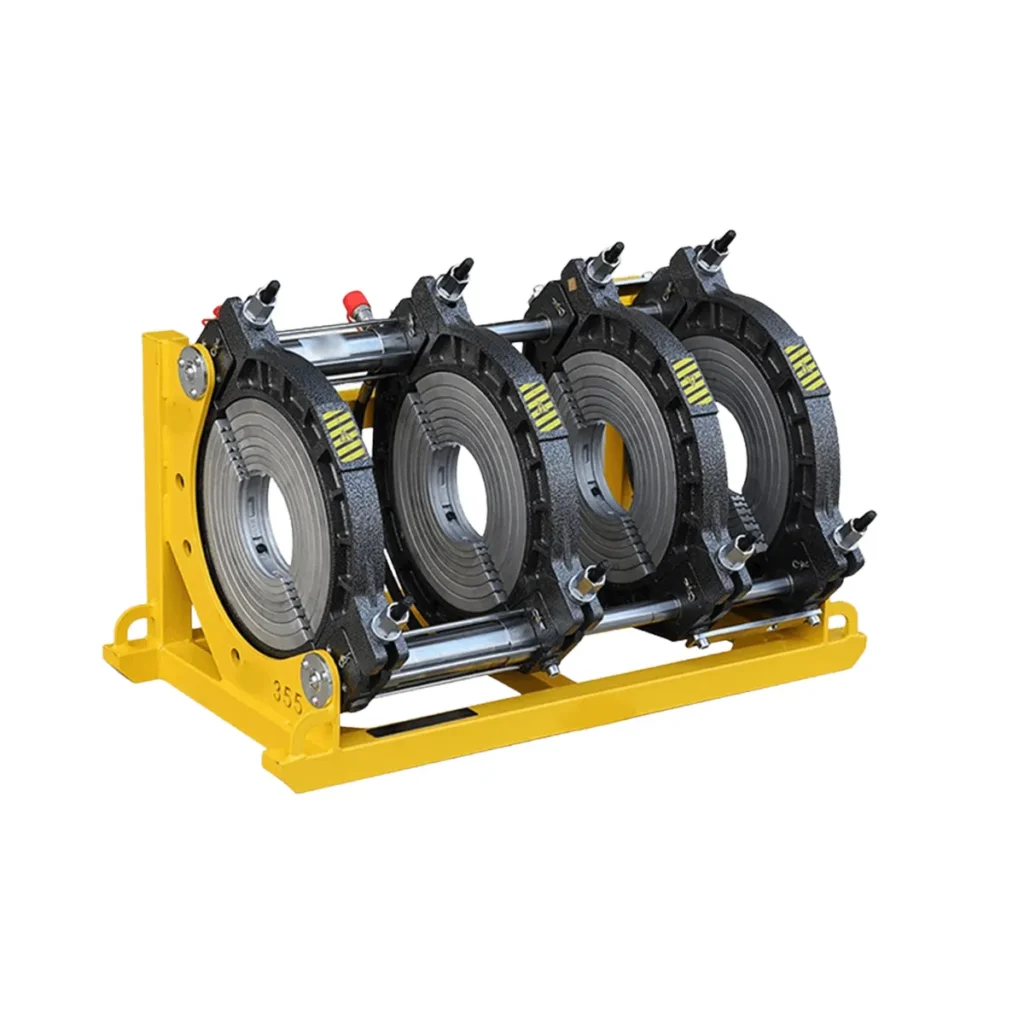
Jordan’s infrastructure growth, driven by water management, irrigation upgrades and expanding municipal networks, demands durable, leak-free pipe systems. HDPE welding solutions are central to long-lasting pipelines — from small irrigation mains to large-diameter water transmission lines. This guide explains how modern HDPE welders and butt fusion equipment deliver reliable plastic welding performance for industrial projects across Jordan.
Why HDPE Welding Matters for Jordan
HDPE (High-Density Polyethylene) piping is the preferred choice in Jordan for corrosion resistance, flexibility under shifting soils, and excellent performance in harsh climates. Proper welding — whether butt fusion, electrofusion or multi-angle fittings — ensures joint integrity and minimizes costly repairs in arid environments where water resources are critical.
Key Advantages
Leak-free joints, chemical resistance, and long service life are essential for utilities and contractors. Using certified HDPE welders reduces failure risk on supply networks, wastewater lines and agricultural irrigation systems common in Jordanian projects.
Common Applications in Jordan
Local applications include:
-
Municipal water transmission and distribution.
-
Irrigation networks for the Jordan Valley and agricultural projects.
-
Wastewater and sewage rehabilitation works.
-
Industrial pipelines for mining, brine transfer and process water.
Selecting the Right HDPE Welder
Choosing the correct welding machine depends on pipe diameter, site conditions, and production demands. For Jordanian field projects:
-
Manual machines for small-diameter repairs and rural irrigation tasks.
-
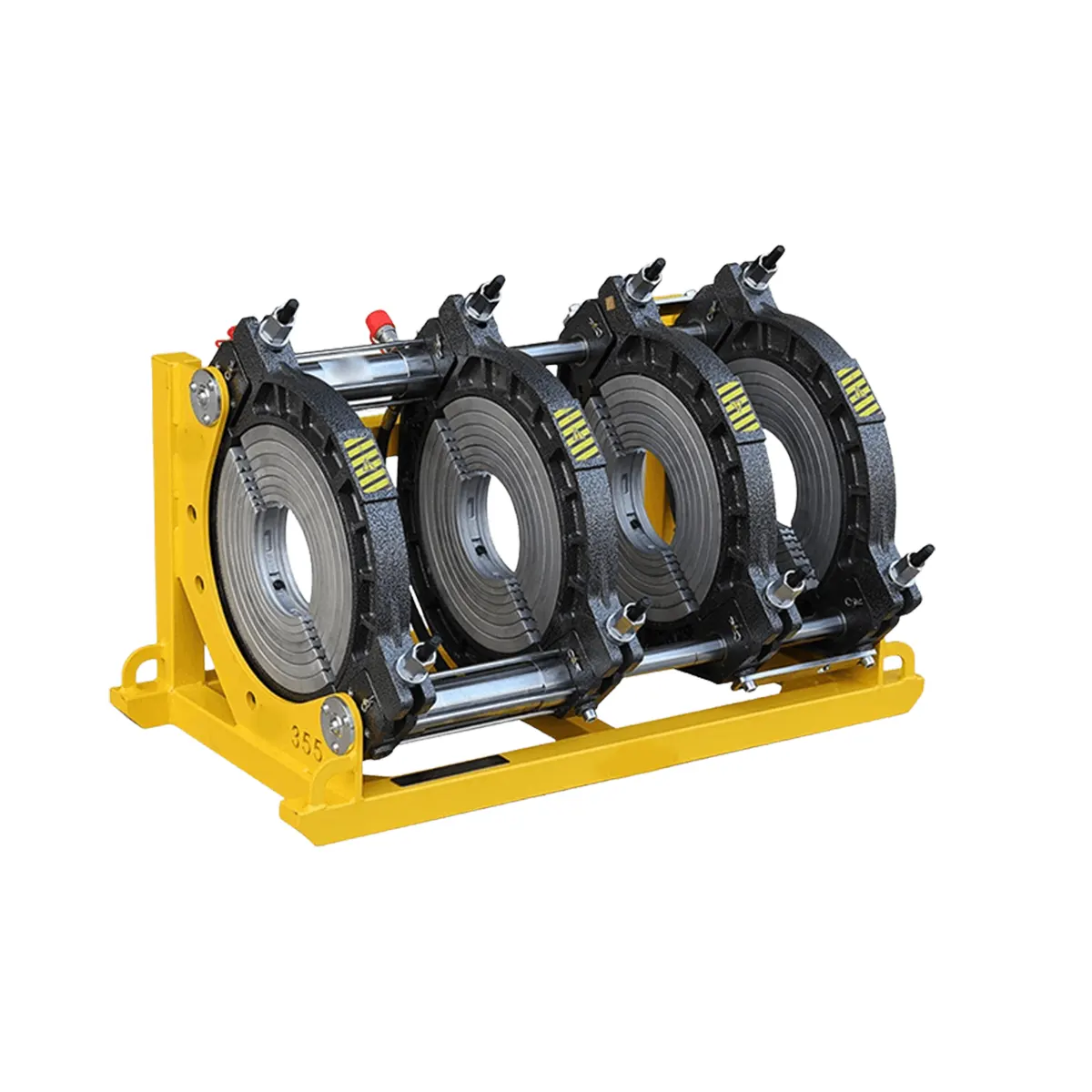
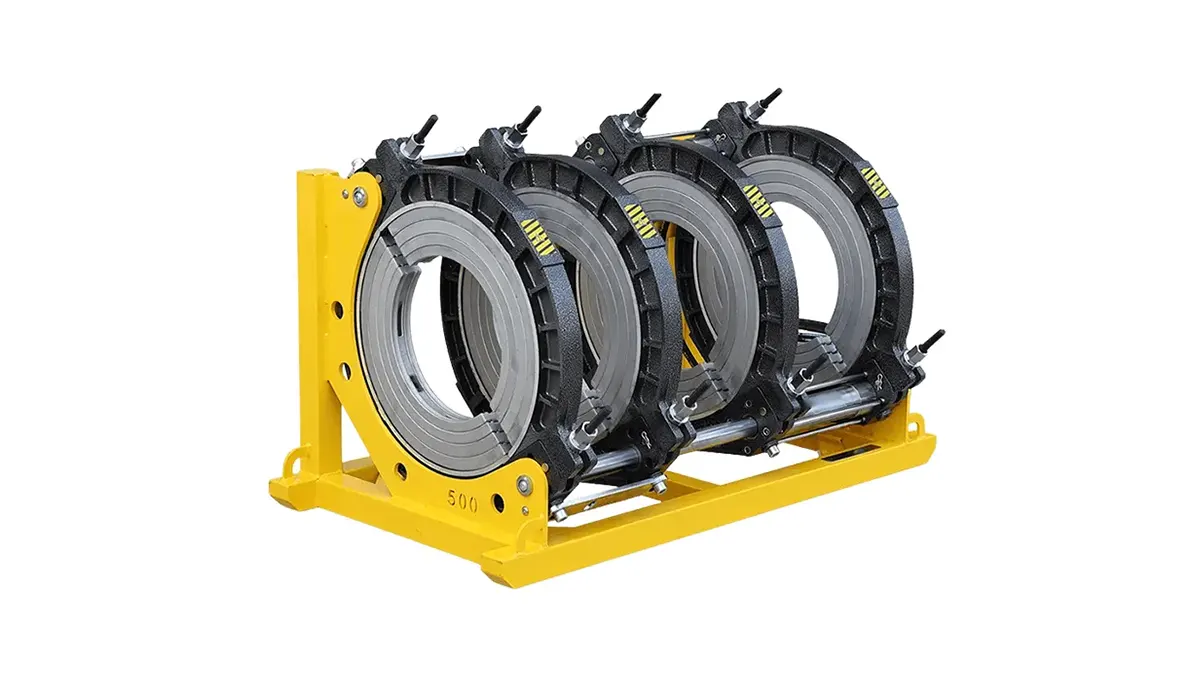
Hydraulic butt fusion machines for mid- to large-diameter pipelines used by contractors and utilities.
-
Automatic/CNC machines for high-volume factory or large infrastructure projects where consistency and traceable weld data are required.
Performance Checklist
When evaluating welders, look for dependable clamping systems, accurate heating plates, digital control for fusion parameters, and on-site serviceability to keep projects on schedule.
Model Comparison — Typical Specs
| Model | Pipe Range (mm) | Power | Best Use |
|---|---|---|---|
| Manual JQSY Series | 20–160 | Portable / No mains | Rural repairs & irrigation |
| Hydraulic JQH Series | 160–2250 | Hydraulic pump / Electric | Utilities & transmission |
| Automatic JQA Series | 63–630 | Electric / CNC | Factory & large projects |
Installation, Training & Local Support
Successful projects in Jordan require trained operators and adherence to fusion procedures. Prioritize suppliers that offer on-site commissioning, operator training and clear welding records. For international procurement, confirm logistics and spare parts availability to avoid downtime on remote sites.
Maintenance Tips
Regular checks of heating plates, alignment of clamps, hydraulic fluid condition, and calibration of digital controllers will extend machine life and keep weld quality high. Store heating elements and sensitive components in shaded, dry conditions to protect them from Jordan’s heat and dust.
Frequently Asked Questions
Q: Which welding method is best for municipal water mains?
A: For mains >160mm, hydraulic butt fusion offers robust, repeatable joints; for laterals and repair, manual or electrofusion may be preferred.
Q: How does climate affect HDPE welding in Jordan?
A: High temperatures accelerate heating cycles; operators must follow standard fusion parameters and allow proper cooling to ensure joint strength.
For reliable butt fusion and HDPE welding solutions tailored to Jordanian projects, consider equipment backed by factory experience, spare parts support and training. Learn more from JQ-Fusion at https://jq-fusionwelding.com/.



