
As Libya invests in rebuilding water, gas and industrial pipelines, choosing the right HDPE welding equipment is critical for long-term network performance. Reliable butt fusion and electrofusion machines help contractors and utilities deliver strong joints that resist Libya’s high temperatures, sand exposure and remote installation conditions.
Why HDPE Welding Matters in Libya
HDPE pipes are increasingly used across Libya for potable water, irrigation offshoots from the Great Man-Made River, gas distribution and oilfield utility lines. Their corrosion resistance, flexibility and ease of transport suit desert and coastal projects. However, weld quality is the deciding factor for leak-free systems — making robust welding machines and trained operators essential.
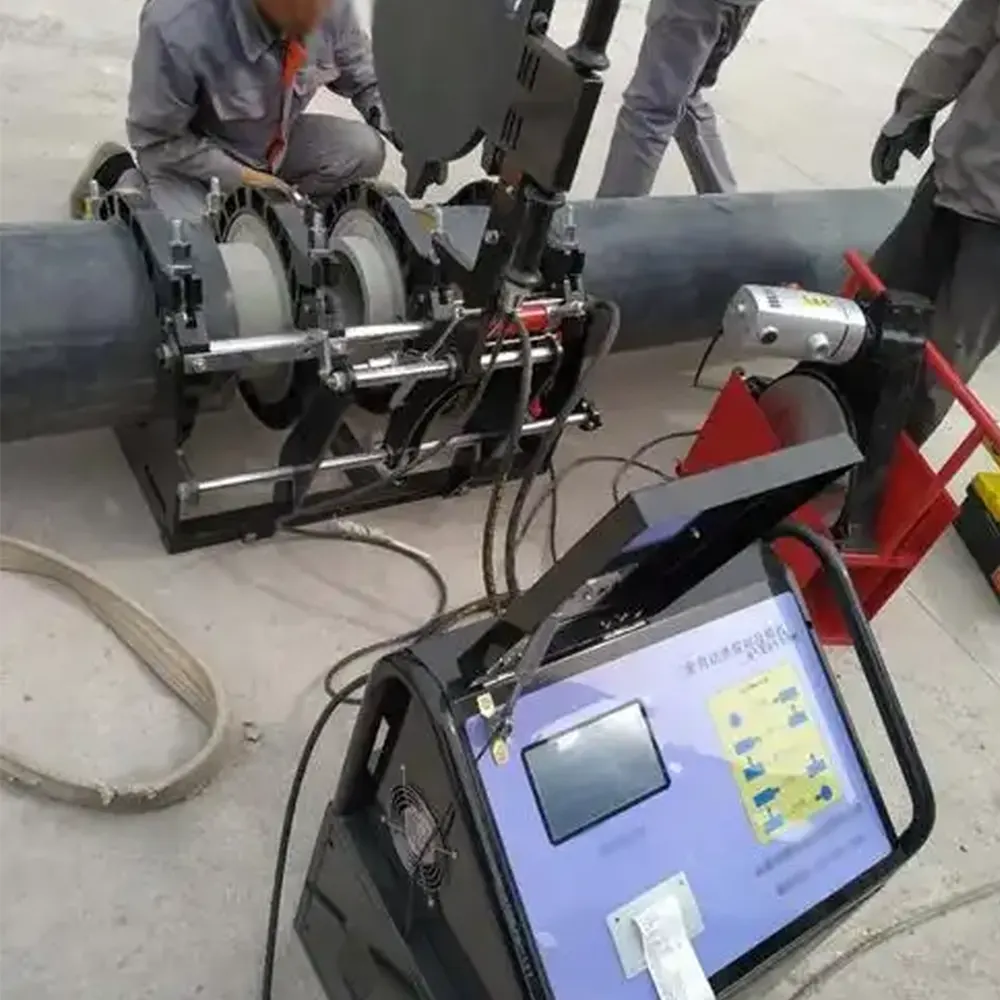
Key Machine Types
Suppliers typically offer a range of solutions to match project scale and field conditions:
Manual Butt Fusion
Ideal for small-diameter repairs and sites with limited power. Lightweight and portable for remote desert locations.
Hydraulic Butt Fusion
Provides consistent pressure for medium to large diameters, common in municipal and industrial pipeline construction.
Automatic / CNC Butt Fusion
Best for large-diameter mains and high-volume projects where repeatable, documented welds are required. Built-in controls reduce operator variability.
Electrofusion
Used for fittings, service connections and taps; strong in constrained spaces and suitable for urban repair work.
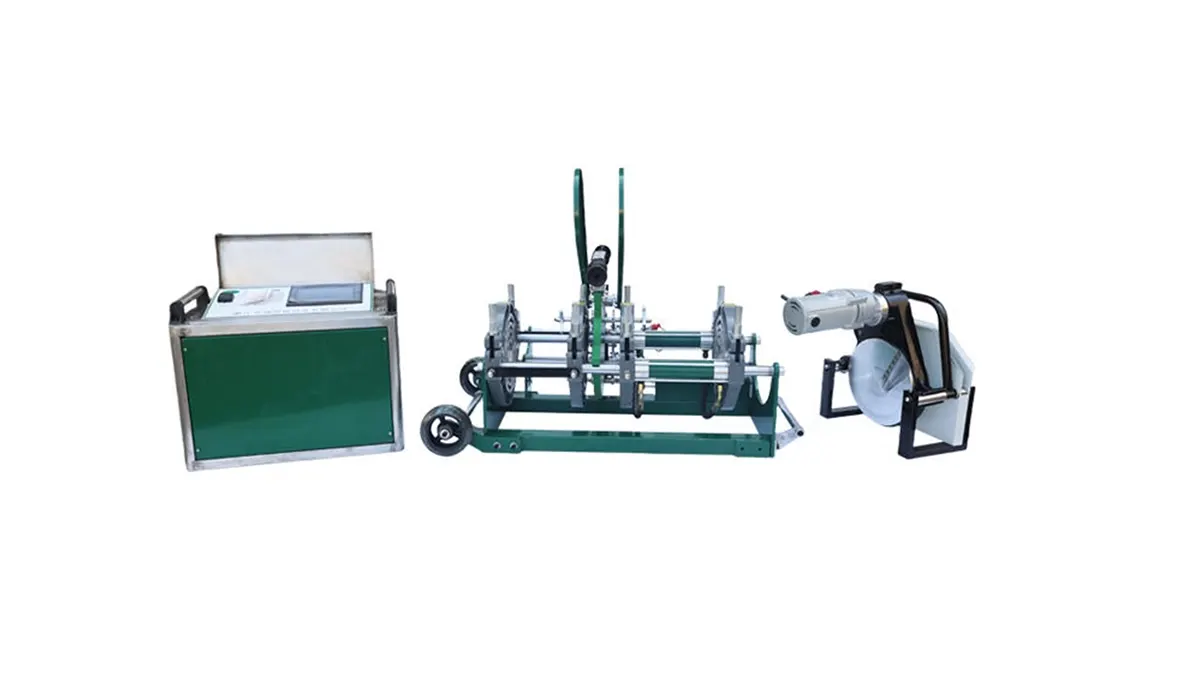
Quick Selection Guide
When selecting welding equipment for Libyan projects, consider:
- Pipe diameter range — match machine clamping range to project pipe sizes.
- Power availability — diesel generators or battery options for sites without stable grid power.
- Portability — desert and remote coastal sites require machines that are easy to transport and assemble.
- Documentation & controls — automatic modes and data logging help meet regulatory and owner requirements.
Machine Comparison
| Type | Typical Diameter | Best For | Advantages |
|---|---|---|---|
| Manual Butt Fusion | 20–160 mm | Small repairs, service lines | Lightweight, low cost, portable |
| Hydraulic Butt Fusion | 110–1200 mm | Municipal mains, industrial lines | Higher pressure control, consistent welds |
| Automatic / CNC | 63–2250 mm | Large-diameter trunk pipelines | Repeatability, data logging, precision |
Practical Tips for Libyan Conditions
Protect welds from dust and sand: set up windbreaks or temporary enclosures for fusion operations during sandstorms. Use clean surfaces and tools to avoid inclusions. High ambient temperatures accelerate heating cycles — follow equipment guidance for cooling times to prevent weak joints.
Water scarcity and logistics: plan site water supply for joint inspection and post-weld cleaning. Prioritize portable equipment and compact tooling when access roads are limited or during night shifts to avoid daytime heat.
Maintenance & Spare Parts
Choose suppliers who provide local or regional spare parts and offer remote technical support. Common spare items include heating plates, hydraulic hoses, clamps and control electronics. Preventive maintenance schedules extend machine life under harsh conditions.
Training, Certification & Quality Assurance
Invest in operator training and welding procedure qualification. For public infrastructure and oil & gas projects, documented weld records and traceability are often required. Certified training reduces rework and ensures safety on site.
Why Partner with a Reliable Supplier
Working with an experienced manufacturer helps Libyan contractors get machines tailored to project needs, backed by quality control and after-sales service. JQ-Fusion offers a full range of manual, hydraulic and automatic butt fusion welding machines covering small to large diameters, with global support and customizable solutions. Visit JQ-Fusion for product details and service options.
Local Projects That Benefit
Typical applications in Libya include potable water networks, irrigation branches, gas distribution to urban centers, and industrial pipeline repairs in oilfield facilities. Robust HDPE welding machines reduce the risk of leaks and downtime, especially important for critical utilities in remote regions.
Next Steps
If you’re planning a pipeline installation or seeking durable repair solutions, evaluate machines by diameter capability, portability and data control. Request machine specifications, welding procedure examples and spare-parts availability to ensure long-term success in Libya’s demanding environment.



