
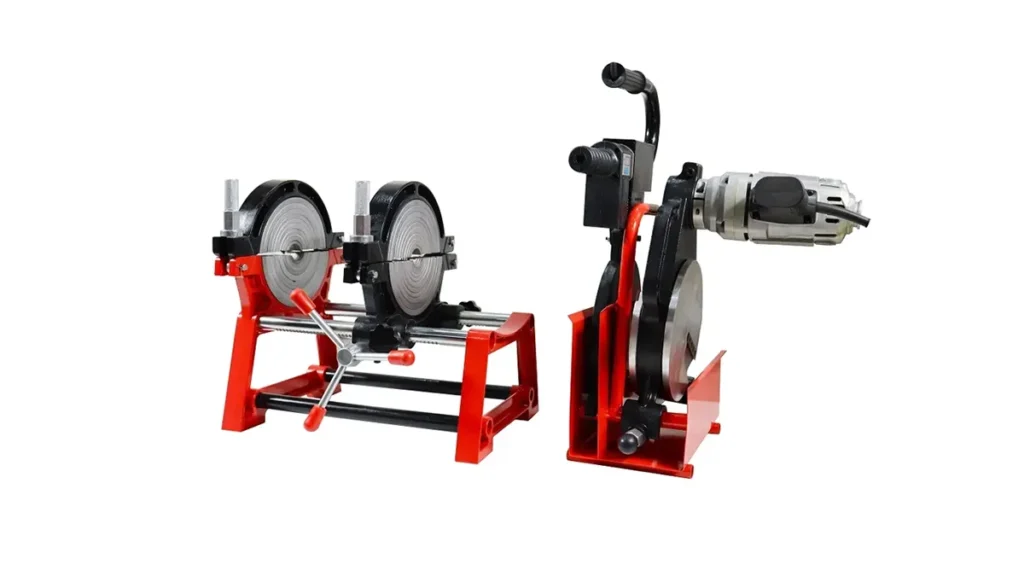
Butt fusion welding machines are a vital part of large-scale pipeline construction across the Democratic Republic of the Congo (DR Congo). From urban water networks in Kinshasa to gas and mining pipelines in Katanga and Kivu, reliable butt welder solutions improve joint strength, reduce leakage risk, and speed up installation in challenging environments.
Why butt fusion welding matters in DR Congo
Projects in DR Congo face heavy-duty requirements: long-distance pipes, remote job sites, high humidity, and variable power supply. Proper butt fusion equipment delivers consistent HDPE pipe joints, excellent chemical resistance, and low maintenance — all essential for potable water, irrigation, mining slurry lines, and gas distribution networks.
Types of machines suited for industrial use
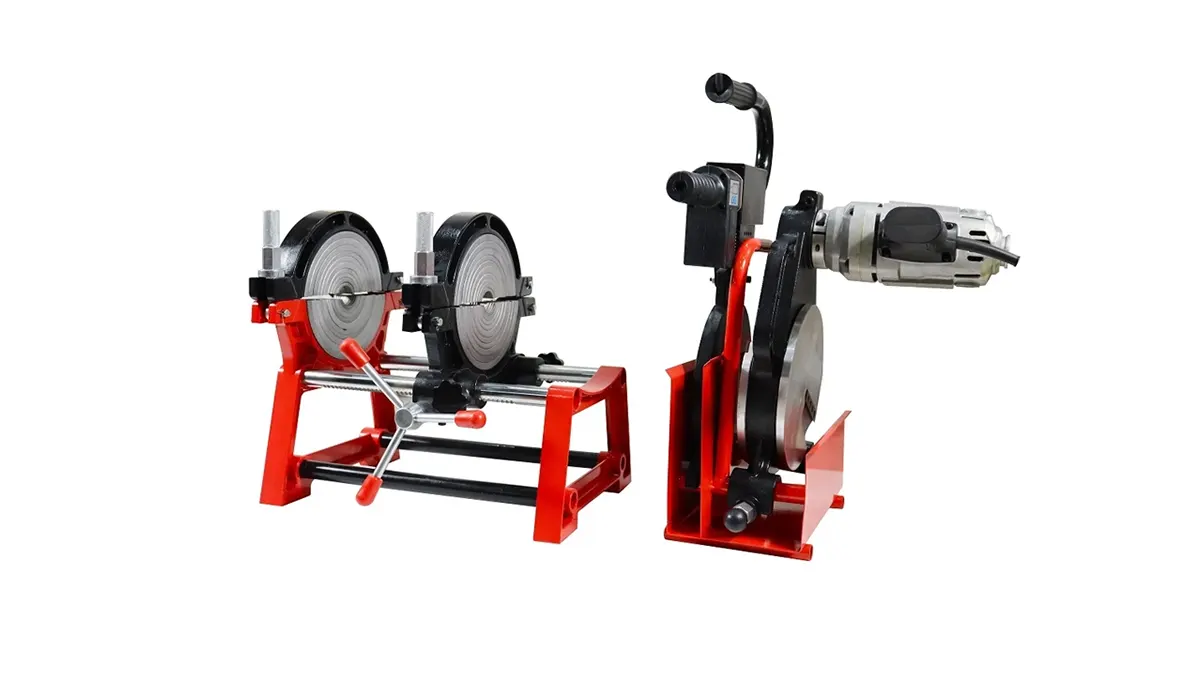
Manual Butt Fusion
Compact, easy to transport, and ideal for smaller diameter pipelines or field repairs. Manual units are cost-effective for regional contractors who need flexible, dependable equipment for scattered sites.
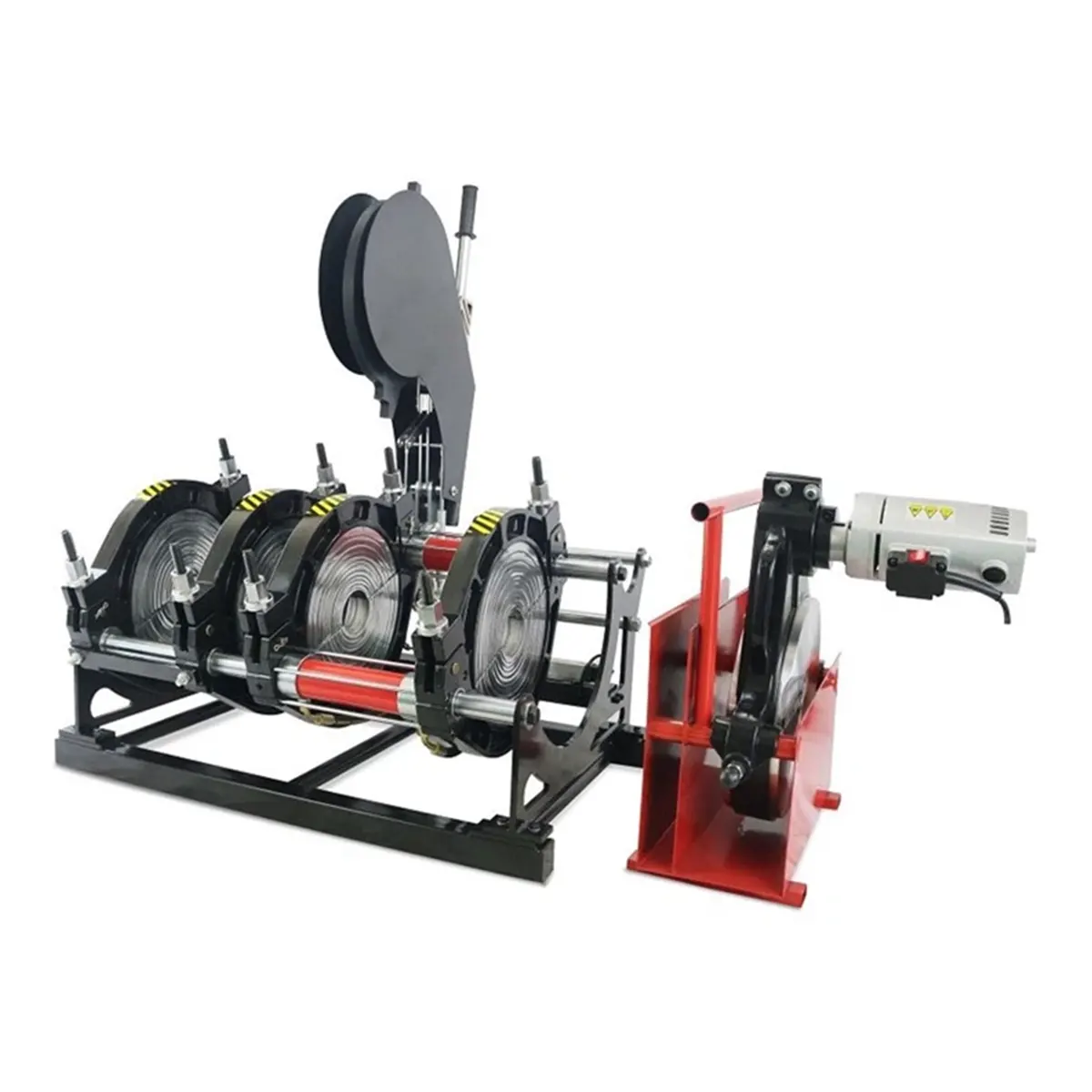
Hydraulic Butt Fusion
Hydraulic frames provide controlled, high-force joining for medium to large diameter pipes. These are commonly used in mining operations and major water supply projects where heavy-duty performance and precise pressure control are required.
CNC/Automatic Butt Fusion
Automatic machines raise efficiency and traceability with digital control of heating, fusion time, and pressure. They are the best choice for long-run pipeline fabrication yards and contractors focused on repeatable, documented weld quality.
Model comparison — quick reference
| Machine Type | Typical Diameter Range | Best For |
|---|---|---|
| Manual (e.g., 2m frames) | 20mm – 630mm | Small repairs, rural networks |
| Hydraulic (e.g., 315–1200mm frames) | 110mm – 2250mm | Large-diameter pipelines, mining |
| Automatic CNC (precision control) | 63mm – 1600mm+ | High-volume fabrication, documentation |
Local considerations when selecting equipment in DR Congo
Successful deployment depends on more than machine specs. Consider site access, transport on poor roads, on-site power (generators vs grid), and climate effects on heating plates. In mining regions, dust and abrasive conditions require robust frames and accessible maintenance points. Language and training preferences (French, Lingala, Swahili) should guide operator manuals and on-site instruction.
Operational checklist for contractors
- Power planning: confirm generator capacity for hydraulic or automatic units.
- Spare parts: ensure availability of heating plates, clamps, and seals.
- Training: schedule operator certification in the chosen fusion method.
- Mobility: choose frames that match road and site access constraints.
- Documentation: digital weld logs for quality assurance on large projects.
Service, customization and support
For international infrastructure projects requiring durable, customizable welding equipment and responsive support, JQ-Fusion offers a range of manual, hydraulic, and CNC automatic butt fusion machines tailored to HDPE pipelines. Their production capabilities include machines for small to very large diameters, plus spare parts and field training packages suitable for remote DR Congo sites.
Next steps for procurement teams in DR Congo
Identify project-specific needs (diameter, throughput, power), request detailed specifications, and plan for a local training and spare-parts strategy. Arrange a site visit or remote consultation early to match equipment to the operational realities of Kinshasa, Lubumbashi, Goma, and other regions.



