
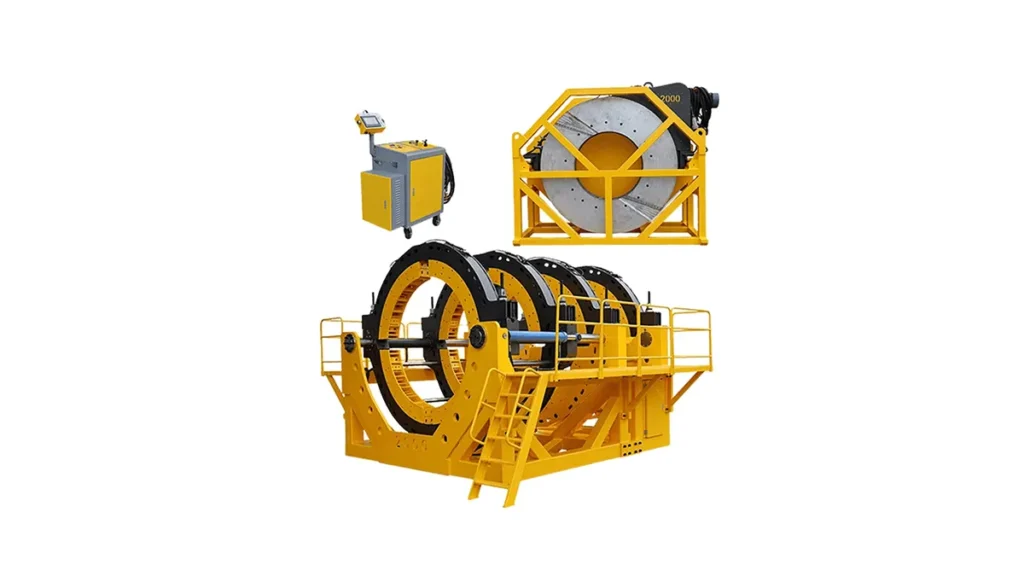
As Tajikistan invests in water supply, irrigation, gas distribution and mining pipelines, reliable HDPE welding equipment is essential for building durable infrastructure. This guide explains why the right butt fusion and electrofusion machines matter for projects across Tajikistan’s mountainous regions, remote valleys and growing urban centers.
Why HDPE Welding Matters in Tajikistan
HDPE pipes offer corrosion resistance, flexibility and long service life — ideal for Tajikistan’s varied climate, from cold highlands to warm river basins. Proper fusion welding ensures leak-free joints that withstand frost, seismic shifts and long-term soil movement. For municipal waterworks, irrigation schemes and gas networks, quality welding equipment reduces rework, improves safety and lowers lifecycle costs.
Types of HDPE Welding Equipment
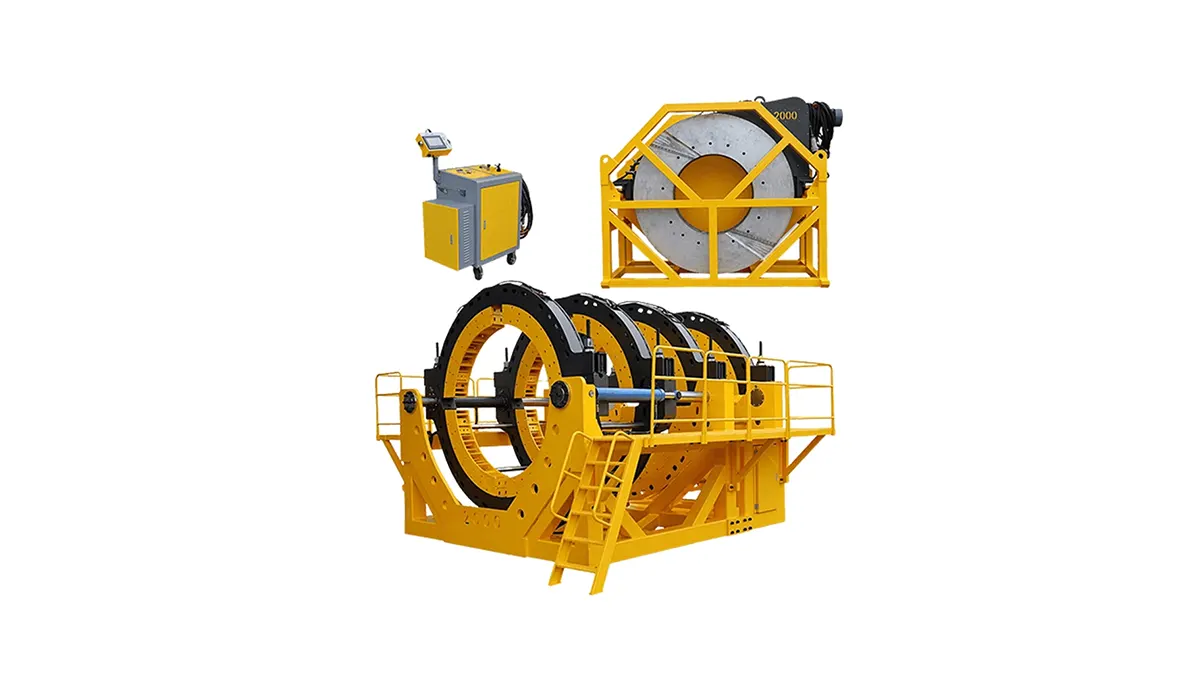
Contractors and utilities in Tajikistan commonly choose among manual, hydraulic, automatic (CNC) butt fusion machines and electrofusion units. Each type serves different job scales — from small field repairs near remote irrigation canals to large-diameter trunkline fabrication at staging yards.
| Machine Type | Typical Range (mm) | Best For | Portability |
|---|---|---|---|
| Manual Butt Fusion | 20–800 | Small sites, repairs, irrigation channels | High |
| Hydraulic Butt Fusion | 63–2250 | Large-diameter mains, industrial pipelines | Moderate |
| Automatic / CNC | 63–2250 | High-precision, long runs, factory assembly | Low |
| Electrofusion | 20–630 | Service connections, repair couplers, tight spaces | Very High |
Selecting the Right Machine for Tajik Projects
Site conditions in Tajikistan often dictate machine choice. For mountainous, remote pipeline routes select portable units that are easy to transport by 4×4 or even pack animals for the last mile. For regional water or gas trunklines, hydraulic or CNC automatic machines provide the precision and force needed for diameters up to 2250 mm. Consider available power sources, expected temperature ranges and the need for quick field repairs when deciding between butt fusion and electrofusion.
Installation, Training and Local Considerations
Skilled operators make the difference: schedule onsite training for weld procedures, machine operation and safety. Tajik contractors benefit from machines that include clear manuals and intuitive controls, especially when operating in harsh weather. Factor in customs, transit time and delivery routes — as a landlocked nation, Tajikistan often relies on overland freight through neighboring Central Asian hubs. Ensure spare parts availability and planned service intervals to minimize downtime.
Maintenance & Best Practices
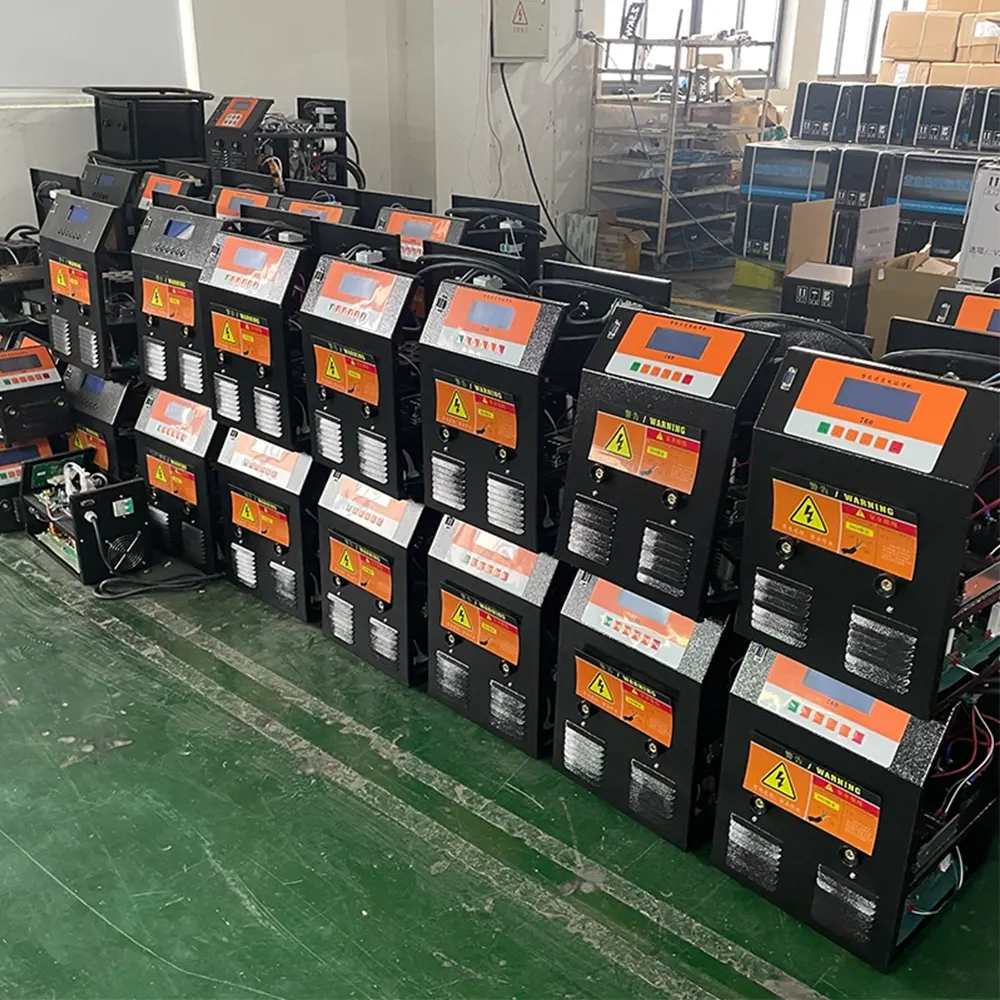
Routine maintenance keeps weld quality consistent: keep heating plates clean and scratch-free, verify clamp alignment before each joint, record fusion parameters and ambient conditions, and calibrate your machine regularly. In cold months protect equipment from freezing and use pre-heating where specified. A robust maintenance plan reduces joint failures and extends machine lifetime.
Certifications & Quality Assurance
Choose machines that meet international standards and come with traceable test reports for heating plates, pressure systems and control units. Factory-tested equipment and documented QA provide confidence for public works tenders and large industrial contracts.
Quick Procurement Checklist
| Item | Notes |
|---|---|
| Pipe diameter range | Match machine to project diameters (20–2250 mm available) |
| Portability | Consider access to remote valleys and mountain roads |
| Support & parts | Verify spare parts lead time and local distributor support |
| Training | Operator courses and on-site assistance recommended |
If you need reliable, durable and customizable HDPE welding solutions for projects in Tajikistan, visit JQ-Fusion to explore machine options, specifications and support services.



