
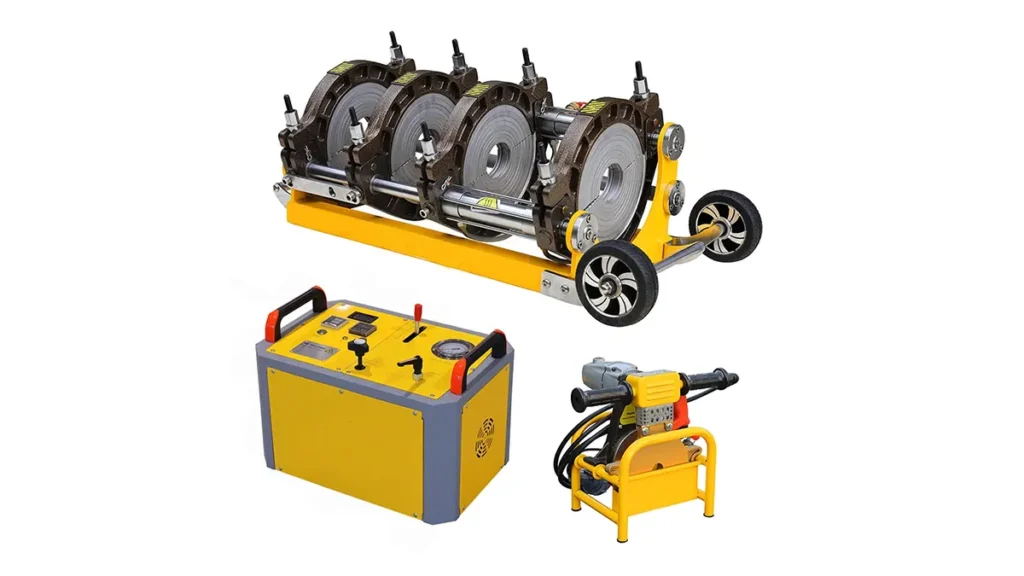
HDPE welding equipment is a cornerstone for modern pipeline projects in Morocco, from urban water networks in Casablanca and Rabat to irrigation systems in the Souss-Massa region and phosphate mine pipelines near Khouribga. Reliable butt fusion, electrofusion, and multi-angle fitting machines ensure leak-free joints, long-term corrosion resistance, and faster installation cycles for contractors and utility operators across the country.
Why HDPE Welding Matters in Morocco
Infrastructure growth and resource management make high-quality HDPE joining essential in Morocco. With expanding water distribution, growing municipal sanitation projects, and an active mining sector, Moroccan engineers and contractors need welding machines that perform under varied site conditions — high temperatures in the south, coastal humidity, and remote rural locations.
Types of HDPE Welding Equipment for Local Needs
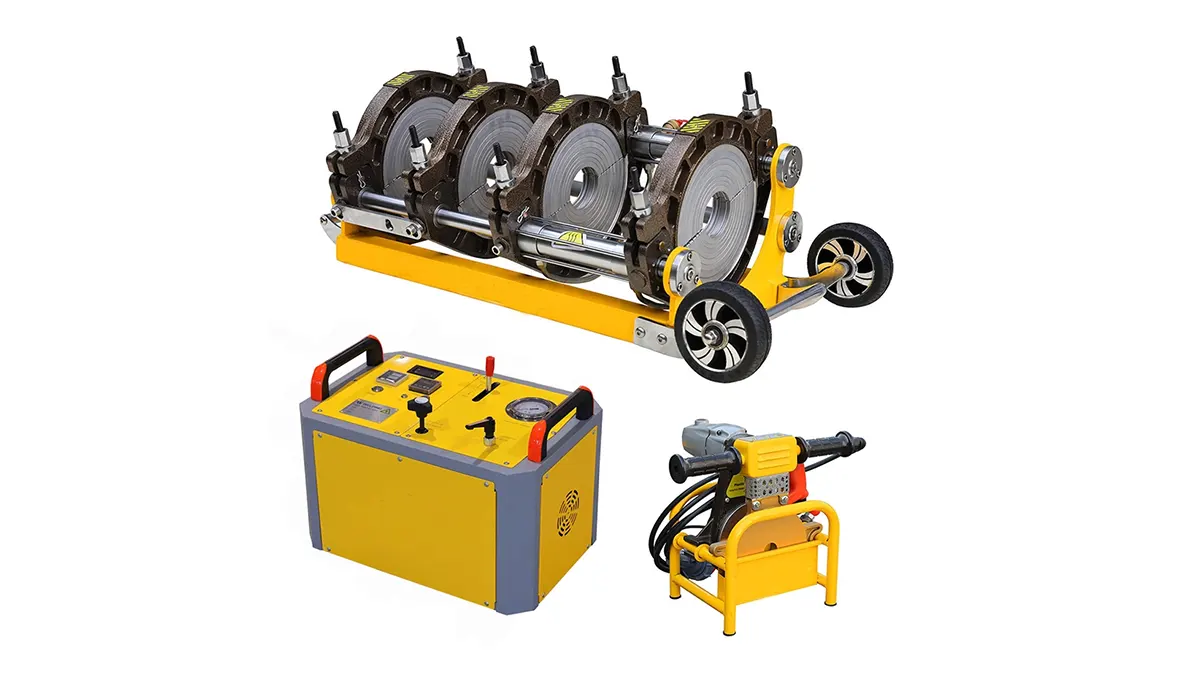
Project teams in Morocco typically choose between manual units for small-diameter village networks, hydraulic butt fusion machines for mid-to-large pipelines, and CNC automatic systems for high-volume industrial fabrication. Electrofusion machines are also widely used for fittings and repairs in urban gas and water distribution networks.
Compare Common Machine Types
| Machine Type | Typical Pipe Range | Best Use | Key Benefit |
|---|---|---|---|
| Manual Butt Fusion | 20mm – 125mm | Rural water networks, repairs | Portable and cost-effective |
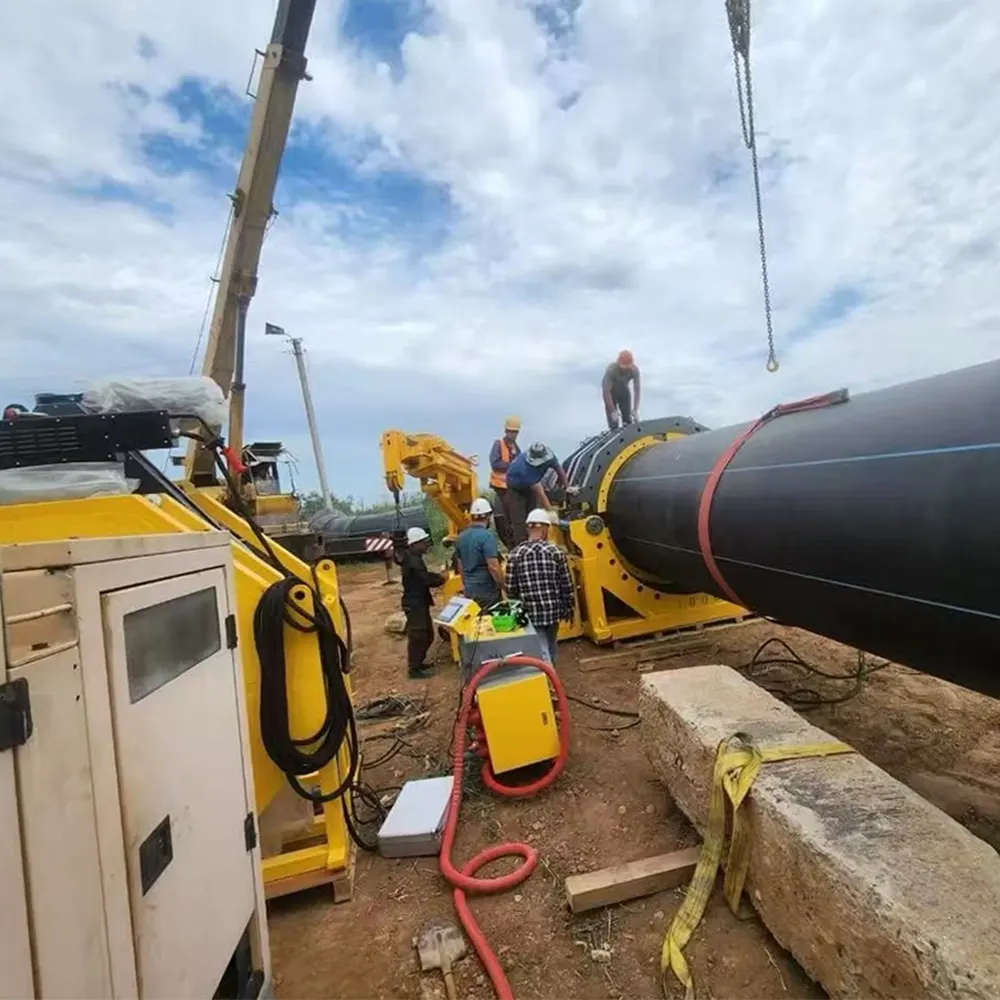
| Hydraulic Butt Fusion | 125mm – 2250mm | Municipal and industrial pipelines | High clamping force, consistent joints |
| Automatic/CNC Butt Fusion | 63mm – 1250mm+ | Factory prefabrication, long runs | Precision welding and traceability |
| Electrofusion | 20mm – 630mm (fittings) | Connection of fittings, gas networks | Fast, ideal for confined spaces |
Choosing the Right Machine for Moroccan Projects
Consider pipe diameter, site accessibility, and contractor expertise. Small irrigation projects may favor manual or portable hydraulic units, while large municipal water lines and mining pipelines typically require heavy-duty hydraulic or automatic butt fusion systems with high force and precision controls.
Power availability is another local factor: remote worksites may need machines that run on diesel generators or battery-assisted systems. Durability against dust and occasional coastal corrosion should also guide equipment selection.
Benefits: Reliability, Cost Efficiency, and Sustainability
Long service life: Properly fused HDPE joints resist corrosion and reduce long-term maintenance costs compared to metal alternatives.
Lower leakage and water loss: For Morocco’s water-scarce regions, leak-free HDPE systems directly support resource conservation initiatives and municipal goals.
Rapid installation: Faster on-site welding means shorter project timelines and reduced labor overhead for contractors.
Installation, Training and After-Sales Support
Local teams benefit from manufacturers who provide training, spare parts, and technical support. For dependable supply and customizable solutions, JQ-Fusion offers a full range of butt fusion and electrofusion machines designed to meet diverse Moroccan project needs.
Quick Specification Snapshot
| Feature | Typical Value |
|---|---|
| Operational Range | 20mm – 2250mm |
| Power Options | Electric, diesel generator, battery-assisted |
| Common Applications | Water, gas, mining, irrigation, industrial piping |
For Moroccan contractors and project owners, selecting the right HDPE welding equipment means balancing upfront cost with lifetime value, support availability, and machine flexibility for local conditions. Investing in proven butt fusion and electrofusion solutions improves pipeline longevity and safeguards critical water and energy infrastructure across the country.



