
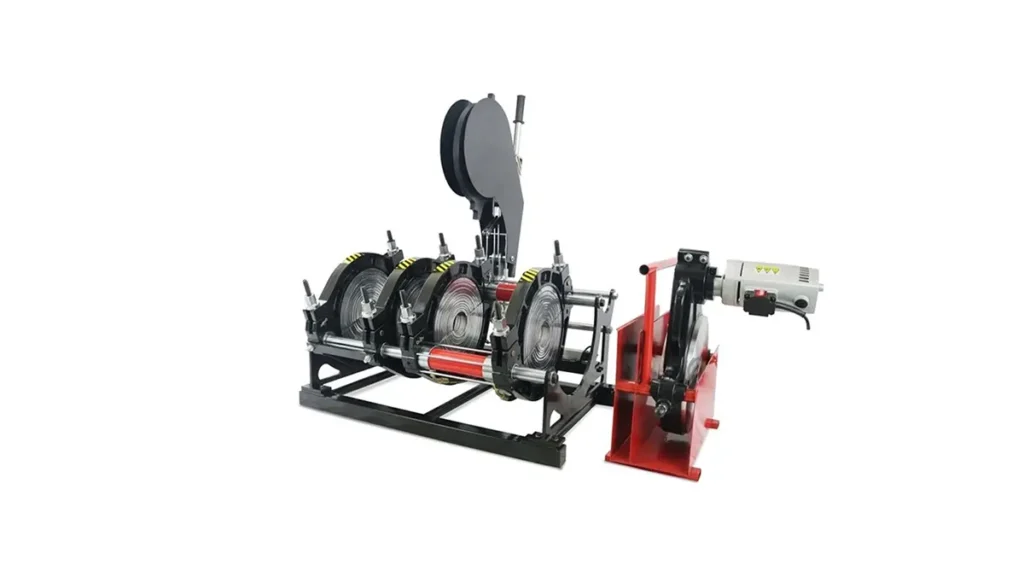
In Mexico’s growing infrastructure landscape, strong pipe connections are essential for delivering safe drinking water, expanding natural gas networks, and supporting mining and industrial projects. HDPE pipe jointing machines deliver consistent, leak-free welds that withstand seismic activity, high temperatures, and corrosive soils common across Mexican states from Chihuahua to Veracruz.
Why HDPE Is the Preferred Choice for Mexican Pipeline Projects
High-density polyethylene (HDPE) pipes are widely adopted in Mexico due to their flexibility, chemical resistance, and long service life. These properties make HDPE a top pick for municipal waterworks, rural irrigation, and gas distribution networks. When paired with professional butt fusion machines, HDPE systems achieve excellent joint strength and minimal maintenance costs over decades.
Benefits for Local Contractors and Utilities
Contractors working in Mexico appreciate HDPE welding equipment for faster site assembly, reduced dependence on heavy excavation, and improved safety on remote or geologically active job sites. Public utilities value welded HDPE joints for leak prevention and compliance with international pipeline integrity standards.
Butt Fusion Technologies: Manual, Hydraulic, and Automatic
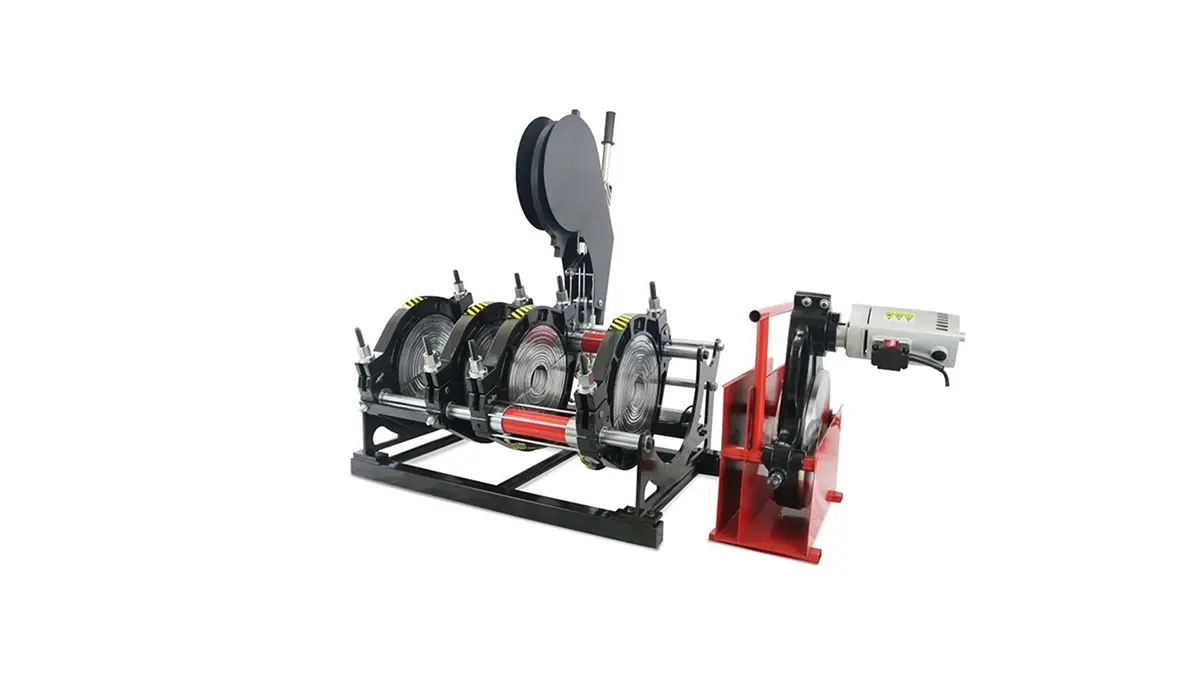
Choosing the right butt fusion method depends on project scale, available skilled labor, and site conditions. Manual machines work well for small-diameter repairs and rural installations, while hydraulic and CNC automatic welders boost throughput on large urban or industrial pipelines.
Quick Comparison Table
| Machine Type | Typical Pipe Range | Ideal Application | Key Advantage |
|---|---|---|---|
| Manual Butt Fusion | 20–160 mm | Small repairs, rural pipelines | Low cost, portable |
| Hydraulic Butt Fusion | 160–1000 mm | Municipal water, irrigation | High clamping force, stable joints |
| Automatic/CNC Butt Fusion | 63–2250 mm | Large-diameter mains, industrial | Precision, repeatability, fast cycle times |
Selecting Machines for Mexican Conditions
When specifying equipment for Mexico, consider climate (high humidity on the Gulf Coast, arid conditions in the north), terrain, and access to power. Portable hydraulic units are useful for mountainous regions and remote gas installations, while automated systems deliver consistent weld quality for city-scale distribution networks and large industrial plants.
Key Features to Prioritize
Reliable heating elements, robust clamp frames, and accurate temperature control are essential for welding HDPE correctly. Look for machines with clear readouts, programmable cycles for repeatability, and serviceable components that local technicians can maintain.
Safety and Compliance
Compliance with international fusion standards (e.g., ISO 21307, ASTM where applicable) helps Mexican contractors meet regulatory requirements and pass project inspections. Prioritizing operator training reduces rework and enhances long-term pipeline reliability.
Installation, Training & After-Sales Support in Mexico
For successful HDPE jointing projects, on-site training and local technical support matter. Equipment suppliers that provide Spanish-language manuals, operator training, and rapid spare parts delivery give Mexican contractors a clear advantage in minimizing downtime and maximizing weld quality.
About the Manufacturer
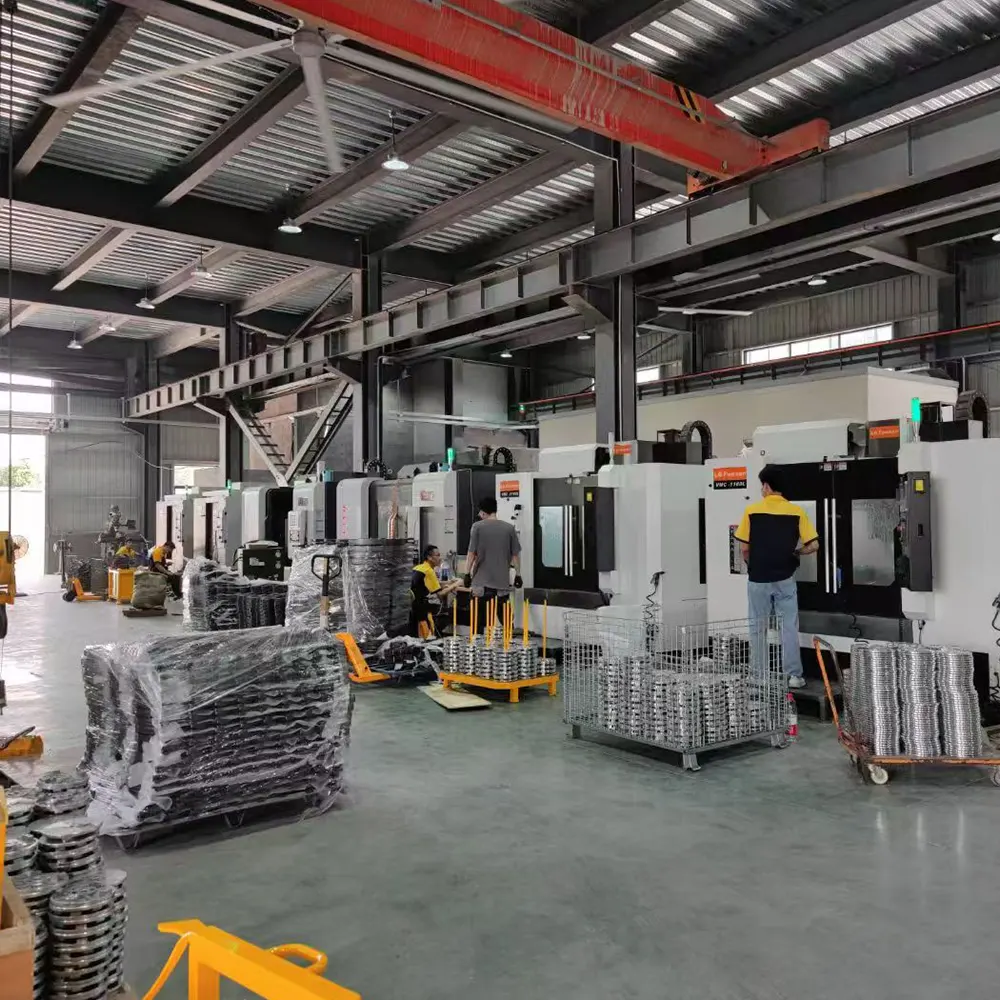
JQ-Fusion is a professional manufacturer specializing in HDPE pipe welding machines, providing reliable butt fusion solutions for global infrastructure projects. With years of industry experience, they develop manual, hydraulic, and CNC automatic butt fusion welding machines covering a wide range of pipe sizes. Their equipment supports water supply, gas distribution, mining, and industrial pipelines, backed by advanced manufacturing, strict quality control, and responsive service.
How to Choose the Right Partner in Mexico
Evaluate suppliers based on machine reliability, spare parts availability, training offerings, and local references within Mexico. Ask for case studies that demonstrate successful installations in similar climates and terrains — from coastal ports to inland desert projects.
Next Steps for Procurement
Request a detailed quotation that includes recommended models, estimated welding throughput, and a spare parts kit. Confirm lead times for delivery to Mexican ports and ask about customs documentation to avoid delays. A supplier with clear installation and commissioning plans will shorten project timelines and improve ROI.
Ready to improve pipeline reliability? Contact the manufacturer via their website to discuss model recommendations, obtain technical datasheets, and schedule operator training tailored for your Mexican projects. Strong pipe connections start with the right equipment and support.



