
Finland’s infrastructure projects demand durable, weather-resistant solutions for water, gas and industrial pipelines. HDPE welding equipment delivers leak-free, long-lasting joints that meet the strict performance and environmental expectations of Nordic contractors, municipalities and utility operators. This guide explains how modern butt fusion and electrofusion equipment improve project outcomes across Finland’s varied terrain — from densely populated urban centers to remote, snow-covered sites.
Why HDPE Welding Is Ideal for Finnish Projects
HDPE pipes are highly resistant to corrosion, frost, and chemical exposure, making them a preferred material for Finland’s cold climate and long service-life requirements. Butt fusion and electrofusion welding produce homogeneous joints with mechanical strength equal to or greater than the pipe itself, reducing maintenance and leakage risks that can be costly in remote northern locations.
Key Advantages
Reliability: Proper fusion welding minimizes joint failures and is ideal for potable water and gas distribution networks. Portability: Compact manual and hydraulic units support work in rural municipalities and island communities. Scalability: CNC automatic machines handle large-diameter pipelines efficiently for major infrastructure upgrades.
Selecting the Right Welding Equipment for Finland
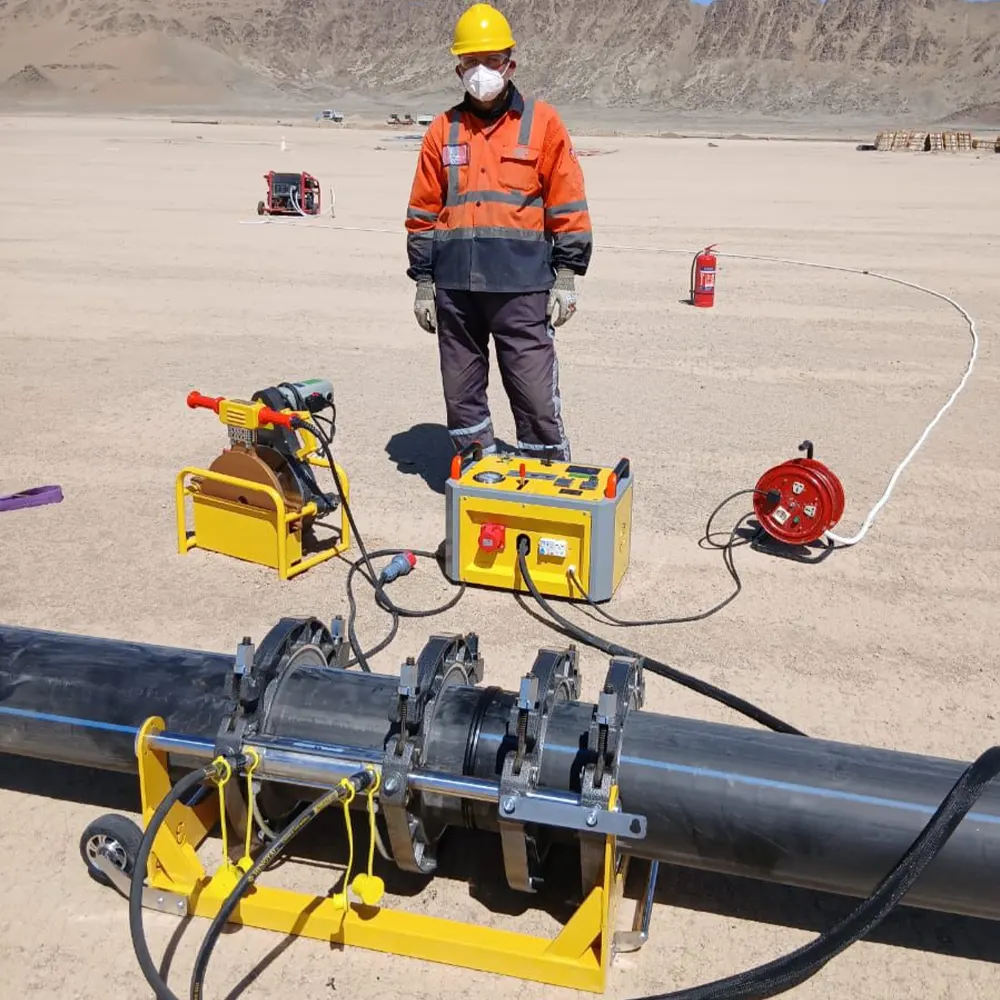
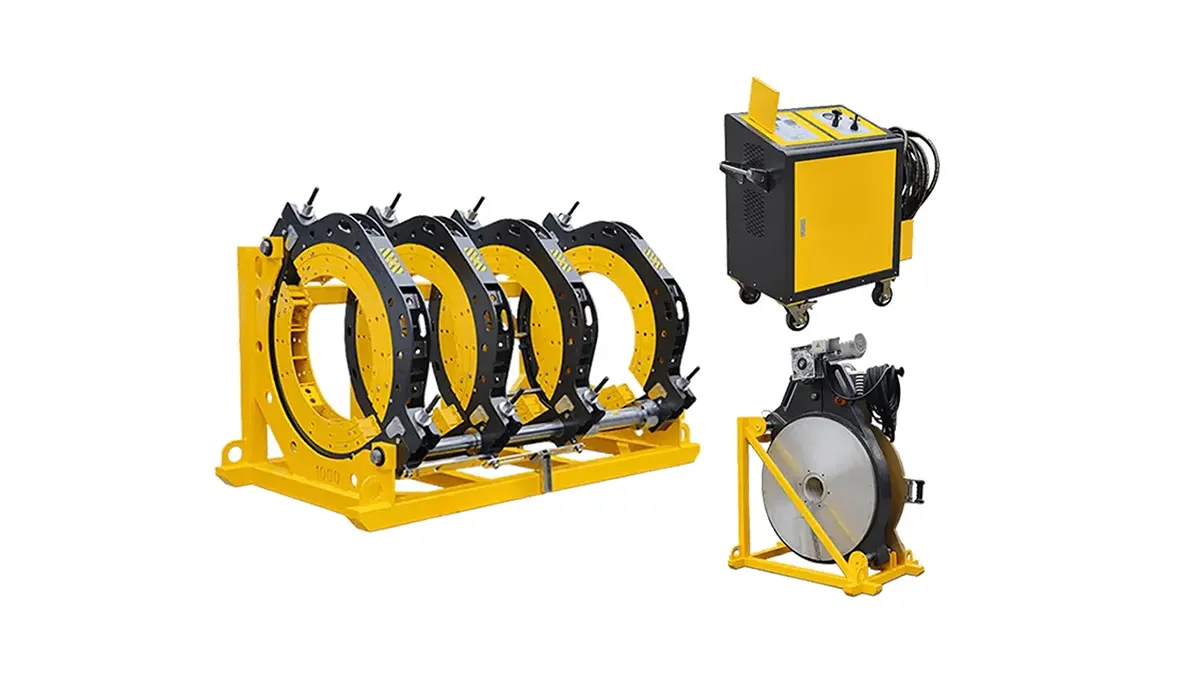
Choose equipment based on site conditions, pipe diameter and crew skill level. Manual units work well for small-diameter repairs and installations, while hydraulic and automatic butt fusion machines are recommended for larger mains and high-volume projects. Electrofusion systems are a good option for fittings and trenchless repairs where space is constrained.
Practical Considerations
Cold weather operation: Equipment must perform reliably at low temperatures and be easy to warm up and calibrate on-site. Power supply: Consider diesel generators or battery-backed control units for remote digs. Transport and setup: Lightweight frames and modular clamps accelerate deployment in urban roadworks and remote forestry tracks.
Machine Types & Typical Applications
| Machine Type | Pipe Range | Best For |
|---|---|---|
| Manual Butt Fusion | 20–400 mm | Small mains, service connections |
| Hydraulic Butt Fusion | 160–1600 mm | Municipal projects, long runs |
| Automatic / CNC Fusion | 200–2250+ mm | Large-diameter pipelines, industrial |
| Electrofusion | 20–630 mm (typical) | Fittings, repairs, restricted space |
Compliance and Standards in Finland
Finnish projects commonly reference EN standards for polyethylene piping (such as EN 12201 and EN 1555) and expect documented welding procedures and traceability. Equipment with digital logging, temperature control and clear weld reports helps contractors meet regulatory and client requirements while simplifying inspection and acceptance processes.
Training, Service and Local Support
Skilled welders are essential. Operators should be trained in butt fusion and electrofusion techniques, winter operation protocols and equipment maintenance. Reliable after-sales service — including spare parts, remote troubleshooting and pre-delivery inspection — reduces downtime and keeps schedules on track across Finland’s dispersed job sites.
Choosing a Supplier
When sourcing welding machines, evaluate product durability, portability, documentation features and warranty terms. Suppliers that support tailored configurations and have experience across water, gas and industrial sectors provide added value for Finnish contractors. Visit https://jq-fusionwelding.com/ for machine specifications, inventory and service options.
Quick Checklist for Project Managers
Site access: Can the equipment reach the trench in winter conditions? Diameter & volume: Match machine capacity to pipe size and daily production targets. Power & fuel: Plan generators or batteries for remote weld sites. Documentation: Ensure weld logs and operator certifications are maintained for compliance.



