
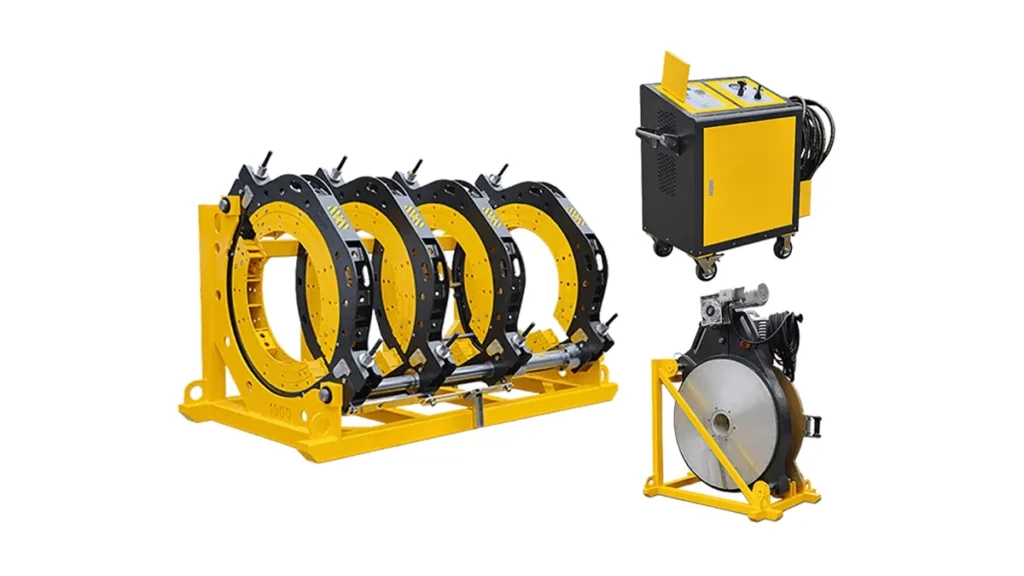
Finding a dependable butt welder maker in Malta is essential for contractors, utility companies, and infrastructure teams working with HDPE pipelines. This guide explains the machine types, local considerations, and practical tips to choose welding equipment that supports Malta’s coastal climate and compact project sites.
Reliable Butt Fusion Solutions for Malta’s Infrastructure
Butt fusion welding is the preferred method for joining HDPE pipes used in water supply, sewage, irrigation and underground conduit projects across Malta. Compact construction sites and island logistics make machine reliability, portability, and low maintenance top priorities for local contractors and municipal teams.
For medium and large projects—such as desalination feed lines, stormwater upgrades, or island utility repairs—hydraulic and automatic butt fusion machines deliver the repeatable quality required by engineers. Smaller teams and service providers often choose manual or portable models for quick repairs and tight urban environments.
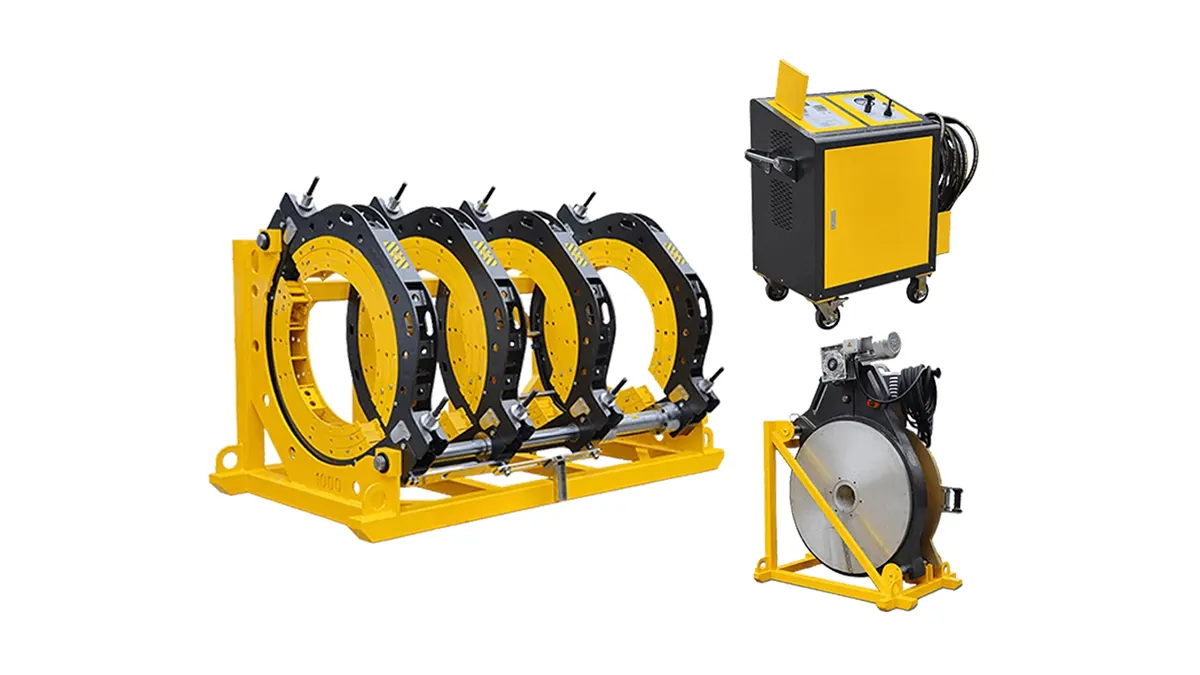
Product Range Overview (Manual • Hydraulic • Automatic)
Different project scales and site conditions call for specific machine types:
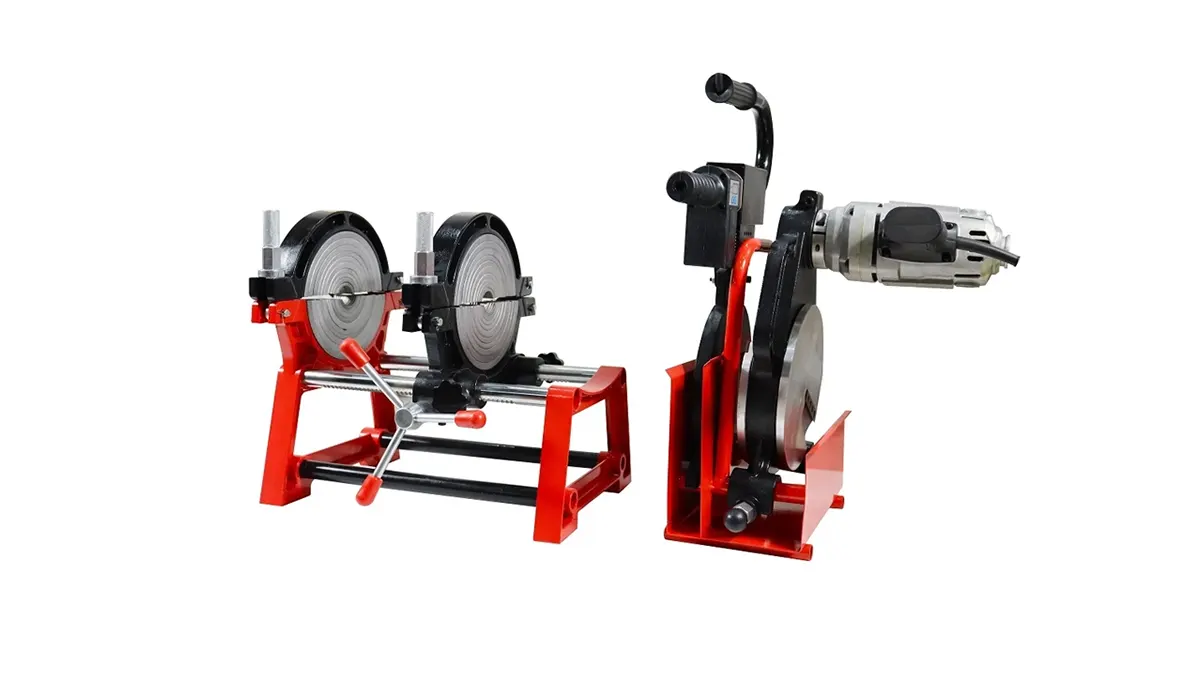
• Manual butt fusion: lightweight frames ideal for service teams and small-diameter pipes.
• Hydraulic butt fusion: robust performance for consistent weld pressure on medium to large diameters.
• CNC / Automatic butt fusion: precision-controlled cycles for industrial pipelines and high-volume projects.
Popular Models & Specs
| Model | Type | Pipe Range (mm) | Key Feature |
|---|---|---|---|
| JQSY-2M | Manual | 20–160 | Portable, ideal for tight urban repairs |
| JQH1000 | Hydraulic | 63–1000 | Stable pressure, suited for municipal works |
| JQA400 | Automatic CNC | 160–400 | Precise control, ideal for large projects |
Benefits for Maltese Contractors and Utilities
Selecting the right butt fusion equipment brings measurable advantages:
• Improved joint integrity and leak-free networks for precious island water resources.
• Faster on-site turnaround reduces mobilization time on narrow Maltese streets.
• Lower lifecycle costs compared to mechanical fittings when installed correctly.
Buying Tips & Malta-Specific Considerations
Assess site access: many Maltese projects take place in dense towns—choose compact, easy-to-transport units. Plan for port clearance and VAT when importing equipment to Malta.
Serviceability is vital—ensure spare parts availability and training for operators. Machines with simple hydraulic systems and widely available consumables minimize downtime on island projects.
Quality, Standards & Certifications
Look for machines that meet recognized standards and have clear documentation for weld procedures. CE marking and manufacturing quality controls give confidence for public works and private contractors in Malta.
Installation, Training & After-Sales Support
Proper installation and operator training dramatically increase weld reliability. Local crews benefit from on-site demonstrations, digital manuals, and remote support to adapt procedures to Malta’s environmental conditions.
Final Recommendations
For island projects that demand durable, predictable pipeline joints, choose machines based on pipe diameter range, site mobility, and available service channels. Reach out to the manufacturer for tailored advice and spare parts planning—JQ-Fusion (https://jq-fusionwelding.com/) can provide model selection, customization, and export support suited to Malta’s market.



