
HDPE welding machines are essential for safe, long-lasting pipeline and industrial installations across Iraq. From municipal water networks and oilfield tie-ins to irrigation and gas distribution projects, reliable butt fusion and electrofusion equipment helps local contractors deliver leak-free joints that withstand harsh climates and heavy use.
Why HDPE Welders Matter for Iraq’s Pipeline Projects
Durability: HDPE piping joined with proper butt fusion delivers corrosion-free pipelines ideal for Iraq’s saline soils and long-term water transport. Leak prevention is critical in arid regions where water resources are scarce.
Versatility: Contractors working in Basra’s marshlands, Baghdad’s urban renewal projects, or northern gas fields need machines that adapt to varied terrains and site conditions — from portable manual welders to heavy-duty hydraulic and CNC automatic units.
Types of Welding Machines for Local Needs
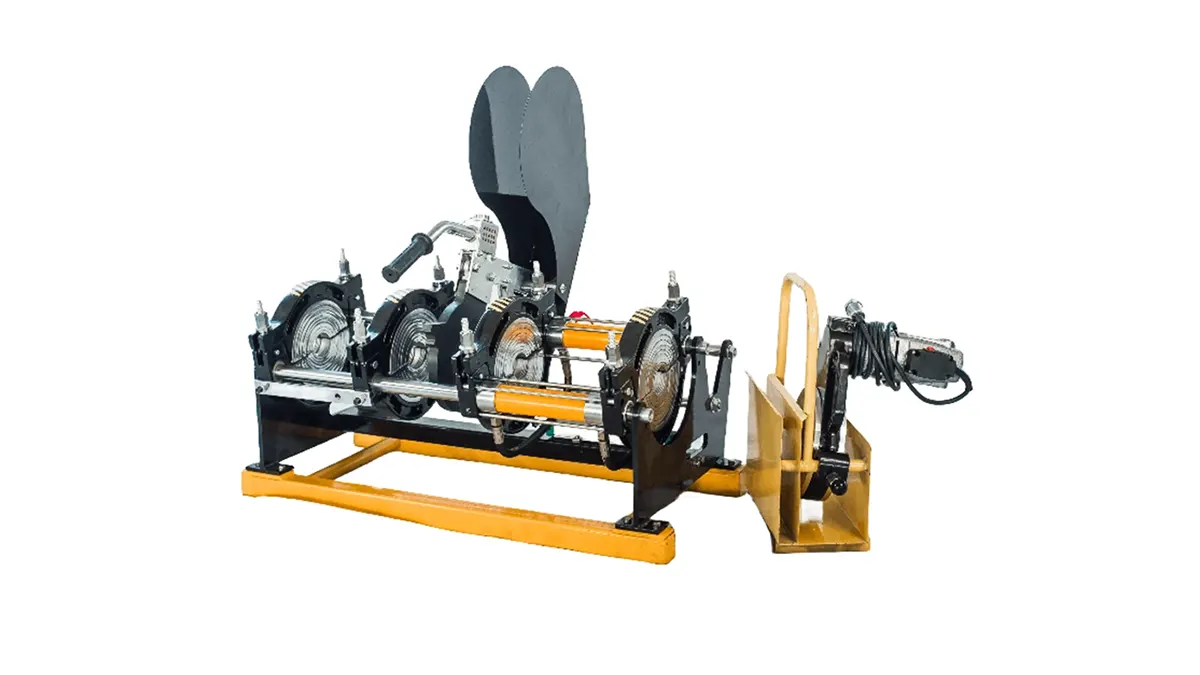
Manual Butt Fusion: Simple, transportable, well-suited to remote job sites and smaller diameter pipes. Easy to maintain with basic training.
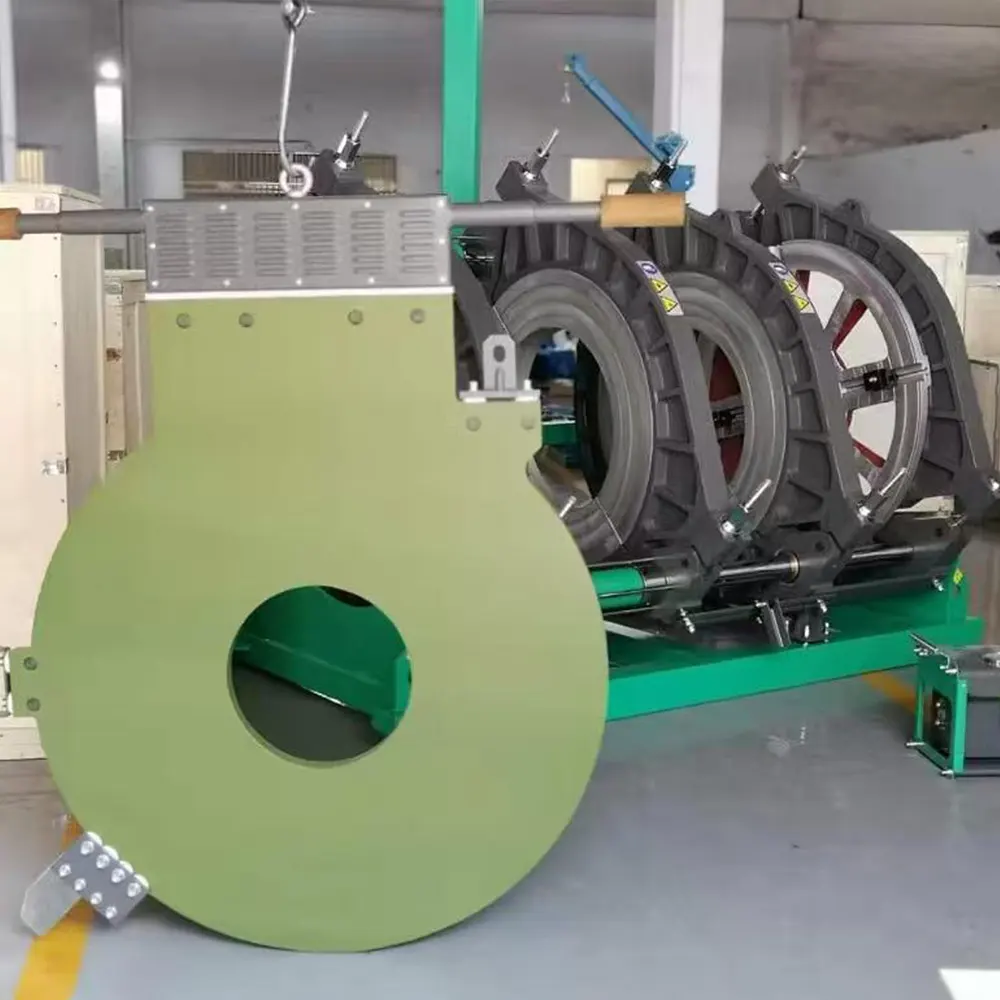
Hydraulic Butt Fusion: Higher pressure and precision for mid-to-large diameters used in municipal and industrial systems. Preferred for oil & gas pipelines and main water transmission lines.
Automatic/CNC Butt Fusion: Offers repeatable, programmable welds for high-volume production and critical infrastructure with documented welding logs.
Technical Advantages for Iraq’s Climate and Projects
Heat resistance and consistent weld quality: Machines with accurate temperature and pressure control prevent weak joints under extreme summer temperatures.
Portability and power options: Models that run from standard generators or vehicle power are vital for sites with limited grid access.
Product Snapshot — Popular Models for Iraqi Contractors
Below is a quick comparison of representative models suitable for common Iraqi applications.
| Model | Pipe Range (mm) | Type | Typical Use |
|---|---|---|---|
| JQA200 | 20–200 | Automatic | Urban water pipelines, district networks |
| JQH160 | 16–160 | Hydraulic | Small mains, irrigation systems |
| JQH630 | 160–630 | Hydraulic | Large-diameter transmission lines, industrial |
| JQH2000 | 630–2000 | Hydraulic / Special | Major intercity pipelines, large infrastructure |
Selecting the Right Machine — Key Considerations
Project Scale: Small irrigation projects favor manual or compact hydraulic units; major transmission lines require large-frame hydraulic or CNC automatic systems.
Site Conditions: Consider dust, temperature extremes, and availability of stable power — choose equipment with rugged enclosures and flexible power inputs.
Certification & Traceability: For water and gas projects, documented weld logs and compliance (ISO/CE) support quality control and acceptance by local authorities.
Training, Support and Local Service Expectations
Operators in Iraq often need on-site training, Arabic and English manuals, and accessible spare parts. Machines designed for easy maintenance and clear diagnostics reduce downtime on critical pipelines. For projects in Basra, Najaf, Erbil, and surrounding regions, fast logistics and responsive technical support are decisive factors when choosing a supplier.
Company & Quality
JQ-Fusion (https://jq-fusionwelding.com/) is an experienced manufacturer of HDPE butt fusion machines, offering manual, hydraulic, and CNC automatic solutions that fit a wide range of pipe sizes and industry needs.
Ordering and After-Sales
When procuring equipment for Iraqi projects, confirm warranty terms, spare parts availability, export packaging for long shipments, and options for remote commissioning. A supplier that provides documented welding procedures and training can speed project approvals and reduce rework.
Ready to source HDPE welding machines for your next pipeline or industrial project in Iraq? Visit the manufacturer’s website above to review model specifications, request quotes, and arrange technical discussions tailored to your project scope and site conditions.



