
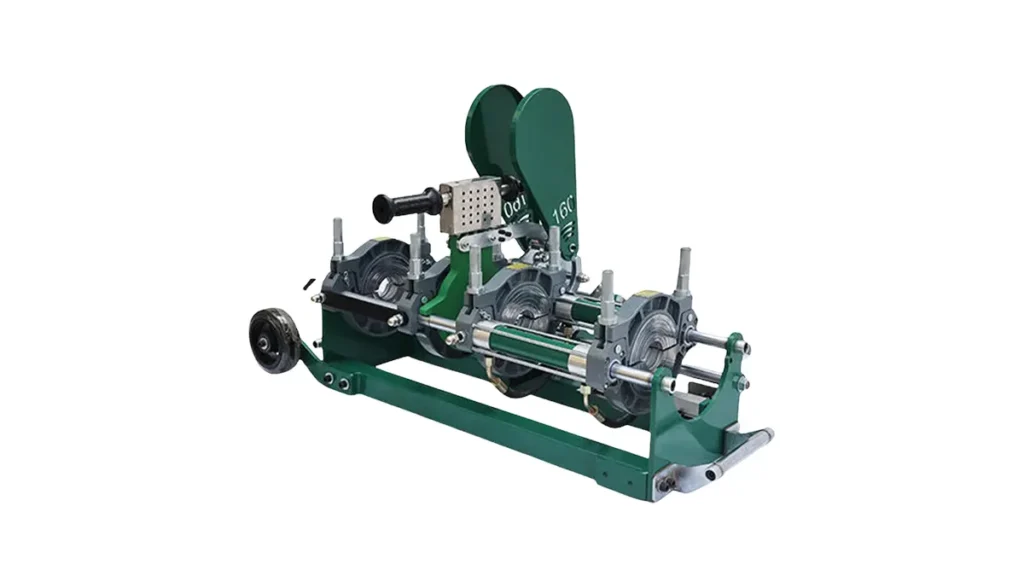
Portugal’s expanding infrastructure projects—from municipal water networks in Lisbon and Porto to agricultural irrigation in the Alentejo—need reliable, durable solutions for joining HDPE and other plastic pipes. Butt fusion welding remains the gold standard for leak-free, long-lasting connections. Below we outline practical, local-focused guidance for selecting the right butt fusion welder and supporting equipment.
Butt Fusion Welders Tailored for Portugal’s Projects
Butt fusion welding is widely used across Portugal for water supply, gas distribution, coastal and underground installations, and large-scale irrigation systems. Contractors and utility teams benefit from machines that can handle a broad range of diameters and work in varied climates—from humid coastal zones to hot, dry interior regions.
Key Features to Look For
When evaluating butt fusion welding machines in Portugal, prioritize:
- Compliance and Certification: CE-marked equipment and documentation suitable for European procurement rules.
- Versatility: Ranges that cover small distribution lines (20–160 mm) up to large trunk mains (up to 1600+ mm).
- Portability and Robustness: Lightweight frames for urban sites and heavy-duty hydraulic units for remote, large-diameter work.
- User-Friendly Controls: Simple hydraulic/manual models for local installers and CNC/automatic systems for high-volume contractors.
- After-Sales Support: Ready supply of spare heating plates, clamps and training for on-site teams.
Common Applications Across Portugal
From Porto’s renewed water distribution networks to underground gas works in suburban developments and irrigation channels in southern farms, butt fusion machines are selected for:
- Permanent, pressure-rated joints for potable water and gas.
- Corrosion-resistant pipelines in coastal and industrial environments.
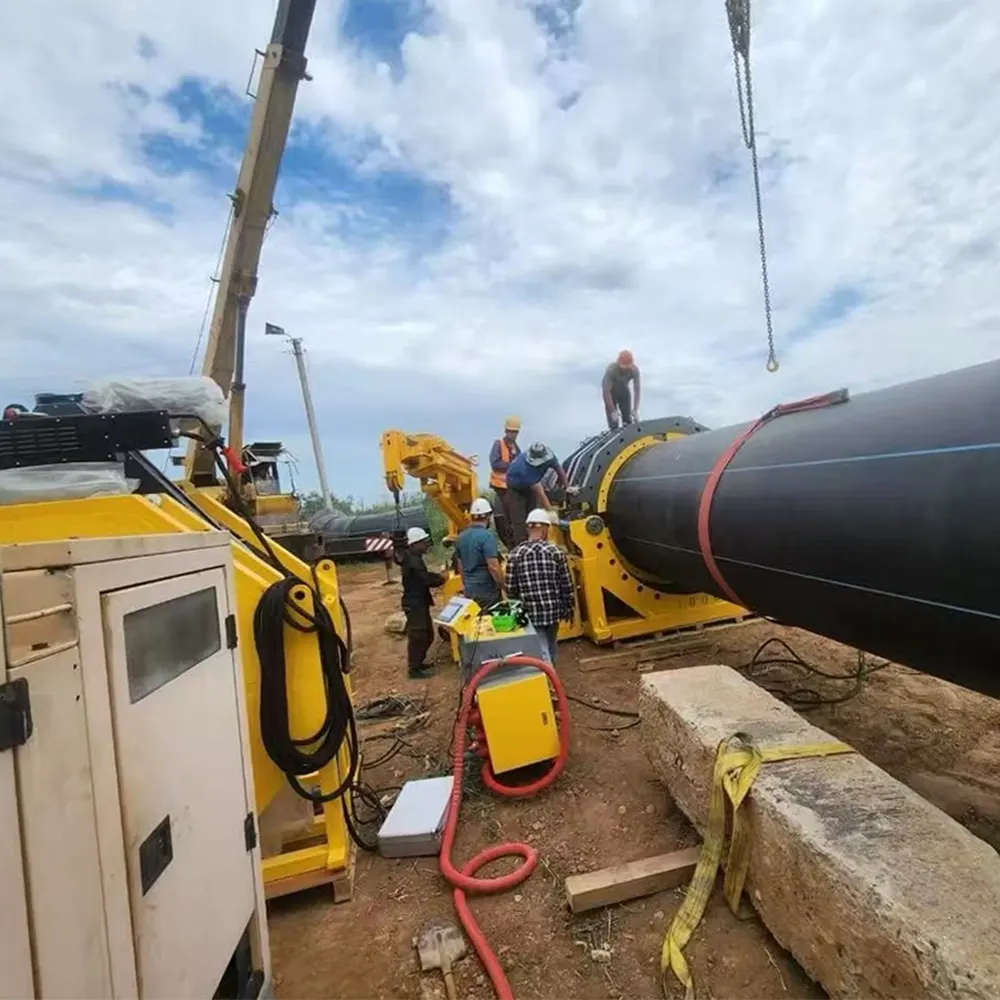
- Large-diameter HDPE mains for wastewater and stormwater systems.
Quick Comparison Table — Typical Models
| Model | Type | Pipe Range | Best For |
|---|---|---|---|
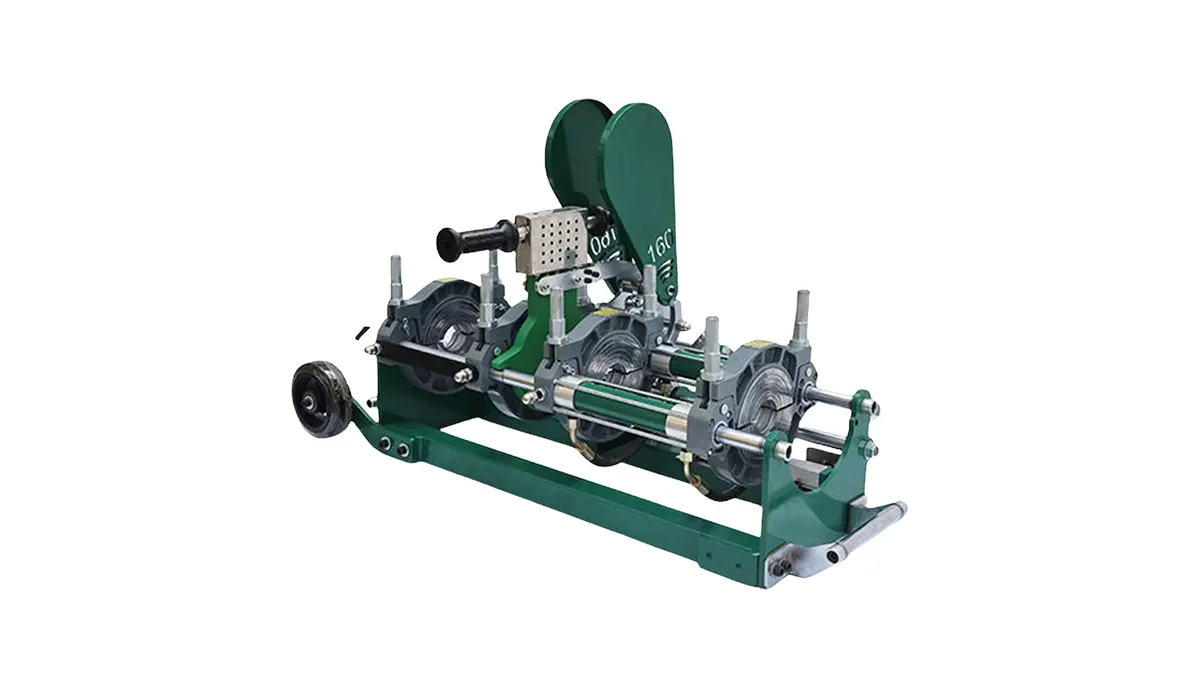
| Manual/Portable Frame | Manual | 20–160 mm | Service repairs, small distribution networks |
| Hydraulic Stationary | Hydraulic | 160–800 mm | Municipal mains, medium trunk lines |
| CNC Automatic | Automatic | 200–1600+ mm | Large projects, pipelines with strict traceability |
Installation Tips for Portuguese Conditions
To ensure durable joints in Portugal’s varied environments, follow best practices:
- Site Preparation: Level pads for large machines in windy coastal zones and clear drainage in rainy seasons.
- Temperature Control: Monitor ambient and pipe temperature—use windbreaks or tents for consistent heating cycles when needed.
- Operator Training: Invest in certified training for weld parameters and quality control recording.
- Documentation: Keep weld logs that meet EU and municipal tender requirements.
Why This Manufacturer Works Well in Portugal
JQ-Fusion offers a broad lineup of HDPE pipe welding machines—from manual and hydraulic to CNC automatic models—designed for global infrastructure projects and adaptable to Portugal’s local demands. Their focus on durability, customization and spare parts supply helps Portuguese contractors meet deadlines and compliance expectations while keeping operations efficient.
Next Steps for Buyers and Contractors
If you are preparing a tender, refurbishing municipal networks, or scaling irrigation systems, evaluate machines by required pipe diameter, automation level, and local service access. Arrange demonstrations, request CE documentation, and confirm spare parts lead times to minimize downtime during seasonal peak work.



