
Reliable HDPE welding equipment is essential for successful pipe installation and repair projects across Botswana — from urban water networks in Gaborone to remote mining camps near Jwaneng and Orapa. Choosing the right HDPE welder can improve joint integrity, reduce downtime, and lower lifecycle costs for municipal utilities, contractors, and mining operations handling potable water, irrigation, gas distribution, and slurry pipelines.
Why HDPE Welders Matter in Botswana
Durability and corrosion resistance make HDPE piping a preferred choice in Botswana’s harsh environments. Proper fusion using reliable machines ensures long-lasting, leak-free joints that withstand temperature variations and abrasive media found in mining and rural water systems. For contractors and public works teams, consistent welding quality translates directly into fewer repairs and safer infrastructure.
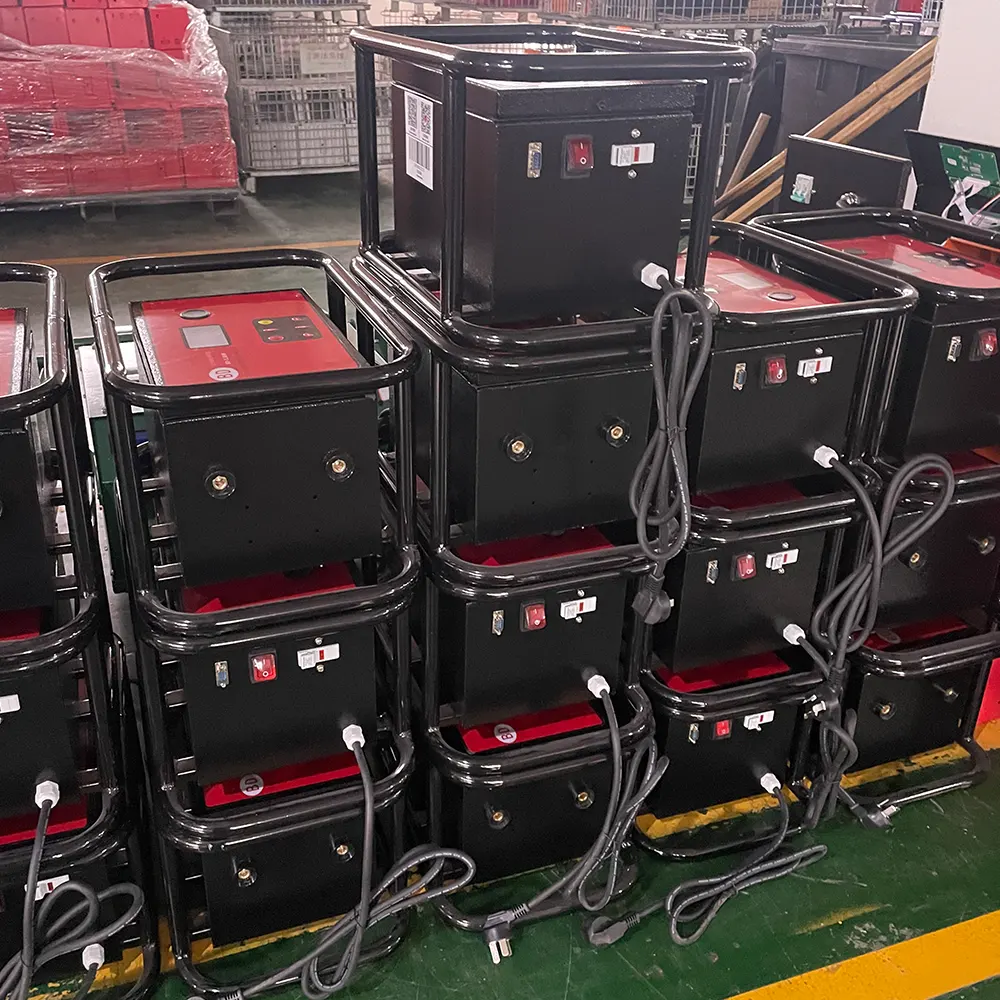
Types of HDPE Welding Machines for Pipe Installation and Repair
Different projects need different welding solutions. Understanding machine capabilities helps match equipment to on-site demands for accuracy, portability, and throughput.
Manual Butt Fusion: Compact and portable for rural repairs and small diameter pipes.
Hydraulic Butt Fusion: Higher pressure and stability for medium to large diameter pipelines used in municipal and industrial installations.
Automatic/CNC Butt Fusion: Precision-controlled cycles ideal for production lines and long, repetitive fusion tasks that demand traceable weld records.
Electrofusion: Excellent for fittings, localized repairs, and complex junctions where a controlled electrical weld is preferred.
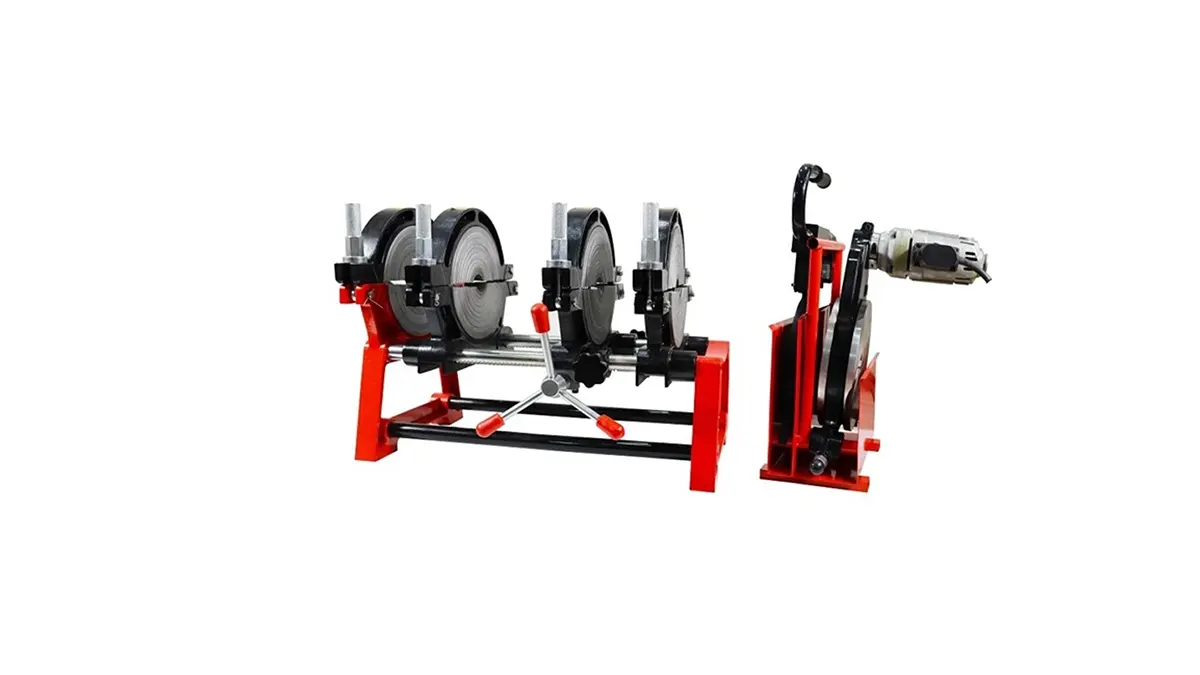
Quick Comparison Table: Machine Types & Recommended Uses
| Machine Type | Ideal Applications in Botswana | Typical Pipe Range | Why It Works |
|---|---|---|---|
| Manual Butt Fusion | Rural water repairs, small municipal jobs | 20mm – 315mm | Portable, simple maintenance |
| Hydraulic Butt Fusion | Large-diameter mains, mining water lines | 315mm – 2000mm+ | High stability and repeatability |
| Automatic/CNC Butt Fusion | High-volume installations, factory prefabrication | 63mm – 1600mm | Data logging, precision control |
| Electrofusion | Fittings, repairs in confined spaces | 20mm – 630mm (fittings) | Ease of use, minimal site prep |
Selecting the Right HDPE Welder: Key Factors
Project scale: Small repair crews need portable manual units; contractors laying long trunk mains benefit from hydraulic or automatic machines.
Site conditions: Remote desert roads and mine sites require robust machines with easy field servicing and clear operating instructions for local crews.
Operator skill level: Invest in training if choosing advanced CNC welders — good training improves weld quality and reduces rework.
Spare parts & support: Confirm availability of heating plates, clamps, and electrical components as part of the procurement decision.
On-site Best Practices for Botswana Environments
Pre-inspection: Always check pipe ends for squareness and cleanliness before fusion. Dust and sand common in the Kalahari region demand extra cleaning steps.
Temperature control: Maintain appropriate heater plate temperatures and follow fusion cycles — deviations increase joint failure risk.
Documentation: Keep digital weld logs for municipal compliance and mining audits; automatic machines simplify this with built-in data export.
Shipping, Lead Times & Logistics
When sourcing HDPE welding machines for Botswana, consider international shipping times, customs documentation, and inland transport to remote job sites. Air freight can shorten lead times for urgent repairs, while sea + road is more economical for full machine deliveries and spare kits. Plan for local distribution partners or freight forwarders who understand Botswana import processes to avoid delays.
Technical Support & Training Options
Reliable after-sales service is critical. Look for suppliers offering on-site commissioning, operator training tailored to local teams, and remote technical support to diagnose issues quickly. Regular maintenance plans reduce downtime in remote project locations and extend the life of heating elements and hydraulic systems.
Cost vs. Value: Choosing a Long-Term Solution
While initial equipment cost matters, prioritize machines that minimize rework and downtime. Investing in quality butt fusion or electrofusion machines pays off through reduced leak repairs, longer pipeline life, and improved safety — all vital to Botswana’s utilities and mining operations.
| Service | Typical Benefit |
|---|---|
| Operator Training | Fewer weld defects and improved crew efficiency |
| Spare Parts Kits | Quick on-site repairs, less downtime |
| Remote Diagnostics | Faster troubleshooting for isolated sites |
For project managers, municipal engineers, and mining contractors evaluating an HDPE welder supplier in Botswana, request machine specifications, local client references, and a clear plan for training and spare parts. To discuss machines, warranty, and export details, contact JQ-Fusion at https://jq-fusionwelding.com/ for tailored recommendations and quotations.



