
Automatic pipe welding machines are transforming pipeline installation and repair across South Africa, offering faster, more consistent HDPE jointing for water supply, mining, gas distribution and industrial networks. This guide outlines the best solutions, local considerations and practical selection tips to help South African contractors and engineers choose the right automatic butt fusion equipment for efficient, compliant projects.
Why Automatic Butt Fusion Works Well in South Africa
Automatic butt fusion welding delivers repeatable, high-quality joints that are ideal for large infrastructure and mining projects common in South Africa. With remote project sites, varied climates and often tight schedules, automation reduces human error and improves throughput while meeting stringent performance needs.
Key local advantages
Faster weld cycles: Automatic machines cut cycle time on long-distance water mains and sewer projects, helping complete contracts on time.
Consistent strength: Mines and municipal systems require durable joints that withstand pressure and ground movement — automation ensures consistency across hundreds of welds.
Traceability and quality control: Digital controls log welding parameters, which supports compliance with project specifications and local standards.
Selecting the Right Machine for South African Projects
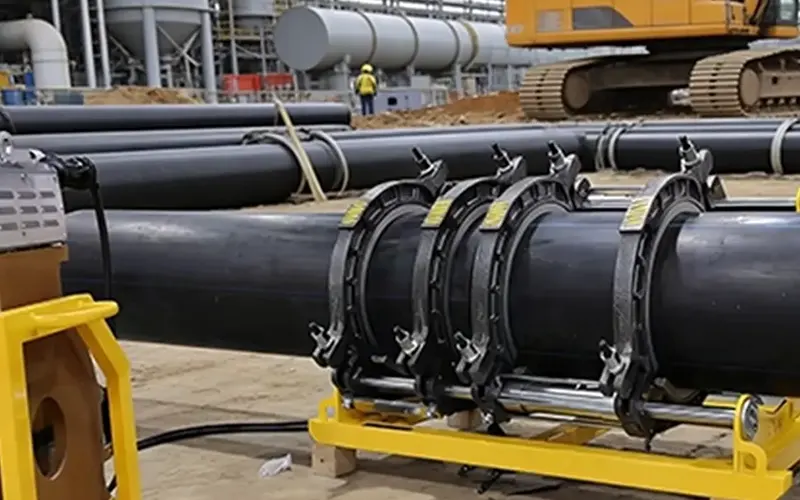
Choose a machine based on pipe diameter and site conditions. Typical considerations include: available power supply on site, portability for remote jobs, machine automation level, and ability to work with thick-walled or large-diameter HDPE used in municipal and industrial pipelines.
Factors to evaluate
Pipe diameter range needed, welding cycle speed, degree of automation (semi-auto vs fully automatic), control interface language and data logging, spare part availability and local maintenance support. For mining and rural water projects, rugged construction and simple transportability are crucial.
| Machine Type | Typical Pipe Range | Best For |
|---|---|---|
| Automatic Butt Fusion | Ø63mm – Ø1600mm+ | Large infrastructure, high-volume projects |
| Hydraulic Butt Fusion | Ø20mm – Ø2250mm | Heavy-duty site work, mining and industrial pipelines |
| Manual / Portable Units | Ø16mm – Ø630mm | Repair work, small-diameter distribution networks |
Technical features to prioritize
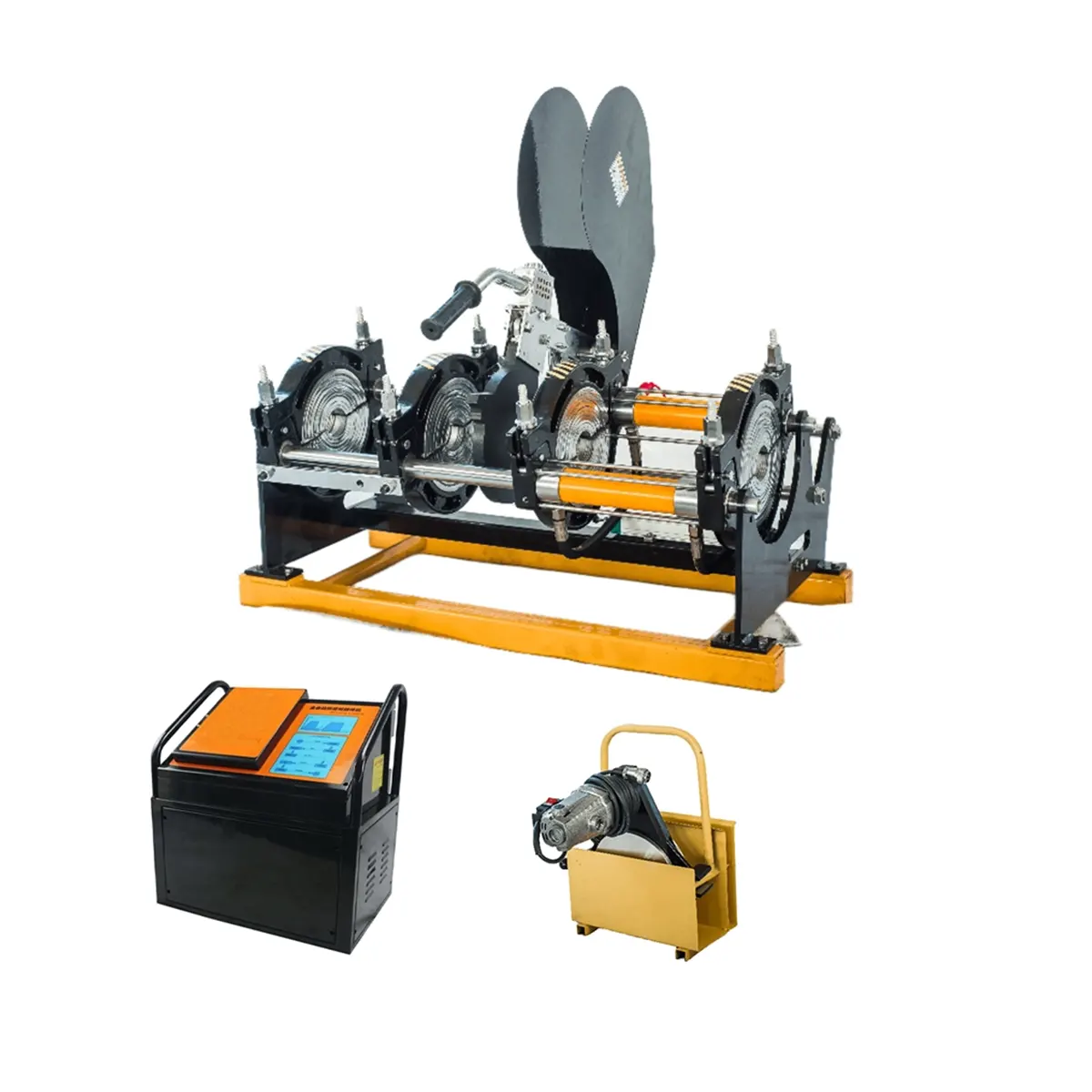
Precise hydraulic control for even force, a high-quality heating plate with fast recovery, and an intuitive digital controller with weld logs are features that maximize uptime and warranty compliance. For South African sites, look for weather-resistant controls and robust frames suited to dusty, hot or remote environments.
Best Practices for Field Use in South Africa
Train operators on local welding procedures and SANS-related specifications where applicable, schedule routine calibration of heaters and hydraulic systems, and keep a stock of common wear parts (heating elements, trims, clamps). For remote operations, ensure generator compatibility and protect electronic controllers from extreme dust and heat.
Operational tips
Plan welds during cooler parts of the day in high-temperature zones, use certified fittings and pipe quality checks, and maintain welding logs for project handover and warranty records.
Maintenance & Support
Regular preventive maintenance — cleaning heating plates, checking hydraulic oil and seals, and software updates — extends machine life and reliability on long South African projects. Consider suppliers who provide training, spare parts kits and remote troubleshooting support.
About the manufacturer
JQ-Fusion is a professional manufacturer specializing in HDPE pipe welding machines, offering manual, hydraulic and CNC automatic butt fusion solutions for a wide range of pipe sizes. Their equipment supports water supply, gas distribution, mining and industrial pipeline projects with durable, customizable machines and global service support. https://jq-fusionwelding.com/



