
Nigeria’s fast-growing infrastructure projects — from urban water distribution in Lagos to rural irrigation and gas pipelines in the Niger Delta — demand robust, efficient HDPE welding solutions. Reliable butt fusion machines ensure leak-free joints, long-term durability, and faster installation timelines for contractors and engineers working across varied Nigerian terrains.
Why Reliable HDPE Welding Equipment Matters in Nigeria
Local contractors and municipal operators face unique challenges: hot, humid climates, remote job sites, inconsistent power supply, and a mix of small-diameter and large-diameter pipeline needs. Choosing the right fusion equipment reduces rework, minimizes downtime, and improves safety during installation. For those seeking proven solutions, JQ-Fusion provides a range of butt fusion machines tailored for global infrastructure demands.
Common Machine Types and Their Nigerian Applications
-
Manual Butt Fusion Machines — Ideal for small rural projects and quick repairs where portability and simplicity are priorities.
-
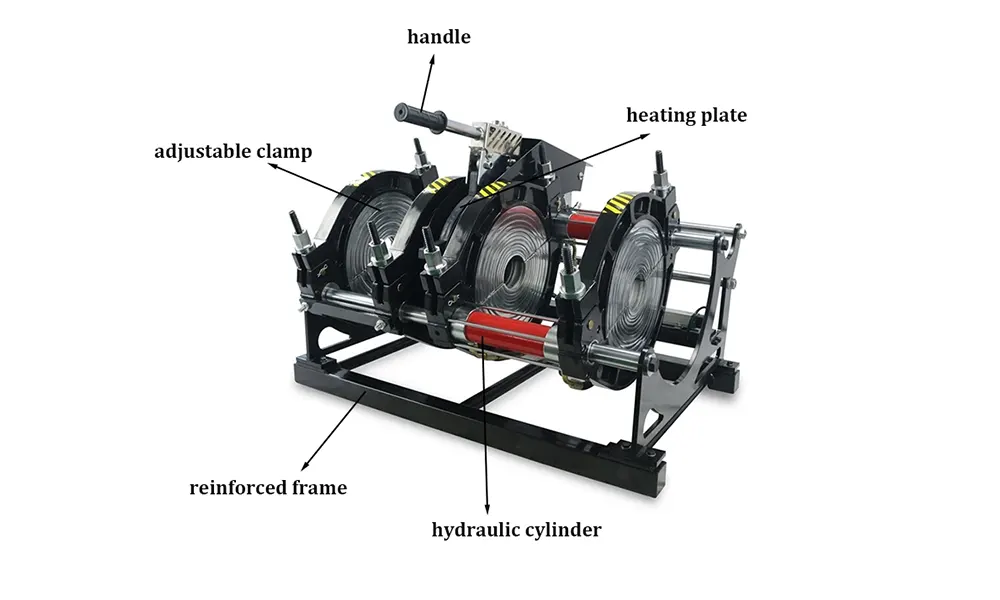
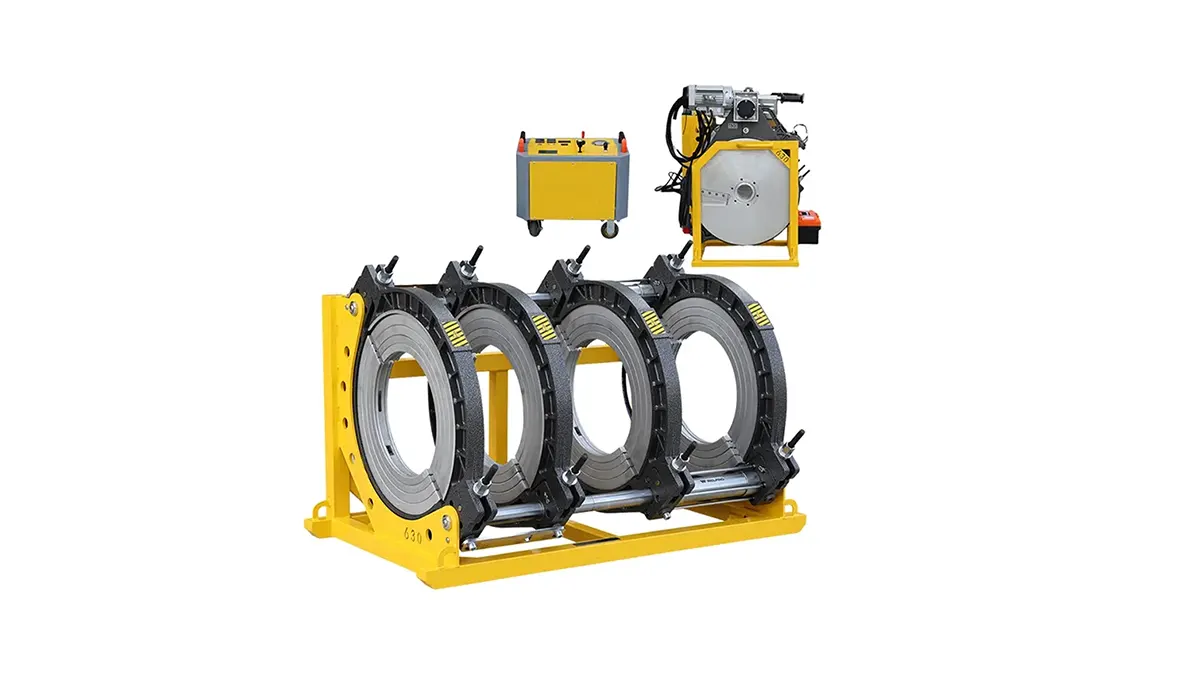
Hydraulic Butt Fusion Machines — Suited for medium to large pipelines used in municipal water and gas networks; offer strong clamping force and consistent results.
-
Automatic CNC Butt Fusion Machines — Best for high-volume or precision-driven industrial projects, reducing operator variability and speeding up complex weld programs.
-
Electrofusion Units — Useful for fittings and connections where access or geometry makes butt fusion impractical.
Selecting the Right Machine: Practical Criteria for Nigerian Projects
When specifying welding equipment for local conditions, evaluate portability, power options (diesel/generator compatibility), serviceability, spare parts availability, and operator training. Weather-resistant controls and simple maintenance routines reduce downtime on coastal and inland works.
Performance Comparison at a Glance
| Model Range | Pipe Diameter | Best Use Case |
|---|---|---|
| Manual Portable Units | 20mm – 160mm | Rural repairs, small irrigation works |
| Hydraulic Frames | 160mm – 1000mm+ | Municipal water, gas trunk lines |
| CNC Automatic Machines | 63mm – 630mm (typical) | High-volume industrial projects |
| Electrofusion Systems | Fittings and small pipes | Complex fittings, repairs in constrained spaces |
On-Site Considerations for Nigerian Contractors
Power and logistics: Ensure compatibility with generators and stable controls that tolerate voltage fluctuations. For remote locations, prioritize lightweight frames and models that can be transported easily by pickup trucks or small cranes.
Training & certification: Invest in operator training to improve weld consistency and adhere to local standards for potable water and gas distribution systems. Properly documented weld records reduce long-term maintenance risks.
Maintenance, Parts & Local Support
Choose equipment with accessible spare parts and clear maintenance guides. Modular parts reduce repair times, and remote troubleshooting (via phone or video) can accelerate field repairs when experienced technicians are not immediately available.
Final Recommendation for Nigerian Projects
For a balanced approach, pair portable manual units for field repairs with hydraulic frames for larger pipelines and CNC automatic machines for factory-style, high-precision welding. Prioritize rugged construction, reliable controls, and supplier responsiveness to support long-term infrastructure goals across Nigeria.



