
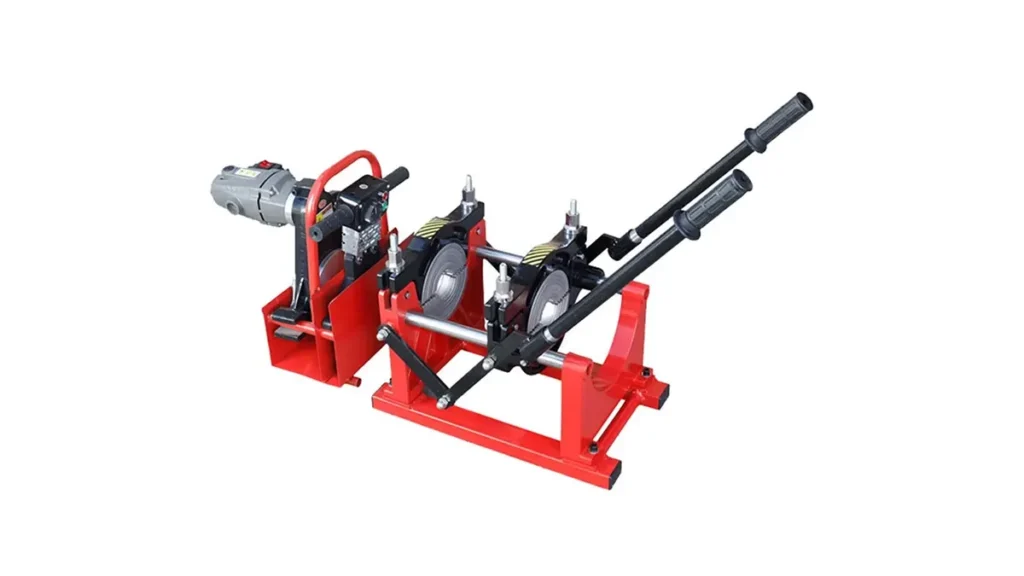
Choosing the right HDPE pipe welding machine is critical for long-lasting pipeline integrity, especially in Germany where stringent standards and dense urban infrastructure demand reliable joints for water, gas, and industrial networks. This guide helps German contractors, municipal installers, and pipeline engineers identify the best butt fusion solution for their projects.
Why reliable HDPE pipe welding matters in Germany
Durability, leak prevention, and compliance are non-negotiable in Germany’s infrastructure projects. EN and DIN-based regulations, plus expectations from DVGW-certified networks, require welding systems that produce consistent fusion quality. For utilities, construction firms, and trenchless installers, a dependable butt fusion machine reduces rework, speeds up commissioning, and protects public safety.
Common applications across Germany
From municipal water mains in Berlin to gas distribution in Bavaria, and industrial piping in the Rhine-Ruhr region, HDPE welding machines are used for:
– Long-distance potable water mains and pressure systems
– Low- and medium-pressure gas pipelines
– Mining and industrial process lines
– Sewage and drainage networks with corrosion-resistant HDPE lines
Types of butt fusion machines and who they suit
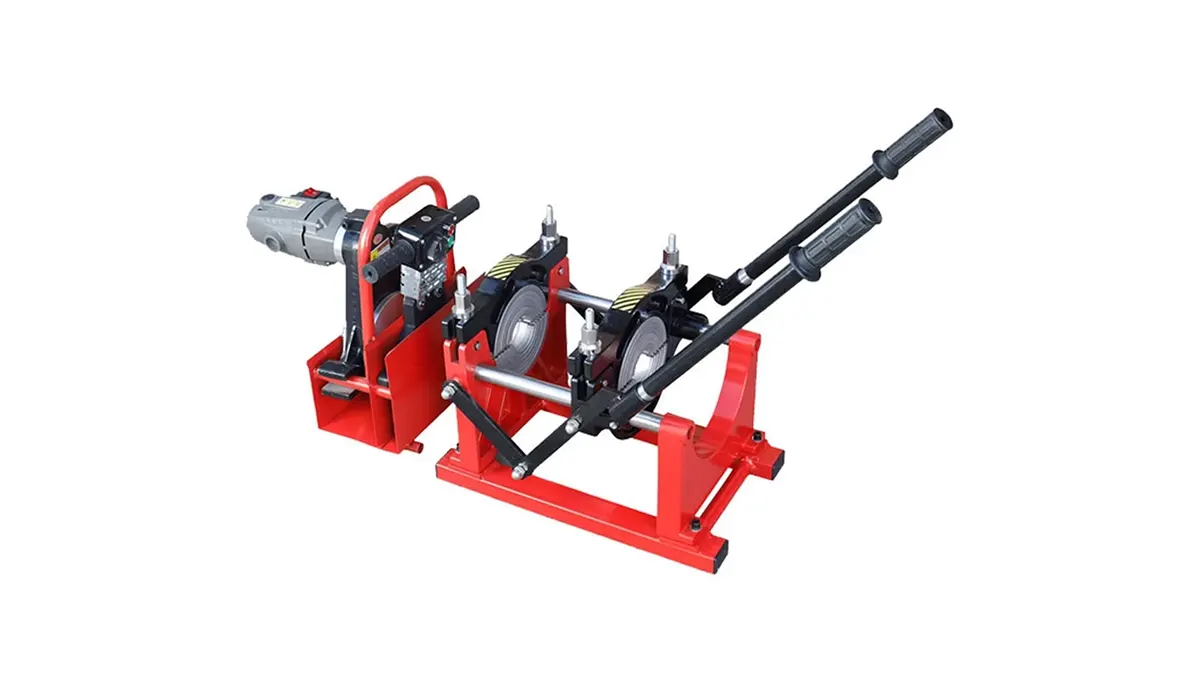
Manual machines — best for small-diameter repairs and tight urban jobs where portability is key. Hydraulic machines — ideal for heavier-duty site work and larger-diameter pipes. Automatic / CNC machines — recommended for contractors handling high-volume welds and large-diameter pipelines who need repeatable, logged fusion cycles.
| Machine Type | Diameter Range (mm) | Automation | Best For |
|---|---|---|---|
| Manual Butt Fusion | 20–160 | Low | Repairs, small jobs, remote sites |
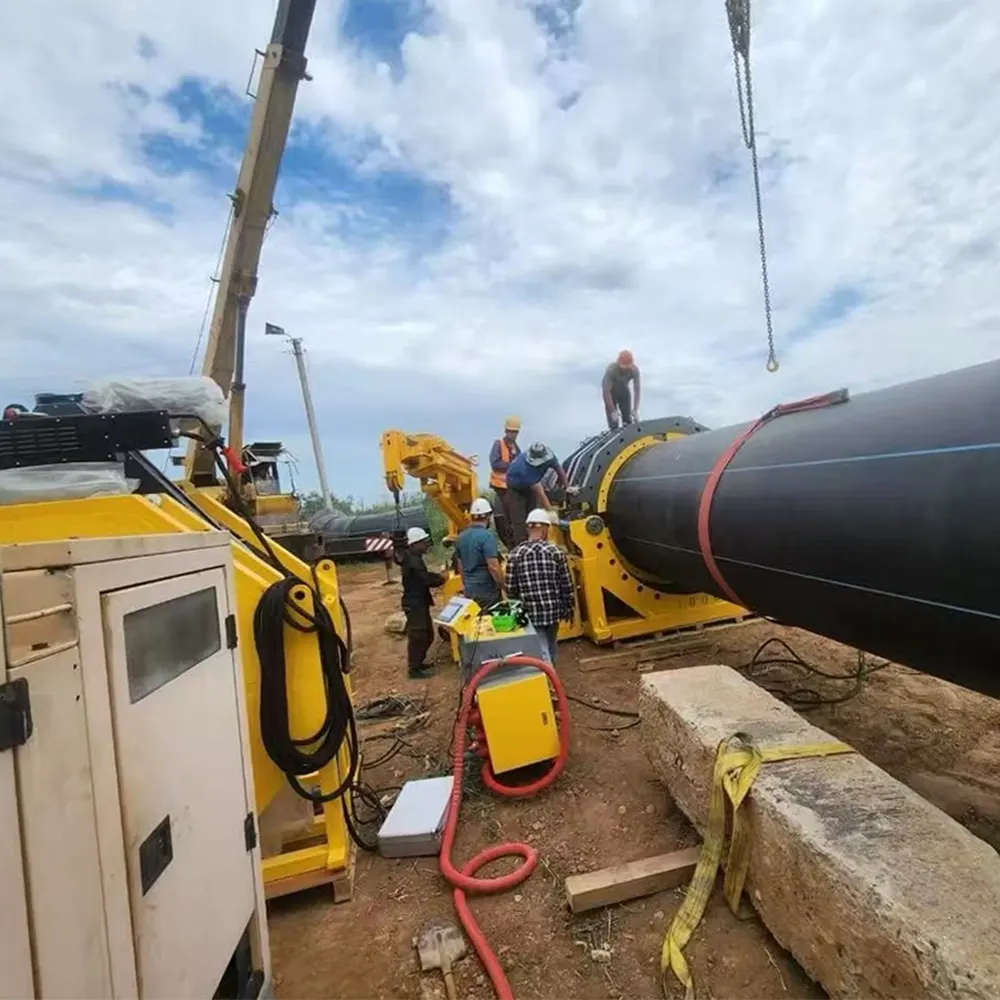
| Hydraulic Butt Fusion | 160–1250+ | Medium | Large mains, frequent use |
| Automatic / CNC Fusion | 63–2000+ | High | High throughput, quality documentation |
Key features to prioritize
Alignment accuracy: Strong clamp and guide systems reduce misalignment and cold welds. Heater plate quality: Even heating with anti-stick surfaces ensures consistent melt layers. Pressure control: Precise, repeatable pressure (manual or hydraulic) is essential for certified weld strength. Traceability: Automatic machines that log welding parameters simplify compliance with German regulatory documentation requirements.
Technical specs & compliance considerations
Look for machines that support EN 12201 and relevant DVGW guidelines for gas and water systems. Technical features to verify:
– Adjustable heating temperatures with stable control
– Accurate heater plate flatness and anti-stick coatings
– Pressure gauges or hydraulic control with documented repeatability
– Compatibility with electrofusion fittings and multi-angle accessories if needed
How to choose the right machine for a German project
Project scale: Small municipal repairs differ from long-distance DN800 water mains. Choose manual units for portability, hydraulic units for heavy civil works, and automatic machines for factory-like production and large pipelines.
Site logistics: Consider access, ground conditions, and whether trenchless methods will be used. Portable machines may be necessary for dense urban streets, while hydraulic frames work better on open construction sites.
Operator training and documentation
Germany emphasizes certified workmanship. Ensure operators are trained on fusion procedures and that the machine can produce weld logs for quality records. Machines with simple, multilingual interfaces reduce user error on international crews operating in Germany.
Service, parts and after-sales support
Warranty, local spare parts supply, and timely technical support are essential. Choose a manufacturer that offers clear parts lists, calibration services, and responsive troubleshooting pathways to minimize downtime on German projects.
Quick buyer checklist
Before purchase, confirm:
– Required diameter range and throughput capacity
– Automation level and data logging capability
– Compliance with EN/DIN/DVGW where applicable
– Local service availability, spare parts lead time, and training options
Ready to evaluate options?
For manufacturers with a broad HDPE butt fusion portfolio and global project experience, visit their website to compare models, request datasheets, and arrange a technical review tailored to German standards and site conditions. JQ-Fusion: https://jq-fusionwelding.com/



