
Luxembourg’s expanding infrastructure projects — from municipal water networks to industrial gas distribution and cross-border utilities — require reliable HDPE pipe fusion systems. This guide explains how modern butt fusion welding machines deliver durable joints, improve installation efficiency, and comply with European industry expectations.
Why HDPE Pipe Fusion Matters in Luxembourg
Durability and leak-resistance are essential for Luxembourg’s utilities, where long-term performance and minimal maintenance reduce operational costs. HDPE systems resist corrosion, chemicals, and freeze-thaw cycles, making them ideal for public works, rural water supply, and district heating conduits.

Who Benefits Locally
Contractors, municipal engineers, utility companies, and farmers in Luxembourg gain from accurate pipe fusion: faster installations, fewer service interruptions, and compliance with EU procurement requirements. Small crews working in urban quarters and technicians servicing cross-border pipelines also benefit from portable and hydraulically powered units.
Types of Butt Fusion Machines for Luxembourg Projects
Selecting the right equipment depends on pipe diameter, site accessibility, and automation needs. Typical categories include:
- Manual butt fusion – compact and cost-effective for small-diameter repairs and rural installations.
- Hydraulic butt fusion – robust for medium to large diameters and frequent field work.
- CNC automatic systems – ideal for high-volume, precision-critical pipelines in industrial or municipal projects.
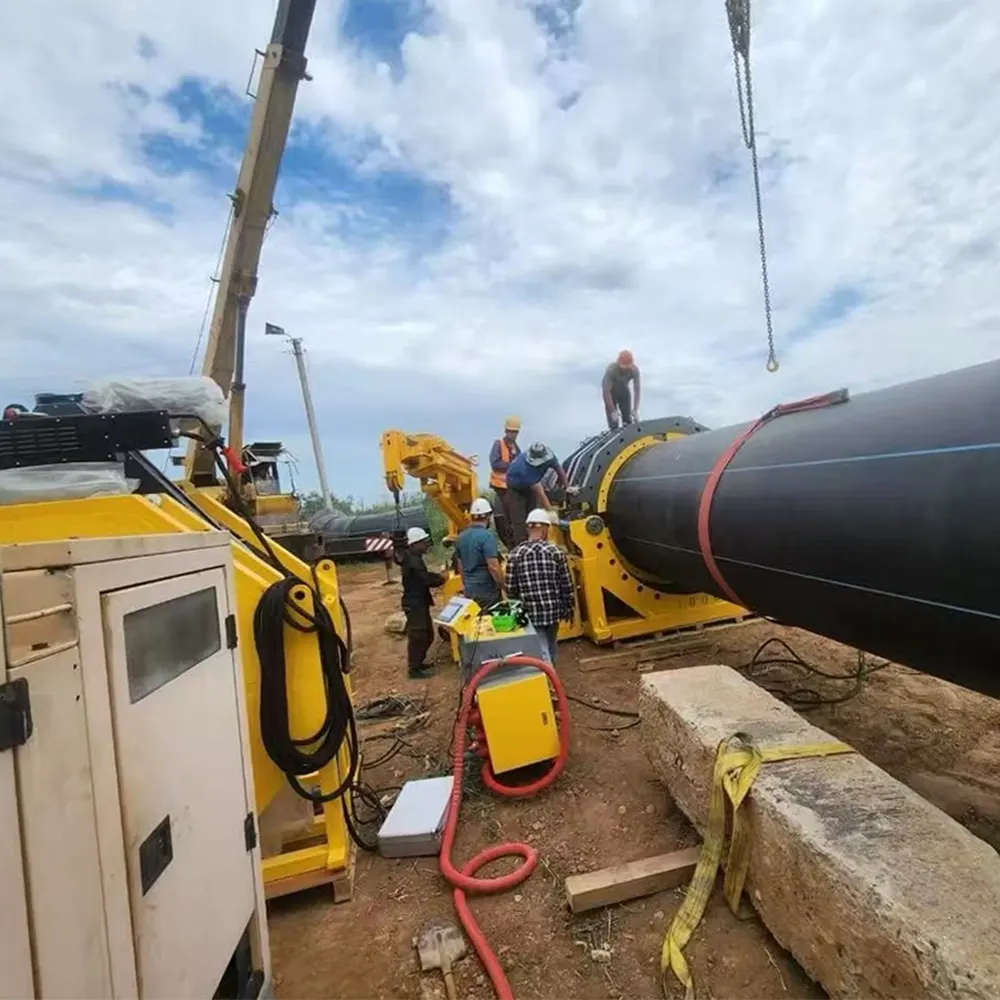
Key Features to Look For
When evaluating machines for Luxembourg worksites, prioritize:
- Stable clamping systems for accurate axial alignment;
- Adjustable heating plates with precise temperature control;
- Reliable hydraulic power units for consistent fusion pressure;
- Portable frames and easy assembly for urban and remote locations;
- Traceability features and digital logs for quality assurance and compliance with procurement documentation.
Performance Comparison Table
| Machine Type | Best For | Typical Pipe Range | Mobility |
|---|---|---|---|
| Manual Butt Fusion | Small projects, repairs | 20mm – 350mm | High |
| Hydraulic Butt Fusion | Municipal & industrial | 160mm – 2250mm | Medium |
| CNC Automatic Fusion | High-volume, precision | 63mm – 1250mm+ | Low (stationary) |
Compliance, Standards, and Quality
Luxembourg projects commonly require adherence to EU and international plastics piping standards. Choose fusion equipment that offers process control and documentation to support compliance with EN and ISO guidelines, ensuring traceable weld records for public tenders and asset managers.
Installation Best Practices for Luxembourg Conditions
Optimize joint quality by following proven procedures: surface preparation, correct heating times, controlled cooling, and calibrated pressure application. In urban Luxembourg sites, plan logistics for narrow streets and permit constraints; for rural and cross-border jobs, ensure equipment is rugged and serviceable in the field.
Service & After-Sales Support Expectations
Reliable local or regional support minimizes downtime. Look for suppliers providing spare parts, calibration services, and operator training. On-site commissioning and documentation packages help contractors meet client and regulator requirements quickly.
About the Manufacturer
JQ-Fusion is a professional manufacturer specializing in HDPE pipe welding machines, offering manual, hydraulic, and CNC automatic butt fusion solutions for water supply, gas distribution, mining, and industrial pipelines. Their equipment covers a wide diameter range and is designed for durability, precision, and customization to meet diverse infrastructure needs.
How to Choose the Right Partner in Luxembourg
For municipal projects and private contractors in Luxembourg, prioritize vendors that provide:
- Proven product quality and European-compliant documentation;
- Local training or accessible online resources for certification of welders;
- Fast spare parts and technical assistance to keep schedules on track.
Next Steps for Procurement Teams
Compile project specs (pipe material & diameter, expected joint counts, site access) and request detailed quotations that include calibration, training, and warranty. A site demo or reference projects in nearby regions can help validate performance before purchase.


