
As a leading source for HDPE pipe welding equipment, trusted wholesalers in Russia seek machines that deliver consistent, high-quality butt fusion and electrofusion results for municipal, industrial, and energy projects. Reliable welding gear improves pipeline longevity, reduces rework, and meets the demands of Russia’s diverse climates—from urban Moscow renovations to remote Siberian gas and water distribution works.
Why Russian Projects Need Purpose-Built HDPE Welding Equipment
Durability in cold climates: Installations across Russia often face sub-zero temperatures and seasonal ground movement. Equipment designed for harsh environments ensures weld integrity, reduces failure risk, and supports long-term performance in permafrost and continental climates.
Efficiency for large infrastructure: Large-diameter pipelines for water, gas, and mining operations require hydraulic and automatic butt fusion machines to speed up production while maintaining uniform weld quality. For urban utilities and smaller service lines, manual and portable units offer flexibility on congested sites.
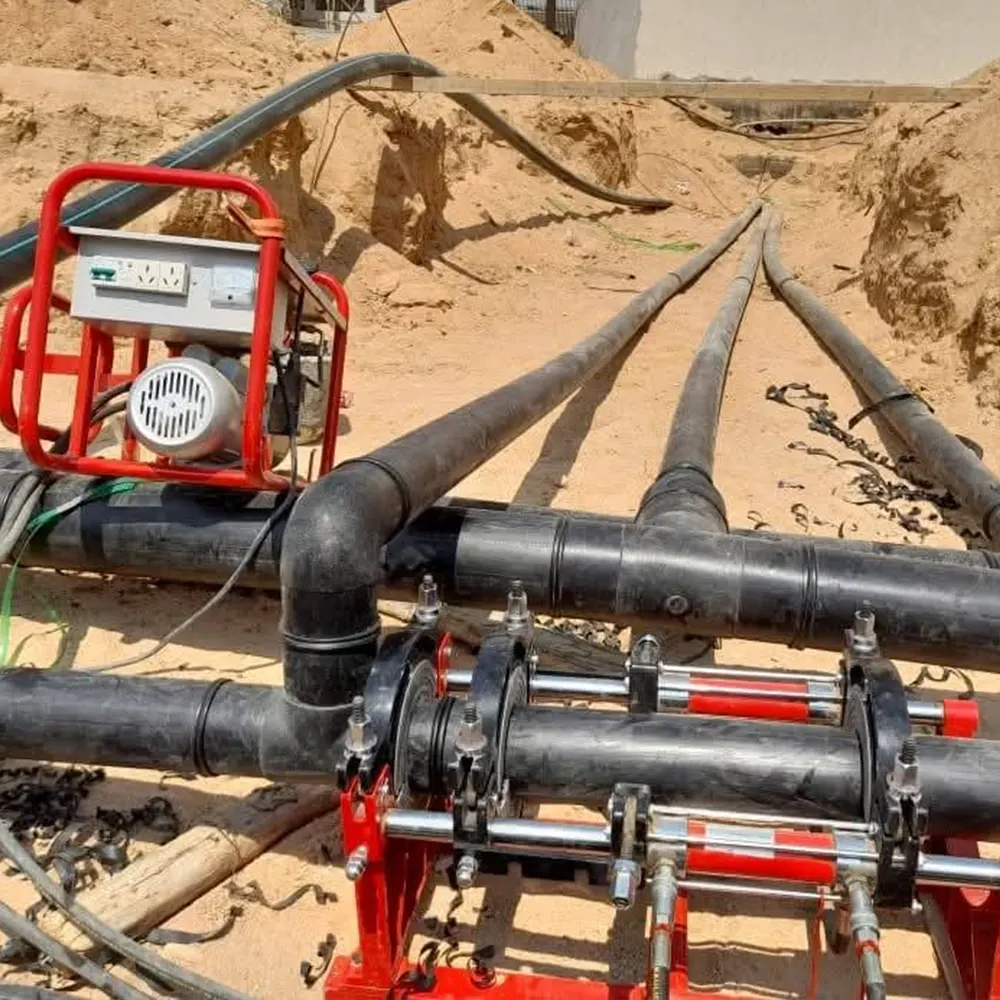
Core Equipment Types for Russian Wholesalers and Contractors
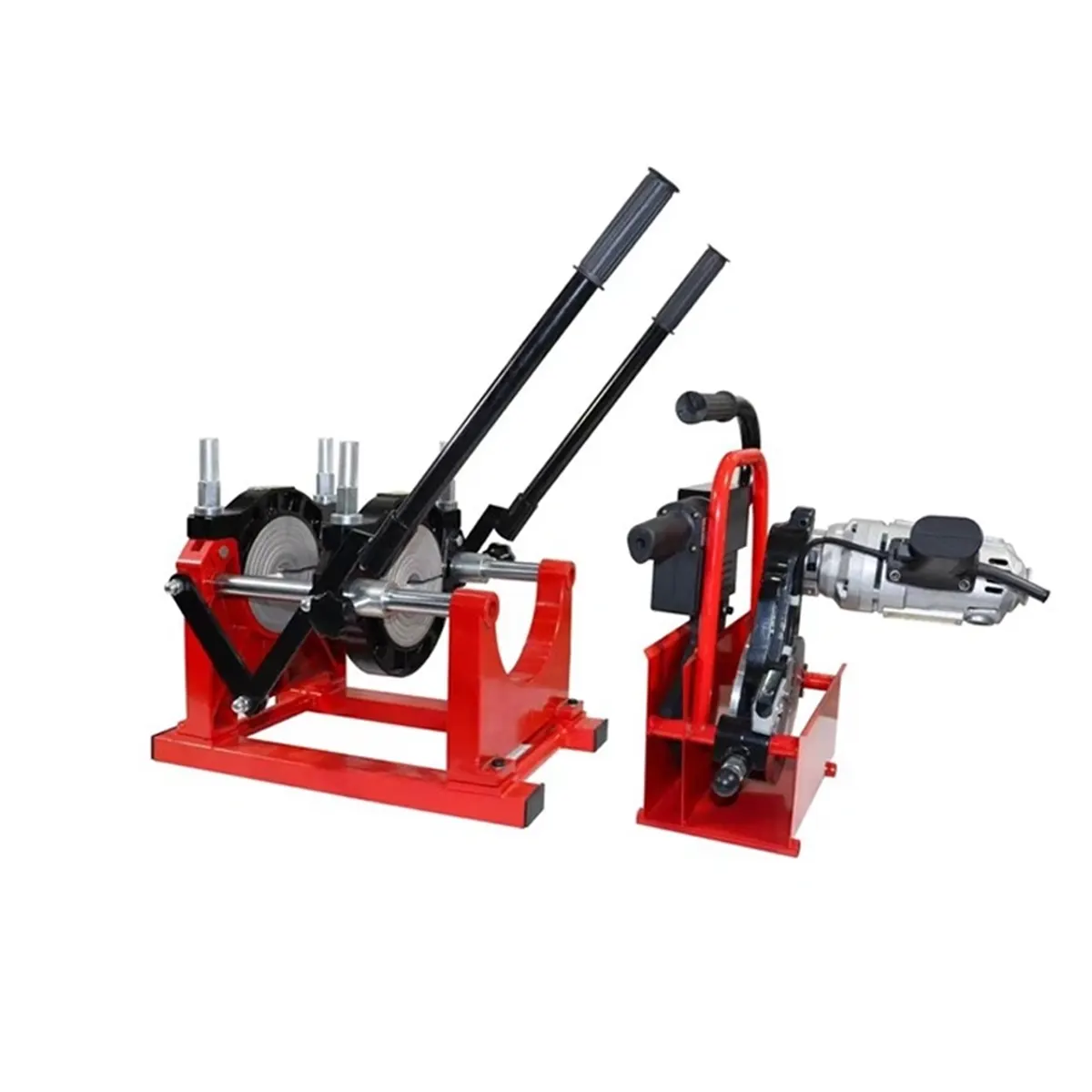
Manual Butt Fusion Machines – Simple, reliable, and ideal for on-site repairs or small-diameter pipe work in urban and rural settings.
Hydraulic Butt Fusion Machines – Built for repeatable, high-force welding on medium to large diameters used in municipal supply and industrial projects.
Automatic / CNC Butt Fusion Machines – Precision welding with programmable cycles, suitable for long runs and production yards where consistency and speed matter.
Electrofusion Units – Preferred for fittings and complex joint configurations; portable models are useful during maintenance and retrofit tasks.
Choosing Equipment for Regional Requirements
When sourcing equipment in Russia, prioritize machines that: withstand low temperatures, are serviceable with locally available parts, and come with clear operation manuals and training support. For municipal tenders and large contractors, traceable weld records and digital control systems can help meet procurement and quality assurance demands.
Model Comparison — Quick Guide
| Model | Pipe Range | Operation | Best For |
|---|---|---|---|
| JQSY Manual Series | 20–315 mm | Manual | Service lines, repairs |
| Hydraulic Heavy-Duty | 315–1250 mm | Hydraulic | Industrial & municipal mains |
| CNC Automatic Range | 63–1000+ mm | Automatic/CNC | High-volume fabrication yards |
Service, Training and Spare Parts — What Russian Buyers Should Expect
Field-proven training programs, remote diagnostics, and local spare parts availability reduce downtime on Russian sites where logistics can be challenging. Choose partners that provide clear maintenance schedules and replacement kits for heating plates, clamps, and hydraulic components.
Site Readiness and Quality Assurance for Russian Installations
Quality welds start with site preparation: clean pipe ends, proper alignment, and controlled heating/cooling cycles. For regulatory compliance and long-lasting infrastructure, maintain welding logs and inspection records—especially for municipal water and gas networks where safety standards are strict.
How Wholesalers Can Differentiate in the Russian Market
Offer localized support packages, certifications aligned with procurement requirements, and rental or demonstration units for large tenders. Emphasize machines that provide repeatable welds in extreme temperatures and tools that reduce on-site labor time.
About the Manufacturer
JQ-Fusion is a professional manufacturer specializing in HDPE pipe welding machines, providing reliable butt fusion solutions for global infrastructure projects.
Next Steps for Russian Buyers
Assess your project scale and environment, request machine demos, and verify spare parts logistics for remote sites. For distributors and contractors focusing on Russian pipelines, selecting robust, serviceable HDPE welding equipment is an investment in long-term project success and operational safety.



