
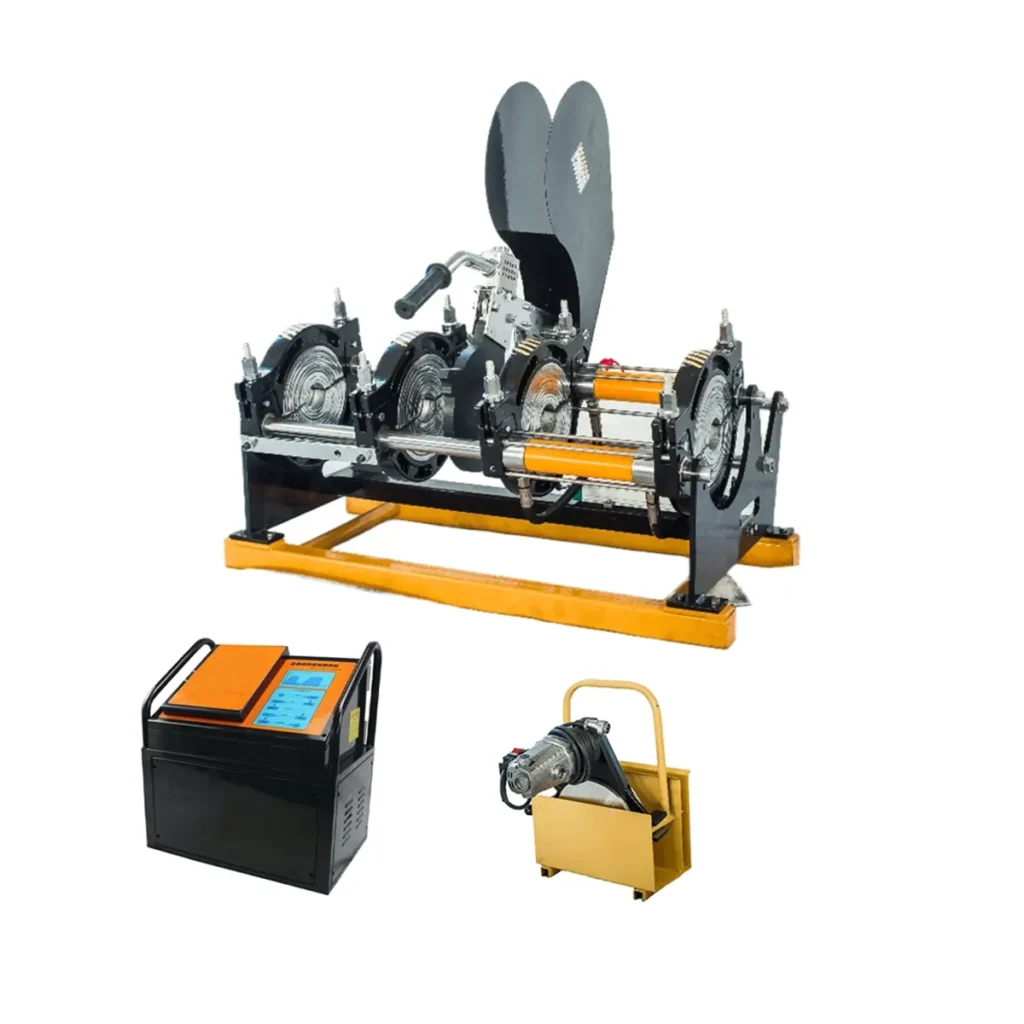
Choosing the right fusion welding machine supplier can make the difference between project delays and long-term pipeline integrity. This guide outlines the critical factors procurement teams, contractors, and pipeline installers should consider when sourcing butt fusion and HDPE pipe welding equipment.
Why partner with a reliable fusion welding machine supplier
Consistent weld quality ensures fewer field repairs and lower lifecycle costs. A trustworthy supplier provides machines that deliver repeatable fusion parameters, traceable process control, and easy maintenance. For industrial pipe joining—water, gas, mining, or industrial services—machine reliability directly impacts safety and uptime.
Benefits to operations
Improved efficiency from automated controls reduces operator variability. Compact manual units provide site flexibility for remote jobs. Durable hydraulic systems handle large-diameter pipes and heavy-duty workflows.
Core fusion welding machine types
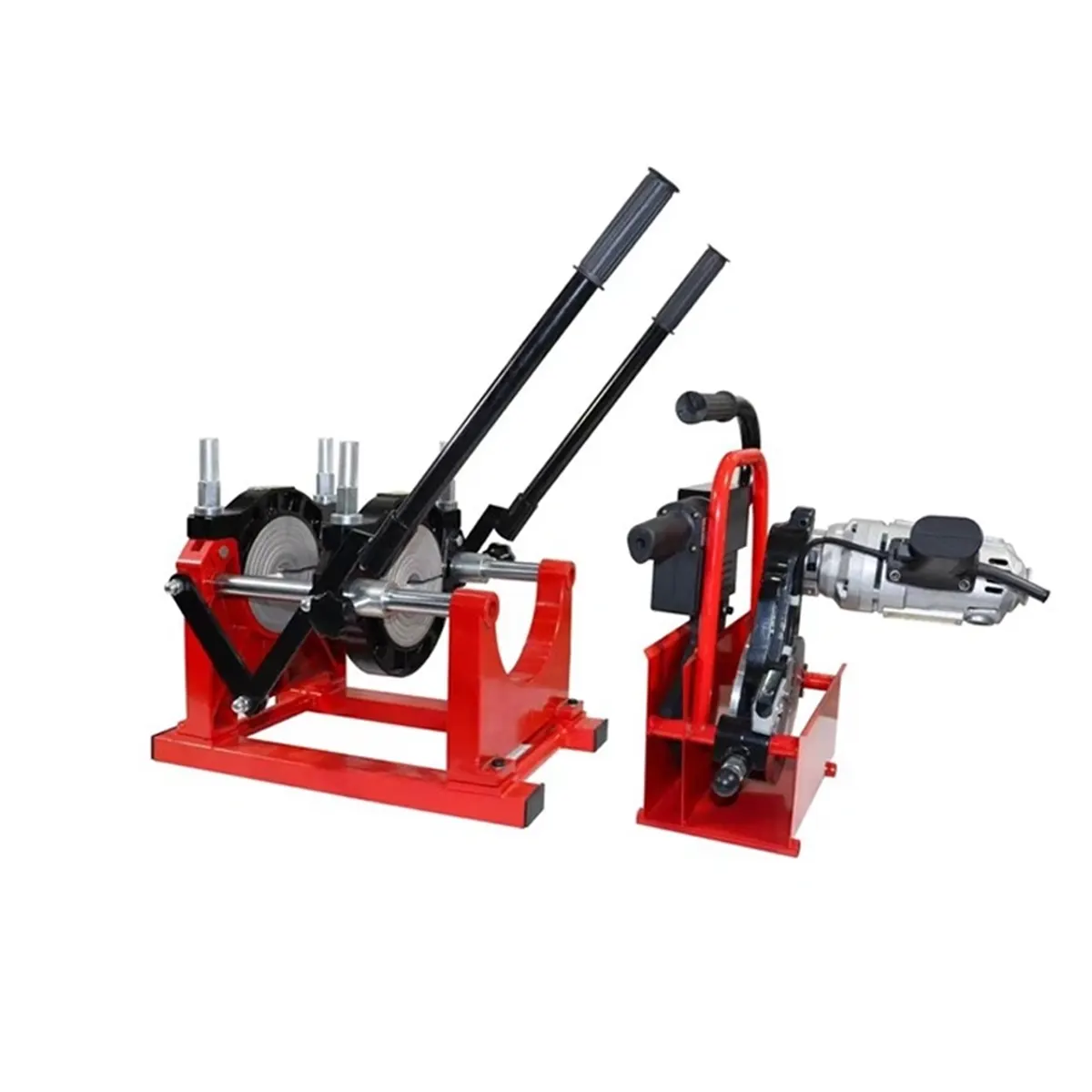
Manual butt fusion machines
Lightweight and portable, manual machines are ideal for small-diameter HDPE joins and maintenance crews. They are cost-effective and easy to operate for teams trained in standard fusion procedures.
Hydraulic butt fusion machines
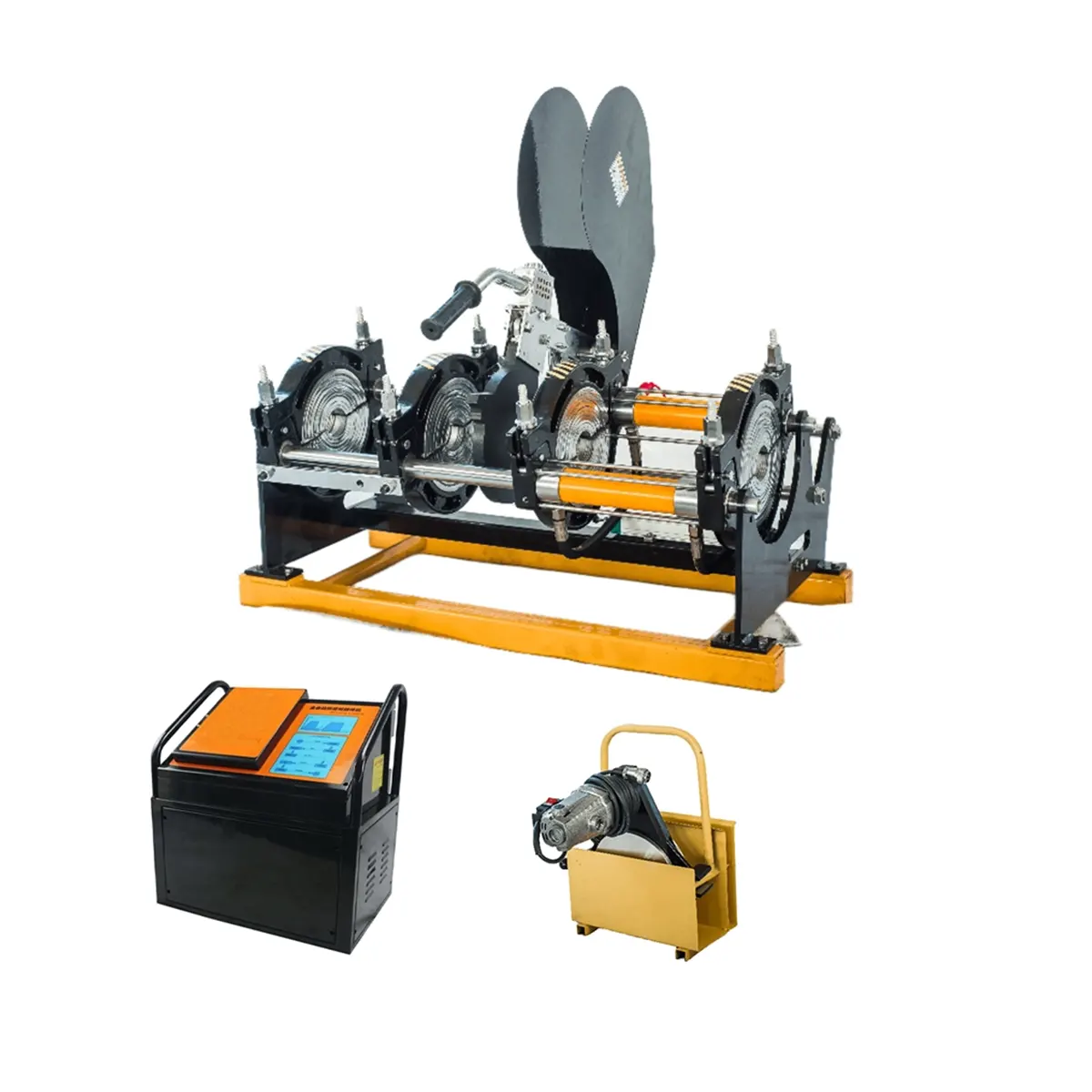
Hydraulic models provide robust clamping force for medium to large diameters, offering consistent pressure control during heating and joining phases. They are suited for long pipeline runs and higher production volumes.
Automatic / CNC butt fusion machines
Automatic units feature programmable weld schedules, real-time process monitoring, and data logging for traceability. They are recommended for municipal and industrial contractors that require high throughput and documented quality assurance.
Quick comparison
| Machine Type | Best For | Key Advantage |
|---|---|---|
| Manual | Small-diameter repairs, remote sites | Portability, low cost |
| Hydraulic | Medium to large pipelines | Stable pressure control, durability |
| Automatic / CNC | High-volume production, projects requiring traceability | Programmed welds, data logging |
Key selection criteria for buyers
Weld traceability — Look for machines with data export or built-in QA logging to document fusion parameters. This is particularly important for regulated projects and municipal contracts.
Service and spare parts — Easy access to spare heating plates, clamps, and control modules minimizes downtime. Evaluate the supplier’s service network and response time.
Customization — Projects vary: ensure the supplier can tailor clamp frames, hydraulic stations, or CNC software to match your pipe diameters and fittings.
Installation, training and on-site support
Proper installation and operator training are essential. A strong supplier will provide commissioning support, operator manuals, and training modules that cover fusion theory, machine operation, and basic troubleshooting. For high-spec CNC systems, on-site calibration and software setup are often included.
Procurement tips for industrial projects
Request sample weld reports and test certificates, inspect manufacturing QA processes, and confirm warranty terms. When comparing quotes, factor in lifecycle costs—maintenance, spare parts, and training—rather than only initial purchase price.
About JQ-Fusion
JQ-Fusion is a professional manufacturer specializing in HDPE pipe welding machines, providing reliable butt fusion solutions for global infrastructure projects. With years of industry experience, the company develops manual, hydraulic, and CNC automatic butt fusion welding machines covering a wide range of pipe sizes, and supports clients with quality control and responsive service.
Final note
Choosing the right fusion welding machine supplier ensures safer, faster, and more economical pipeline installations. Prioritize equipment that matches your production needs, offers solid after-sales support, and has proven performance in the field.



