
Italy’s infrastructure and industrial sectors demand robust, precise, and compliant HDPE pipe welding equipment to support municipal water networks, gas distribution, and large civil projects. Selecting the right butt fusion welding machines and local support network is critical for long-lasting pipeline performance across Italy’s varied terrain—from Alpine valleys to coastal regions.
Trusted Solutions for Italian Infrastructure Projects
Butt fusion welding remains the preferred joining method for HDPE pipelines in Italy because it delivers leak-free, corrosion-resistant joints suitable for potable water, gas, irrigation, and industrial lines. Contractors and municipal utilities look for machines that combine portability for site work with repeatable, certified weld quality for regulatory compliance.
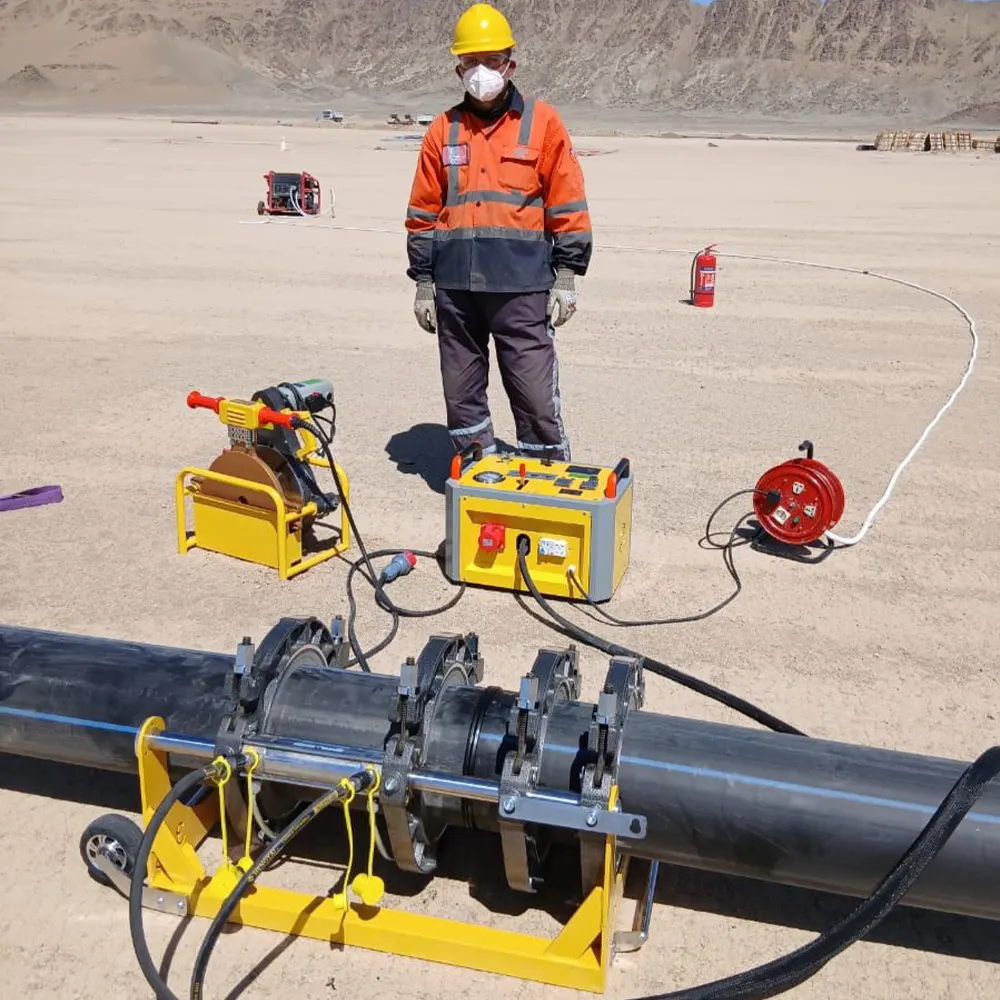
Equipment Types Tailored to Italian Needs
Different project scales in Italy require a spectrum of welding solutions. Below is a straightforward comparison to help engineers and procurement teams match machine types to project demands.
| Machine Type | Best For | Diameter Range | Typical Italian Applications |
|---|---|---|---|
| Manual Butt Fusion | Small jobs & remote sites | 20mm – 160mm | Rural water supply, small irrigation works |
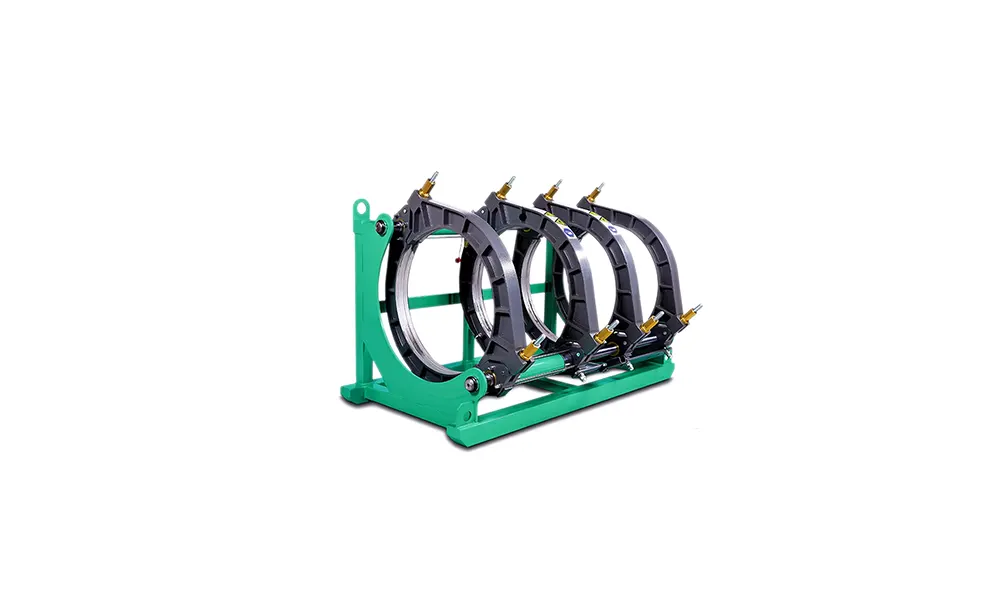
| Hydraulic Butt Fusion | Construction sites & medium projects | 160mm – 1000mm+ | Municipal water mains, sewer diversion, gas pipelines |
| CNC / Automatic Butt Fusion | Large-diameter & high-volume production | 250mm – 2250mm+ | Major infrastructure, industrial pipelines, long-distance trunk lines |
Key Features to Prioritize
Durability, precision control, and ease of maintenance rank highest for Italian buyers. Look for machines with strong clamp frames for uneven soils, reliable hydraulic systems for repeatable pressure, and digital temperature/time controls for consistent joint quality.
Portability is essential for hillside and island projects in Italy, while large-diameter capability is critical for city-scale water and industrial networks.
Compliance, Standards & Local Considerations
Italy follows European regulations and national standards (CE marking, UNI, and ISO guidelines) for pipeline safety and testing. Contractors need welding records, traceable process parameters, and trained operators. In seismic areas, pipeline flexibility and joint integrity are paramount; coastal projects also require attention to UV-resistant materials and anti-corrosion measures for associated fittings.
After-Sales Support, Training & Spare Parts
Reliable local support networks or responsive international suppliers with efficient spare-parts shipping help minimize downtime. Operator training—covering correct fusion parameters, maintenance, and on-site documentation—is often a deciding factor for Italian municipalities and EPC contractors.
Choosing a Supplier
For dependable butt fusion solutions and tailored support for the Italian market, consider a manufacturer that supplies a full range of manual, hydraulic, and CNC automatic butt fusion welding machines and commits to quality control and responsive service—such as JQ-Fusion (https://jq-fusionwelding.com/).
Project success in Italy depends on matching machine capability to local conditions, ensuring compliance with EU/UNI standards, and securing timely maintenance and training. Well-chosen HDPE welding equipment delivers long-term leak-free pipelines for water, gas, mining, and industrial applications across Italy.



