
Finding the right butt fusion machine supplier in Lithuania can determine the success of water, gas, and industrial pipeline projects across the country. From cold Baltic winters to porous soils in rural regions, Lithuanian contractors and municipal engineers need equipment that delivers reliable HDPE pipe welding performance, efficient local support, and EU-compliant certification.
Why the Right Butt Fusion Machine Matters in Lithuania
Infrastructure projects in Lithuania — including district heating upgrades, rural water supply renovations, and gas distribution expansions — demand welding machines that handle variable site conditions. A well-chosen butt fusion machine improves joint integrity, reduces rework in frost-prone months, and shortens installation schedules for municipal tenders.
Types of Butt Fusion Machines to Consider
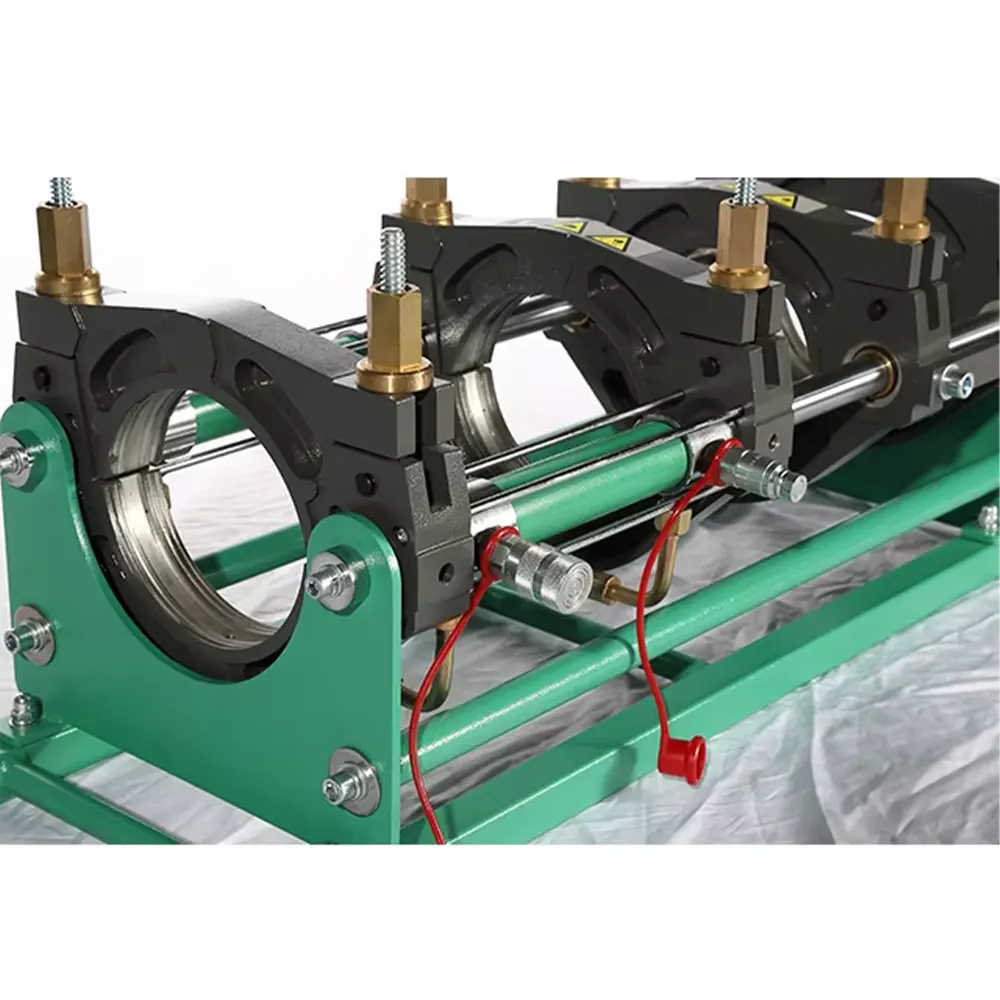
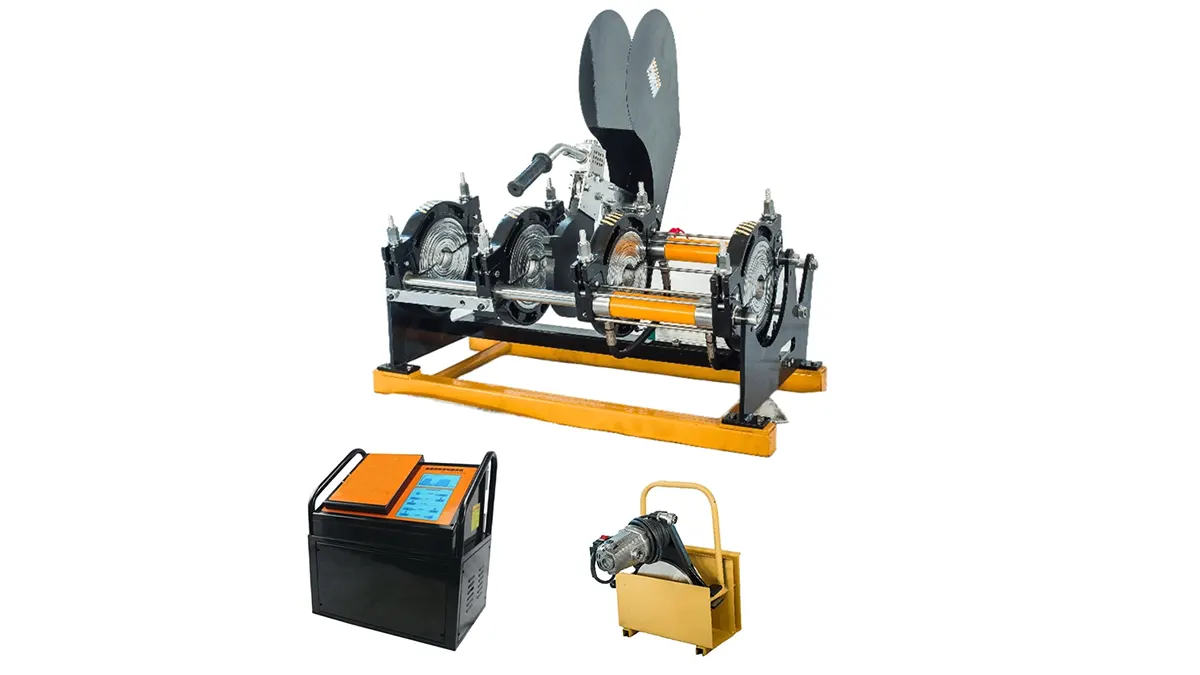
Choose a machine class based on pipe diameter, automation level, and crew skill: manual units for occasional repairs and tight budgets; hydraulic machines for heavy-duty, precise pressure control; and CNC/automatic systems for high-volume contractors and factory fusion. Consider multi-angle fitting machines when working with complex municipal networks.
Key Supplier Evaluation Checklist
When researching a butt fusion machine supplier in Lithuania, ask specific questions about machine range, spare part availability, service response time, and certifications. Below is a compact checklist table to compare suppliers at a glance.
| Parameter | What to ask | Why it matters |
|---|---|---|
| Pipe size range | Which diameters does the machine handle? | Ensures compatibility with municipal and industrial projects. |
| Automation level | Manual, hydraulic, or CNC/automatic? | Affects speed, operator skill required, and weld consistency. |
| Spare parts & training | Are spare parts stocked and is operator training offered? | Reduces downtime and improves long-term ROI. |
| Certifications | CE, ISO, and welding compliance? | Required for EU public tenders and safety standards. |
| Local support | Do they offer service partners or field technicians in Lithuania? | Faster repairs and better project continuity during winter months. |
Procurement Tips Specific to Lithuanian Buyers
Because Lithuania is part of the EU, prioritize suppliers who provide clear CE marking, export documentation, and VAT-compliant invoices. For public procurement, include technical specifications that reference European welding norms. Factor in seasonal delivery schedules — ships and freight can be delayed during winter storms or peak construction seasons.
After-Sales Service, Training & Spare Parts
Reliable after-sales service is essential. Ask potential suppliers about remote diagnostics, spare-part lead times to EU ports, and on-site training for Lithuanian crews. Machines with modular components simplify repairs in remote rural areas and cut long-term maintenance costs.
Warranty and Performance Guarantees
Clarify warranty coverage, wear-parts life (e.g., heaters, rams, clamps), and whether the supplier provides weld procedure documents for quality assurance. For gas networks and potable water in Lithuania, documented welding procedures help pass regulatory inspections.
Making the Final Choice
Balance total cost of ownership — initial price, training, spare parts, and local support — rather than selecting solely on upfront cost. For many Lithuanian contractors, the best option combines robust hydraulic performance for cold weather and accessible maintenance support within the EU.
If you want a reliable partner with a wide range of manual, hydraulic, and CNC automatic butt fusion welding machines and global experience, consider contacting JQ-Fusion (https://jq-fusionwelding.com/).



