
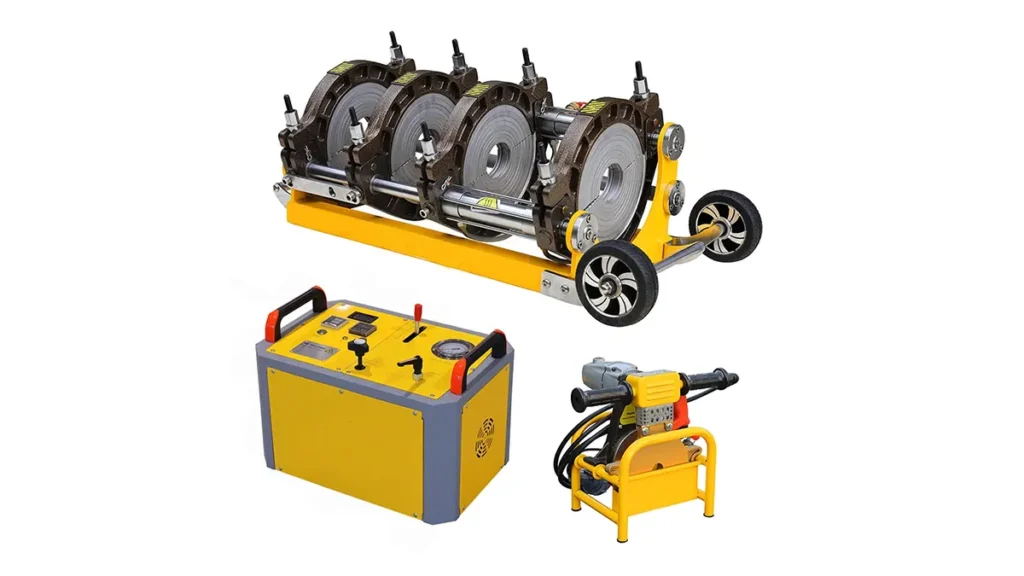
Pakistan’s growing infrastructure—urban water networks, gas distribution projects, and mining operations—requires durable HDPE pipeline solutions. As a trusted manufacturer, JQ-Fusion offers a complete range of butt fusion welding machines designed to meet the performance and environmental demands of Pakistani contractors and utility operators.
Why Butt Fusion Welding Suits Pakistan’s Pipeline Projects
Durability in diverse climates: HDPE systems assembled by proper butt fusion create leak-free, corrosion-resistant joints that perform well in Pakistan’s hot summers and variable soil conditions.
Cost-efficiency for municipal works: Long service life and low maintenance reduce lifecycle costs for water supply and sewer projects across cities like Lahore, Karachi, and Islamabad.
Safety for gas and industrial pipelines: Reliable fusion welds are essential for natural gas distribution, fertilizer plants, and mining pipelines where joint integrity is critical.
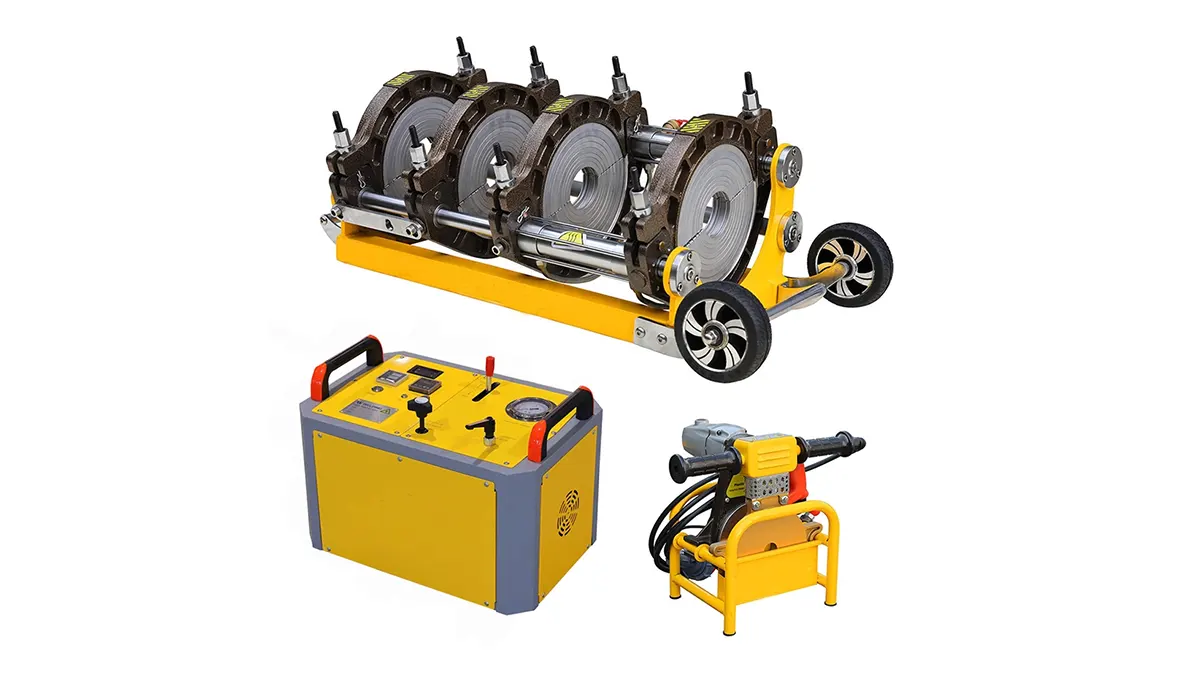
Range of Welding Solutions — From Jobsite Simplicity to Automated Precision
Equipment selection depends on project scale and site conditions. Typical categories used across Pakistan:
| Machine Type | Typical Pipe Range | Best For |
|---|---|---|
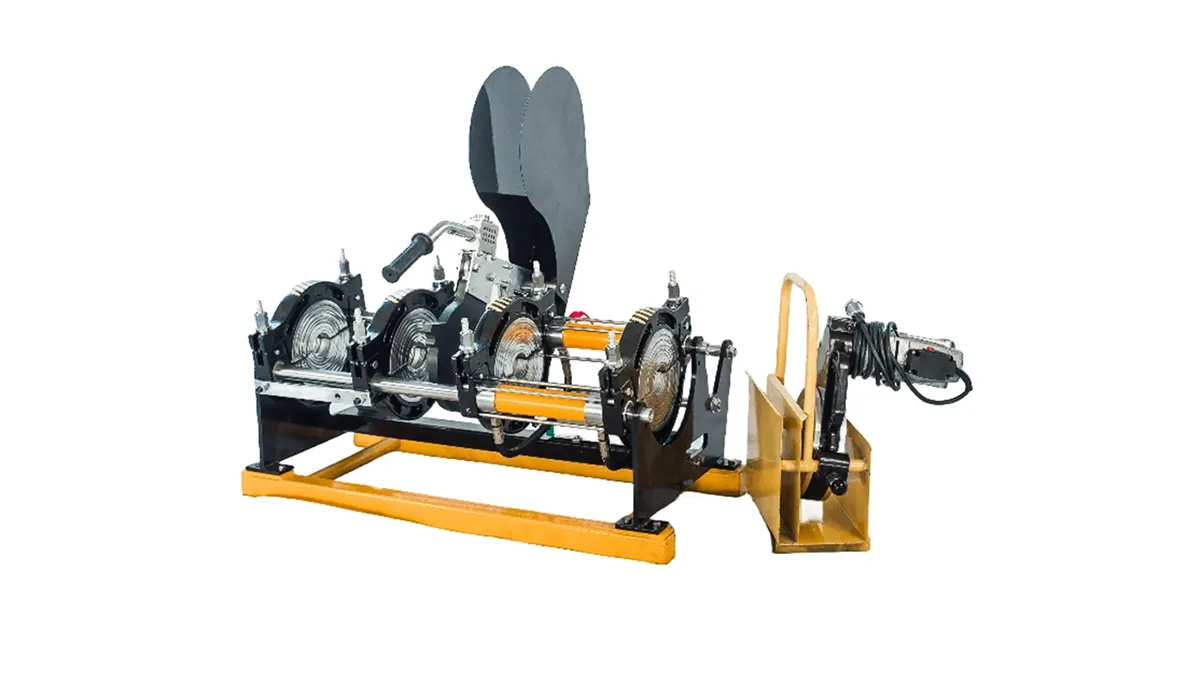
| Manual Butt Fusion (portable) | 20mm – 400mm | Rural distribution, emergency repairs |
| Hydraulic Butt Fusion | 110mm – 1250mm+ | Municipal mains, medium to large diameter pipes |
| Automatic / CNC Butt Fusion | 160mm – 1000mm (and larger with custom units) | High-volume production, factory prefabrication |
Key Features That Matter in Pakistan
Robust frames and clamps: Heavy-duty frames resist site wear and maintain alignment during fusion of large diameters.
Portable options: Lightweight manual units for remote project sites and irrigation schemes in provinces like Sindh and Punjab.
Automated control: Integrated temperature and pressure control on CNC units yields repeatable weld quality for long mainline installs.
Performance & Quality Guarantees
Consistent weld integrity: Controlled heating and accurate alignment reduce joint defects, delivering high first-pass success—critical on gas and potable water networks.
Adaptable to local conditions: Machines designed for on-site variability—dusty environments, limited power supply, and uneven terrain—support real-world Pakistani job sites.
Technical Snapshot (Representative Models)
| Model / Type | Diameter Range | Control |
|---|---|---|
| JQH-Series Hydraulic | 160mm – 2000mm+ | Manual hydraulic console |
| JQA-Series Automatic | 160mm – 1000mm | CNC automatic control |
| Manual Portable Units | 20mm – 400mm | Operator-controlled |
Service, Training & After-Sales Considerations
For contractors and municipal teams in Pakistan, machine uptime and operator competence are essential. On-site training for fusion technicians, readily available spare parts, and remote setup guidance improve project schedules and safety compliance. When specifying equipment, prioritize suppliers that provide technical documentation, certification guidance for weld procedures, and responsive spare-part logistics.
Choosing the Right Machine for Your Project
Match machine capacity to your pipeline diameter, production rate, and mobility needs. For isolated rural pipelines choose portable manual units; for city-scale mains select hydraulic or automatic systems with documented welding parameters. Always verify that operators are trained in butt fusion standards to ensure long-term system performance.
Ready to evaluate options or request technical specs? Visit the manufacturer’s website for model datasheets, case studies, and contacts: https://jq-fusionwelding.com/



