
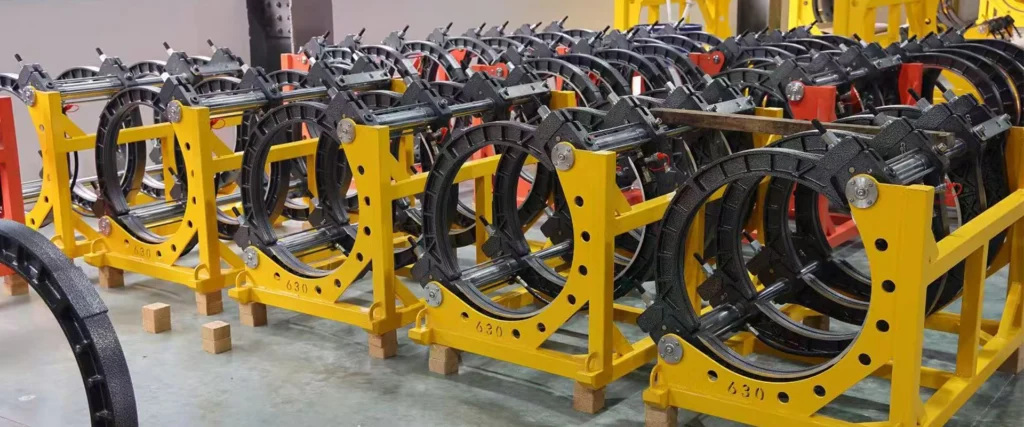
Reliable welding technology is critical for gas pipeline projects in Iraq — from urban distribution networks in Baghdad and Basra to long-distance transmission lines across desert and marshland. Selecting the right gas line welder supplier ensures safe, code-compliant joints, faster project schedules, and long-term operational reliability for HDPE gas mains and service lines.
Why Quality Welders Matter for Gas Pipelines in Iraq
Safety and leak prevention are top priorities in regions that combine dense city populations and remote field installations. Proper butt fusion welding eliminates weak joints and reduces the risk of methane leakage. In Iraq, where gas distribution networks are expanding to support industrial growth and residential supply, dependable welding equipment is essential.
Performance under local conditions
Iraq’s varied climate — high temperatures in summer, dusty environments, and coastal humidity near Basra — demands machines with robust cooling, sealed controls, and corrosion-resistant components. Reliable welders ensure consistent heating, accurate alignments, and repeatable fusion cycles across these environments.
Key Features to Look For
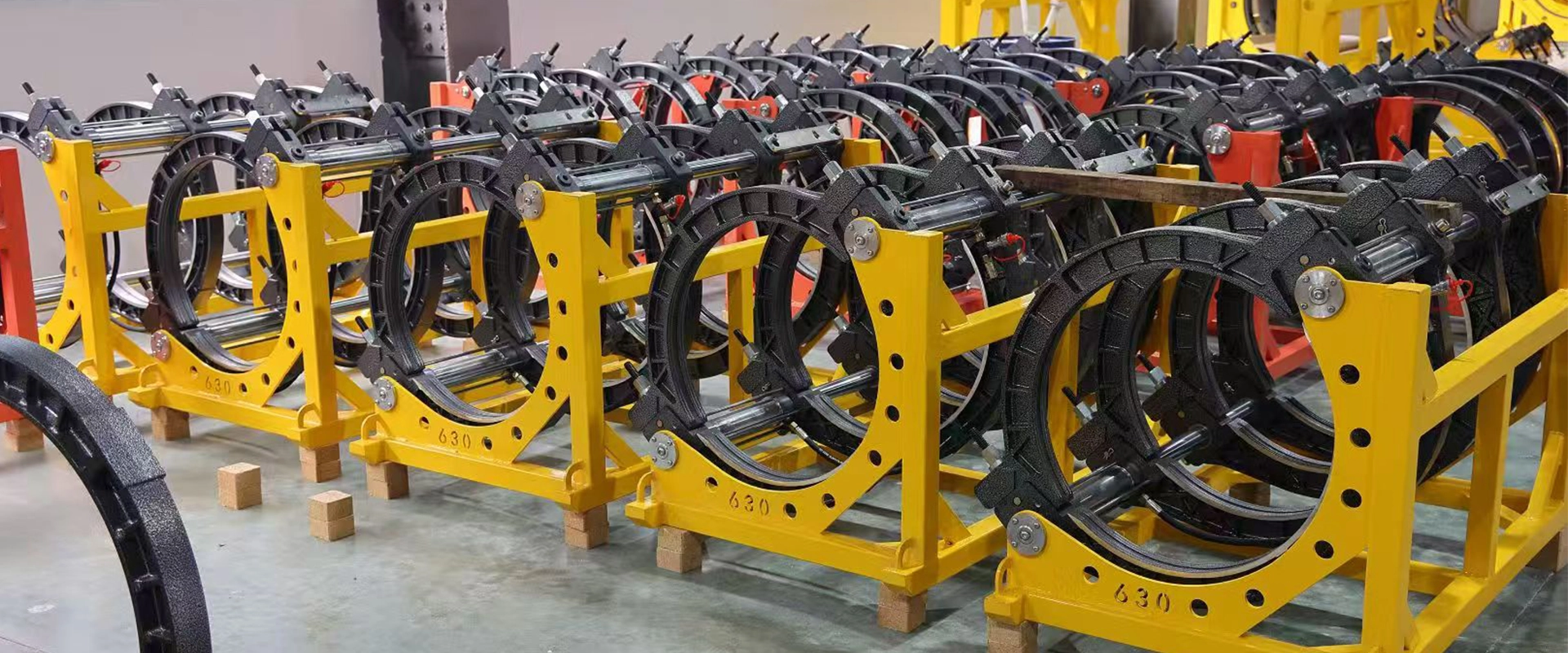
Precision control for heating and fusion time, sturdy clamps and alignment frames for straight, concentric pipe joints, and easy-to-read controls for on-site operators are essential. For larger distribution projects or trunk lines, hydraulic or CNC automatic butt fusion machines deliver higher throughput and less operator variability.
Mobility and serviceability
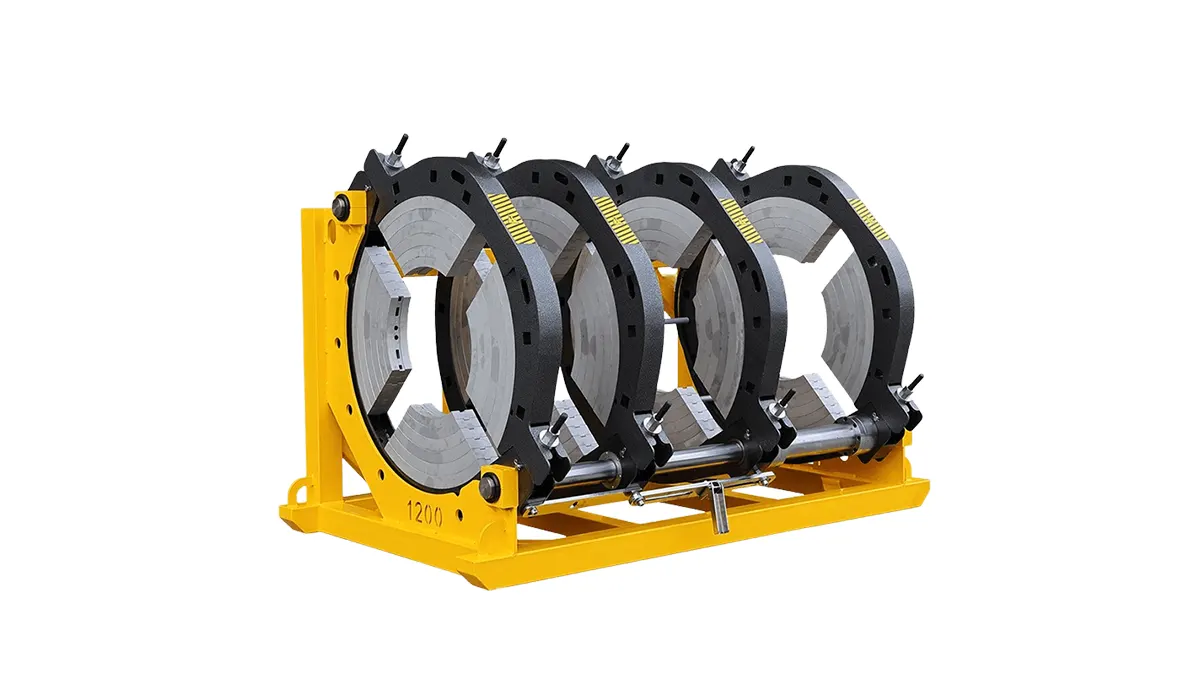
Compact manual units suit rural service teams and field repairs, while hydraulic frames and automatic systems are better for factory-like prefabrication yards and larger construction spreads. Consider spare parts availability and local service support when choosing hardware for long-term deployment in Iraq.
Model Comparison — Typical Choices for Iraqi Pipeline Projects
| Model | Pipe Range | Type | Best For |
|---|---|---|---|
| Manual Butt Fusion | 20–400 mm | Manual | Small service lines, repairs |
| Hydraulic Frame Series | 250–1600 mm | Hydraulic | Large trunk pipelines, prefabs |
| CNC Automatic Units | 63–630 mm | Automatic | High consistency, contractor yards |
Training and certification considerations
Skilled welders reduce rework and ensure compliance with international gas pipeline standards. Suppliers that provide on-site training, welding procedure specifications (WPS), and weld quality documentation help Iraqi contractors meet government and operator requirements. Local-language training or bilingual manuals can speed adoption among Iraqi crews.
Logistics, Support, and After-Sales Service in Iraq
Consider suppliers that understand Iraqi import routes, customs procedures, and on-the-ground service networks. Fast access to heating plates, clamps, and control modules prevents project delays. A supplier offering remote technical support, clear maintenance guides, and replacement components will reduce downtime on critical gas projects.
Local deployment tips
Plan spare parts kits for high-use items, schedule preventive maintenance before extreme weather seasons, and prepare training sessions aligned with major construction phases. For urban projects, prioritize compact, low-noise units for ease of operation near populated areas.
How to Choose a Trusted Supplier
Evaluate suppliers on product range, quality documentation, warranty terms, and their ability to support testing and commissioning. Ask for references from other Middle East projects, verify machine performance data, and ensure the supplier can offer hands-on training for your site teams.
A reliable partner for pipeline success
For contractors and utilities expanding Iraq’s gas infrastructure, partnering with an experienced HDPE welding machine manufacturer can accelerate project delivery and reduce lifecycle risks. JQ-Fusion offers a broad portfolio of manual, hydraulic, and automatic butt fusion machines tailored to pipeline needs and operational realities in Iraq.
Contact & next steps
Request machine specifications, lead times, and onsite training packages early in project planning. Early engagement with a supplier helps align equipment selection with pipe size ranges, site logistics, and workforce capabilities — ensuring safer, more efficient gas line construction across Iraq.



