
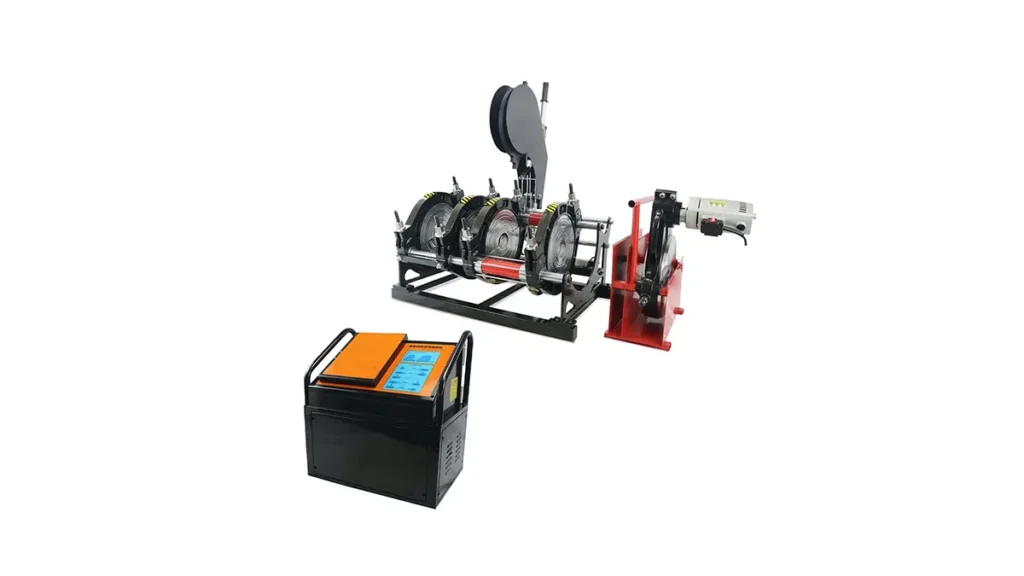
Egypt’s expanding infrastructure — from Cairo’s water networks to irrigation projects along the Nile and gas distribution lines near Suez — is driving demand for reliable HDPE pipe jointing machines. This guide explains the common machine types, key features to look for, local considerations for Egyptian buyers, and a practical buying checklist to help contractors and distributors choose the right equipment.
Types of HDPE Pipe Jointing Machines
Understanding machine categories helps match equipment to project scale and site conditions.
Manual Butt Fusion Machines
Compact and cost-effective, manual units are ideal for small-diameter pipes and rural irrigation or local contractor work. They require experienced operators for consistent weld quality.
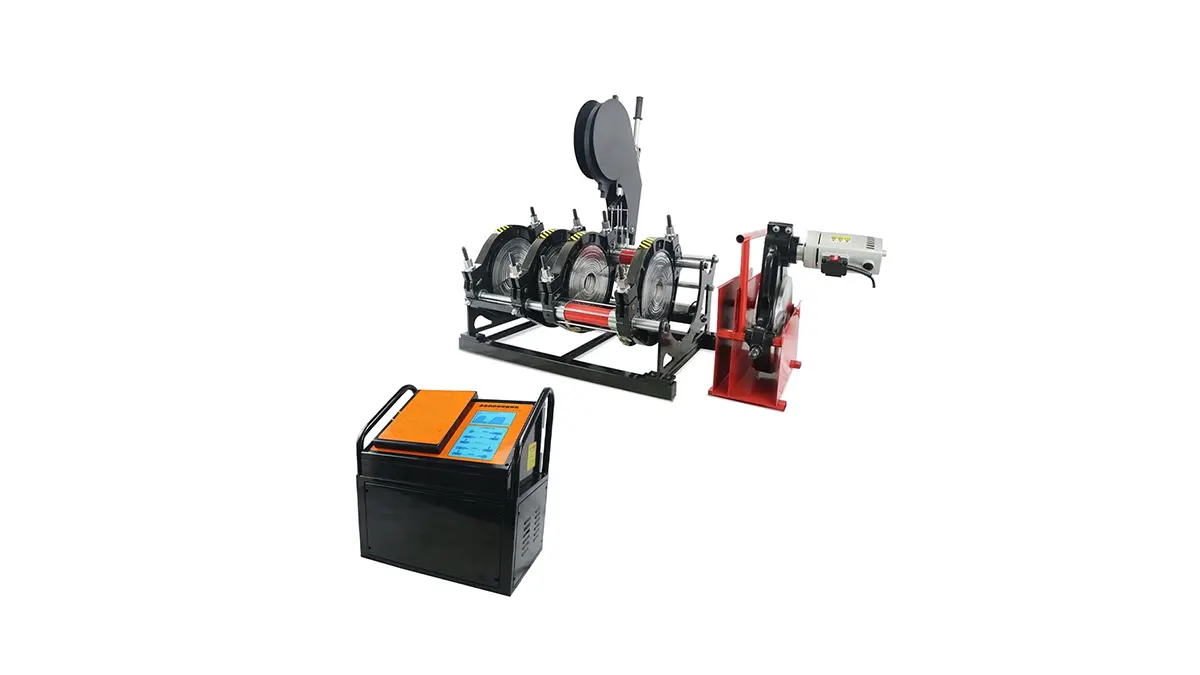
Hydraulic Butt Fusion Machines
Hydraulic models provide steady clamping force and are suited for medium to large diameters used in municipal water mains and industrial pipelines. Their robust frames handle tougher field conditions across Egypt’s varied terrains.
Automatic / CNC Butt Fusion Machines
Automatic machines with PLC control and data logging deliver repeatable results and are recommended for long runs, high-volume utility projects, and when traceable weld records are required by project owners or regulators.
Multi-Angle & Fittings Machines
Specialized machines for welding fittings and complex angles are useful for off-take stations and network junctions common in urban developments and large irrigation schemes.
Key Features to Prioritize
When evaluating machines for use in Egypt, focus on durability, ease of service, and features that improve weld quality under local site conditions.
- Accurate Pressure Control — Stable, measurable force during cooling reduces weld failures in hot climates.
- Reliable Heating Plate — Even temperature distribution and quick recovery for consistent fusion on polyethylene pipes.
- PLC/Touchscreen with Data Logging — Useful for projects requiring weld reports for authorities or clients.
- Interchangeable Clamps & Frames — Flexibility to cover a wide diameter range from small irrigation lines to large-diameter mains.
- Rugged Construction & Corrosion Resistance — Important for sandy, coastal or desert sites across Egypt.
- Portable Power Options — Machines compatible with local 220V 50Hz supply and options for generator operation on remote sites.
Local Considerations for Buyers in Egypt
Egypt-specific factors affect procurement, deployment, and long-term value:
- Climate & Site Conditions — High temperatures and dust call for machines with sealed electronics and durable coatings.
- Port & Logistics — Choose suppliers familiar with shipments to Alexandria, Port Said or Sokhna to minimize lead time and customs delays.
- Training & After-Sales Support — On-site training and spare parts availability are essential for contractors in Cairo, Aswan and governorates.
- Standards & Certification — Verify ISO/EN/ASTM compliance and weld procedure compatibility with local utility requirements.
- Power & Site Safety — Confirm electrical compatibility and safe grounding for field operations.
Buying Guide & Budget Factors
Budget should reflect the expected workload, required weld traceability, and the total cost of ownership (training, spares, service).
- Project Scale — Manual machines for small projects; hydraulic or automatic for city or industrial networks.
- Weld Traceability — Automatic/CNC units cost more but reduce rework and meet strict client specs.
- Spare Parts & Consumables — Heating plates, heaters, and clamping jaws are consumable elements; ensure local stock or fast shipping.
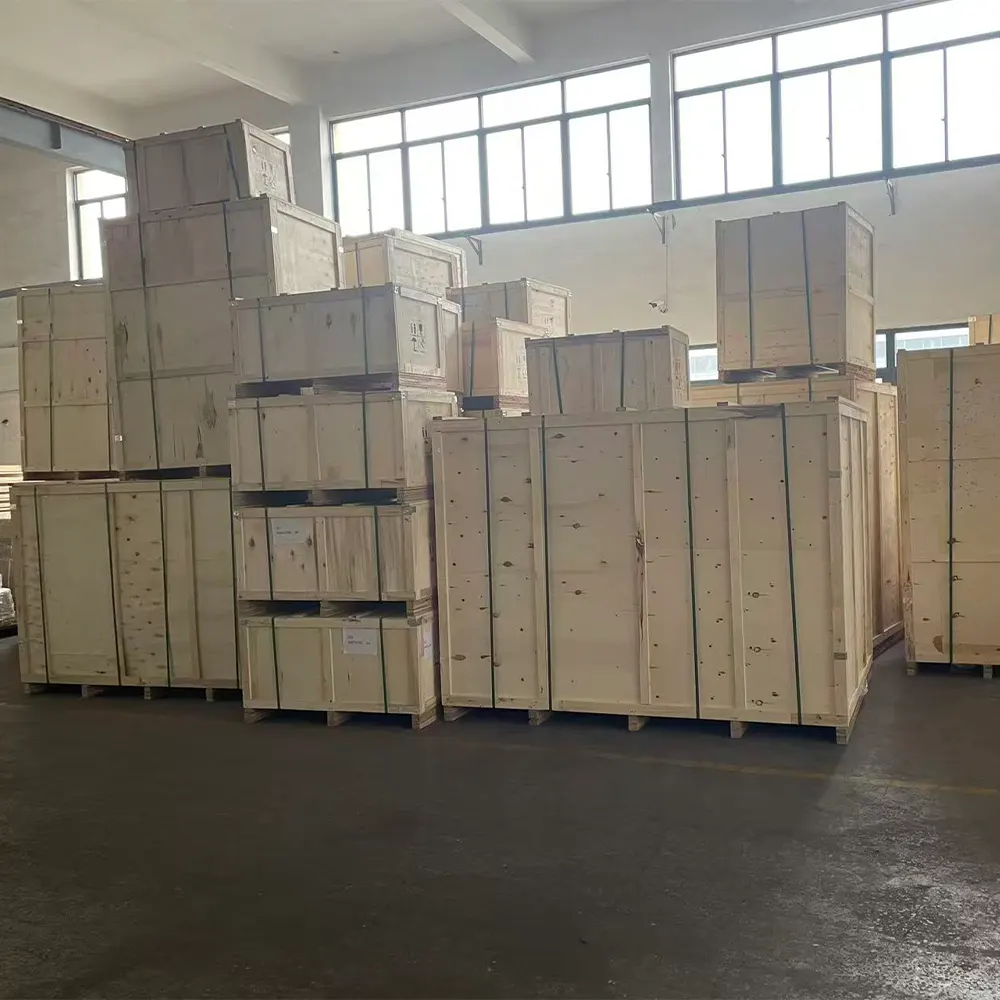
- Transport & Packaging — Factor in crates, freight, and customs handling to principal Egyptian ports.
- Warranty & Technical Support — Prefer vendors offering prompt remote support and on-site service options.
Comparison Table: Which Type Suits Your Project?
| Machine Type | Best For | Pros | Considerations |
|---|---|---|---|
| Manual Butt Fusion | Small-diameter irrigation, repairs | Low cost, portable | Operator skill dependent |
| Hydraulic Butt Fusion | City water mains, gas lines | Stable pressure, wider diameter range | Heavier, needs transport |
| Automatic / CNC | Large projects, regulated utilities | Repeatability, data logs | Higher upfront cost, trained operators |
| Multi-Angle Machines | Fittings, complex junctions | Precision for fittings | Specialized use, added cost |
Practical Tips for Egyptian Buyers
To get a reliable machine and avoid delays:
- Request local references or installations within Egypt or nearby North Africa.
- Confirm spare parts lead times to Alexandria/Port Said and ask about local distributors or service partners.
- Insist on welding procedure documentation and on-site operator training during commissioning.
- Check electrical compatibility and include a generator option if operations will be remote.
Contact & Next Steps
For tailored HDPE butt fusion solutions and a detailed quote, contact JQ-Fusion via their website: https://jq-fusionwelding.com/. Their product range covers manual, hydraulic and automatic machines suitable for Egyptian pipeline, irrigation and gas projects.
Final Note
Selecting the right HDPE pipe jointing machine in Egypt depends on project scale, required weld traceability, and site logistics. Prioritize machines with robust construction, accessible spares, and proven after-sales support to ensure long-term performance across Egypt’s varied environments.



