
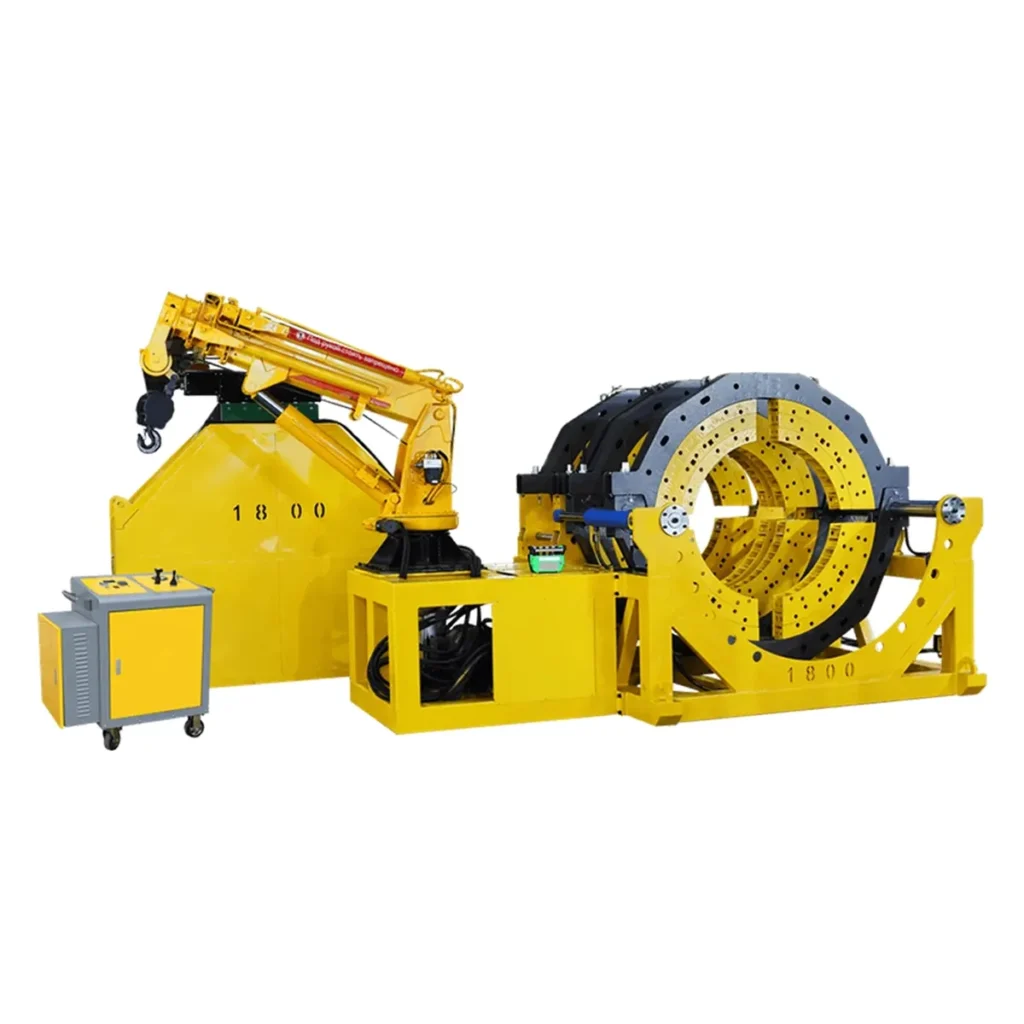
Choosing the right butt fusion machine factory is one of the most important decisions for a successful HDPE piping project. The right manufacturer affects weld quality, on-site productivity, and long-term pipeline performance. This guide walks procurement managers, contractors, and engineers through the practical criteria to evaluate suppliers and select the best partner for your project.
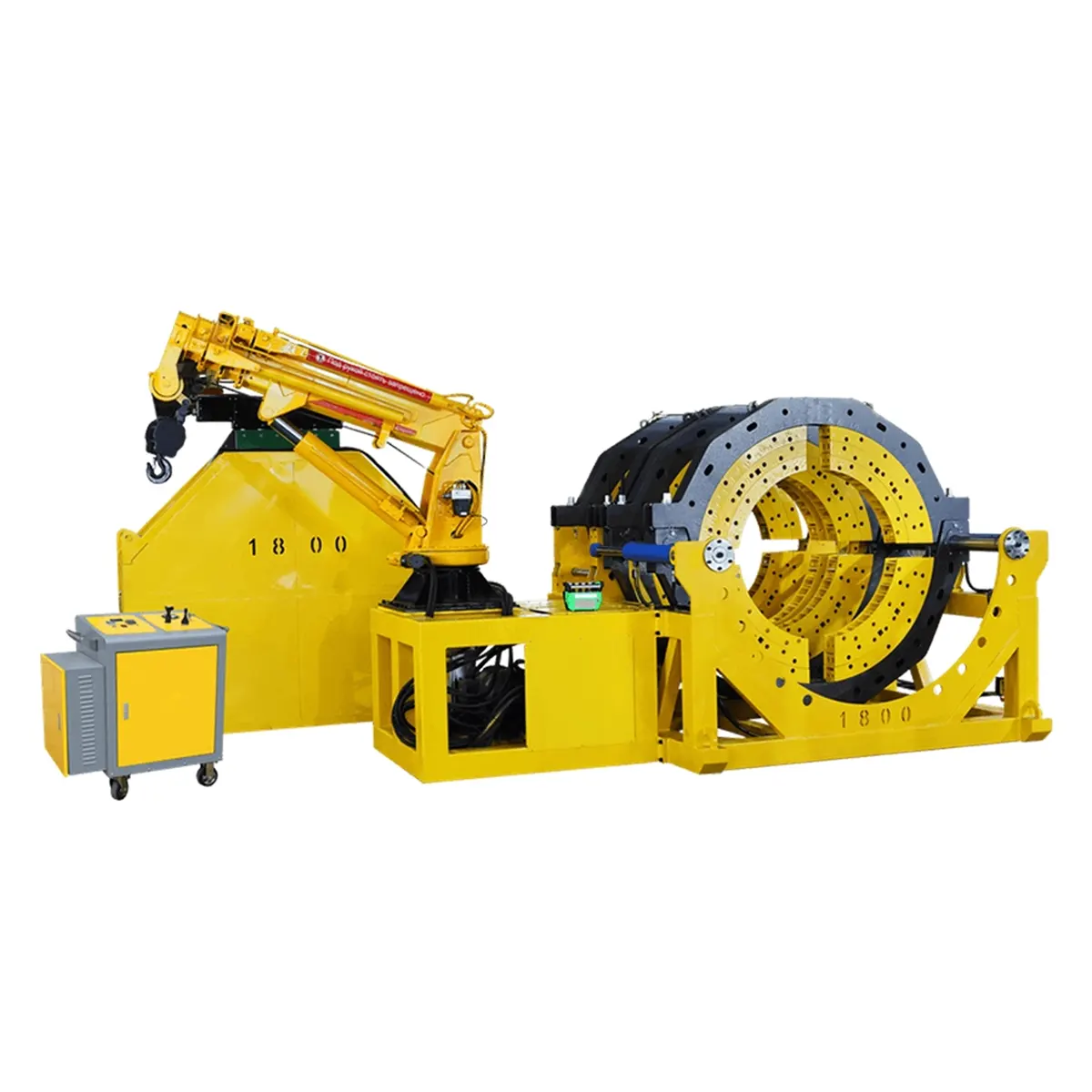
1. Production Capability & Range
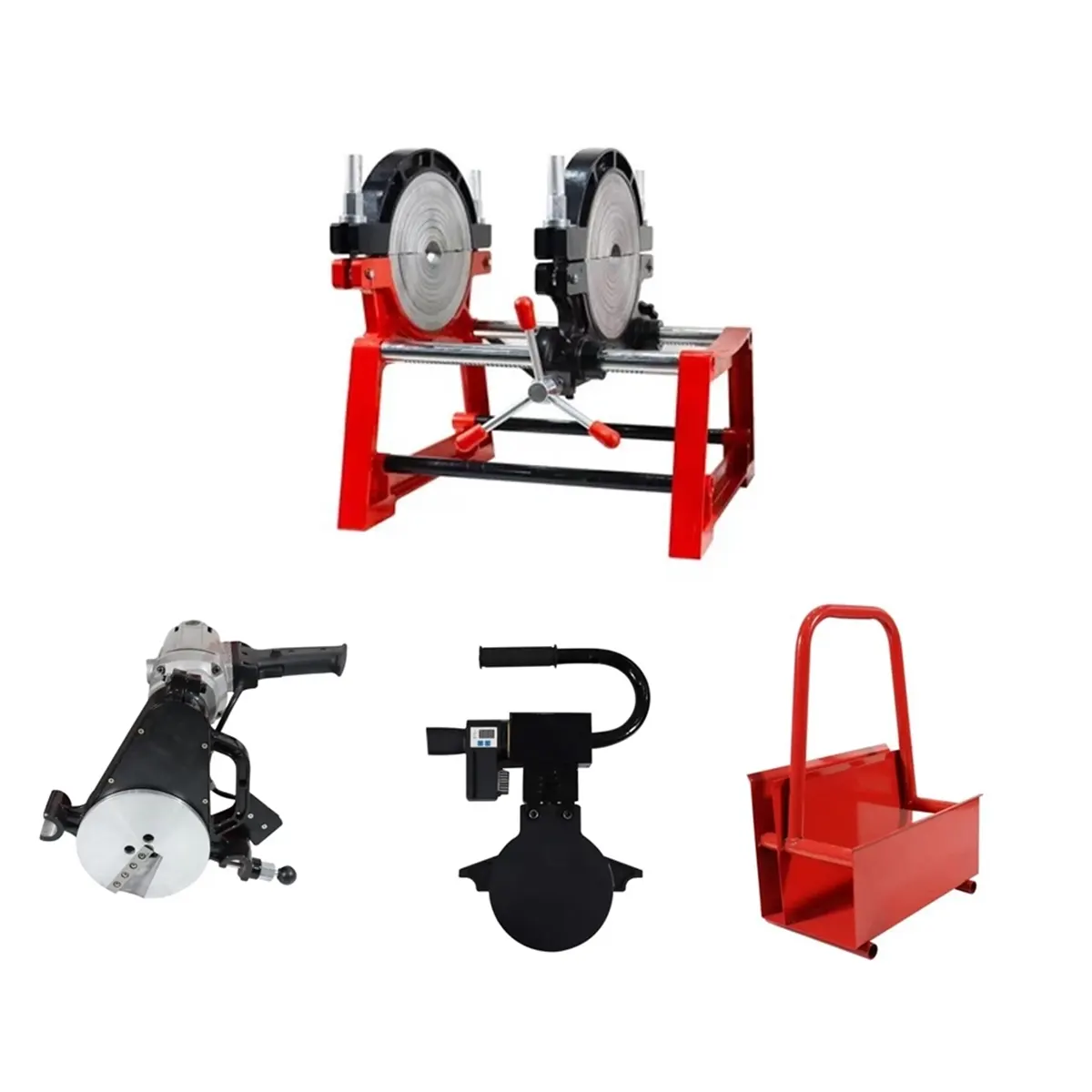
Machine range: Confirm the factory produces manual, hydraulic and CNC automatic butt fusion machines that cover the pipe diameters you need. A manufacturer with a wide portfolio means fewer compatibility risks for mixed projects.
Capacity & lead time: Ask about monthly production capacity and realistic lead times—especially if your project has staged deliveries or season-driven schedules.
Why variety matters
A supplier that makes small-diameter manual machines and large-diameter hydraulic frames reduces the chance of design gaps, custom engineering delays, or last-minute sourcing issues.
2. Quality Control & Certifications
Fabrication standards: Verify welding, machining and surface treatment processes (CNC machining, shot-blasting, powder coating, etc.). These affect machine durability in harsh field conditions.
Certifications to check: ISO manufacturing systems, CE or other regional safety approvals, and documented material traceability for critical components (hydraulic pumps, heaters, clamps).
3. Performance Comparison (Manual vs Hydraulic vs Automatic)
| Type | Typical Diameter Range | Speed & Automation | Best for |
|---|---|---|---|
| Manual Butt Fusion | 16mm – 400mm | Low; operator-dependent | Small contractors, repairs |
| Hydraulic Butt Fusion | 63mm – 2250mm+ | Medium; controlled pressure | Large pipelines, fieldwork |
| CNC Automatic | 90mm – 1250mm (typical) | High; data logging & repeatability | Long runs, critical projects |
4. On-site Support & Spare Parts
Local service network: Assess availability of spare parts and the lead time for replacements. A factory that stocks common kits and consumables minimizes downtime.
Training & commissioning: Check if the manufacturer provides operator training, calibration assistance, and on-site commissioning for complex equipment.
5. Testing, Documentation & Traceability
Test reports: Require factory test certificates, pressure test records, and cycle logs for hydraulic components. Machines used in water or gas projects must have traceable test data.
Welding parameters: For CNC systems, confirm data export formats and storage—useful for quality audits and regulatory compliance.
6. Cost vs Total Value
Initial price: Compare like-for-like features—frames, heaters, clamp systems, and controllers—but don’t stop at purchase price.
Total cost of ownership: Evaluate expected uptime, consumable costs, training, and potential downtime penalties. A slightly higher upfront cost can be justified by lower lifecycle expenses.
Quick manufacturer checklist
| Item | Pass / Fail |
|---|---|
| Range of models for required diameters | |
| Factory test reports & calibration data | |
| Spare parts availability | |
| After-sales training & support | |
| Relevant certifications |
Final steps before you buy
Request machine demonstrations or factory videos, ask for references from similar projects, and negotiate spare parts kits and training into the contract. A clear acceptance test protocol ensures you receive equipment that performs to expectations.
For trusted butt fusion solutions and a broad product range, consider contacting JQ-Fusion to review models, factory testing, and support options tailored to your project.



