
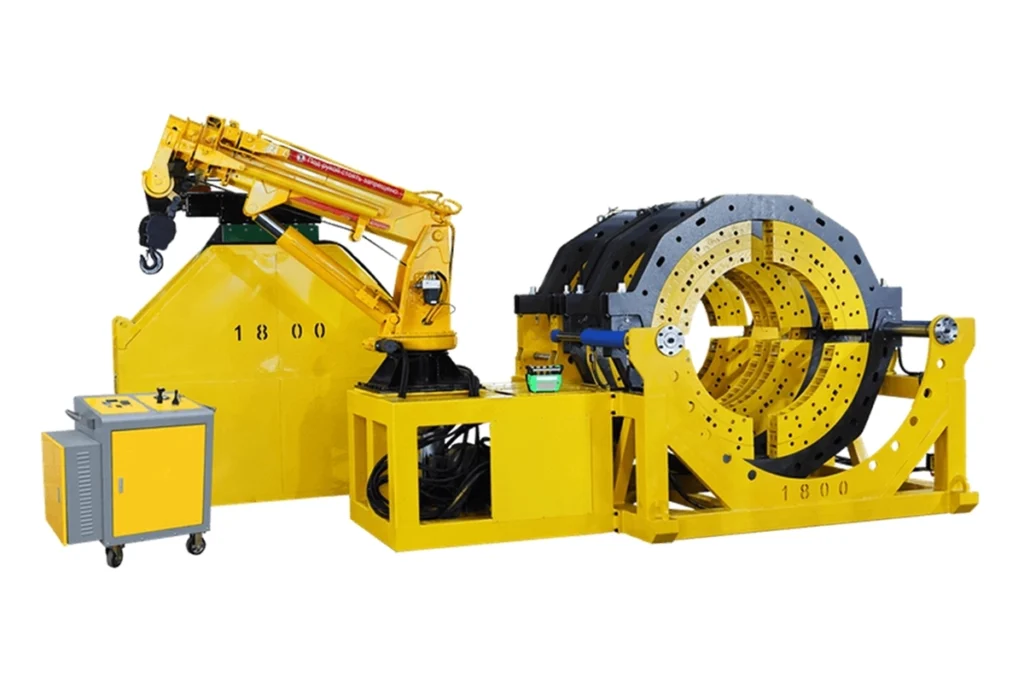
HDPE pipe fusion machines are essential for building durable, leak-free pipeline networks across Senegal — from urban water distribution in Dakar to rural irrigation systems and mining projects in the east. This guide highlights reliable fusion solutions, practical buying tips for Senegalese contractors and utility teams, and key model recommendations to help you choose the right equipment for local conditions.
Why HDPE Pipe Fusion Matters in Senegal
Senegal’s rapidly expanding infrastructure and demanding coastal climate require piping systems that resist corrosion, withstand sandy soils and seasonal flooding, and deliver long-term reliability. Butt fusion of HDPE pipes creates homogeneous joints that perform better than many mechanical fittings in harsh environments — a major advantage for municipal water providers, agricultural cooperatives, oil & gas support lines, and mining operations.
Types of Butt Fusion Machines Suitable for Senegal
Selecting the right fusion machine depends on pipe size, site mobility, and production volume. Typical options used across West Africa include:
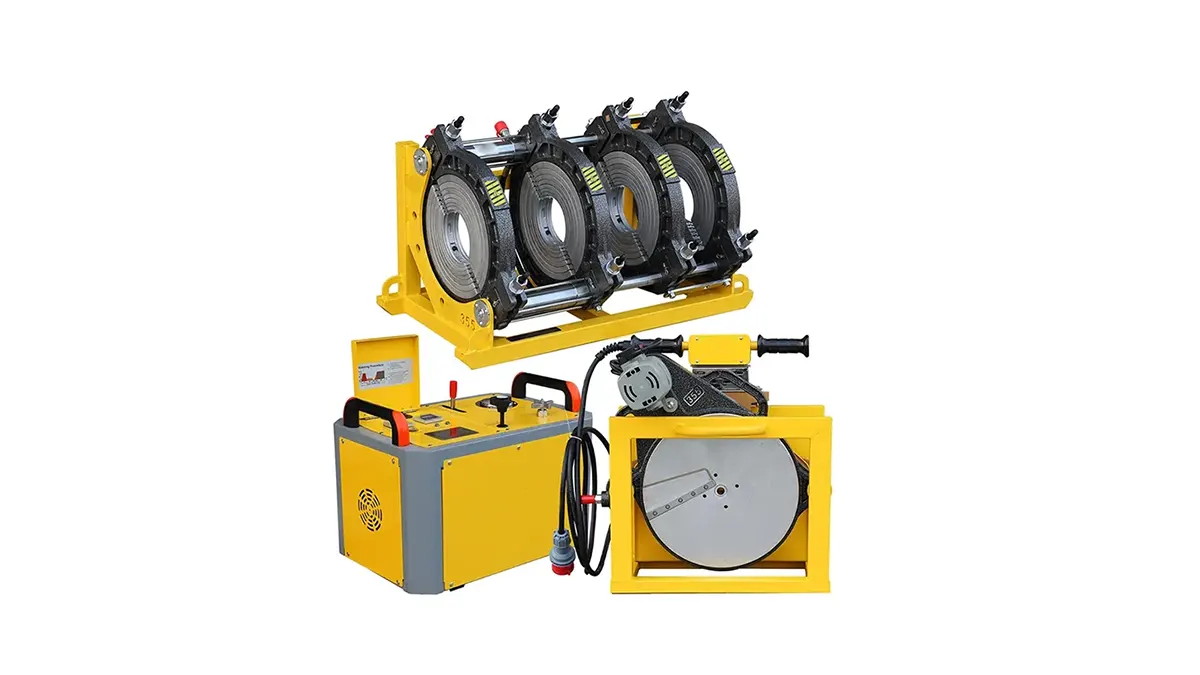
- Manual Butt Fusion Machines — compact, cost-effective for small-diameter pipes and remote villages where simple, robust tools are preferred.
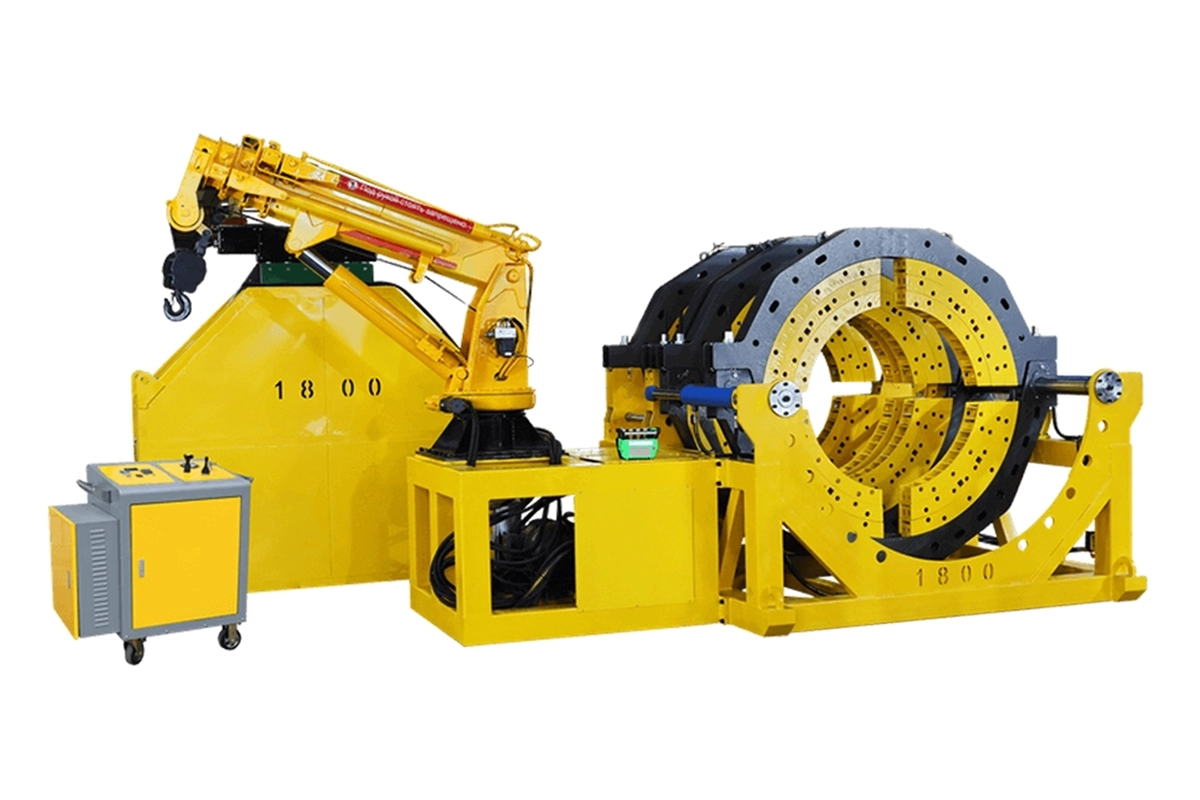
- Hydraulic Butt Fusion Machines — ideal for medium to large diameter PDPE/HDPE pipes used in municipal and industrial pipelines; offer consistent pressure and easier handling on uneven terrain.
- Automatic/CNC Butt Fusion Systems — for high-volume or precision projects (water treatment plants, large-scale irrigation, industrial pipelines) where digital control improves repeatability and reduces operator error.
Quick Specification & Recommended Models
| Model | Pipe Range (mm) | Power | Best For |
|---|---|---|---|
| Manual SY Series | 20 – 160 | Hand-operated | Rural water points, repairs |
| Hydraulic JQH Series | 160 – 1600 | Electric/Hydraulic | Municipal & industrial pipelines |
| Automatic JQA Series | 63 – 630 | AC powered, CNC control | High-precision, large projects |
Benefits for Senegalese Projects
Durability and leak-free joints: HDPE fusion produces continuous material bonds that eliminate mechanical failure points. This reduces water loss for utilities and prevents contamination in potable water lines. Portability: Many hydraulic and manual units are optimized for field work, useful for projects across Senegal’s varied terrain. Salt-air resistance: HDPE performs well in coastal regions around Dakar and Rufisque where corrosion can compromise metal pipes.
Buying Tips for Contractors and Utilities in Senegal
When sourcing fusion machines, consider:
- Local after-sales service and spare parts availability — reduce downtime by ensuring fast access to consumables and replacement components.
- Voltage compatibility and generator readiness — many sites rely on generators; confirm machine power requirements.
- Operator training in French and local languages — invest in hands-on training so crews can reliably execute fusion procedures.
- Shipping and customs via Dakar port — plan logistics and protective packaging for heavy hydraulic units.
Installation, Certification & Training
Proper qualification of welders and adherence to international fusion standards (ISO/ASTM) are crucial. For large public or donor-funded projects, documented weld records and trained operators are often mandatory — factor training and certification into your procurement plan.
For reliable butt fusion equipment and tailored solutions for Senegal’s infrastructure needs, explore JQ-Fusion: https://jq-fusionwelding.com/



