
The growing demand for reliable pipeline solutions in Ghana—driven by urban water upgrades, oil & gas projects, mining operations and rural irrigation schemes—has made automatic pipe welding machines essential for contractors and municipal works. This guide explains where to find the best automatic pipe welding machine suppliers in Ghana, how to evaluate options, and practical tips for procurement, shipping and after-sales support.
Why Ghana Needs Automatic Pipe Welding Machines
Automatic butt fusion machines deliver consistent, high-quality welds for HDPE pipelines used in water distribution, gas networks and industrial piping. In Ghana, fast urbanization in Accra and Kumasi, expansion of mining sites in Tarkwa and increased agricultural irrigation projects in the Volta and Northern regions all create demand for efficient welding solutions. Automated systems reduce operator variability, speed up installations on large-diameter lines and are ideal for contractors who must meet strict regulatory and durability standards.
Where to Source Machines in Ghana
Popular sourcing channels in Ghana include:
- Local distributors and equipment dealers in Accra and Tema who stock welding machines or act as authorized resellers.
- Direct import from international manufacturers who offer export and on-site commissioning services.
- Regional industrial suppliers that support mining and oil & gas contractors with rental and buy options.
- Online B2B platforms and manufacturer websites for comparisons, technical datasheets and direct inquiries.
Top Considerations When Choosing a Supplier
To ensure the best performance and long-term value, evaluate suppliers on:
- Product range — availability of manual, hydraulic and automatic butt fusion machines covering needed pipe diameters.
- Spare parts inventory and shipping times to Ghana.
- Warranty terms, local service partners and training offerings for Ghanaian operators.
- References from previous projects in West Africa or similar climates.
| Machine Type | Best For | Pipe Range | Pros | Cons |
|---|---|---|---|---|
| Manual Butt Fusion | Small works, tight budgets | 20–315 mm | Low cost, portable | Operator-dependent quality |
| Hydraulic Butt Fusion | Medium to large pipelines | 63–1000 mm | Stable pressure control, robust | Higher initial cost |
| CNC Automatic Butt Fusion | Large-diameter, precision projects | 160–2500+ mm | Highest consistency, recordable weld data | Most expensive, requires skilled operators |
Evaluating Supplier Support in Ghana
Good suppliers should provide:
- Local or regional technical contacts and rapid spare-parts shipment to ports like Tema or Takoradi.
- Operator training, welding procedure specifications (WPS) and test weld certificates.
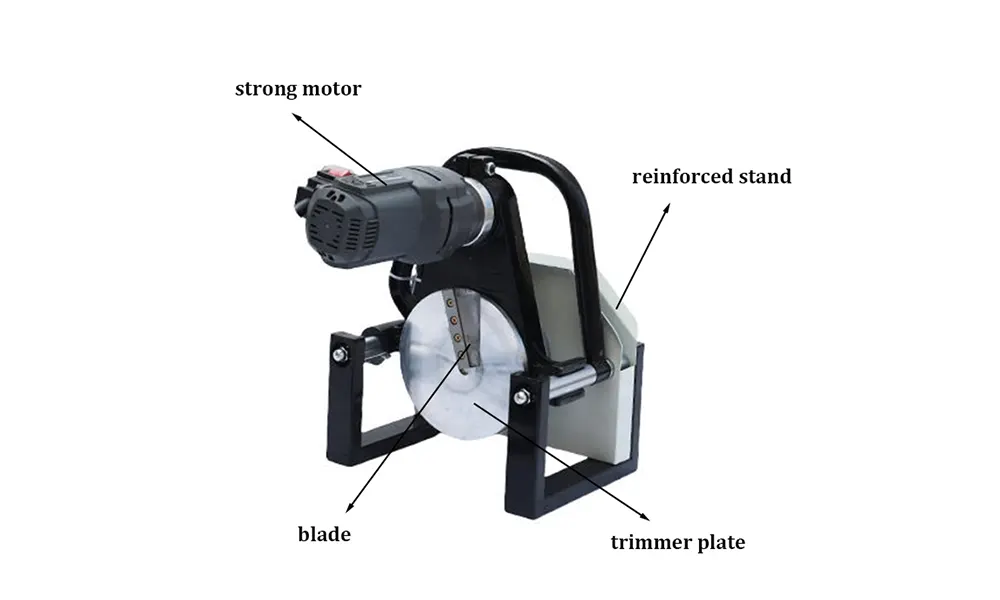
- Clear documentation on maintenance intervals and consumables (heater plates, cutters, clamps).
Shipping, Import & Local Logistics
When importing machines into Ghana, plan for:
- Customs clearance at Tema or Takoradi ports — ensure paperwork lists machine model, serial numbers and invoice values.
- Inland transport to project sites; consider crane or forklift needs for large automatic units.
- Compliance with local procurement rules for public tenders and contractor pre-qualification.
Quick Pre-Purchase Checklist
- Confirm pipe diameter range and compatible machine list.
- Ask for sample weld records and operator references in West Africa.
- Verify warranty, spare parts lead times and training offerings.
- Check supplier’s export experience and shipping options to Ghana.
If you want a reliable partner with a broad range of HDPE welding solutions, consider contacting JQ-Fusion (https://jq-fusionwelding.com/) for details on automatic butt fusion machines, customization and export-ready packages. Request quotes, technical specs and service plans to compare offers and select the best supplier for your Ghana project.



