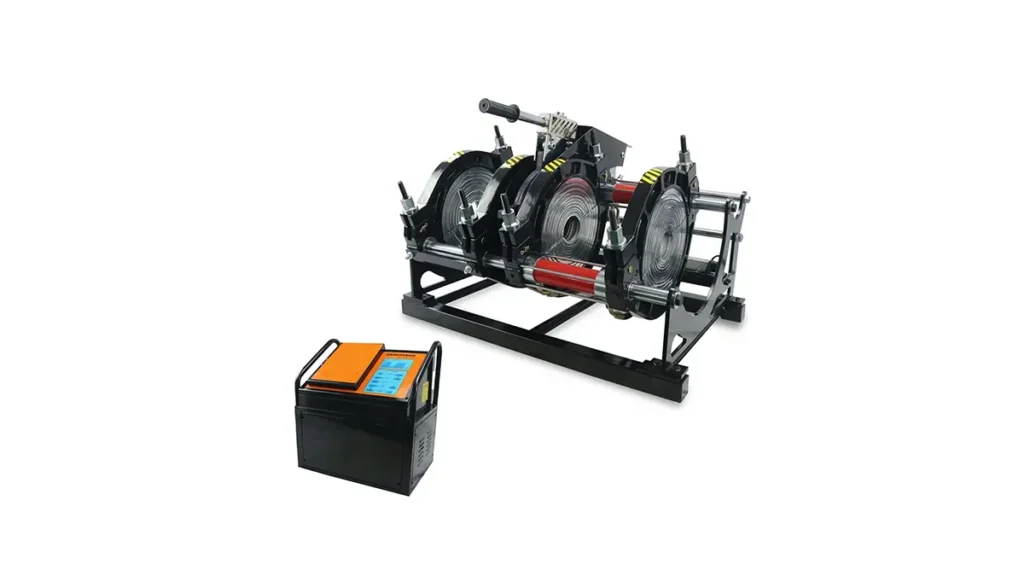
Butt fusion welding is the most reliable method for joining high-density polyethylene (HDPE) pipes, especially when working with SDR11 pipe. An SDR of 11 indicates a thicker wall designed for higher pressure ratings, making precision during the fusion process critical. Achieving a flawless joint requires the right technique, strict temperature control, and high-quality butt fusion welding equipment to ensure a leak-free pipeline system.
Why SDR11 Pipe Demands Precision in Butt Fusion
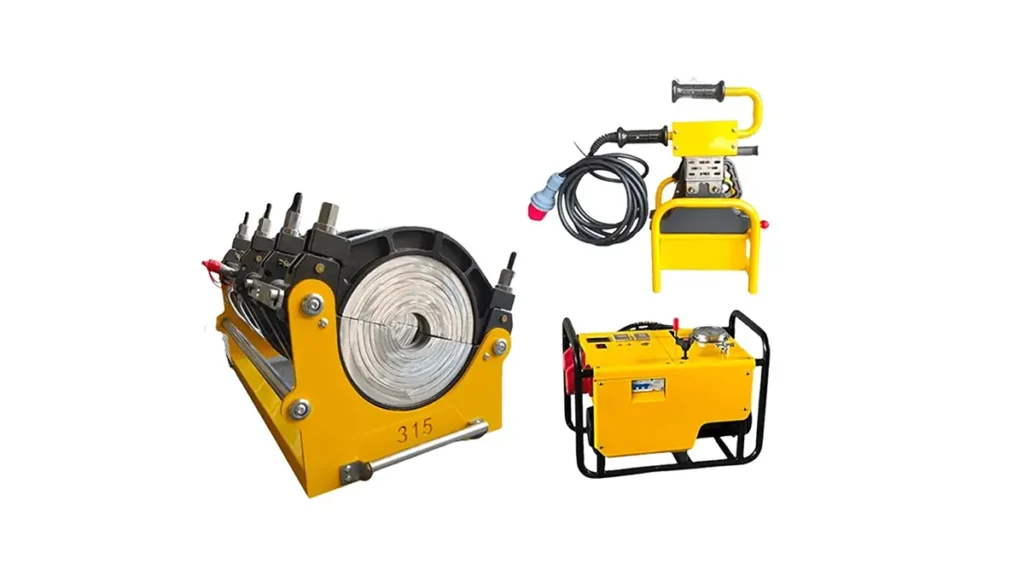
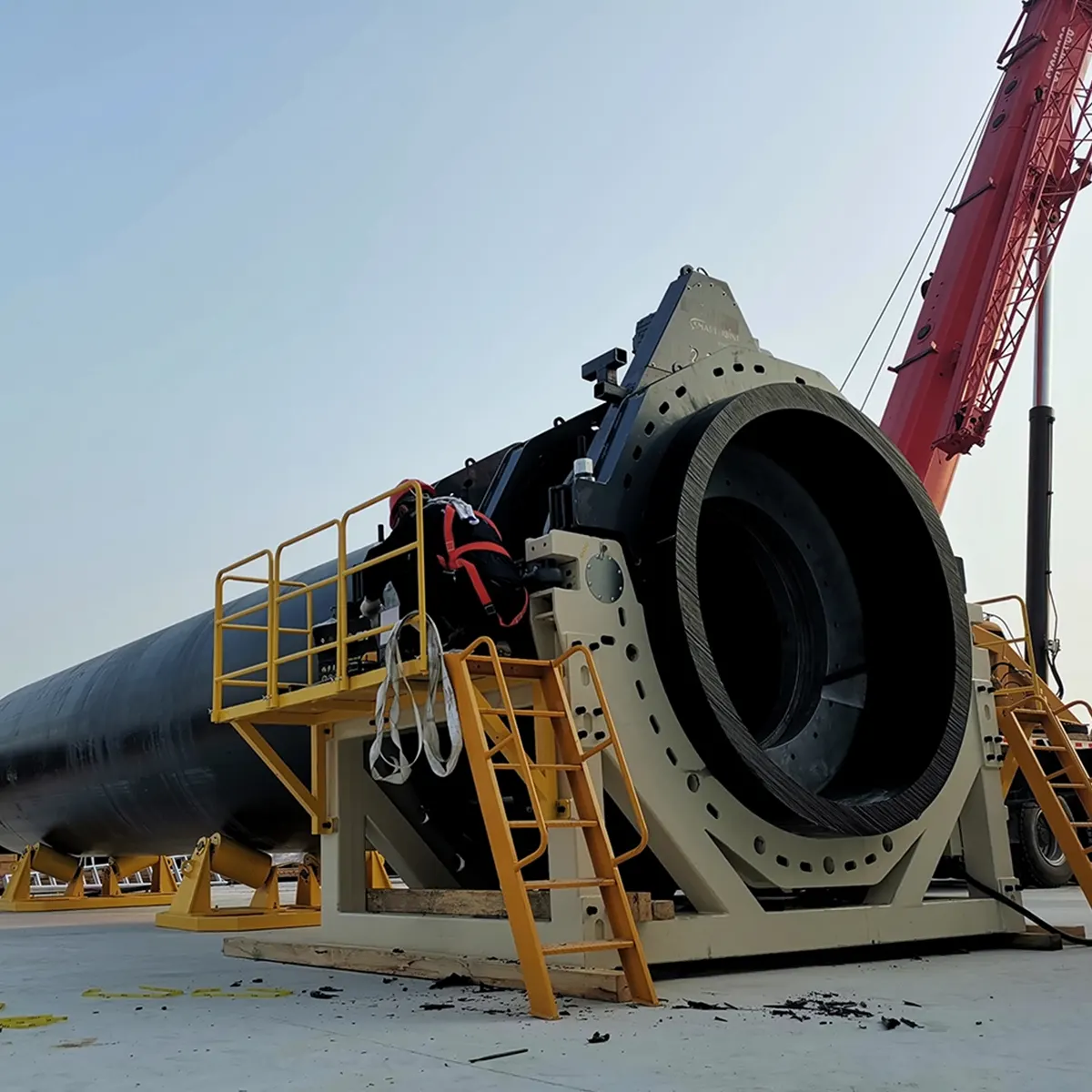
The term SDR, or Standard Dimension Ratio, defines the relationship between pipe diameter and wall thickness. An SDR11 pipe features a relatively thick wall compared to higher SDR values like SDR17. This robust construction allows it to handle significantly higher operating pressures, commonly used in gas distribution, mining, and industrial water supply. However, the thicker wall increases the importance of the heating and soaking phases. Insufficient heat soak can lead to a cold joint, while misalignment places excessive stress on the interface, risking early failure. Utilizing hydraulic butt fusion machines ensures the high force required to face and fuse these thick walls is achieved smoothly.
Step-by-Step Butt Fusion Procedure for SDR11 HDPE Pipe
Following the ISO 21307 butt fusion procedures is non-negotiable for SDR11 materials. The thickness demands diligence during every phase of the jointing process.
1. Preparation and Clamping
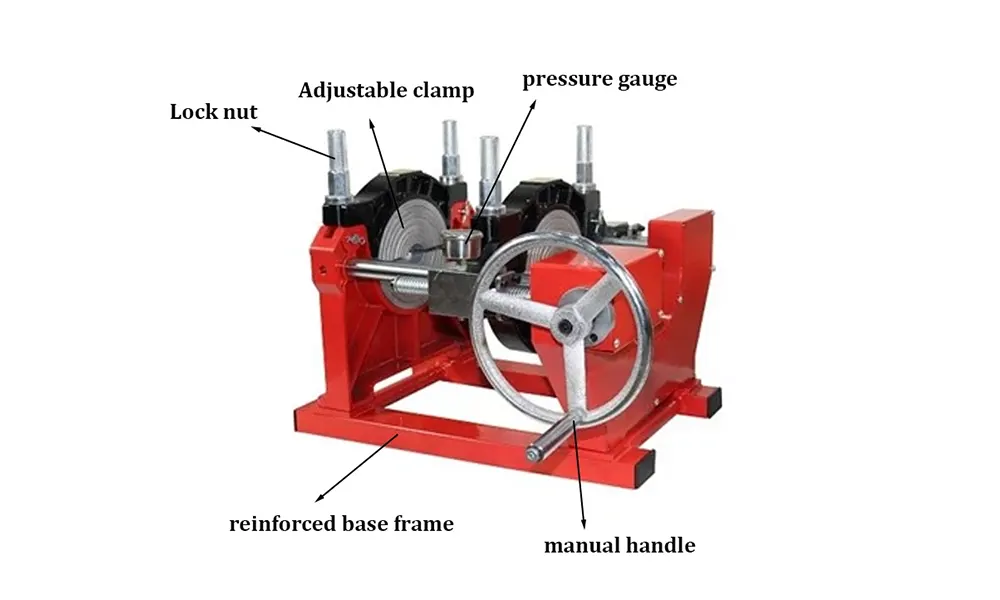
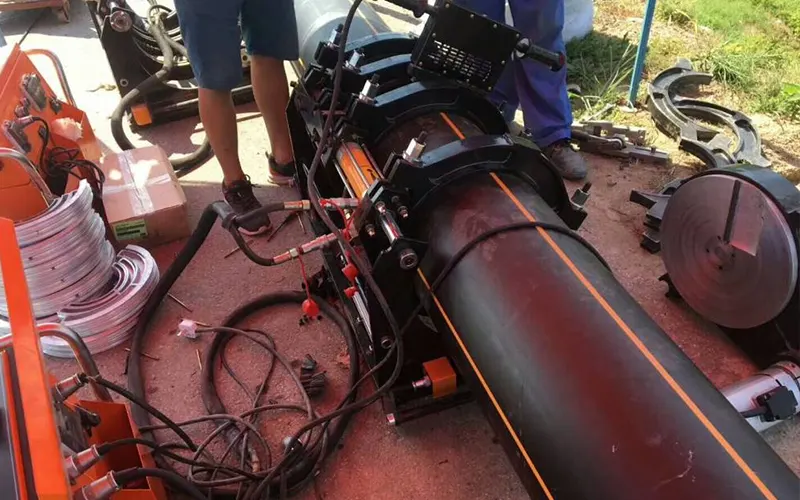
Clean the pipe ends thoroughly, removing all dirt and oxide layers. Load the SDR11 pipes into the manual butt fusion machine frame and clamp them securely. Ensure the clamps can handle the high drag force required to move the thick, heavy SDR11 sections without slipping.
2. Facing the Pipe Ends
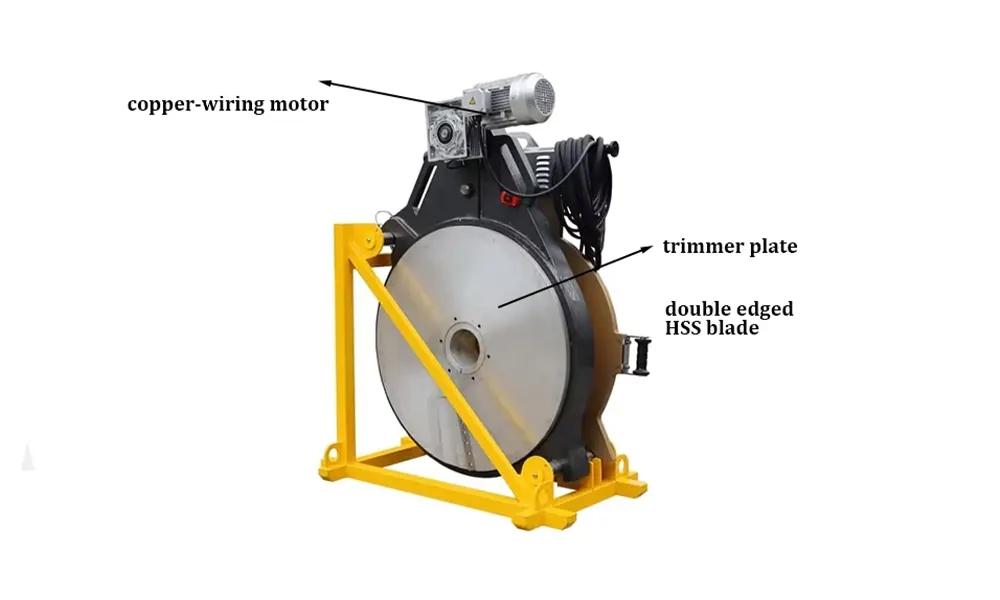
Engage the trimmer to shave the ends until a continuous, thin chip comes from both sides. This creates perfectly parallel and clean surfaces. For SDR11 pipe, confirm there are no gaps between the pipe ends; the thick wall reveals misalignments very clearly.
3. Heating with Controlled Pressure
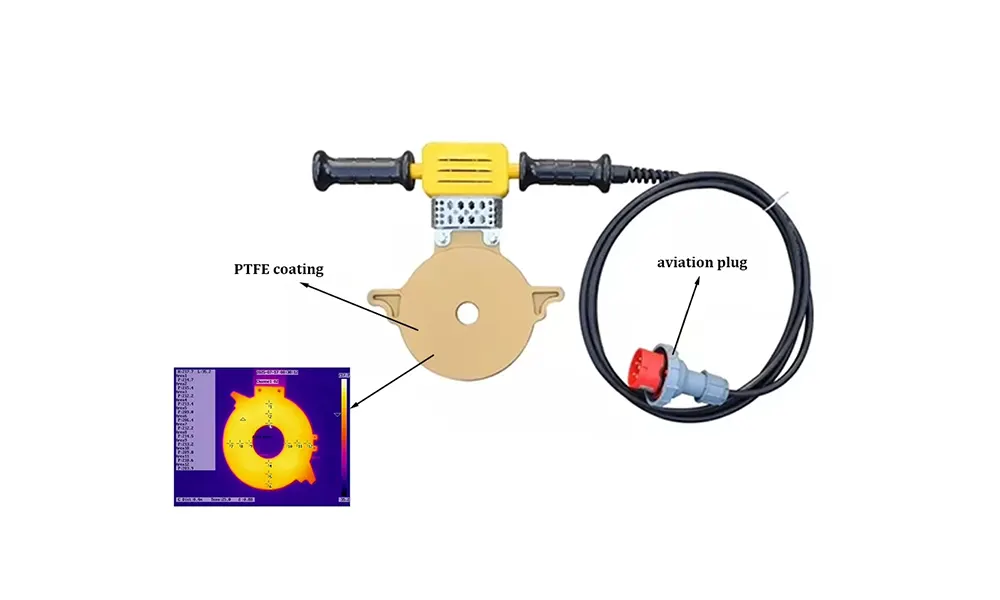
Insert the heating plate, maintained precisely at 210°C – 225°C (410°F – 437°F). Apply the bead-up pressure to form a uniform melt bead around the circumference. The thicker wall of SDR11 acts as a heat sink; hence, the soak time must be strictly calculated based on the manufacturer’s specifications to ensure full softening.
4. Fusion Joining and Cooling
Remove the heater swiftly and bring the molten ends together. Apply the fusion pressure steadily and maintain it throughout the cooling cycle under pressure. Do not disturb the joint until it is completely cool to the touch.
Essential Equipment for Welding SDR11 Pipe
Selecting the right machine directly impacts the integrity of your SDR11 pipe fusion. Look for these features in your equipment:
| Machine Type | Key Feature for SDR11 | Typical Diameter Range |
|---|---|---|
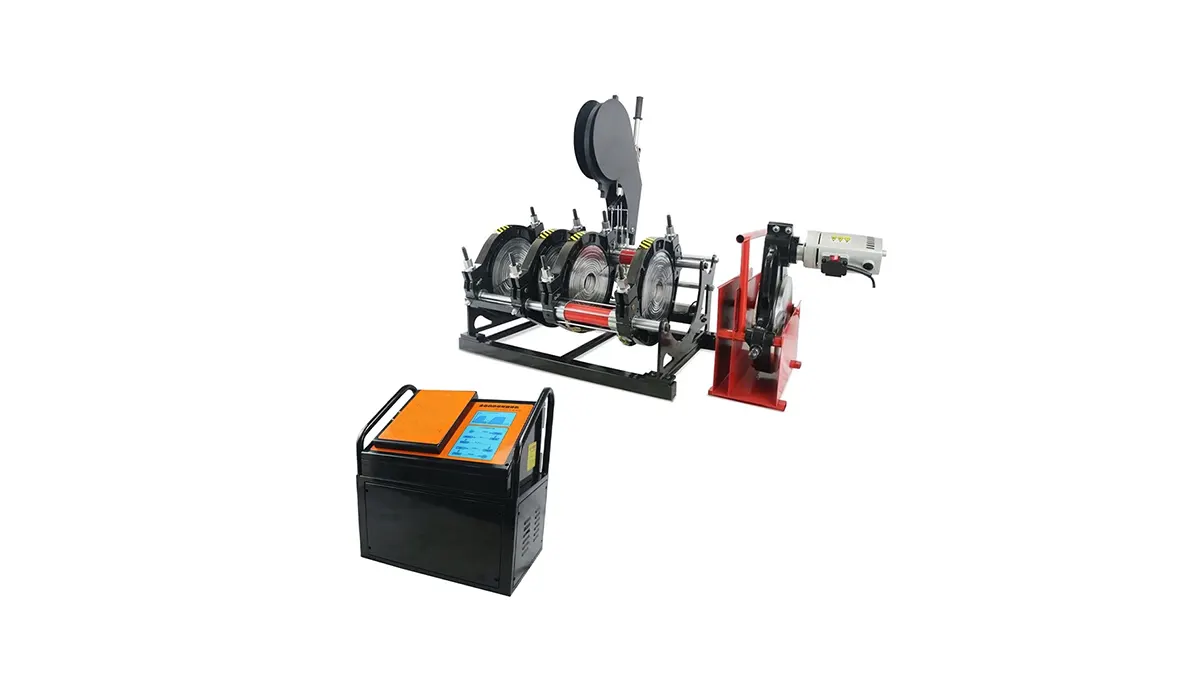
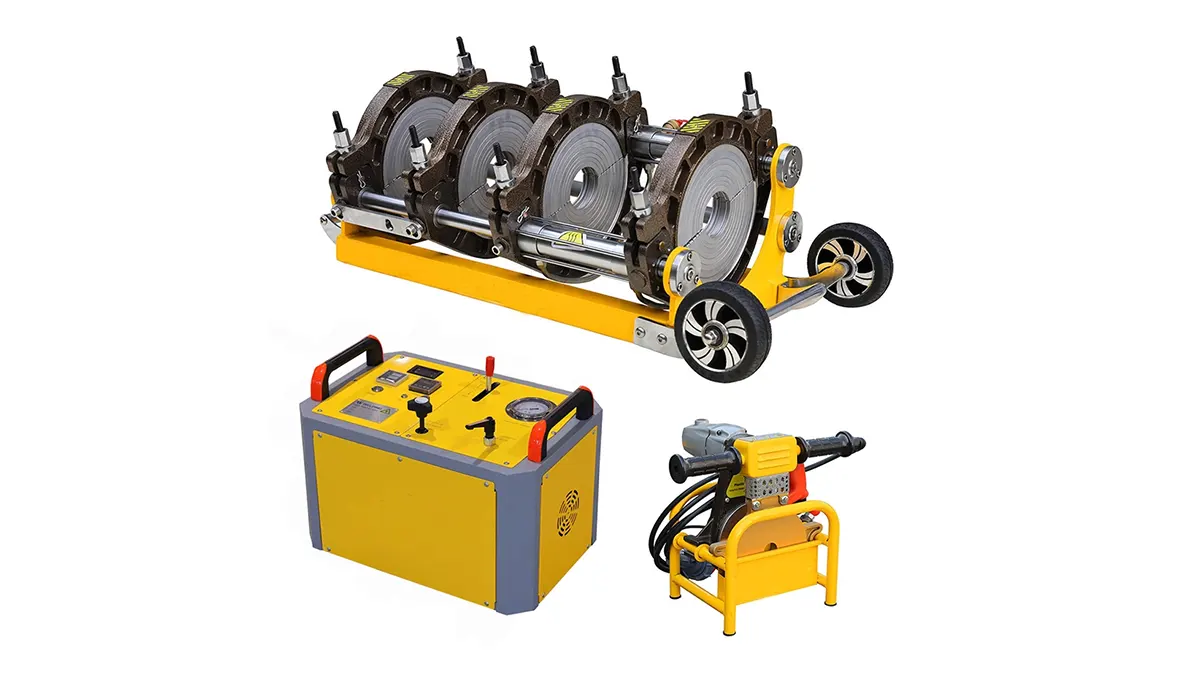
| Manual Butt Fusion | Rigid frame, mechanical clamping | 63mm – 315mm |
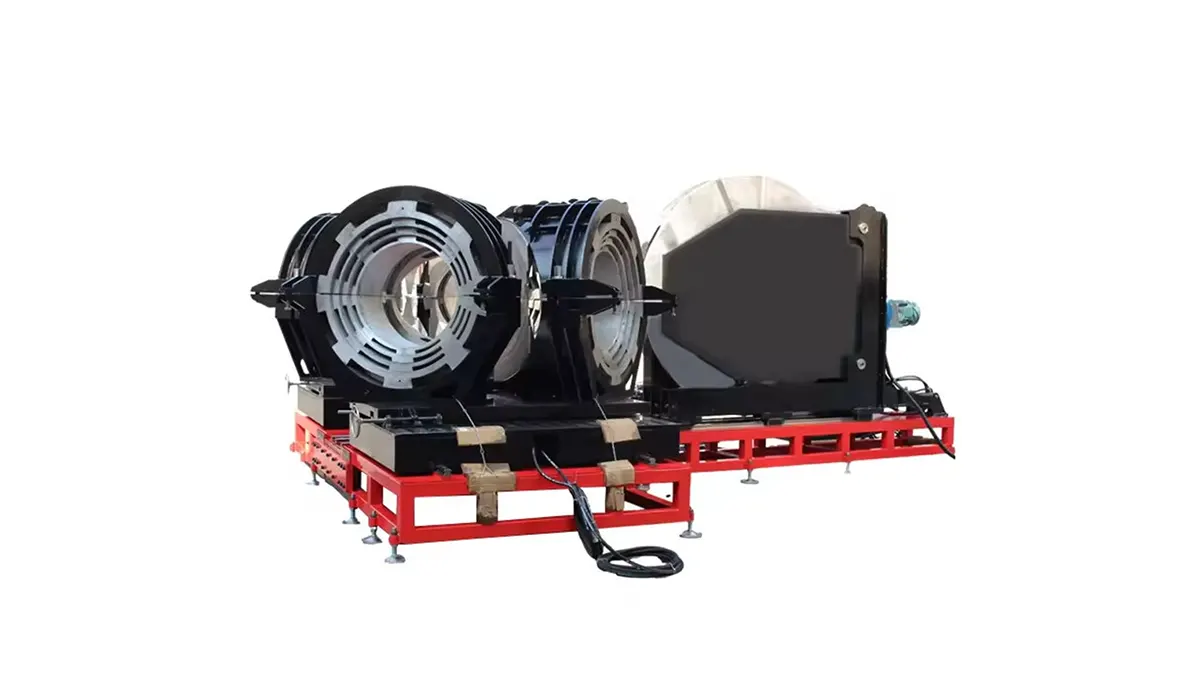
| Hydraulic Butt Fusion | High-pressure control, precise alignment | 160mm – 2500mm |
| CNC Automatic Fusion | Automated pressure profiles, data logging | 160mm – 630mm |
Critical Parameters and Best Practices
Achieving optimal weld quality goes beyond the basic steps. Pay attention to these critical factors specific to SDR11 pipe:
- Drag Resistance Check: Always measure the force needed to move the pipe in the clamps. High wall thickness creates significant drag; subtract this from hydraulic pressure calculations.
- Soak Time Adjustments: Do not rush the heating phase. The thicker material requires longer to reach the required melt viscosity without burning the surface.
- Bead Appearance: After welding, the external bead should be uniform and slightly rounded. A concave bead often indicates a leak path—a critical defect in pressure-rated SDR11 systems.
- Environmental Shielding: Shield the work area from wind and extreme cold, as these can cool the thick pipe ends unevenly.
Comparing SDR11 Fusion to Other Pressure Ratings
It is vital to adjust your technique when moving from standard drainage pipes to SDR11 high-pressure lines.
| Parameter | SDR17 Pipe | SDR11 Pipe |
|---|---|---|
| Wall Thickness | Moderate | Heavy Wall |
| Required Clamping Force | Standard | High |
| Heat Soak Critically | Moderate | Extremely Critical |
Common Pitfalls in SDR11 Fusion and How to Avoid Them
Even experienced operators encounter issues with thicker pipes. Here are the most frequent problems:
- Pipe Slippage: Insufficient clamping pressure on the thick SDR11 wall causes movement during cooling. Always use high-grip clamp inserts and torque wrenches.
- Surface Contamination: The deeper melt pool in thick pipes traps contaminants easily. Any dust on the final cleaning swipe becomes permanently embedded.
- Premature Stress Release: Operators might remove the machine too soon. The rigid joint of SDR11 needs the full cooling time to distribute stress evenly.
Reliable Butt Fusion Equipment for SDR11 Projects
At JQ-Fusion, we engineer welding machines specifically built to handle the demands of thick-walled HDPE pipelines. Whether you require a manual rig for on-site repairs or a CNC automatic fusion machine for large-scale pressure pipe installation, our equipment delivers consistent heat stability and powerful clamping force essential for SDR11 pipe fusion. Our range spans from compact 160mm models to heavy-duty 2500mm systems, all designed to meet rigorous standards like ASTM F2620 heat fusion practices.
Maintaining Weld Quality Through Data Logging
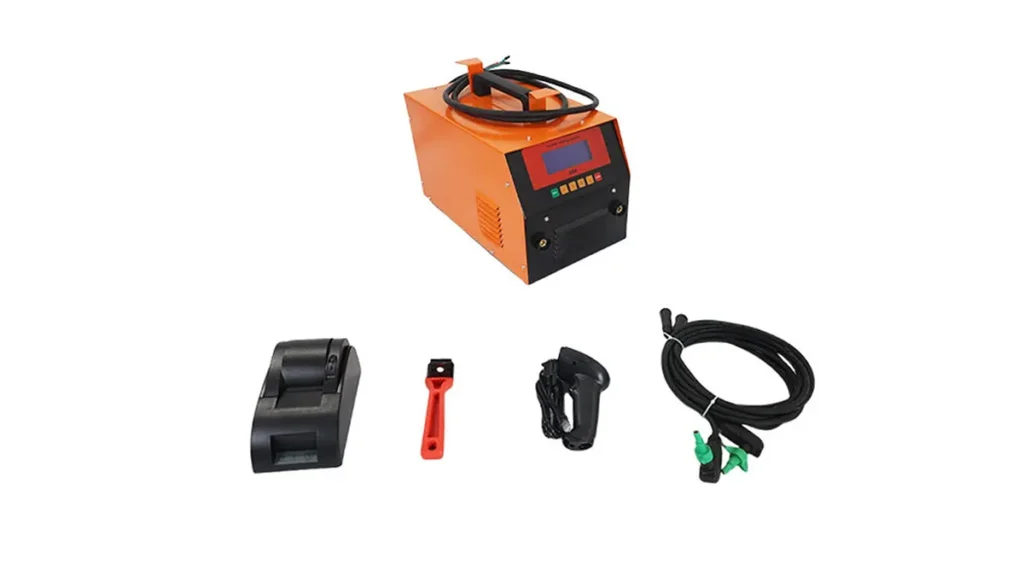
For critical SDR11 gas or water mains, documentation is vital. Modern automatic machines allow operators to log the exact temperature, soak time, and fusion pressure for every joint, creating a traceable record that validates the work against pressure requirements. This aligns perfectly with the PE pipe jointing best practices recommended by industry bodies such as the Plastics Pipe Institute.