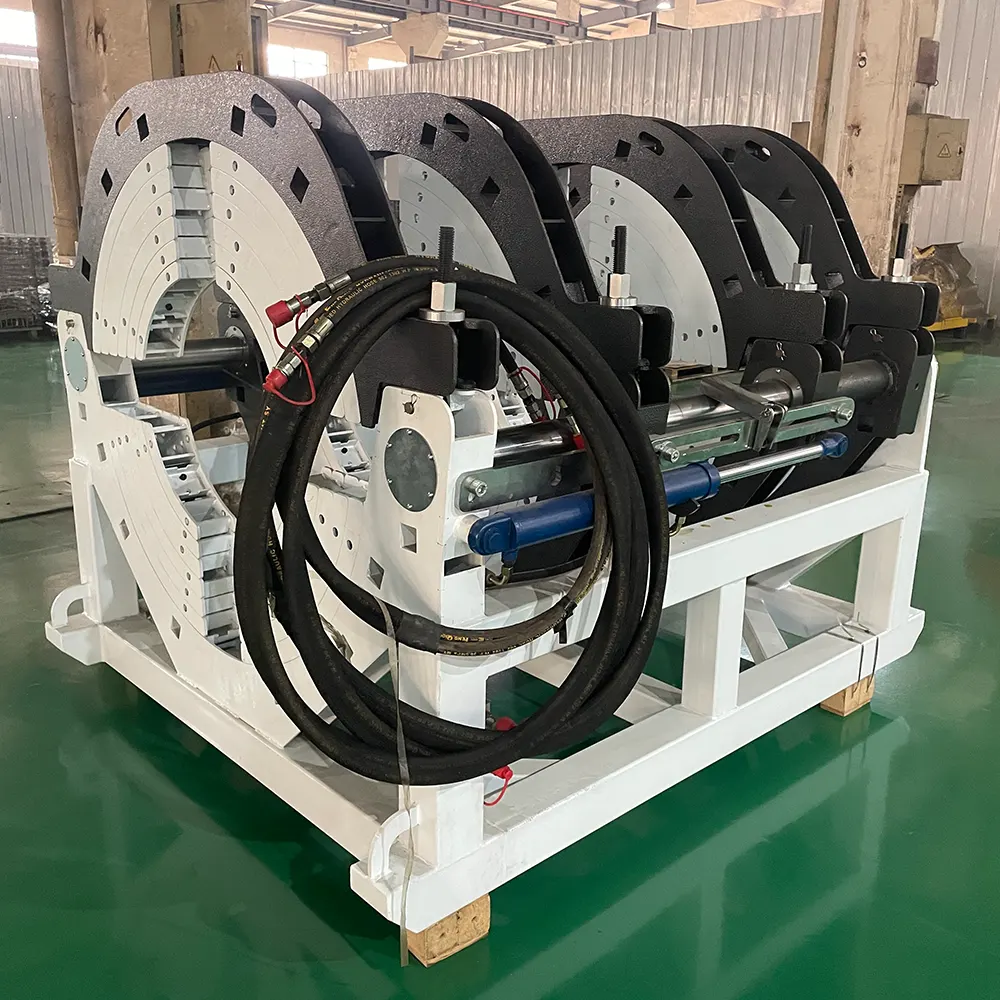
When constructing or maintaining high-density polyethylene (HDPE) piping systems, achieving leak-proof and durable joints is a top priority for contractors, municipalities, and industrial engineers. An electrofusion welder for HDPE pipes is a critical piece of equipment that uses embedded heating coils within specialized fittings to create uniform, homogeneous bonds. This article explores the key aspects of selecting the best machine, from understanding core technology to evaluating essential features and real-world applications.
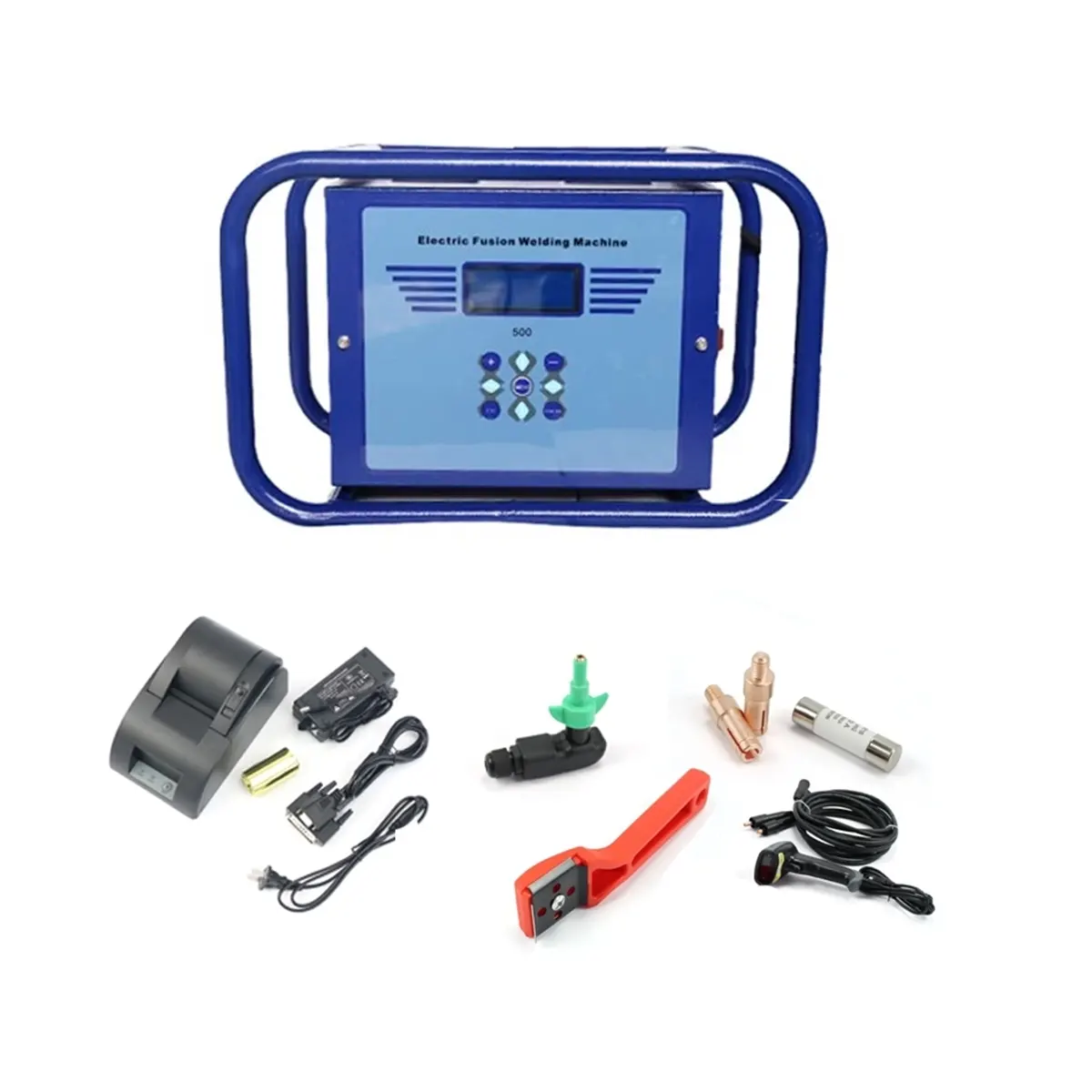
What Is an Electrofusion Welder for HDPE Pipes?
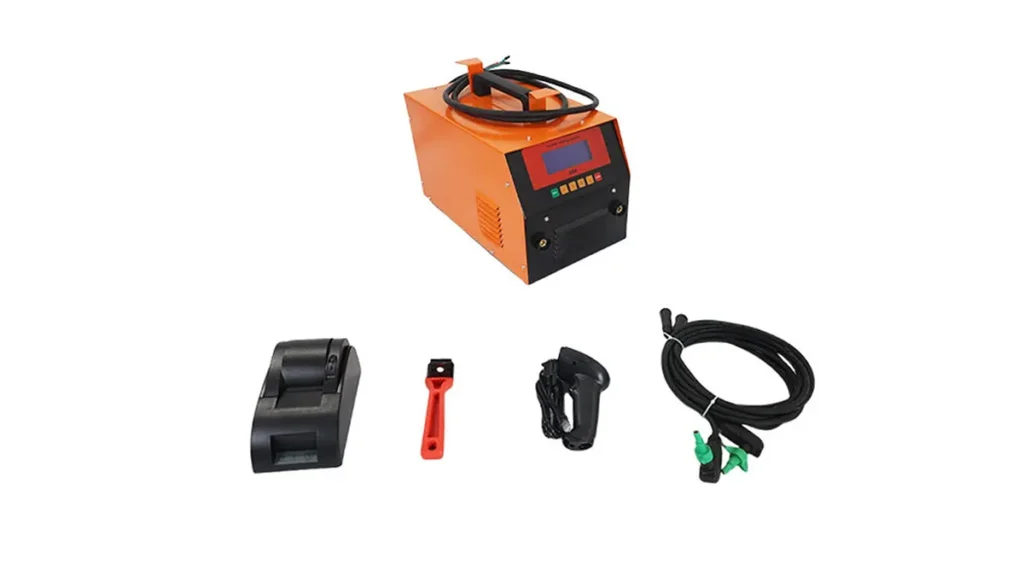
An electrofusion welder for HDPE pipes is a precision-controlled power unit designed to join polyethylene pipes and fittings using the electrofusion method. The process involves placing an electrofusion coupling, which contains an integrated heating wire, over the pipe ends. The welder supplies a specific electrical current and voltage to the fitting for a defined time, melting the inner surface of the coupling and the outer surface of the pipe simultaneously. This creates a joint that is often stronger than the pipe itself. Adherence to standards such as PE electrofusion equipment standard ensures compatibility and reliability.
Key Features to Evaluate Before Buying
Investing in the right machine requires a careful assessment of several technical and operational features. The best units offer a combination of precision, durability, and user-friendly operation. Below are the core factors that influence performance and long-term value.
| Feature | Why It Matters | Typical Specification Range |
|---|---|---|
| Output Voltage & Current | Must match the requirements of the electrofusion fittings being used, typically ranging from 8V to 48V. Inconsistent output leads to weak joints. | 8-48V DC, up to 100A |
| Data Logging & Traceability | Essential for quality assurance in gas and water projects. Machines should record time, voltage, and energy per joint. GPS-enabled units add location data for compliance. | USB/Bluetooth output, 1000+ joint logs |
| Barcode & QR Code Scanning | Reduces operator error by automatically reading fitting parameters, ensuring the correct fusion cycle is applied every time. | Integrated scanner or manual input |
| Ambient Temperature Compensation | Automatically adjusts fusion time based on real-time temperature, critical for field work in extreme climates. | -20°C to +50°C operating range |
| Durability and Portability | Rugged, weather-resistant casings and manageable weight are vital for trench-side operation and transportation. | IP54 or higher, 15-30 kg |
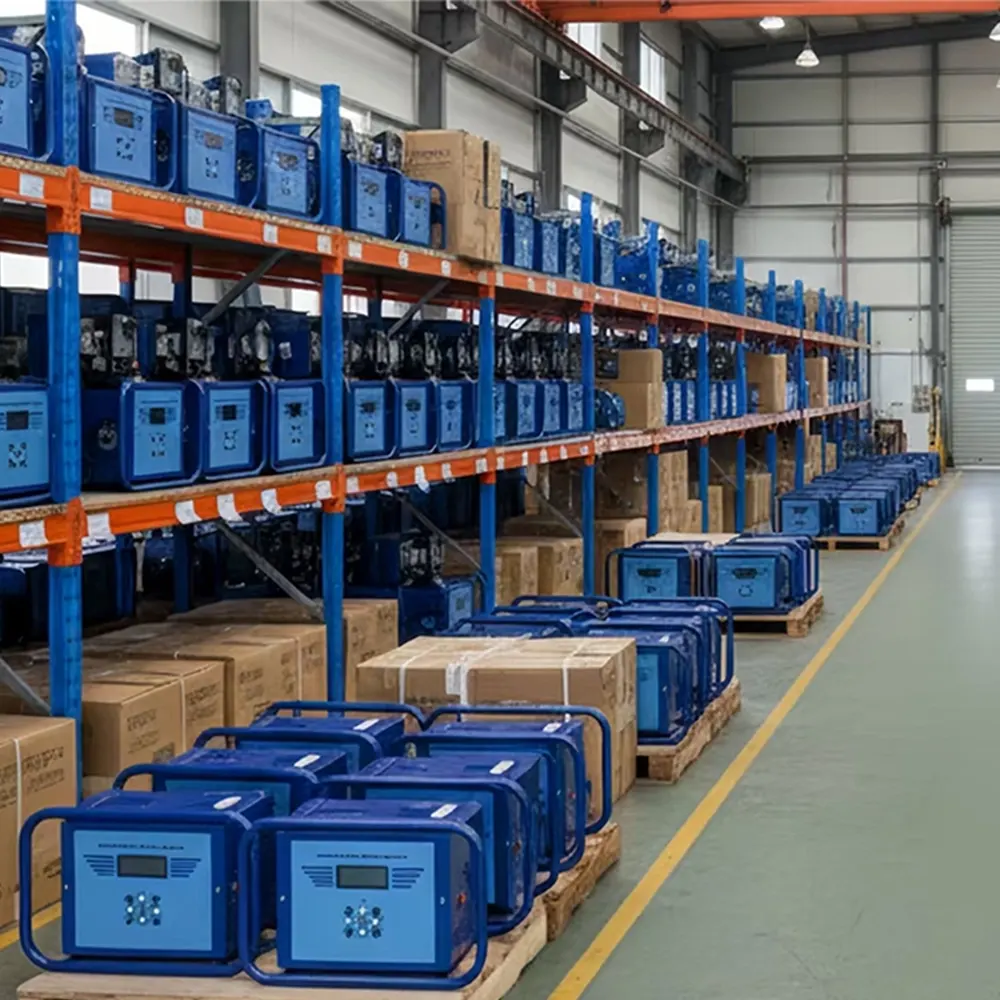
Top Applications of Electrofusion Welding Technology
The versatility of an electrofusion welder for HDPE pipes makes it indispensable across a broad spectrum of piping industries. Its ability to create tight, reliable seals in confined spaces is a major advantage over traditional butt fusion methods. Here are the primary sectors that depend on this technology:
- Gas Distribution Networks: Electrofusion is the gold standard for joining PE gas pipes. It is mandated for repair and tie-in procedures due to its inherent safety and compliance with ASTM F1290 electrofusion practices. The non-sparking process and precise fusion data logging provide complete traceability for safety audits.
- Water and Sewerage Systems: Municipalities rely on electrofusion for connecting pipes in trenches, especially when installing branch saddles or repairing damaged mains. The joints are resistant to corrosion, chemicals, and ground movement.
- Industrial and Mining Pipelines: For transporting abrasive slurries or chemicals, HDPE pipes fused with electrofusion couplers offer superior abrasion resistance and leak-proof integrity, minimizing downtime and environmental risks.
- Irrigation and Landfill Projects: Agronomists and environmental engineers utilize this method to build extensive drip irrigation networks and leachate collection systems, benefiting from the speed of installation and long-term durability.
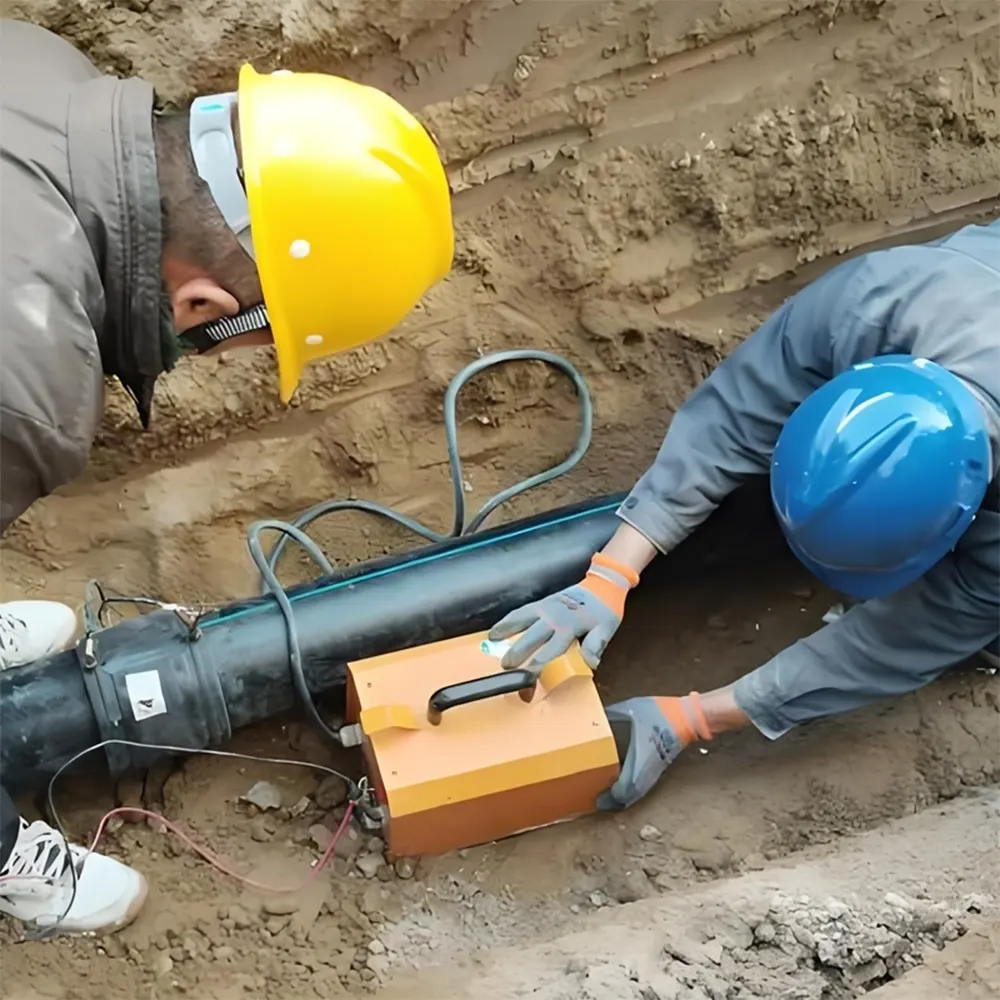
Electrofusion vs. Butt Fusion: Selecting the Right Method
While butt fusion is excellent for joining long strings of pipe above ground, electrofusion excels in repair situations, tight excavations, and when connecting to existing valves. To make an informed choice, consider the critical differences outlined below:
| Criteria | Electrofusion Welding | Butt Fusion Welding |
|---|---|---|
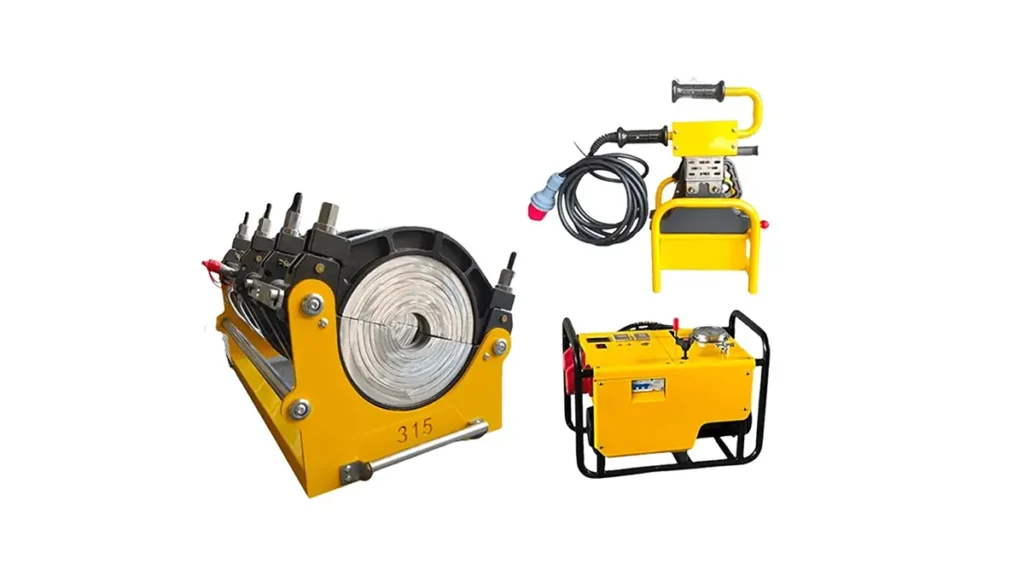
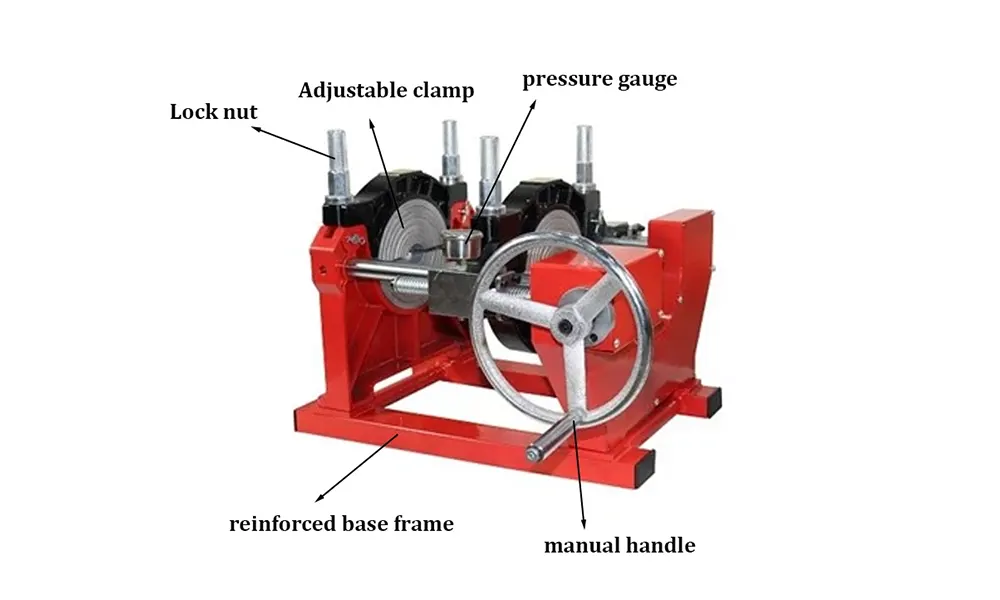
| Equipment Footprint | Compact, light, and easily portable into deep trenches. | Larger frame, hydraulic power pack usually required for bigger diameters. |
| Operator Skill Level | Lower. Requires proper scraper tool discipline but the fusion cycle is automated. | Higher. Requires skilled judgment on melt bead size and pressure control for consistent results. |
| Ideal Application | Repair clamps, saddle connections, tie-ins, and congested urban pipelines. | Prefabrication yards, longer straight runs, and mainline construction. |
For specific field conditions, many operators prefer the positional flexibility offered by electrofusion. The technique works well in wet or muddy trenches where butt fusion machines face alignment challenges. What is PE electrofusion explains these principles in greater technical depth.
How to Choose the Best Electrofusion Welder for Your Projects
Selecting the best electrofusion welder for HDPE pipes involves matching machine capabilities to job site demands. Start by confirming the welder’s voltage range aligns with your most commonly used fittings. For instance, smaller diameter service lines up to 63mm often require lower voltages, while large-diameter gas or water fittings demand higher energy output.
Prioritize Automation and Reporting:
Modern contractors look for machines with automatic fusion cycle selection via barcode input. This feature eliminates manual setting errors. Equally important is a robust data export function; project inspectors increasingly require PDF or CSV reports directly from the welder to comply with PPI electrofusion guide recommendations and quality standards.
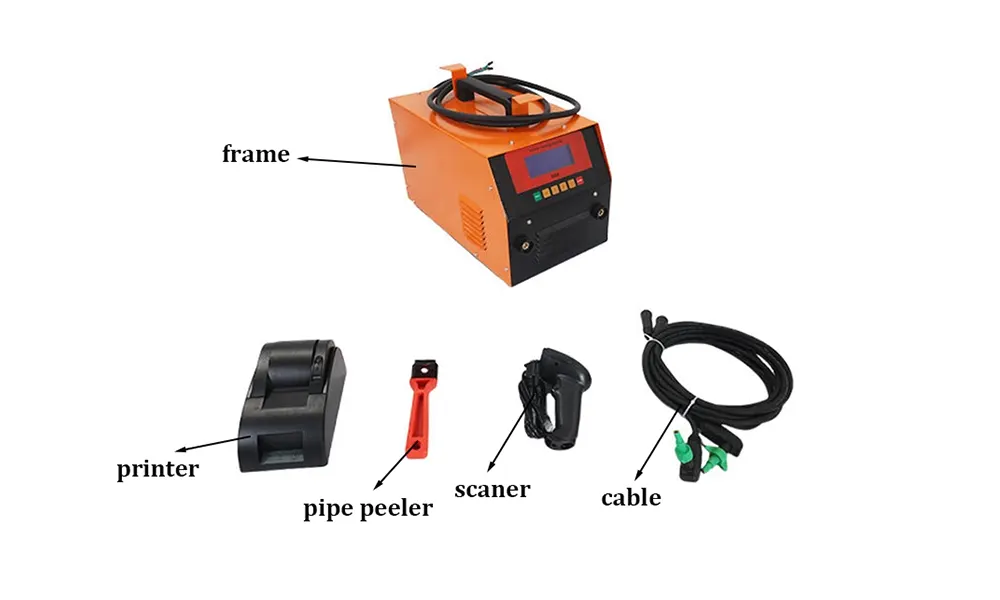
Consider the power source as well. While many units run on standard 110V/230V mains, models with battery backup or dual-power capability offer significant advantages for projects where generator access is inconsistent. Cable length is another practical factor—a minimum of 4-meter heavy-duty cables provides the reach needed to work inside deep excavations without repositioning the control unit constantly.
Durability cannot be overstated. Look for sealed, impact-resistant housings with clear, high-contrast LCD screens visible in direct sunlight. An intuitive multilingual interface also reduces training time for international crews.
Maintaining Your Electrofusion Equipment for Long-Term Reliability
Proper maintenance directly extends the service life of your investment. Keep electrical contacts and cable connectors clean and free of corrosion; a dedicated contact-cleaning kit is a worthwhile accessory. Regularly inspect cable insulation for cuts or abrasions that could cause electrical faults during a fusion cycle. Calibration of the internal voltage and resistance measurement circuits should be verified annually or after any major drop or impact. Storing the unit in a dry, protective case when not in use prevents moisture intrusion into sensitive electronics.
Industry Standards and Compliance
Reputable manufacturers design their electrofusion welder for HDPE pipes ranges to meet rigorous international guidelines. Compliance with ISO 12176-2 ensures the machine’s electrical output and measurement accuracy are within defined tolerances. Similarly, adherence to ASTM F1290 governs the joining procedures for polyolefin pipes and fittings. Using compliant equipment is not optional for regulated sectors—it is a legal requirement for gas distribution and potable water supply in most regions.
Organizations specializing in polyethylene piping, such as JQ-Fusion, focus on delivering electrofusion solutions that ensure stable voltage delivery, precise alignment verification, and reliable joint quality management. Their engineering teams support infrastructure contractors worldwide with rigorous quality assurance processes and responsive technical guidance.
Emerging Trends in Electrofusion Technology
The latest generation of machines is embracing connectivity. Bluetooth mobile apps now allow supervisors to monitor fusion progress remotely, while cloud-based logging creates permanent, tamper-proof joint records. Another trend is adaptive fusion: the welder measures the actual resistance of the fitting before starting and adjusts energy delivery in real-time for previously unmatched consistency. These innovations further reduce human error and improve the longevity of pipe networks, making smart electrofusion welders a wise long-term investment for forward-thinking utility companies.
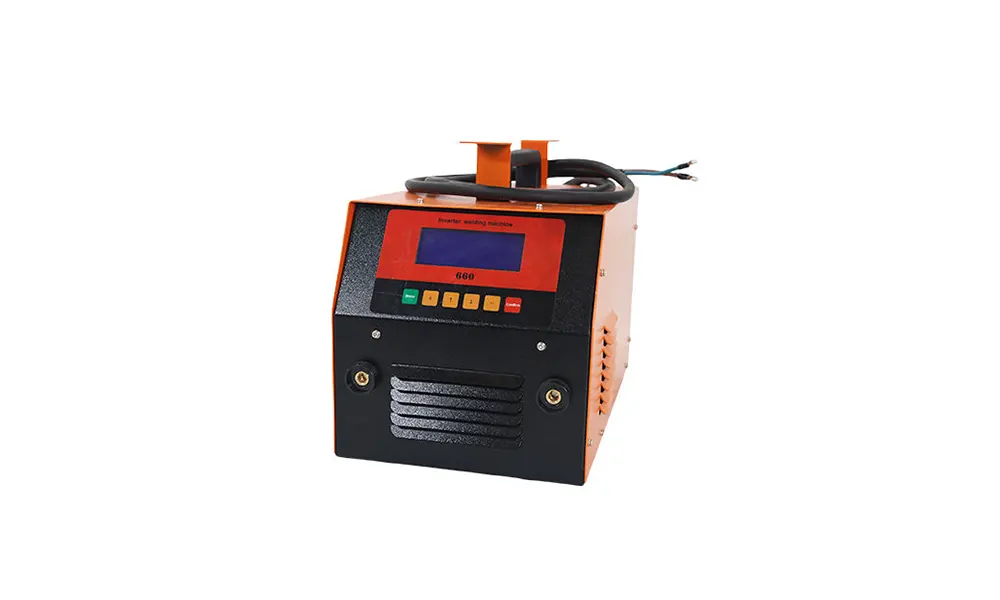
By carefully evaluating these features—electrical capacity, data intelligence, mechanical durability, and after-sales calibration support—engineers and procurement managers can confidently choose a machine that delivers safe, code-compliant joints for decades to come. Whether you are working on a municipal water grid upgrade, a natural gas distribution expansion, or a large-scale mining pipeline replacement, the right electrofusion welder for HDPE pipes is a cornerstone of project success and pipeline integrity.