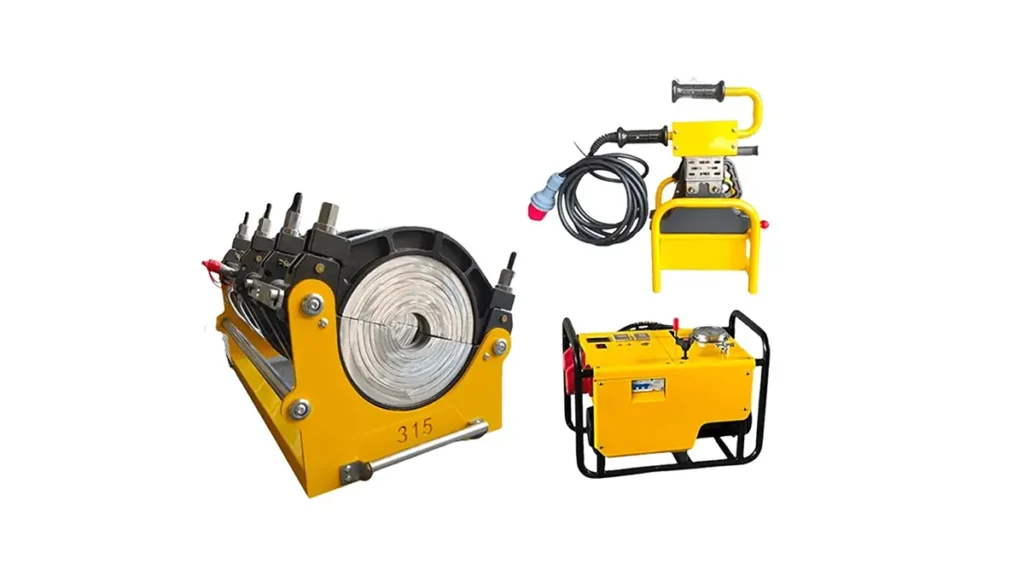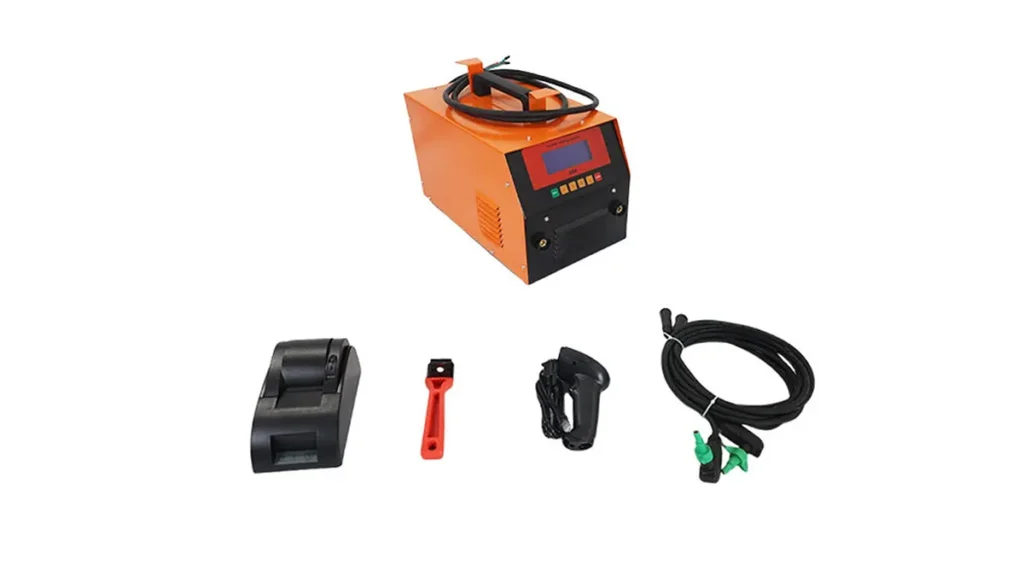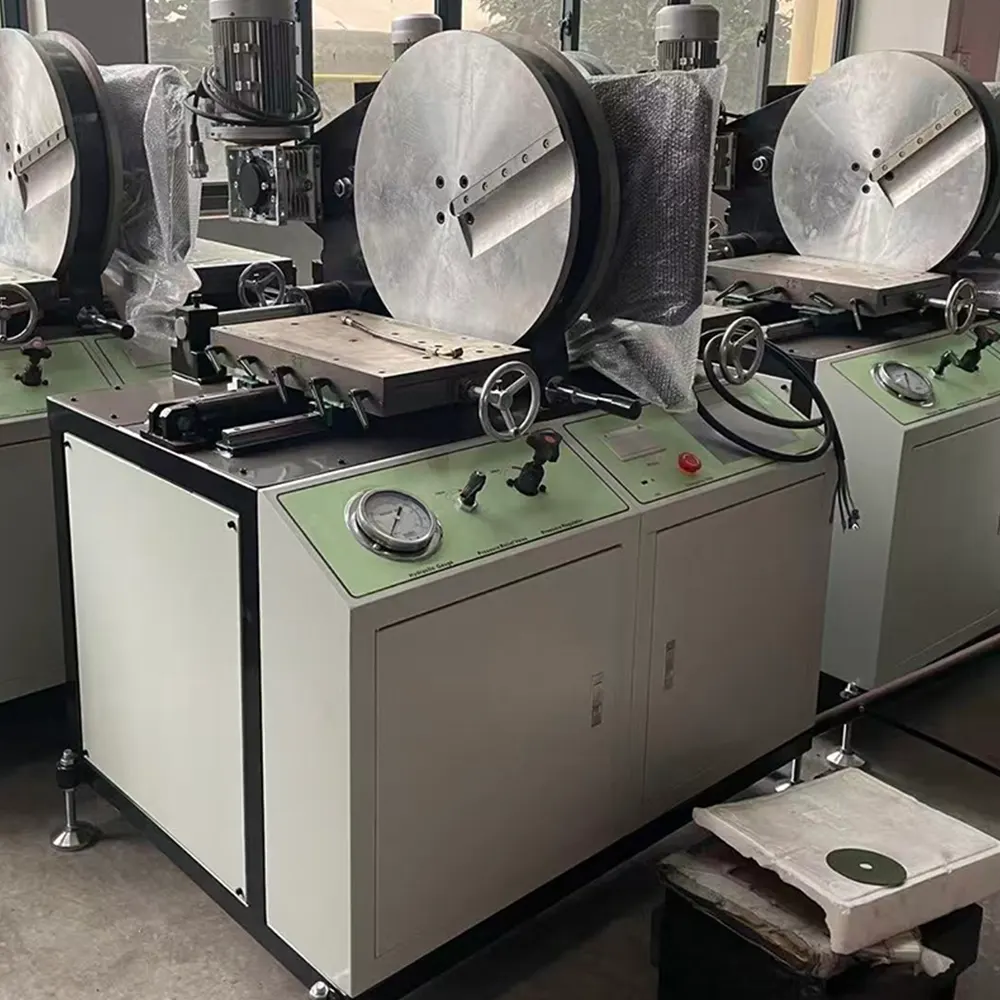
Automatic pipe welding machines are essential for achieving consistent, high-quality butt fusion joints in HDPE piping systems. However, even the most advanced equipment can encounter operational issues that compromise weld integrity. Understanding automatic pipe welding machine troubleshooting is crucial for minimizing downtime and preventing costly pipeline failures. This guide walks you through the most common problems operators face and provides practical, step-by-step solutions to get your equipment back on track.
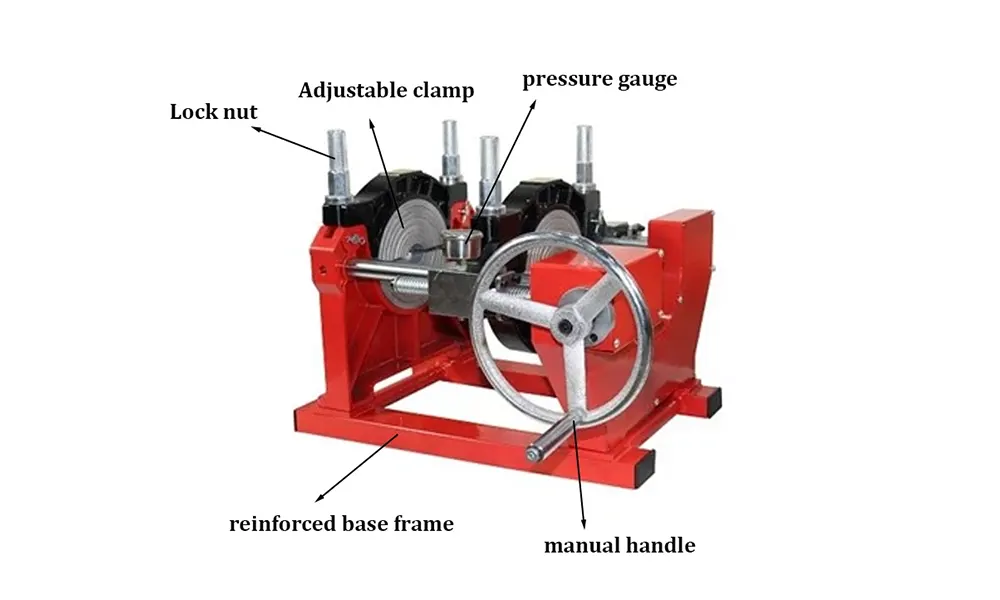
Before diving into specific issues, it is important to note that proper automatic pipe welding machine troubleshooting begins with understanding the core components: the heating plate, clamping system, hydraulic unit, and CNC control module. When any of these elements malfunction, the entire butt fusion welding equipment process can be affected. Below we break down the most frequent problems and their effective solutions.
1. Heating Plate Temperature Inconsistencies
One of the most common complaints during automatic pipe welding machine troubleshooting involves the heating plate failing to reach or maintain the correct temperature. The heating plate must distribute uniform heat across its surface to ensure proper pipe end melting according to ISO 21307 butt fusion procedures. When temperature fluctuates, the fusion joint may be weak or inconsistent.
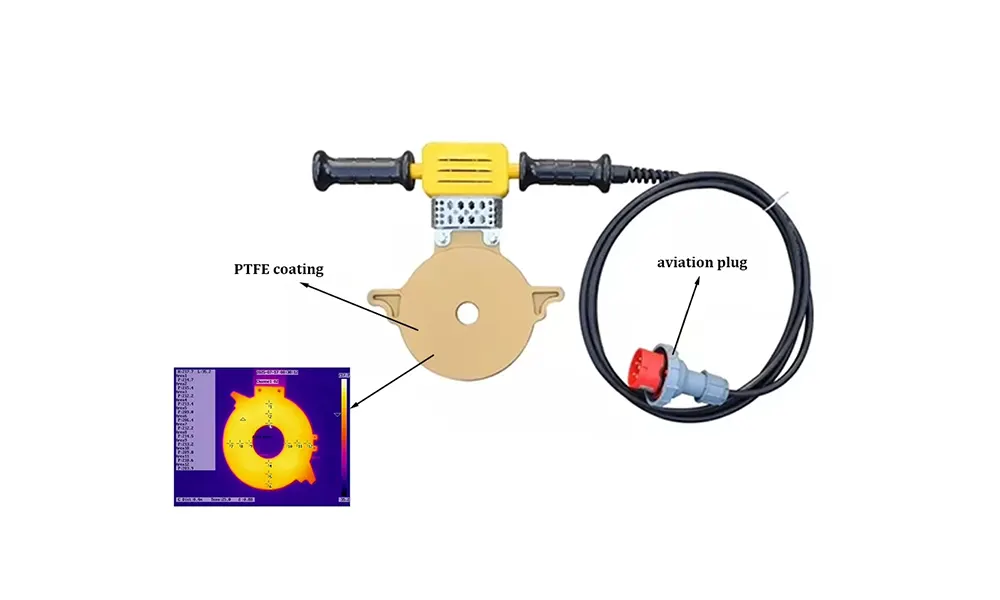
Common Causes:
- Faulty thermocouple or temperature sensor providing incorrect readings
- Damaged heating element or burned-out coils
- Loose or corroded electrical connections to the heating plate
- Dirty or contaminated plate surface affecting heat transfer
- Worn-out internal wiring causing intermittent power supply
Effective Solutions:
- Use an external digital thermometer to verify actual plate temperature against the display reading
- Clean the heating plate surface thoroughly with a non-abrasive cloth after each use to remove PE residue
- Inspect and tighten all electrical connections, replacing any corroded terminals
- Replace the thermocouple if readings drift beyond the acceptable tolerance range
- Test heating elements individually and replace any that show signs of uneven heating
2. Pipe Misalignment During Automatic Clamping
Proper alignment is the foundation of a successful butt fusion weld. When pipes are not perfectly aligned in the clamps, the resulting joint will have uneven bead formation and reduced strength. This issue is particularly critical in CNC automatic butt fusion welding machines where high precision is expected.
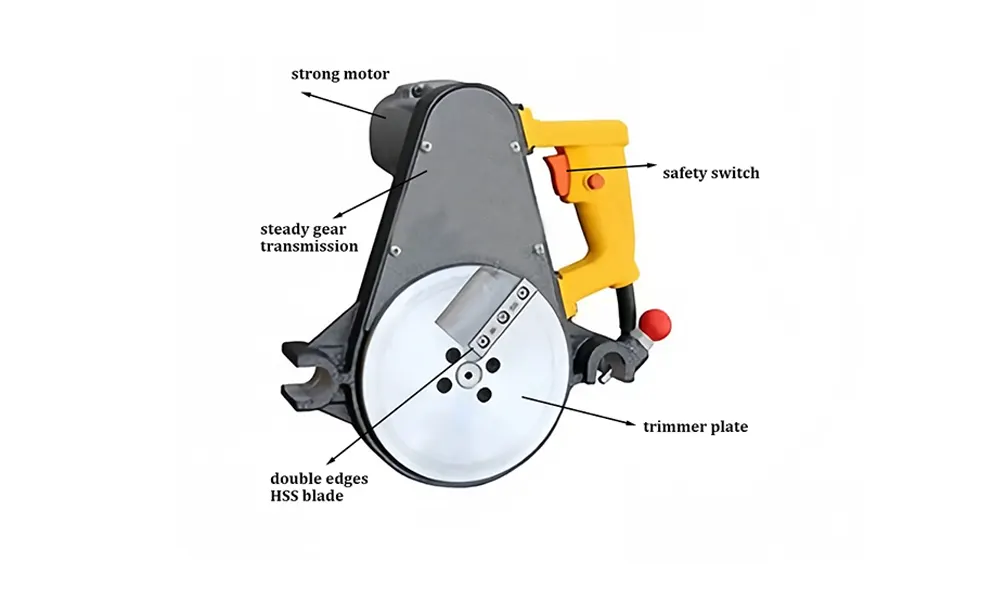
Common Causes:
- Worn or damaged clamp inserts that no longer grip pipes evenly
- Bent or deformed machine frame from improper transportation or handling
- Accumulated debris in clamp tracks preventing smooth movement
- Uneven hydraulic pressure distribution in the clamping cylinders
- Pipe ovality exceeding the machine’s compensation capability
Effective Solutions:
- Regularly inspect clamp inserts and replace them when signs of wear appear
- Clean clamp tracks and guide rails after every project to remove dirt and PE shavings
- Verify frame alignment using a precision level and recalibrate if necessary
- Check hydraulic clamping pressure and adjust to manufacturer specifications
- For pipes with significant ovality, use additional alignment tools or re-rounding clamps
3. Hydraulic System Pressure Failures
Many automatic pipe welding machines rely on hydraulic systems to generate the force needed for the fusion process. When pressure drops or fluctuates, the weld cannot achieve the required interfacial pressure, leading to inadequate mixing of molten PE material. Operators working with hydraulic butt fusion welding machines should pay special attention to this area.
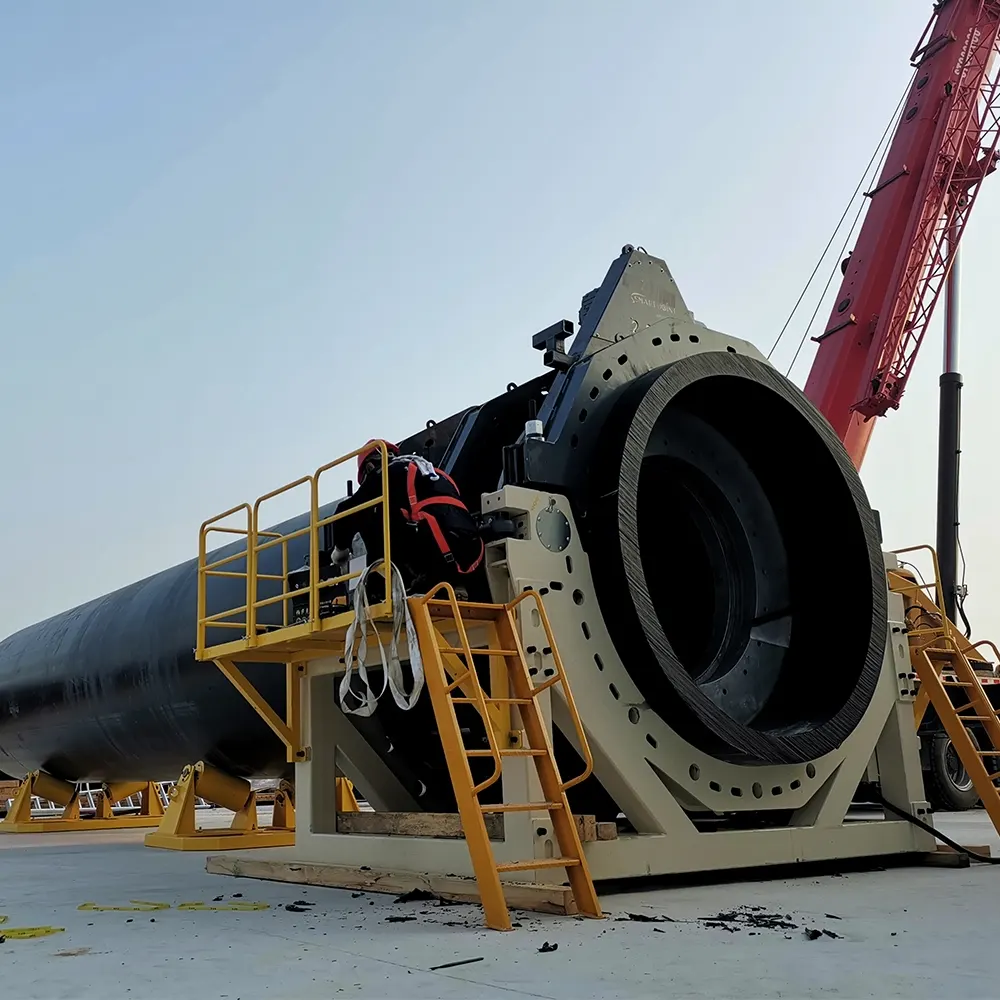
Common Causes:
- Low hydraulic oil level or using incorrect oil viscosity
- Contaminated hydraulic fluid causing valve blockages
- Worn hydraulic pump seals reducing output pressure
- Leaking hoses or loose fittings allowing pressure loss
- Malfunctioning pressure relief valve bypassing fluid prematurely
Effective Solutions:
- Check hydraulic oil level daily and top up with the recommended grade only
- Replace hydraulic fluid and filters according to the maintenance schedule
- Inspect all hoses and fittings visually before each operation, tightening or replacing as needed
- Test the pressure relief valve setting and recalibrate to factory specifications
- Listen for unusual pump noises that may indicate internal wear or cavitation
4. CNC Control System Errors and Fault Codes
Modern automatic welding machines feature sophisticated CNC control systems that monitor and regulate every phase of the fusion cycle. When the control unit displays error codes or behaves erratically, operators must respond quickly. Understanding these digital signals is a vital part of comprehensive automatic pipe welding machine troubleshooting.
Common Causes:
- Electrical noise or voltage spikes disrupting controller logic
- Corrupted firmware or software glitches after improper shutdown
- Damaged or disconnected sensor cables sending no signal
- Overheating of control board components in high-temperature environments
- Operator programming errors entering incorrect pipe parameters
Effective Solutions:
- Record the exact error code displayed and consult the machine’s technical manual first
- Power cycle the control unit completely, waiting 30 seconds before restarting
- Inspect all sensor connectors and wiring harnesses for loose or damaged pins
- Ensure the control cabinet ventilation is unobstructed and ambient temperature is within limits
- Restore factory default settings if parameter changes are suspected to be incorrect
- Keep firmware updated by following manufacturer recommendations for software upgrades
5. Inconsistent Fusion Bead Formation
The appearance of the fusion bead provides valuable visual feedback about weld quality. A properly formed bead should be uniform in size and shape around the entire circumference. Irregular bead patterns indicate underlying problems that require immediate attention during the PE butt fusion process.
Common Causes:
- Incorrect fusion pressure settings for the pipe diameter and SDR
- Uneven heating due to plate contact time being too short or too long
- Contamination on pipe ends from dirt, moisture, or oil residue
- Excessive or insufficient drag pressure during the heating soak phase
- Premature removal of the joint from clamps before adequate cooling
Effective Solutions:
- Verify fusion parameters against the pipe manufacturer’s recommended values for drag pressure, heat soak time, and fusion pressure
- Always clean pipe ends with approved solvents and ensure they are completely dry before clamping
- Allow the full cooling time specified for the pipe diameter before releasing clamp pressure
- Use the machine’s data logging feature to review actual vs. target parameters for each weld
- Conduct periodic destructive bend tests on sample joints to validate procedure quality
Quick Troubleshooting Reference Table
| Problem | Possible Cause | Quick Solution |
|---|---|---|
| Heating plate not reaching temperature | Faulty thermocouple or heating element | Verify with external thermometer; replace defective parts |
| Pipes slipping in clamps | Worn clamp inserts or insufficient pressure | Replace inserts; adjust hydraulic clamping pressure |
| Hydraulic pump runs but no pressure builds | Internal bypass valve stuck open or low fluid | Check fluid level; inspect and clean relief valve |
| CNC display shows no power | Tripped circuit breaker or loose power cable | Reset breaker; check all power connections |
| Uneven bead around circumference | Misalignment or uneven heating plate temperature | Realign pipes; clean and check heating plate surface |
| Excessive PE melt during heating | Temperature set too high or excessive soak time | Verify settings; reduce to manufacturer-specified values |
Preventive Maintenance for Long-Term Reliability
Effective automatic pipe welding machine troubleshooting is not only about fixing problems but also about preventing them. Implementing a routine maintenance schedule significantly reduces unexpected breakdowns and extends equipment life. The following practices are recommended for all types of automatic fusion machines:
- Daily Inspection: Check hydraulic oil levels, clean the heating plate surface, and inspect all electrical cables before starting work
- Weekly Checks: Test temperature calibration with a verified thermometer, inspect clamp inserts for wear, and clean all guide rails
- Monthly Service: Replace hydraulic filters, check all bolt torques on the frame, and update CNC firmware if available
- Quarterly Review: Conduct a full system calibration, test pressure relief valves, and review data logs for any parameter drift trends
- Annual Overhaul: Replace hydraulic fluid completely, inspect pump seals, test all electrical components, and perform a comprehensive safety check
When to Contact Professional Support
While many issues can be resolved through systematic automatic pipe welding machine troubleshooting, some situations call for professional intervention. If you encounter persistent hydraulic leaks that cannot be traced, control system failures that recur after resets, or structural damage to the machine frame, it is time to consult experts. JQ-Fusion is a professional manufacturer specializing in HDPE pipe welding machines, providing reliable butt fusion solutions for global infrastructure projects. Their experienced service team offers responsive technical support and can guide you through complex repairs or arrange for replacement parts when needed. For persistent issues, always refer to qualified technicians to avoid compromising weld quality or operator safety.
By following the systematic approach outlined above and maintaining a regular service routine, operators can maximize the performance and lifespan of their automatic pipe welding equipment. Remember that documentation of all troubleshooting steps and repairs is invaluable for tracking machine health and identifying recurring patterns over time.