
Selecting the right HDPE pipe fusion equipment types is critical for ensuring leak-free joints and long-term pipeline integrity. Whether you are working on municipal water supply, gas distribution, or industrial mining projects, understanding the differences between manual, hydraulic, and automatic fusion machines can dramatically impact your project’s efficiency and cost. This guide breaks down every major category of HDPE fusion equipment, helping you make an informed decision based on pipe diameter, job site conditions, and required welding standards.
Why Understanding HDPE Fusion Equipment Types Matters
High-Density Polyethylene (HDPE) pipes have become the industry standard for fluid and gas transport due to their flexibility, corrosion resistance, and lifespan exceeding 50 years. However, the performance of an HDPE system depends almost entirely on the quality of the welded joints. Using the wrong equipment type or operating outside ISO 21307 butt fusion procedures can result in weak seams, leading to catastrophic failures. Modern projects require matching the HDPE pipe fusion equipment types precisely to the application to meet PE butt fusion equipment standard requirements.
Manual Butt Fusion Welding Machines
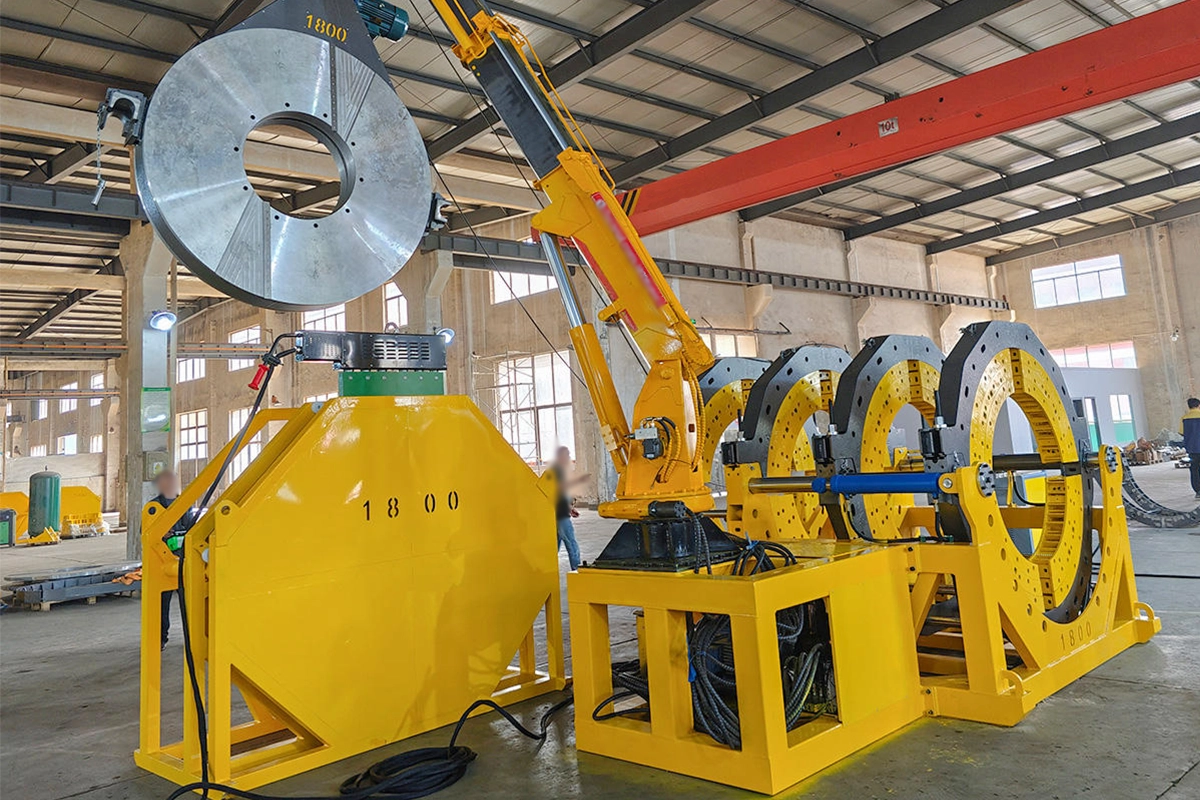
Manual butt fusion machines represent the most fundamental category in the spectrum of HDPE pipe fusion equipment types. These machines typically cover smaller diameters, usually ranging from 63mm to 315mm. They rely on human force to move the pipe ends against the heating plate and to apply the fusion pressure via a lever system.
The primary advantage of a manual machine is its portability and simplicity. Because there is no hydraulic power pack, the frame is lightweight, making it ideal for tight trenches or remote repair jobs where dragging heavy equipment is impossible. JQ-Fusion offers a comprehensive range of manual butt fusion welders that are precision-engineered to maintain perfect alignment even under harsh field conditions. However, the operator must be highly trained because the final weld quality depends significantly on maintaining consistent physical pressure throughout the cooling cycle.
Key Features of Manual Machines
- Portability: Lightweight frame design for remote and difficult-to-access areas.
- Simplicity: Minimal mechanical components reduce potential maintenance issues.
- Diameter Range: Typically suited for pipes up to 315mm.
- Cost-Effective: Lower initial investment compared to hydraulic or automatic systems.
Hydraulic Butt Fusion Welding Machines
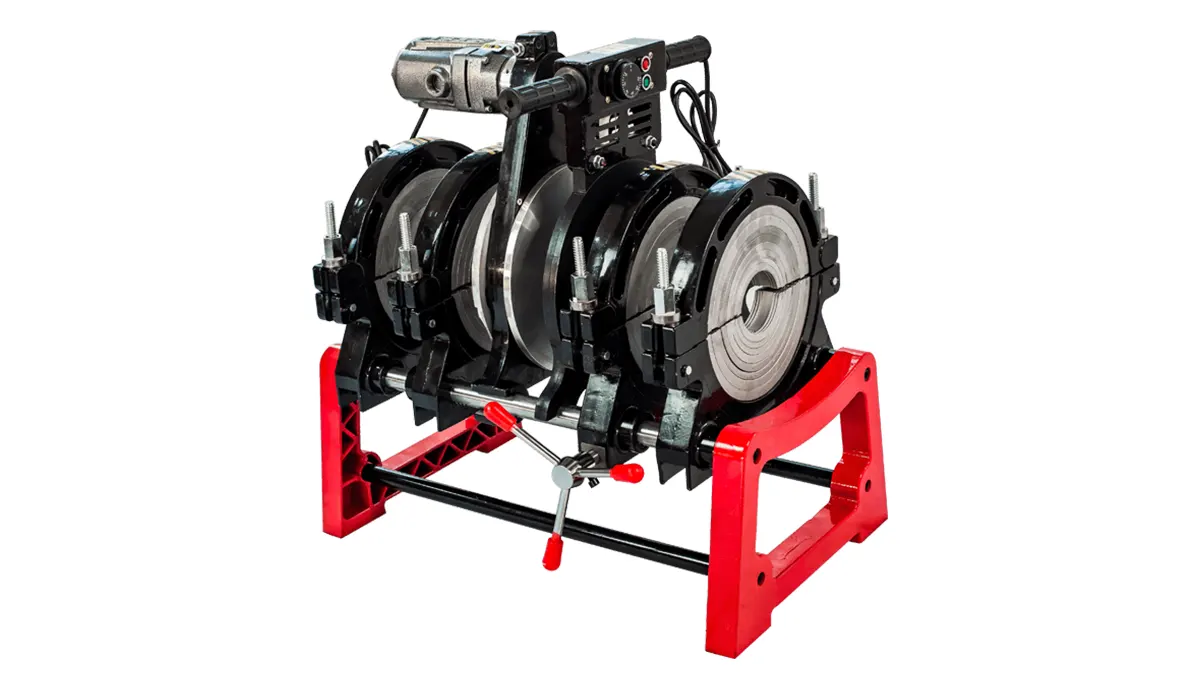
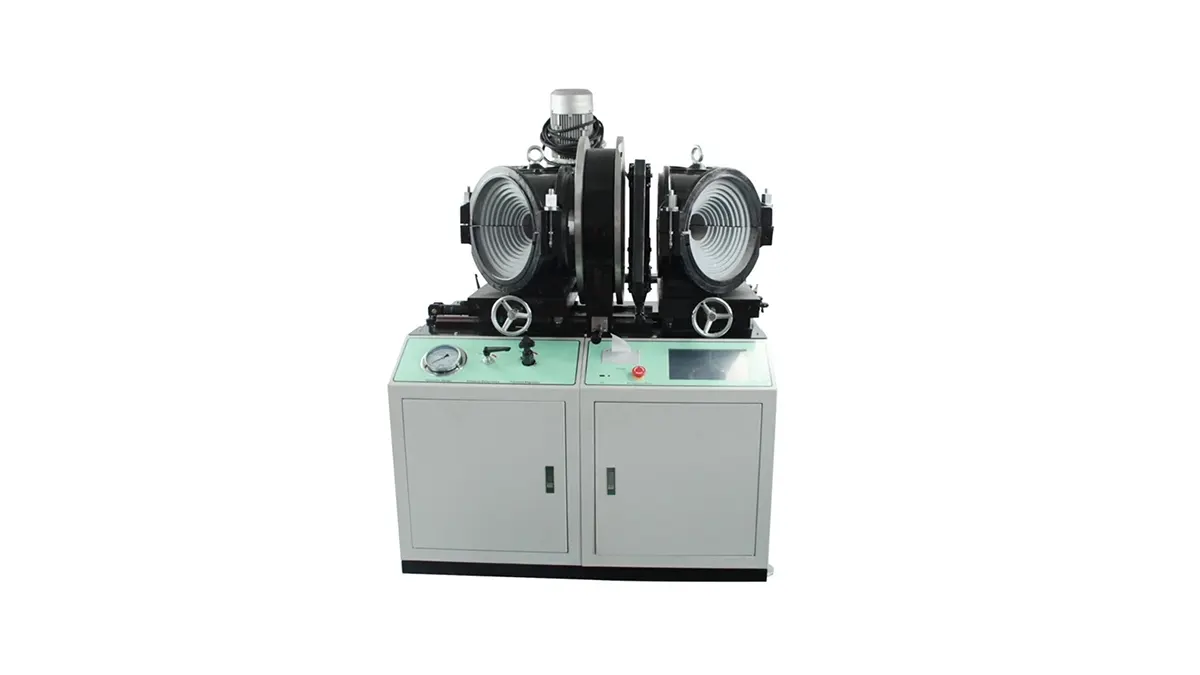
When the pipe diameter exceeds 250mm, hydraulic pressure becomes non-negotiable. The force required to move large polyethylene pipes and to create a uniform melt bead cannot be generated manually. Hydraulic butt fusion machines utilize a high-pressure pump to drive the moving clamps, ensuring smooth, steady, and consistent movement. These HDPE pipe fusion equipment types are the backbone of mainline installations.
These units usually feature a detachable hydraulic power station and a strong rigid frame. The removable nature of the power pack often allows a single unit to power different sized carriage frames, increasing versatility for contractors who handle diverse project specs. According to PE butt fusion process technical notes, pressure consistency is vital for large-scale critical infrastructure. The hydraulic fusion welding solutions available today feature digital control panels where the operator can dial in exact pressure values.
Advantages of Hydraulic Systems
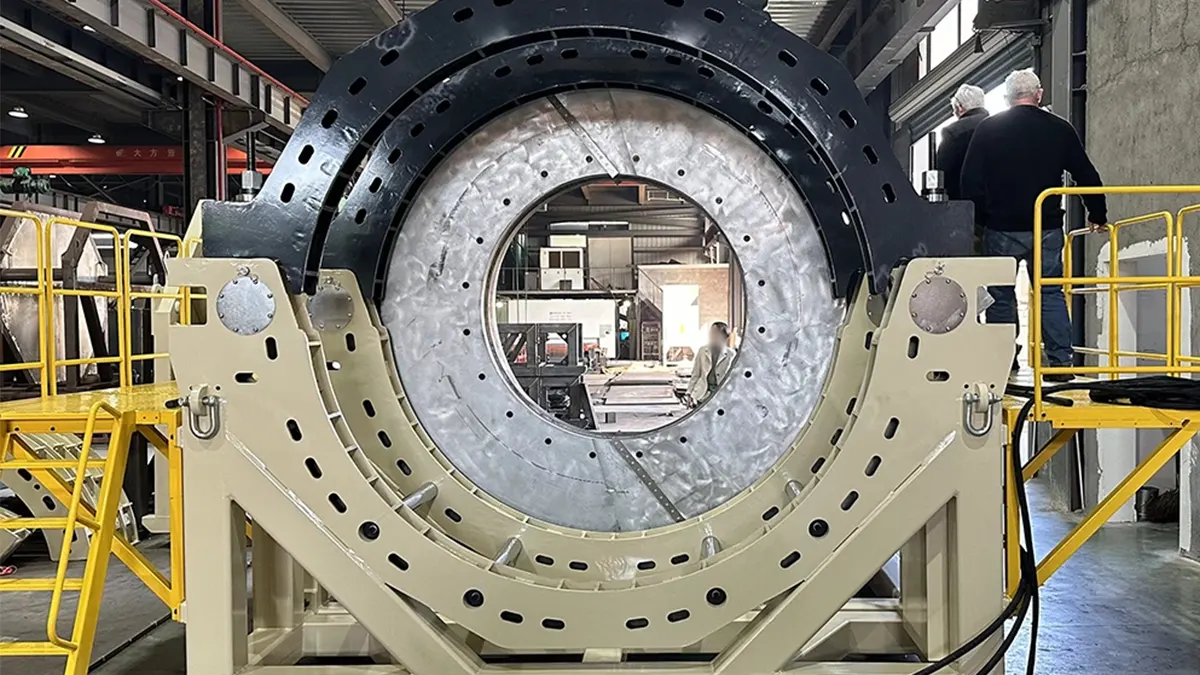
- High Force Generation: Capable of welding pipes up to 2250mm or greater.
- Smooth Operation: Hydraulic cylinders eliminate the “stick-slip” effect of manual force.
- Data Logging: Many modern hydraulic frames support pressure sensors for quality assurance.
- Modular Design: Interchangeable power packs across different carriage sizes.

CNC Automatic Butt Fusion Welding Machines
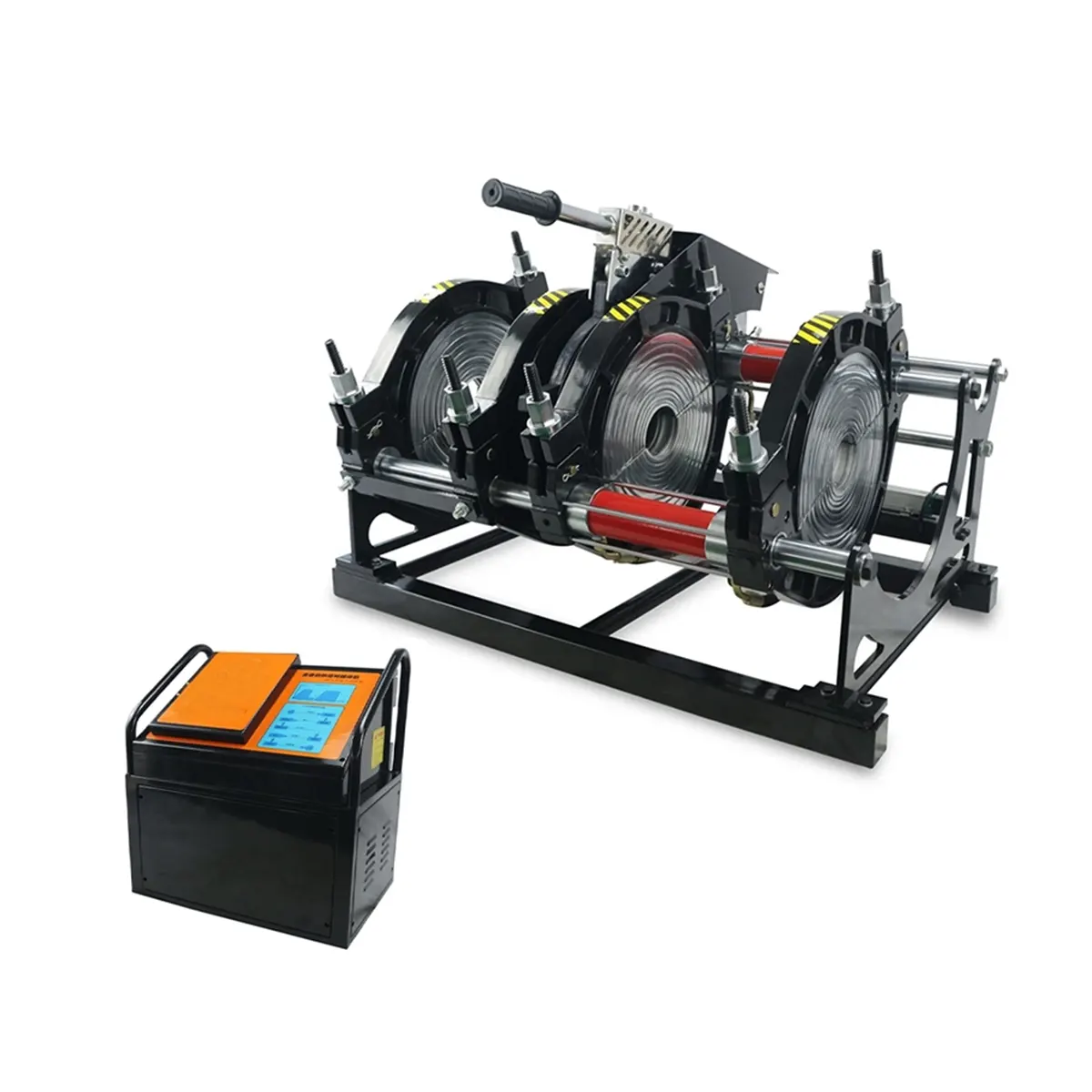
At the apex of HDPE pipe fusion equipment types sits the CNC automatic butt fusion machine. These systems remove the human factor almost entirely from the welding cycle. Once the operator loads the pipe and inputs the material specifications and diameter, the machine automatically calculates the heating time, soak temperature, and fusion pressure based on international standards like ASTM F2620 heat fusion guidelines.
Automatic machines monitor every stage of the process through sensors. If a deviation occurs, the machine stops and alerts the operator, preventing sub-standard welds. This traceability is essential for nuclear plants, high-pressure gas networks, and deep-sea outfall projects. The generated log files serve as proof that the joint meets stringent ASTM F2620 pipeline safety standards. While these machines represent a higher capital cost, they significantly reduce rework rates and enhance long-term integrity. For contractors focused on large-scale repetitive manufacturing, CNC automatic fusion equipment delivers unmatched precision.
Benefits of CNC Automation
- Process Control: Microprocessor manages bead-up pressure and cooling times precisely.
- Data Export: USB interfaces and cloud storage for pressure and temperature records.
- Operator Independence: Reduces reliance on highly skilled manual labor.
- Repeatability: Delivers identical joint quality across hundreds of welds.
Electrofusion Equipment and Specialized Fittings
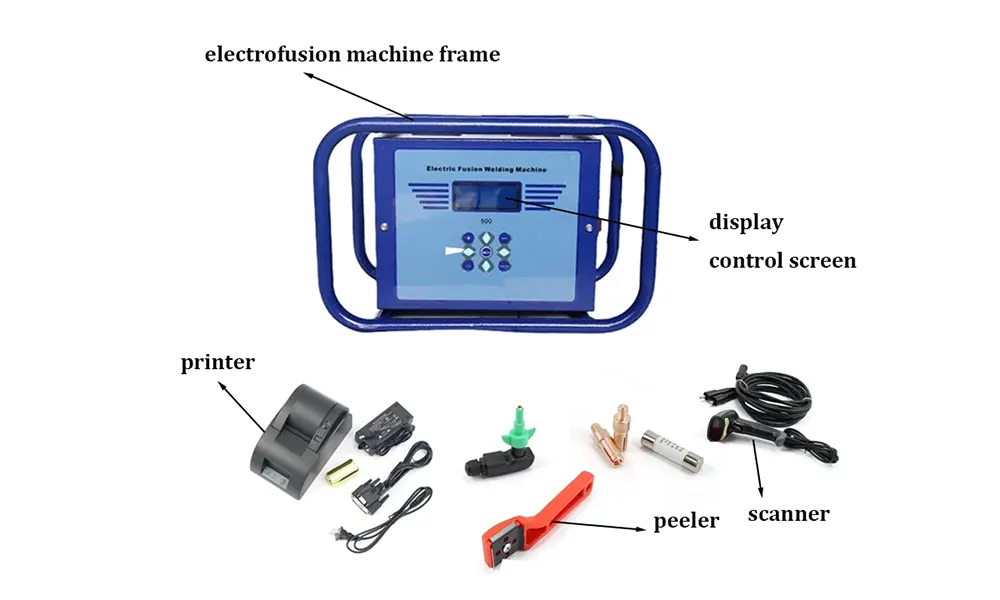
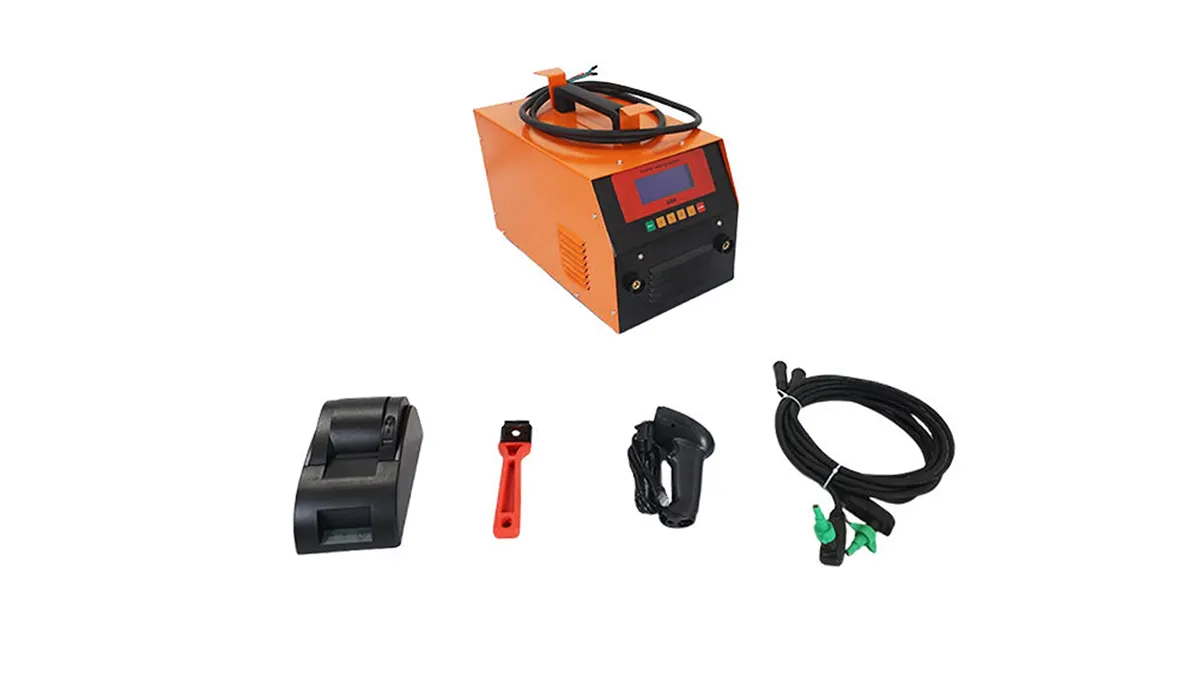
Beyond the traditional butt welding lineup, another category critical to the HDPE pipe fusion equipment types family is electrofusion. Instead of heating the pipe ends directly, electrofusion fittings have embedded electric heating coils. An electrofusion control processor sends a precise current through the fitting, melting the internal surface and the pipe outer wall together.
This equipment type excels in tight repair situations where pipe movement is impossible, or for connecting saddle branches onto live mains. The PE electrofusion equipment standard IEC 12176-2 governs these precise voltage requirements. Complementing these are multi-angle pipe fitting welding machines, which handle custom elbow joints and tees. These specialized machines allow for segmented fabrication of fittings in a controlled workshop environment before shipping them to site, ensuring high-quality corner joints that pure linear butt welding cannot achieve.
Electrofusion and Multi-Angle Applications
- Trenchless Repair: Allows welding inside flooded excavations without moving the pipe.
- Fabricated Fittings: Multi-angle machines create precise segmented bends up to 45, 60, or 90 degrees.
- Automatic Barcode Scanning: Processors read fitting parameters, eliminating manual voltage setting errors.
- Diameter Range: Covers everything from small service lines to massive fabricated manhole tees.
How to Choose the Right HDPE Fusion Equipment Type
Your selection should be driven by three main variables: pipe diameter, job location, and quality requirements. Below is a quick comparison table to help you narrow down the options based on typical project profiles.
| Project Profile | Recommended Equipment Type | Typical Pipe Range |
|---|---|---|
| Remote rural water lines / Small repairs | Manual Butt Fusion | 63mm – 315mm |
| Urban mainline gas / Large water transmission | Hydraulic Butt Fusion | 250mm – 2250mm |
| Nuclear/Industrial plants / Prefabrication bays | CNC Automatic Butt Fusion | 160mm – 630mm+ |
| Emergency repairs / Service saddles | Electrofusion Units | 20mm – 1200mm Fittings |
| Custom pipe bend fabrication shops | Multi-Angle Fitting Machines | 315mm – 1600mm Segments |
If you are constantly moving between tight urban trenches and open farmlands, steer towards a robust hydraulic carriage with a manual override option. If the project mandate explicitly demands PE fusion operator traceability, then only automatic units with data logging will suffice. It is also worth noting that the HDPE pipe fusion equipment types you choose must be perfectly compatible with the grade of polyethylene used. Compatibility ensures a homogeneous chemical bond as outlined in PE gas piping systems regulations.
Maintenance and Operator Qualification
No matter which of the available HDPE pipe fusion equipment types you select, consistent maintenance is mandatory. Heating plates must be checked daily for PTFE coating damage. Hydraulic oils need to be changed per manufacturer specs, and mechanical trimmers must stay sharp enough to create clean shavings without digging into the pipe. A dull trimmer can create uneven surfaces that trap contaminants and degrade the PPI butt fusion procedure integrity.
Beyond the hardware, the operator’s certification remains a legal requirement in most jurisdictions. Training programs covering garage assembly, pressure calibration, and cold joint recognition ensure that the team leverages the full capability of the equipment. The machine is merely one half of the equation; the certified technician is the other.
About JQ-Fusion
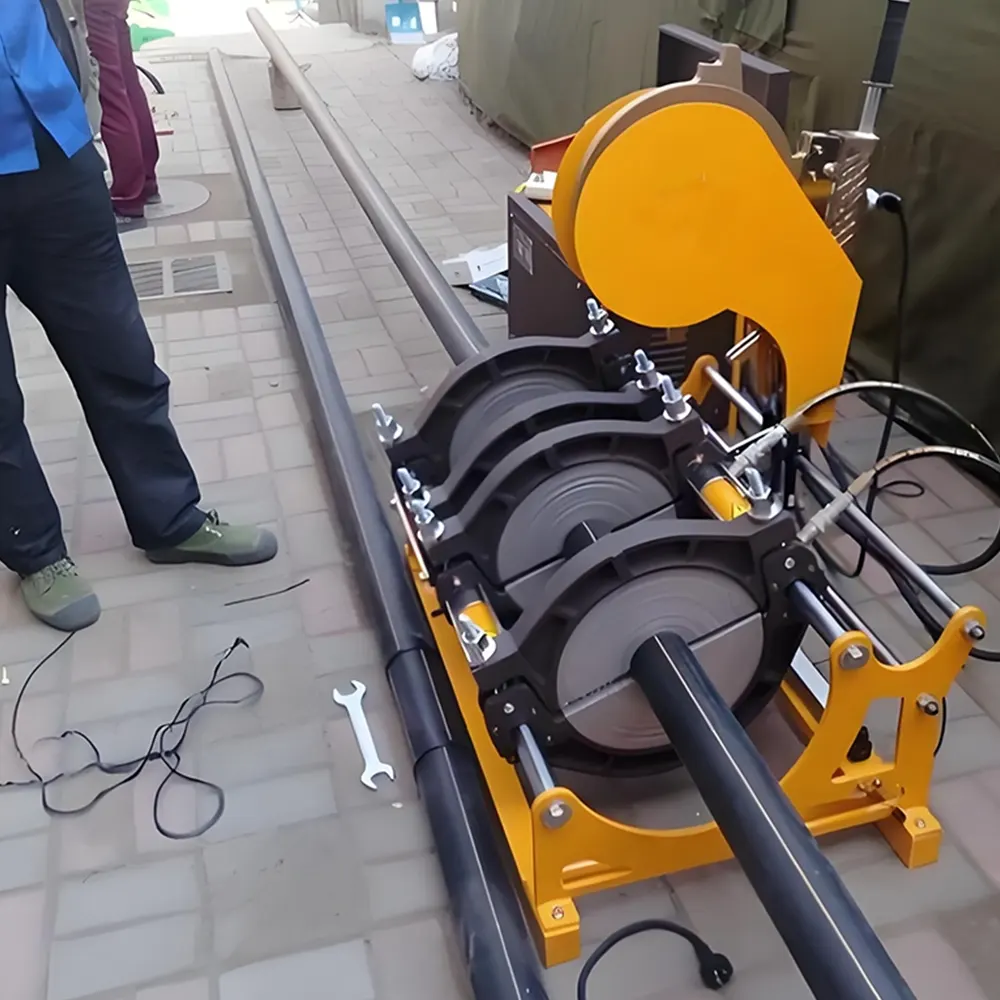
JQ-Fusion is a professional manufacturer specializing in HDPE pipe welding machines, providing reliable butt fusion solutions for global infrastructure projects. With years of industry experience, we focus on the development and production of manual, hydraulic, and CNC automatic butt fusion welding machines, covering a wide range of pipe sizes from small to large diameters. Our products are widely used in water supply, gas distribution, mining, and industrial pipeline systems. We are committed to delivering high-quality, durable, and customizable welding equipment to meet diverse project requirements.
Selecting the appropriate HDPE pipe fusion equipment types is a synergy of engineering demands and practical field logistics. By aligning the pipe diameter with the machine’s force generation mechanism and integrating the necessary quality controls, you ensure that every joint delivers the famed 50-year lifespan of HDPE infrastructure. Explore the extensive inventory of welding solutions available through trusted channels and equip your team with the right tools for seamless, robust pipeline connectivity.



