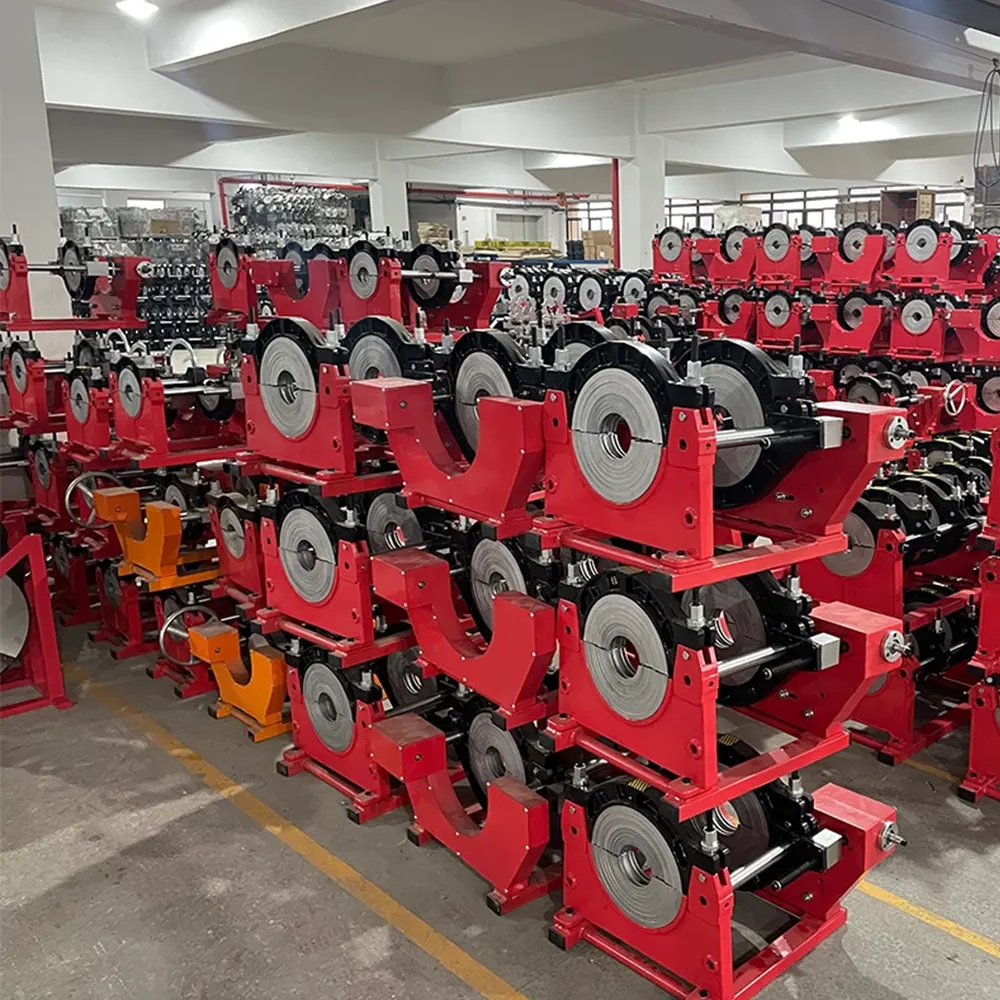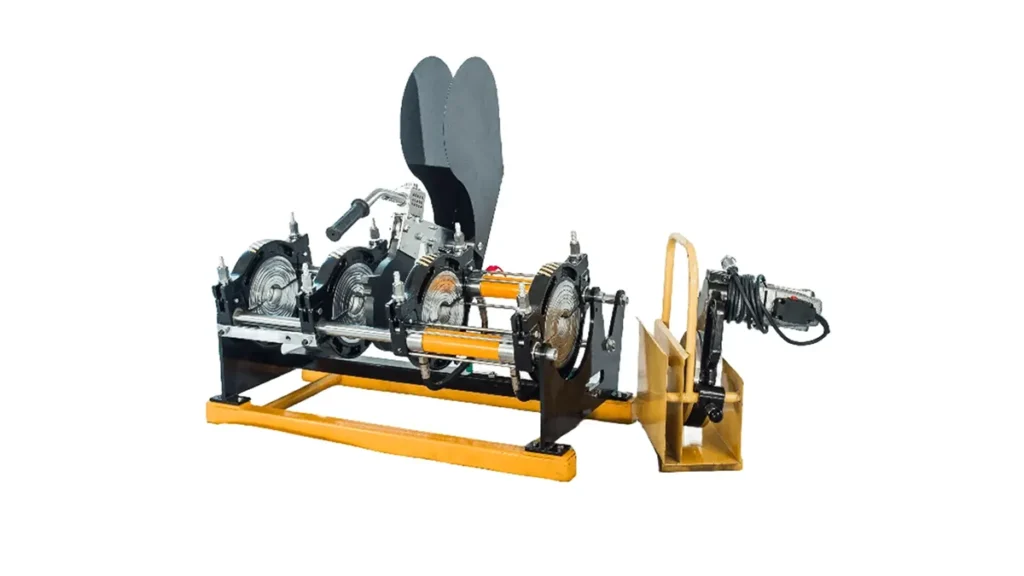
Municipal infrastructure projects demand uncompromising quality and long-term reliability, especially when it comes to pipeline systems. Whether for potable water, gas distribution, or sewage networks, the integrity of pipe joints often determines the lifespan and safety of the entire system. This is where a specialized HDPE welding machine for municipal projects becomes critical. High-Density Polyethylene (HDPE) pipes are increasingly the material of choice for municipalities globally due to their flexibility, corrosion resistance, and leak-free jointing capabilities. However, these benefits are only realized when the fusion process is executed with precision equipment that meets strict ISO 21307 butt fusion procedures.
Understanding HDPE Welding Machine Types for Municipal Applications
Selecting the right butt fusion welding machine depends heavily on the project scale, pipe diameters, and site conditions. Municipal contractors typically rely on three primary categories, each with distinct operational advantages. A clear understanding of these types ensures project managers can allocate resources efficiently.
| Machine Type | Best For | Key Advantage |
|---|---|---|
| Manual Butt Fusion | Small diameter pipes (≤250mm) | Portability and cost-effectiveness for remote areas |
| Hydraulic Butt Fusion | Medium to large diameters (up to 2250mm) | High force and rigidity for thick-wall pipes |
| CNC Automatic Butt Fusion | Critical infrastructure requiring full traceability | Data logging and compliance with PE butt fusion equipment standards |

Core Applications in Municipal Infrastructure
The versatility of HDPE pipes means an HDPE welding machine for municipal projects is indispensable across various sectors. The ability to create monolithic, leak-free pipelines is vital for protecting public health and the environment. Below are the most common applications where specialized fusion equipment ensures compliance with regulations like ISO 4427 PE water pipes.
Potable Water Distribution Networks
Clean water delivery systems require zero-contamination joints. Hydraulic butt fusion machines are predominantly used here to weld large-diameter transmission mains. The precision of the hydraulic pipe welding machines ensures uniform bead formation, preventing biofilm buildup and ensuring water quality remains uncompromised from the treatment plant to the household meter.
Sewage and Drainage Systems
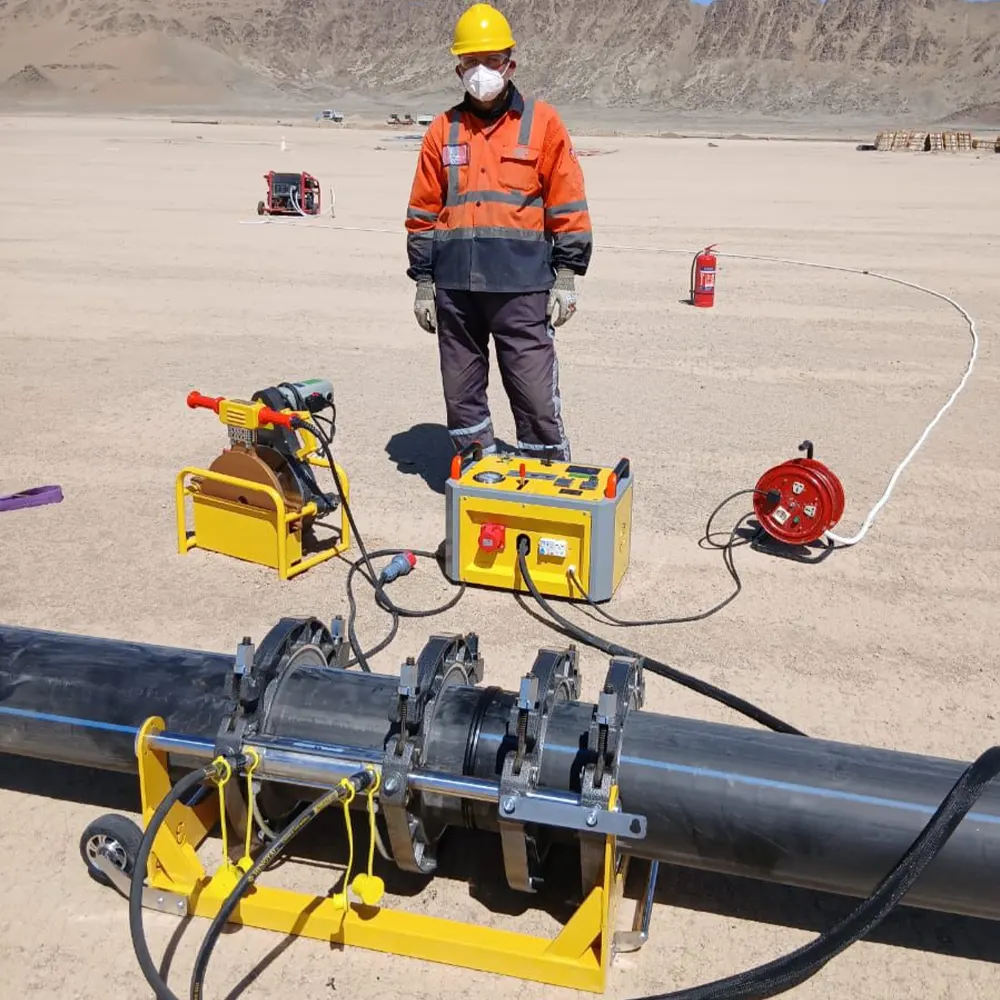
Municipal sewage lines benefit from HDPE’s abrasion resistance. Manual and hydraulic machines are both commonly deployed. Given the often-trenchless installation methods like pipe bursting or slip-lining, the compact design of modern butt fusion equipment allows operators to work efficiently within confined entry pits.
Gas Distribution Mains
Safety is paramount in gas supply. This sector heavily relies on CNC automatic butt fusion machines. These units strictly follow PE gas piping systems parameters, automatically adjusting pressure and time. The onboard data loggers provide verifiable proof of joint integrity, which is a regulatory requirement for many municipal gas utilities.
Benefits of Using Dedicated HDPE Fusion Equipment
Why do municipalities insist on specialized welding machines rather than generic heating tools? The answer lies in the science of PE butt fusion process technology. The benefits extend far beyond simple sticking of pipes together and influence the total cost of ownership for ratepayers.
- Homogeneous Joints: Properly executed butt fusion creates a joint stronger than the pipe itself, eliminating the risk of leakage that is common with mechanical couplings.
- Long-Term Cost Efficiency: With a lifespan often exceeding 50 years, pipelines welded with certified machines require minimal maintenance, reducing the burden on municipal budgets.
- Environmental Safety: Precision welding prevents exfiltration of sewage into groundwater and infiltration of contaminants into potable water lines, aligning with strict municipal environmental mandates.
- Operative Flexibility: Modern machine ranges, from small manual pipe welding machines to large tracked rigs, allow for installation in diverse terrains typical of municipal settings.
Buying Guide: Selecting the Right HDPE Welding Machine
Investing in an HDPE welding machine for municipal projects requires thorough technical evaluation. The wrong choice can lead to project delays and joint failures. Procurement officers and project managers should consider the following critical factors to ensure they get the best return on their investment.
Pipe Diameter and SDR Rating
The most crucial specification is the machine’s capacity. Always choose a machine whose maximum welding range slightly exceeds your project’s largest pipe diameter. Additionally, consider the Standard Dimension Ratio (SDR). Thicker walls require higher clamping forces, making robust hydraulic machines necessary for high-pressure municipal applications.
Operator Skill and Automation
While manual machines are suitable for non-critical sewer applications, critical pressure pipelines benefit from CNC automatic controls. If your municipality faces a shortage of highly skilled fusion technicians, an automatic machine that follows PE fusion operator requirements minimizes human error and ensures consistent output regardless of the operator’s experience level.
Durability and Spare Parts
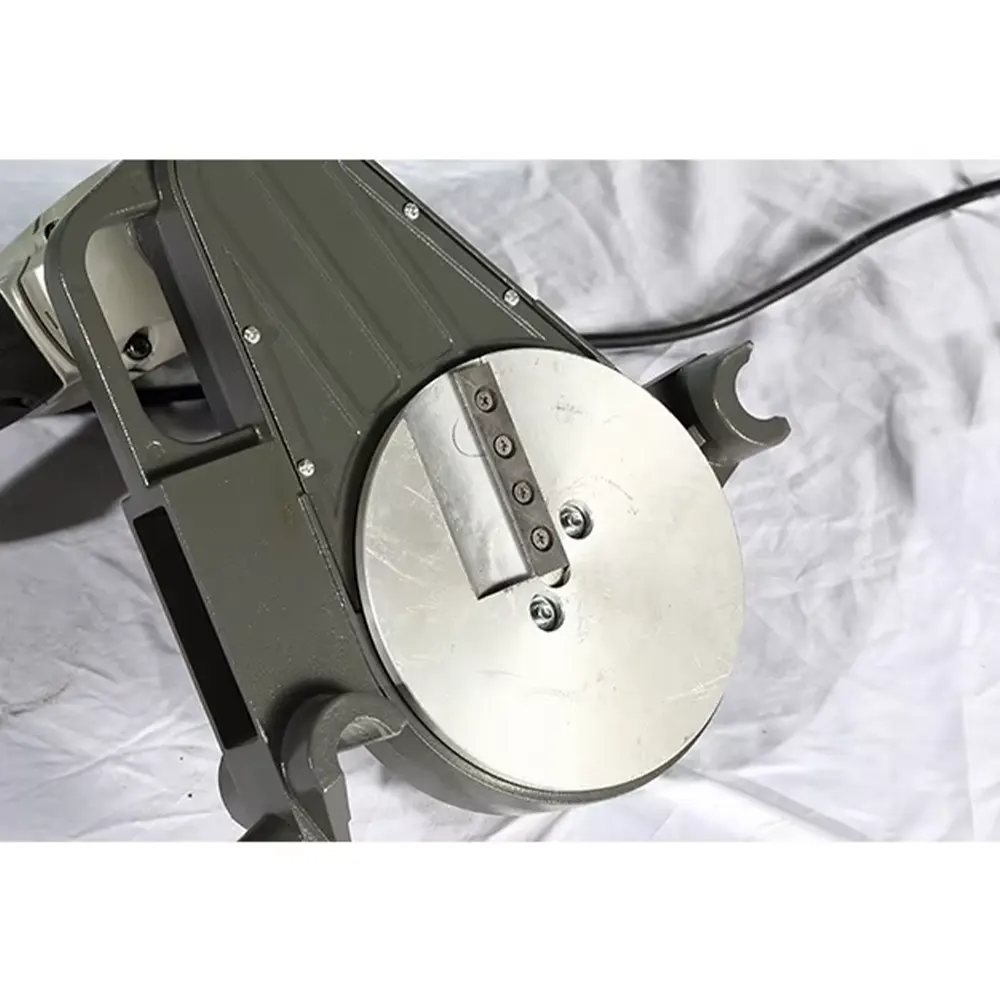
Municipal work is often heavy-duty. Look for machines built with high-grade aluminum clamps and coated heating plates to withstand harsh field conditions. Weigh the availability of spare parts carefully. A reliable supplier should offer quick access to consumables like trimmers and heating elements to prevent unexpected downtime on government contracts.
Why Certifications and Standards Matter for Municipal Projects
Municipal contracts are strict regarding equipment certification. The machine you select should demonstrably comply with traceability standards. Adherence to PE fusion traceability protocols is not just a formality; it is a quality assurance mechanism. By generating permanent records of the welding cycle, municipalities can validate the integrity of their infrastructure assets decades into the future.
About JQ-Fusion and Municipal Infrastructure Support
JQ-Fusion is a professional manufacturer providing reliable butt fusion solutions for global municipal projects. Understanding the critical nature of public utilities, we focus on developing manual, hydraulic, and CNC automatic welding machines suitable for a wide range of municipal pipe sizes. Our equipment is designed to help you meet stringent specifications effortlessly, ensuring stable heating and alignment for consistent results. We support municipalities and contractors with tailored color and branding options while maintaining rigorous quality assurance on every unit to meet international standards. For more personalized project solutions, feel free to explore our contact options or request our latest product catalog.
Frequently Asked Questions for Municipal Procurement Teams
Procuring heavy equipment for public works often involves a stringent vetting process. Here are the most common inquiries we receive regarding the application of welding machinery in public infrastructure.
What is the difference between butt fusion and electrofusion for city gas lines?
Butt fusion is the standard for joining long, straight runs of large-diameter pipes, which is typical for mains. Electrofusion is used primarily for repairs, tie-ins, or in tight spaces where machine access is restricted. Many municipal gas projects utilize both methods, with butt fusion handling the bulk of the main line using a hydraulic model and electrofusion for fitting connections.
Can we use a standard manual machine for high-pressure water mains?
It is not recommended for diameters above 315mm. High-pressure mains require the heavy clamping force and parallelism provided by hydraulic machines. Manual units lack the mechanical advantage needed to effectively fuse thick, large-diameter material, risking low-strength joints that cannot withstand long-term pressure fluctuations common in municipal distribution.
How important is a data logger for municipal water projects?
It is becoming essential. Many utility providers now require digital joint reports as part of the project sign-off. An automatic style machine with a data logger provides a digital record verifying that the fusion was performed according to the correct cycle, which is invaluable for future audits and construction validation against ASTM F2620.