
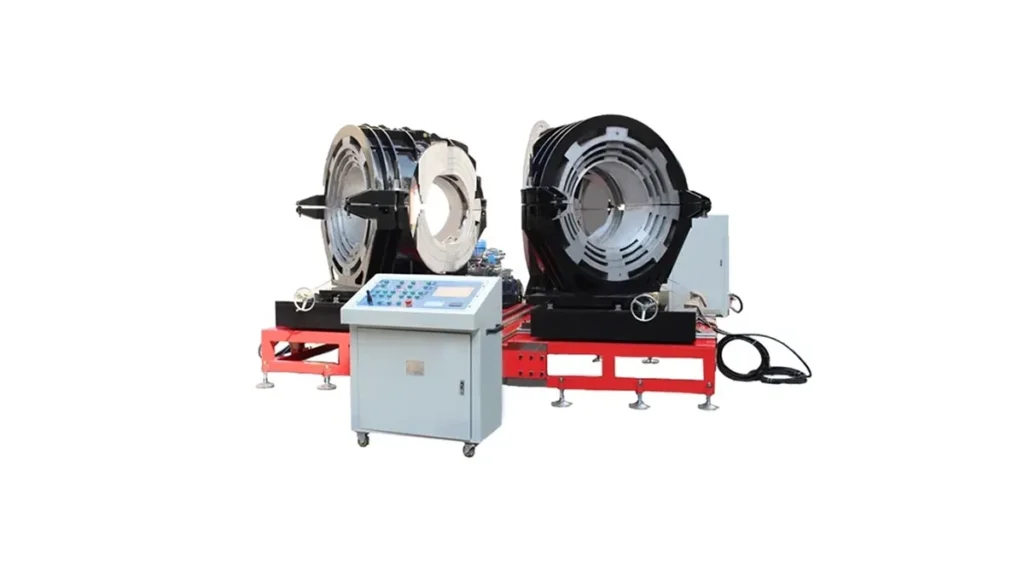
High-density polyethylene (HDPE) piping systems have become the backbone of modern water supply, gas distribution, and industrial fluid transport. The longevity and leak-free performance of these networks depend almost entirely on the integrity of the joint. Unlike traditional mechanical couplings, a plastic pipe welding machine for HDPE creates a monolithic, homogeneous bond that is often stronger than the pipe itself. Understanding the nuances of this equipment is crucial for engineers, contractors, and procurement managers aiming for zero-failure infrastructure.
Selecting the right machine is not simply a matter of matching pipe diameter. It requires a deep understanding of butt fusion technology, hydraulic pressure requirements, job site conditions, and international standards. This guide dissects the types, applications, and critical purchasing considerations to help you make an informed capital investment.
What is HDPE Butt Fusion Welding?
Butt fusion is the most standardized method for joining HDPE pipes. The process involves facing the pipe ends to ensure parallelism, heating them against a precisely controlled plate until a molten bead forms, and then pressing the ends together under controlled hydraulic pressure. The result is a seamless joint. To achieve ISO 21307 butt fusion procedures, the machine must maintain exact alignment, temperature stability, and consistent interfacial pressure. Any deviation can lead to cold joints or brittle welds, which are the primary causes of buried pipeline failures.
Core Types of HDPE Plastic Pipe Welding Machines
The market categorizes plastic pipe welding machines for HDPE primarily by their drive mechanism and automation level. The choice between a manual, hydraulic, or CNC automatic unit dictates installation speed, operator dependency, and joint traceability.
Manual Butt Fusion Welding Machines
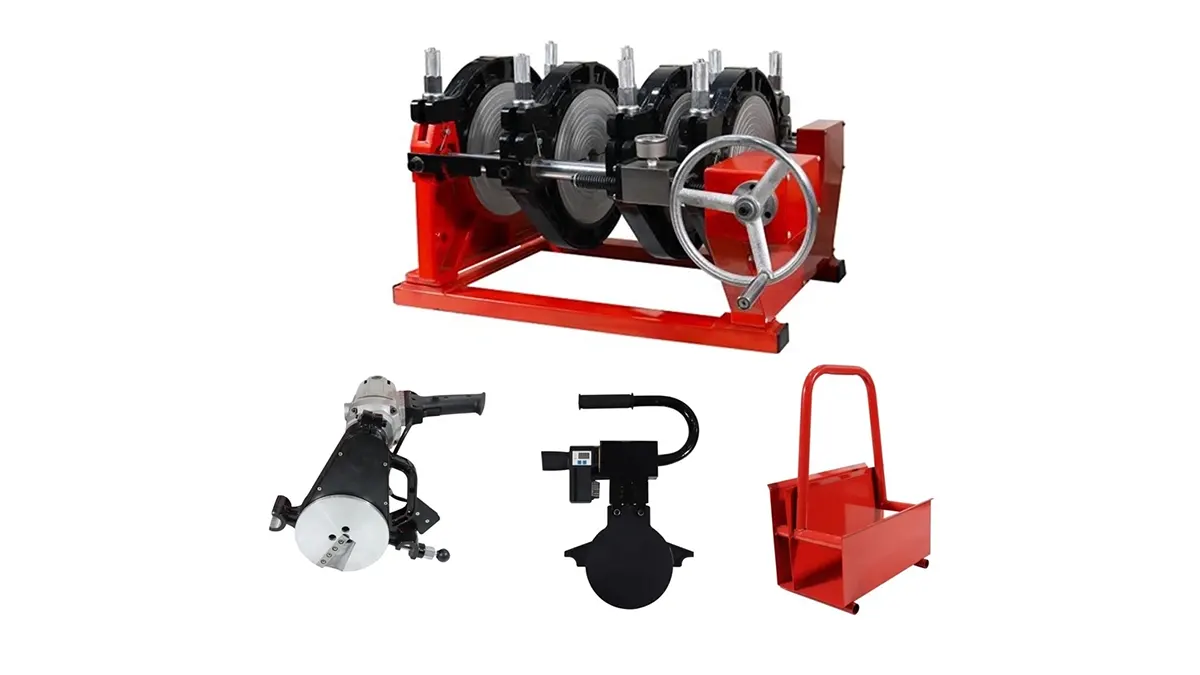
Manual machines are the workhorses of small-diameter installations (typically ranging from 32mm to 315mm). They leverage a lever-arm mechanism to generate the necessary force, eliminating the need for an external power source. This makes them ideal for tight trenches, remote repairs, and areas with limited electricity. While they require skilled operators to maintain consistency, modern manual butt fusion machines often feature spring-loaded clamping to prevent pipe slippage. There is a growing demand for these units in rural water supply projects and secondary gas networks due to their portability and simplicity.
Hydraulic Butt Fusion Welding Machines
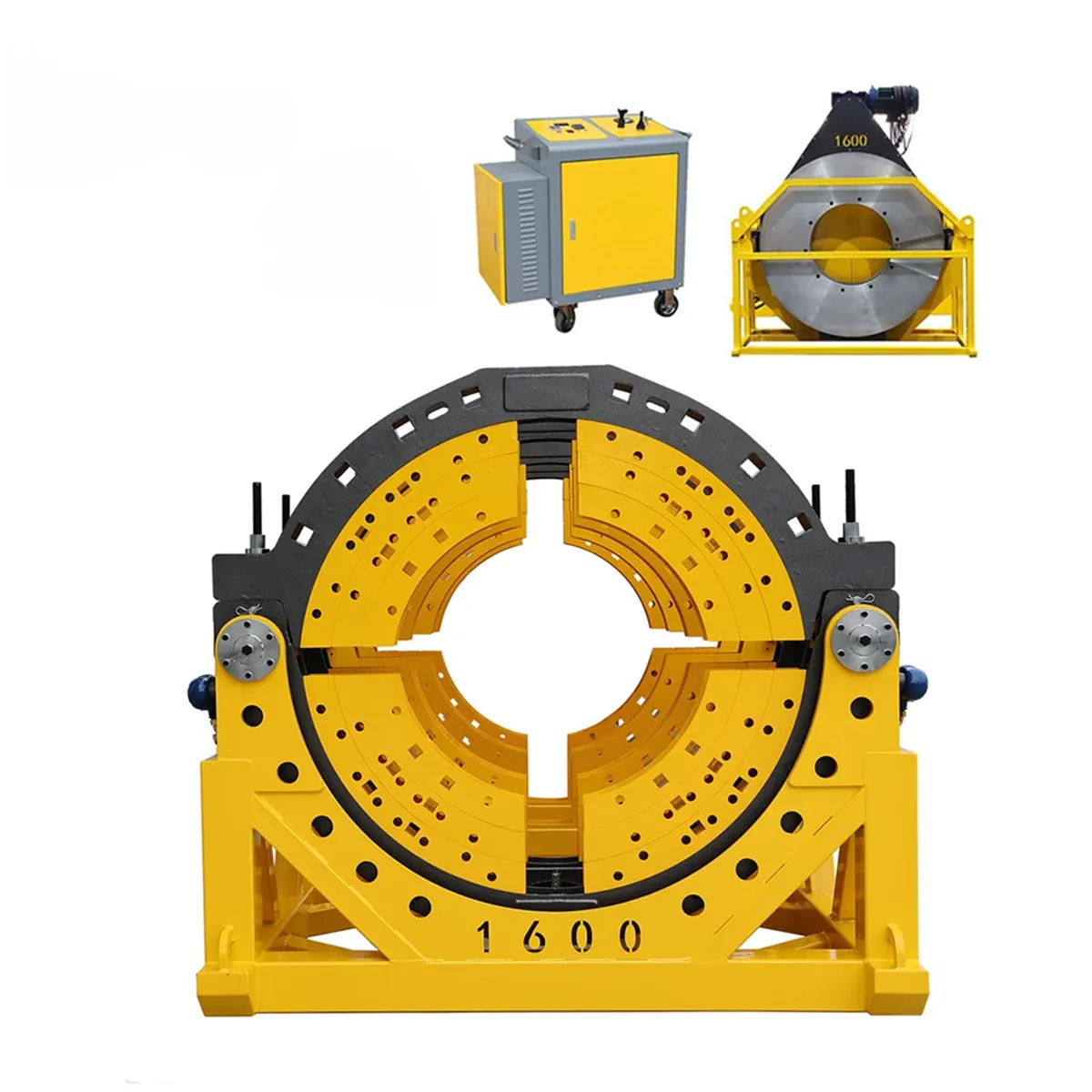
Once pipe diameters exceed 250mm and wall thicknesses increase to achieve higher pressure ratings (SDR 11 or SDR 9), manual force becomes insufficient. Hydraulic butt fusion welding machines utilize a hydraulic power pack to deliver the significant tonnage needed to face and fuse large pipes—often up to 2500mm. These systems provide smoother, steady pressure delivery, which is critical for the PPI butt fusion procedure. High-end rigs feature self-locking jaw carriages and precise pressure regulation valves to ensure the interfacial pressure curve remains within the strict parameters demanded by the PE butt fusion equipment standard.
CNC Automatic Butt Fusion Welding Machines
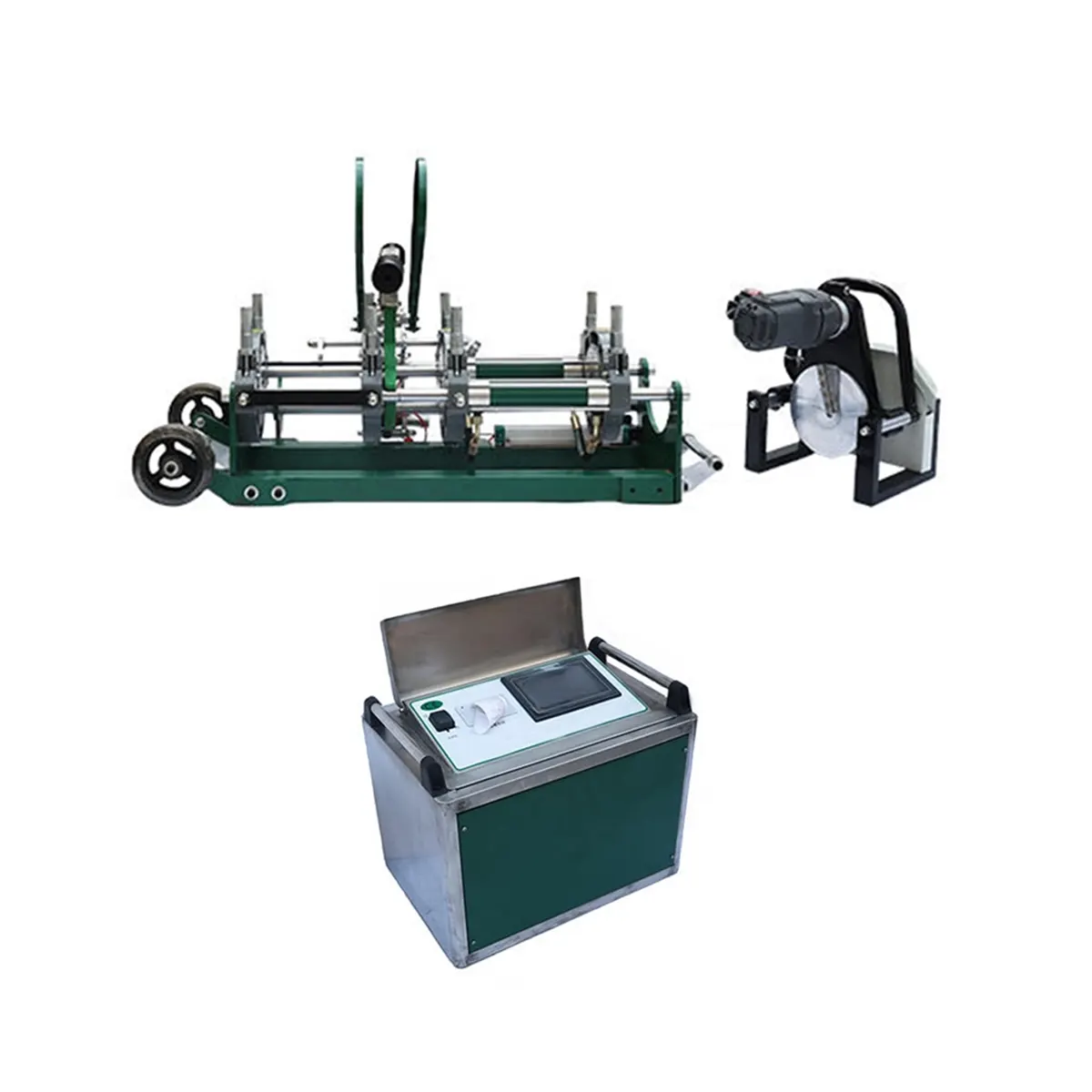
The push toward “smart construction” has driven the adoption of CNC plastic pipe welding machines for HDPE. These units automate the entire fusion cycle – from facing and heating to the soaking and cooling phases – based on pre-programmed parameters. By removing manual judgment from the drag pressure calculation and timing, they drastically reduce human error. They are mandatory on many large-scale mining and nuclear projects where every joint must be logged. Modern automatic machines store thousands of weld logs, generating a data trail that supports traceability coding systems mentioned in standards like ISO 12176-4. They are the premium choice for projects requiring zero-defect tolerance.
Critical Applications Across Industries
The versatility of the plastic pipe welding machine for HDPE is evident in its wide industrial adoption. The specific machine configuration varies significantly based on the media being transported.
- Municipal Water Supply: For potable water, machines must create joints compliant with ISO 4427-2. Large-diameter hydraulic rigs are used for trunk mains, while manual machines handle distribution laterals.
- Gas Distribution Networks: The highest risk applications. Joint quality must meet ASTM F2620 and ISO 4437-2. CNC machines provide the detailed traceability and pressure control often mandated by utility regulators to ensure pipeline safety.
- Mining and Slurry Transport: Abrasive slurries require thick-walled HDPE pipes. This demands high-torque trimmers and powerful hydraulic machines to achieve the required bead rollover without cold spots.
- Trenchless Technology (HDD): Pipes installed via horizontal directional drilling experience high tensile forces. The fused joint must not fail. This necessitates true pipe alignment (zero-mismatch) provided by precise machine clamps.
Buying Guide: Key Technical Specifications
Procuring a plastic pipe welding machine for HDPE requires a technical audit beyond just the diameter range. To ensure conformity with international standards and field durability, pay close attention to the following hardware components:
| Specification | Why It Matters | Recommended Feature |
|---|---|---|
| Clamping System | Prevents pipe slippage under high drag pressure. | Self-locking, non-slip inserts. |
| Facing Tool (Trimmer) | Ensures parallel pipe ends without contamination. | Double-edged hardened steel blades. |
| Heating Plate | Must maintain uniform temperature (±5°C) across the surface. | Non-stick PTFE coating with digital controller. |
| Hydraulic Control System | Delivers precise pressure to match the melt flow rate of the resin. | High-precision pressure regulator with gauge. |
Evaluating Machine Construction and Durability
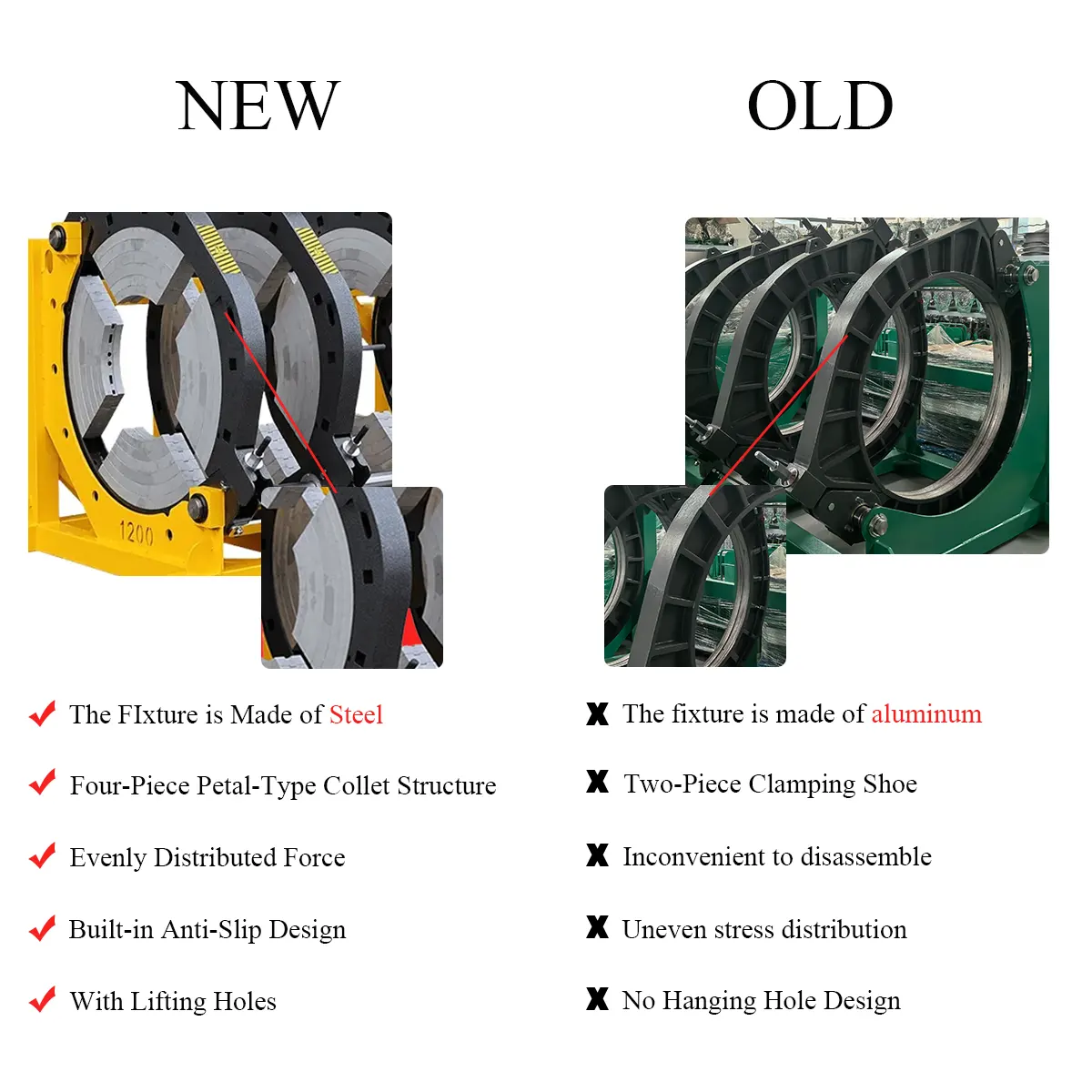
Jobsite conditions are harsh. The machine frame must be rigid enough to prevent flexing when clamping heavy pipes. Look for frames made from high-strength structural steel (often Q235 or better) with a powder-coated or painted finish to resist corrosion in wet trenches. The carriage movement, whether on roller bearings or sliding rails, must operate smoothly even after exposure to dirt and sand. A machine that jams mid-cycle creates costly and risky repairs. This is where the expertise of manufacturers like JQ-Fusion becomes relevant; facilities that maintain a large inventory of stock and spare parts can provide faster delivery and support, ensuring your projects stay on schedule.
Power Source and Portability Considerations
Consider the installation environment. For urban grid work with easy generator access, a standard electric hydraulic pack is fine. However, for remote mountain electrofusion backups or jungle gas pipelines, a diesel-powered power pack or a fully manual machine might be the only viable option. The weight of the machine base is also a critical ergonomic factor; modern designs use aluminum alloy clamps to reduce total lifting weight without sacrificing structural rigidity.
Advantages of Automated Data Logging
Manual recording of butt fusion parameters is prone to transcription errors. Modern plastic pipe welding machines for HDPE with automatic data logging capture real-time temperature, pressure, and time for every joint. This data can be downloaded via USB and appended to the project quality control dossier. This traceability is increasingly a contractual requirement, referenced in guidelines like PE fusion traceability standards. An investment in an automatic or hydraulic machine with logging capability protects you from liability disputes years after the pipeline is buried.
Maintaining Your Welding Investment
A fusion machine is a precision instrument. The heating plate must be stored in a protective case to prevent gouging of the anti-stick surface. The trimmer blades must be sharpened or replaced regularly; dull blades smash the pipe end rather than shaving it, creating a rough surface that inhibits molecular mixing. Hydraulic systems require clean oil to prevent spool valve sticking. After each job, the machine should be cleaned, lubricated, and stored in a weatherproof container to prevent rust on slide rails and bearings.
In the landscape of pipeline infrastructure, the plastic pipe welding machine for HDPE is the pivotal tool that ensures a leak-proof network for a hundred-year design life. By understanding the distinct differences between manual portability, hydraulic power, and CNC precision, you can align your equipment spec with the true demands of the pipe. Whether you are installing a 32mm gas service line or a 2-meter water main, the integrity of the joint begins with the machinery that forms it.



