
Choosing the right HDPE jointing machine in Ecuador is crucial for reliable pipeline installations across diverse terrains — from coastal cities like Guayaquil and Manta to highland projects in the Andes and remote Amazon communities. This guide explains the best equipment options, selection factors, and practical tips for contractors, municipal utilities, and engineers working on water, gas, and irrigation networks in Ecuador.
Why HDPE Butt Fusion Matters for Ecuadorian Infrastructure
HDPE (high-density polyethylene) pipes are favored in Ecuador for corrosion resistance, flexibility, and long service life — important for coastal salt exposure, seismic activity in the highlands, and humidity in the Amazon. Butt fusion creates homogeneous, leak-free joints that withstand pressure, vibration, and thermal cycles, making them ideal for drinking water systems, gas distribution, and mining tailings pipelines.

Main Types of HDPE Jointing Machines
- Manual Butt Fusion Machines — Portable, cost-effective, and suited to fieldwork in remote areas. Best for small to medium diameters and crews with basic training.
- Hydraulic Butt Fusion Machines — Offer consistent clamping force and are preferred for larger-diameter pipes used in municipal and industrial projects.
- Automatic & CNC Butt Fusion Machines — Provide programmable cycles, data logging, and the highest repeatability for long production runs or critical gas installations.
Selecting the Right Machine for Ecuador Projects
Key considerations when selecting an HDPE jointing machine in Ecuador:
- Pipe diameter range and SDR ratings common to the project.
- Site accessibility — manual units for remote jungle or mountain roads, hydraulic units for urban or industrial sites.
- Power availability — many sites rely on portable generators or vehicle power.
- Operator skill level — automatic machines reduce operator variability where trained welders are scarce.
- Local climate impacts — higher UV and temperature variations on the coast; cold conditions in highland worksites require attention to heating plate control.
Practical Advice for Ecuadorian Contractors
For municipal water authorities or regional contractors in Ecuador, balancing portability and weld quality is essential. For small towns and farm irrigation systems, manual or light hydraulic fusion machines usually suffice. For national gas pipeline projects or large-diameter water mains serving Quito or Guayaquil, consider hydraulic or automatic systems with digital control to meet regulatory standards and ensure traceable weld records.
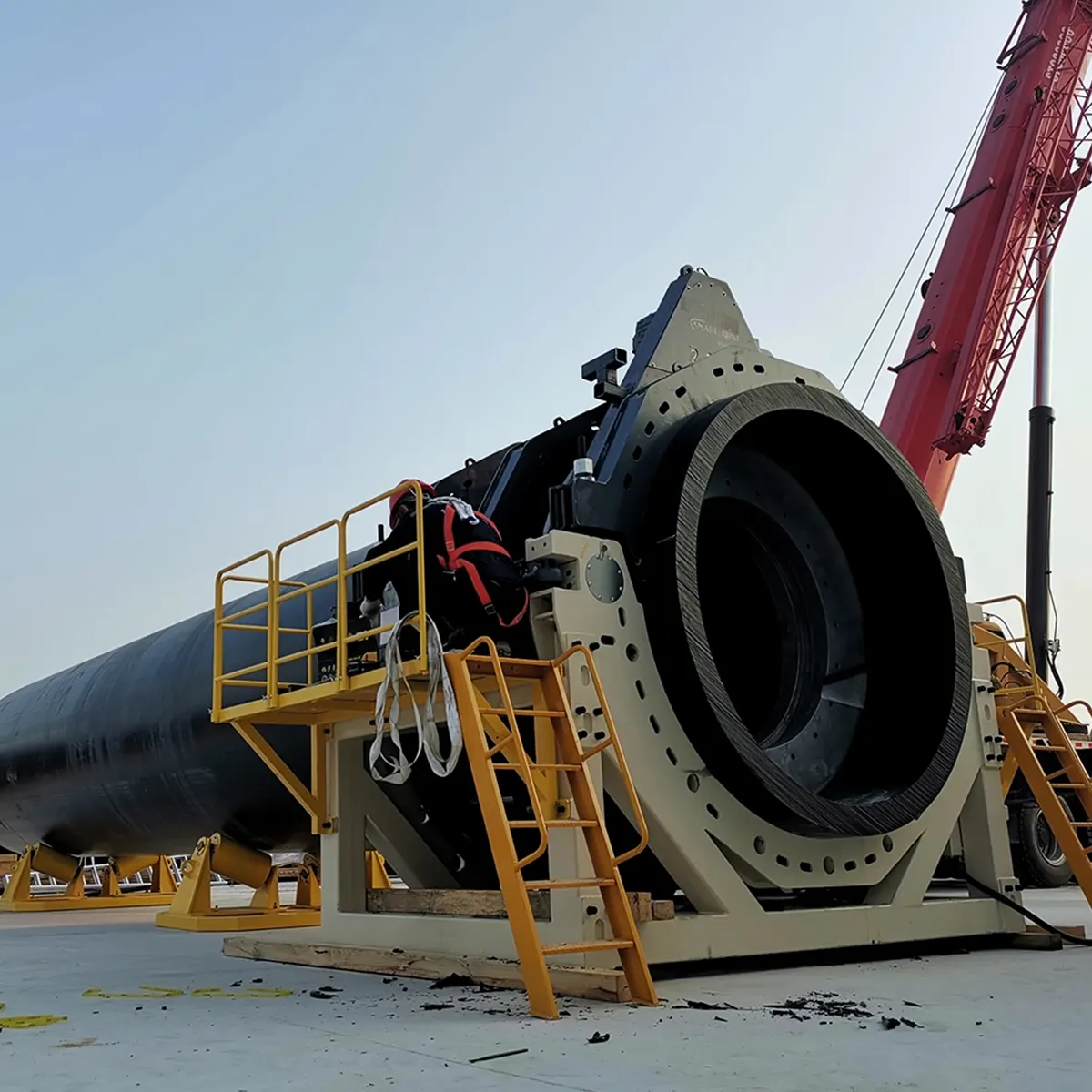
Comparison Table — Typical Models & Applications
| Model Type | Pipe Range (mm) | Best For | Key Feature |
|---|---|---|---|
| Manual Butt Fusion | 20–400 | Rural water, small irrigation | Lightweight, portable |
| Hydraulic Butt Fusion | 63–1600 | Urban mains, industrial pipelines | Stable clamping force |
| Automatic / CNC | 20–1250+ | High-volume, regulated gas/water networks | Data logging & programmable cycles |
Maintenance & Training Tips for Reliable Welds
- Keep heating plates and clamps clean and protected from Ecuador’s humid coastal salt spray and Amazon humidity.
- Use certified welding parameters for SDR and material grade — digital machines help ensure consistency.
- Invest in operator training focused on alignment, facing, and controlled heating/cooling — good technique prevents leaks.
- Store consumables and heating plates indoors when not in use to extend service life in high-UV or salt-laden environments.
Regulatory & Project Considerations in Ecuador
Local municipal regulations and international standards (e.g., ISO, ASTM) often apply to public infrastructure projects. Public works in Ecuador may require documented weld records and traceability — automatic fusion machines with built-in data logging can simplify compliance and quality assurance for large-scale contracts.
About the Manufacturer
JQ-Fusion is a specialized manufacturer of HDPE pipe welding machines, offering manual, hydraulic, and CNC automatic butt fusion solutions suitable for projects across Ecuador’s varied regions.
Quick FAQ
Q: Which machine is best for remote Amazon projects?
A: Manual or compact hydraulic units that can be transported by truck or riverboat and operate with portable power.
Q: Do automatic machines justify the cost for municipal works?
A: For large-volume or regulated networks in Quito or Guayaquil, automatic machines improve consistency, reduce rework, and provide weld traceability.
Careful equipment selection, proper training, and routine maintenance deliver the leak-free, long-lasting HDPE pipeline systems that Ecuadorian communities and industries depend on — from mountain water supply to coastal gas distribution.



