
Automatic Pipe Welding Machine in Lebanon offers contractors, utilities, and infrastructure planners a fast, reliable way to join HDPE pipes for water, gas, and industrial networks. This guide explains practical solutions suited to Lebanon’s terrain, workforce, and project types — from urban rehabilitation in Beirut to rural mountain waterlines.
Why Lebanon Needs Automatic and Semi-Automatic Pipe Welding Solutions
Lebanon’s infrastructure projects often require rapid, high-quality connections across varied topography. Automatic butt fusion and CNC welding machines increase consistency and reduce rework in applications such as municipal water mains, irrigation networks in the Bekaa Valley, and coastal or industrial pipework. These machines are especially valuable where labor skill levels vary because they standardize critical parameters like heating time, pressure, and alignment.
Key Advantages for Local Contractors
Speed — Automatic machines shorten weld cycles, helping teams finish urban trenching and emergency repairs faster.
Repeatability — Consistent weld profiles reduce leaks and future maintenance in municipal networks.
Versatility — Available for small to very large diameters, suitable for household supply lines up to regional transmission mains.
Choosing the Right Automatic Pipe Welding Machine
Consider project scale, pipe diameter range, available power (site generators vs. mains), and operator experience. In Lebanon, many contractors prefer a combination of:
- Manual or semi-automatic units for small-diameter household and service lines
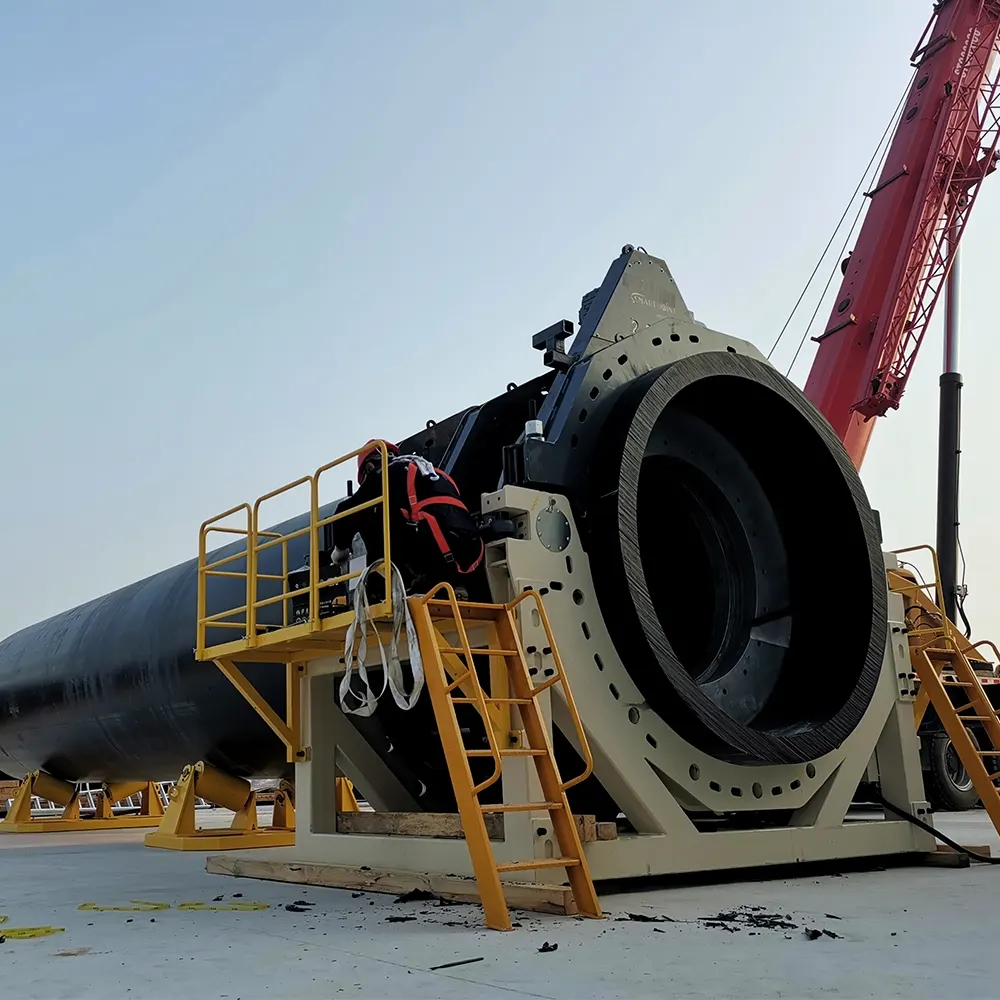
- Hydraulic butt fusion machines for medium to large municipal pipelines
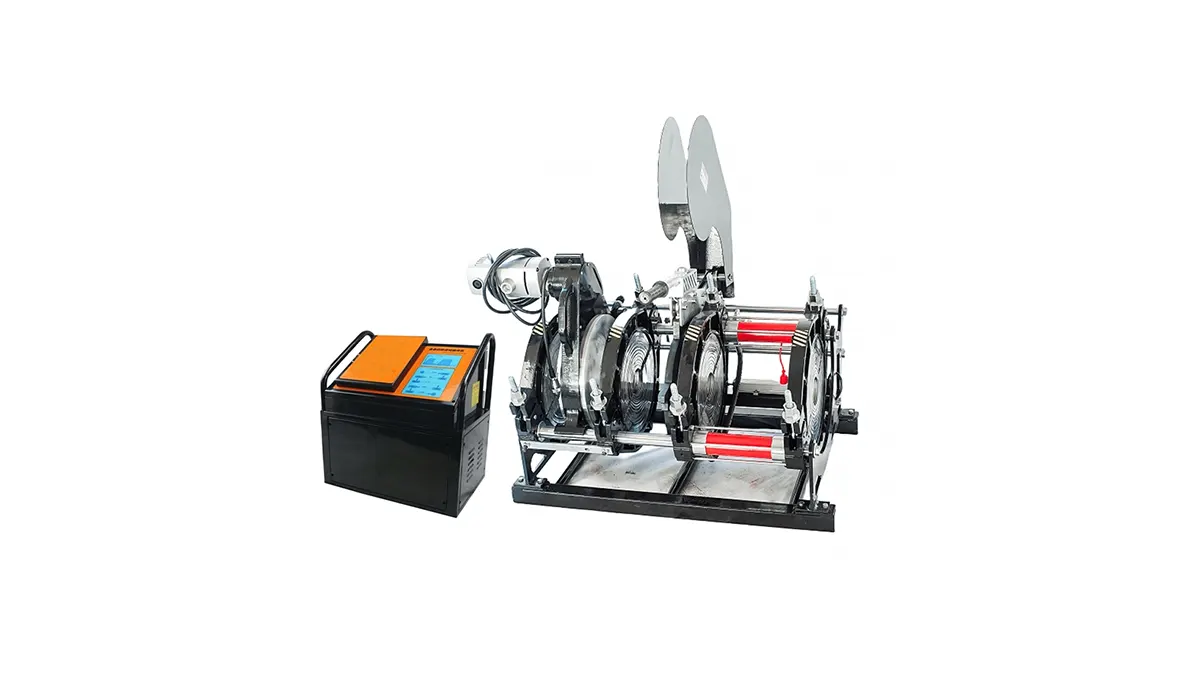
- Automated CNC butt fusion machines for high-volume, repeatable welding on large projects
Recommended Machine Features
Look for robust clamping systems, reliable heaters with accurate temperature control, hydraulic or electric feed systems, and clear digital controls. For work in mountainous regions, portability and a compact footprint are advantages.
Model Comparison (Quick Reference)
Below is a concise comparison of typical automatic and hydraulic butt fusion machines used in Lebanon-style projects:
| Model Type | Diameter Range | Best Use | Advantages |
|---|---|---|---|
| Manual / Semi-Automatic | 20–315 mm | Household lines, small contractors | Low cost, portable |
| Hydraulic Butt Fusion | 160–2250 mm | Municipal mains, irrigation | High clamping force, durable |
| Automatic / CNC Butt Fusion | 63–1600+ mm | Large projects, long runs | Precision, data logging, repeatability |
Practical Tips for Deployment in Lebanon
– Train at least two operators per crew to ensure continuity during long jobs.
– Use local generators sized for machine power plus heater elements to avoid voltage dips.
– Keep calibration and maintenance logs; automatic machines often include data export for QA records — very useful for municipal tenders.
– For coastal and humid sites, choose corrosion-resistant components and store heaters in protective cases between uses.
Cost vs. ROI
While automatic machines have higher upfront costs than manual units, their reduced rework, faster cycle times, and predictable quality deliver strong ROI on medium to large contracts commonly found in Lebanon’s public works and agricultural sectors.
Learn More and Source Equipment
For reliable butt fusion and automatic welding machines suited to Lebanese projects, consider equipment and support from JQ-Fusion. Visit their site to explore models, specifications, and customization options: https://jq-fusionwelding.com/
Final Note
Selecting the right welding machine for Lebanon means balancing portability, diameter range, and automation level. With informed choices and proper training, contractors and utility operators can achieve durable, leak-free networks that stand up to Lebanon’s unique environment.



