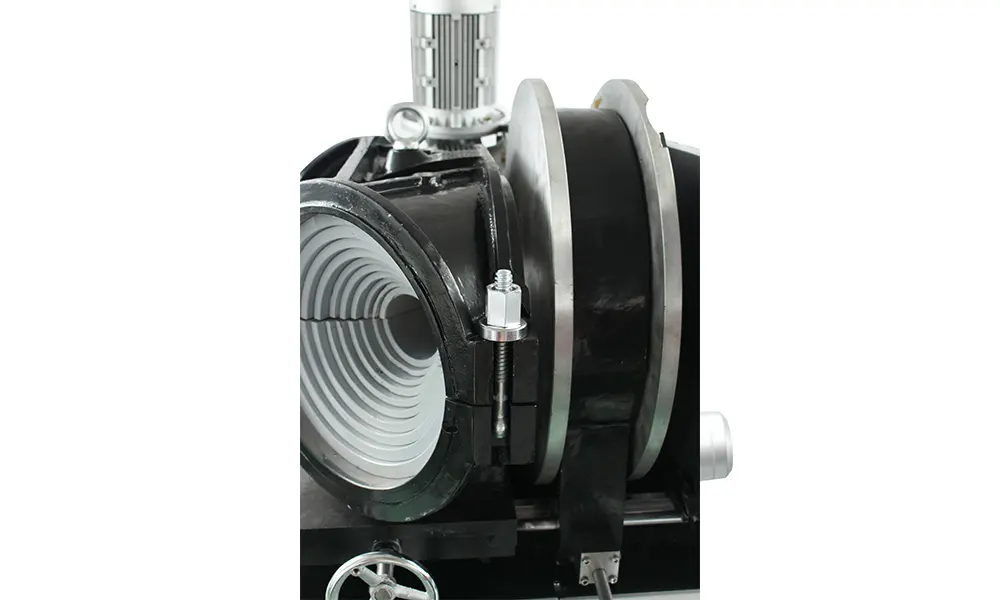
Butt fusion is the most widely accepted method for joining high-density polyethylene (HDPE) gas pipes, creating a monolithic, leak-free system when executed correctly. Adhering to a strict HDPE gas pipe butt fusion procedure is not just a best practice—it is a regulatory and safety imperative for distribution networks. This guide walks you through the essential steps, from surface preparation to final cooling, ensuring your joints meet the performance standards required for natural gas and propane applications.
What Is Butt Fusion for Gas Pipes?
Butt fusion is a thermofusion process that heats the squared ends of two HDPE pipes to a specified temperature, then presses them together under controlled pressure. This forms a homogeneous joint that is often stronger than the pipe itself. For gas distribution, this method is preferred because it eliminates the risk of leakage associated with mechanical couplings and provides a fully restrained system resistant to ground movement. Key standards such as ISO 21307 butt fusion procedures and ASTM F2620 heat fusion govern these practices.
Single Low-Pressure vs. Dual Low-Pressure Methods
The HDPE gas pipe butt fusion procedure typically follows two recognized pressure protocols defined by international standards. Understanding the distinction is critical for achieving consistent joint integrity.
| Characteristic | Single Low-Pressure (SLP) | Dual Low-Pressure (DLP) |
|---|---|---|
| Bead-Up Pressure | 0.15 MPa (interfacial) | 0.15 MPa (interfacial) |
| Heat Soak Pressure | 0.15 MPa maintained | ~0.02 MPa (nearly zero) |
| Application | Smaller diameters, manual machines | Larger diameters, automated CNC rigs |
| Heat Soak Duration | Per pipe wall thickness | Per pipe wall thickness |
Step 1: Safety and Site Preparation
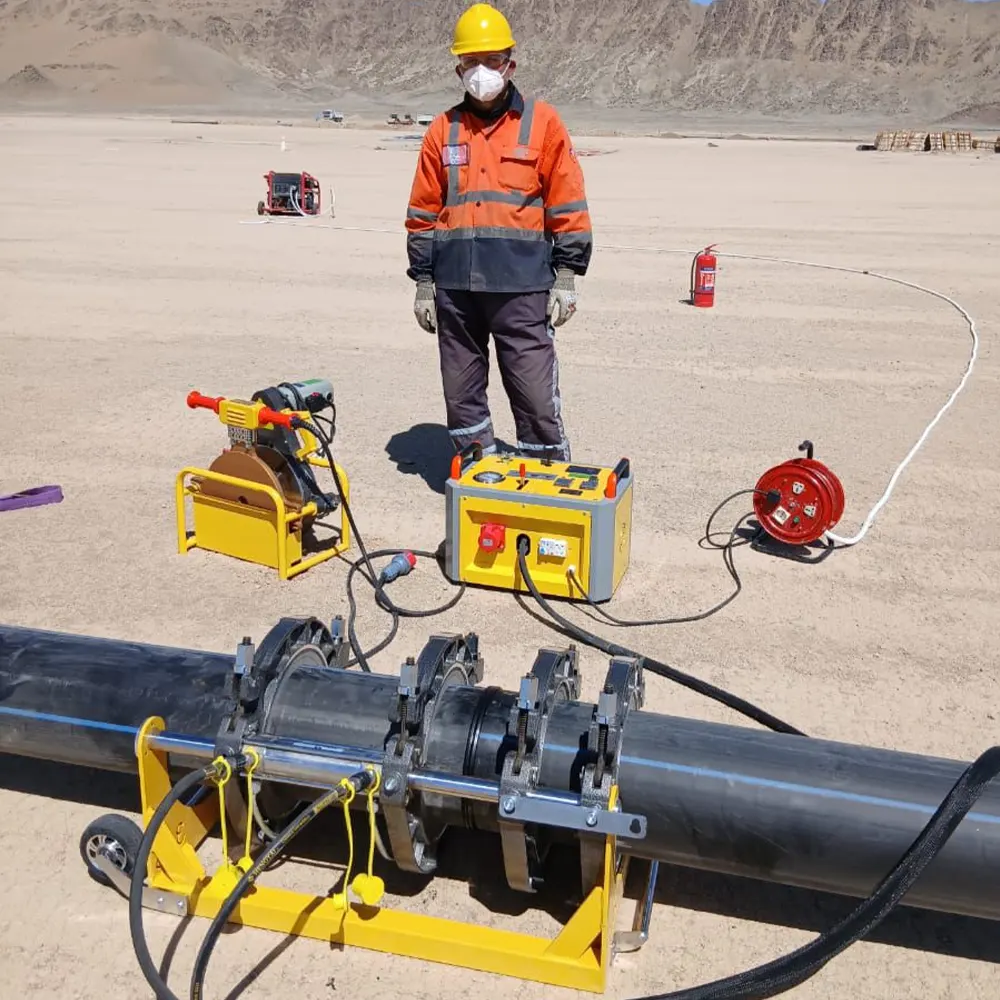
Before any equipment is touched, safety protocols must be in place. Gas utility work requires strict adherence to excavation safety, atmospheric monitoring, and fire prevention measures. Ensure the work area is well-ventilated, all ignition sources are eliminated, and personal protective equipment (PPE) including gloves, safety glasses, and fire-resistant clothing is worn. Verify that the pipe ends are clean and free from any contamination, including dirt, grease, or moisture, as these can directly compromise the PPI butt fusion procedure and lead to a defective weld.
Step 2: Machine Setup and Clamping
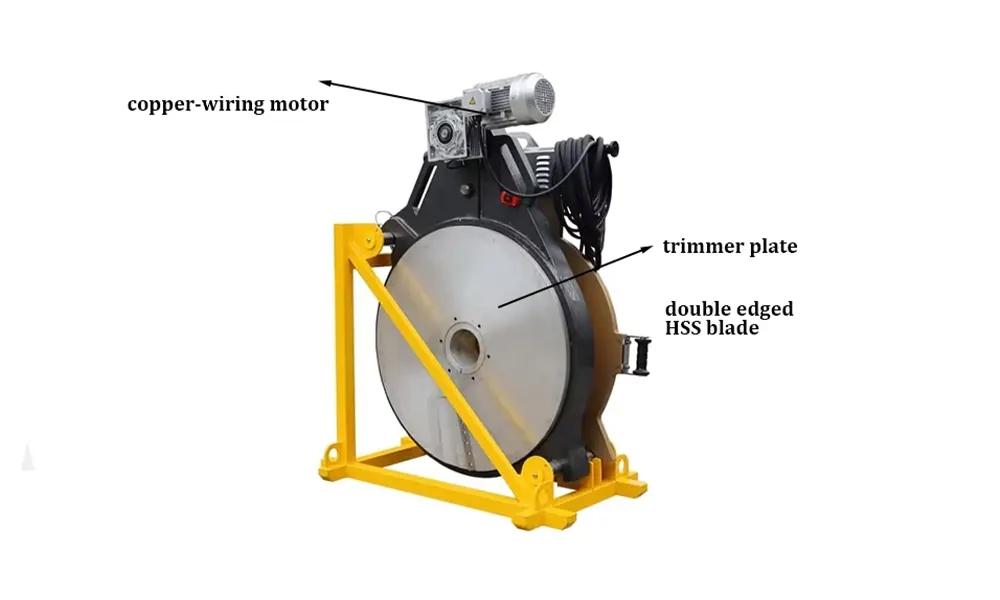
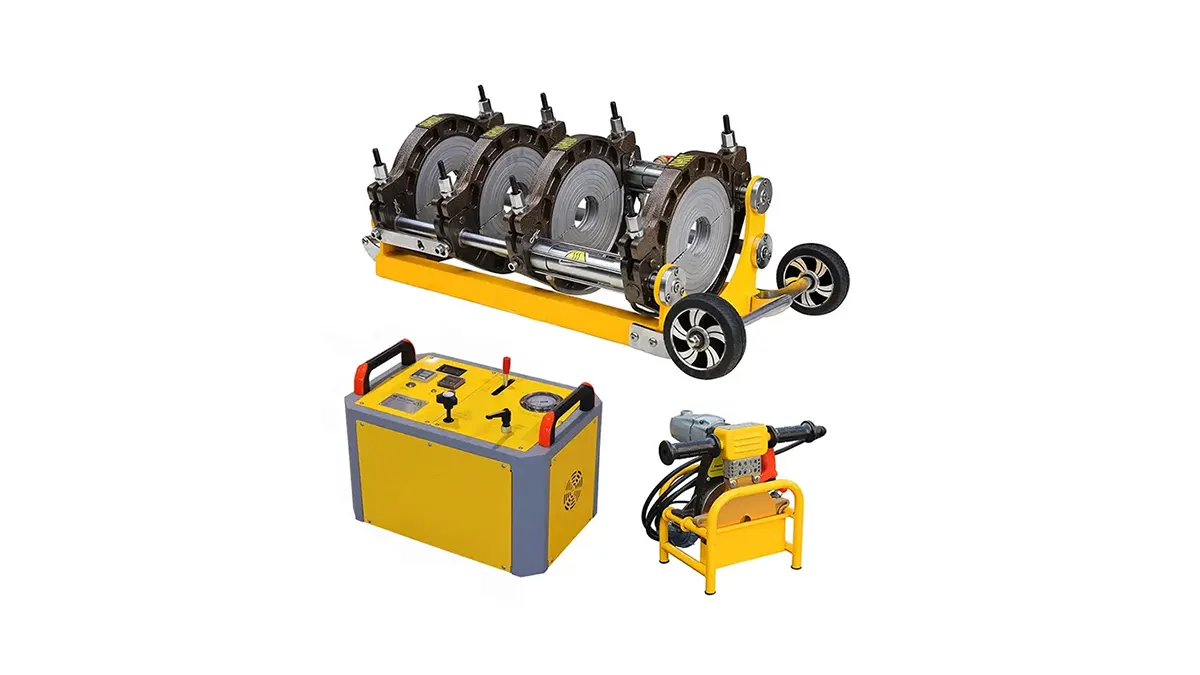
The butt fusion machine must be set up on a stable, level surface. Insert the HDPE pipes into the clamps of the machine frame, ensuring proper alignment. Both pipe ends must be faced using a rotary trimmer until continuous shavings are produced from both pipes. This guarantees that the pipe ends are square, parallel, and perfectly smooth. Immediately after facing, wipe the pipe ends with a clean, lint-free cloth and isopropyl alcohol to remove any residual dust or contamination. Do not touch the prepared surfaces.
Step 3: Heating Plate Temperature and Cleaning
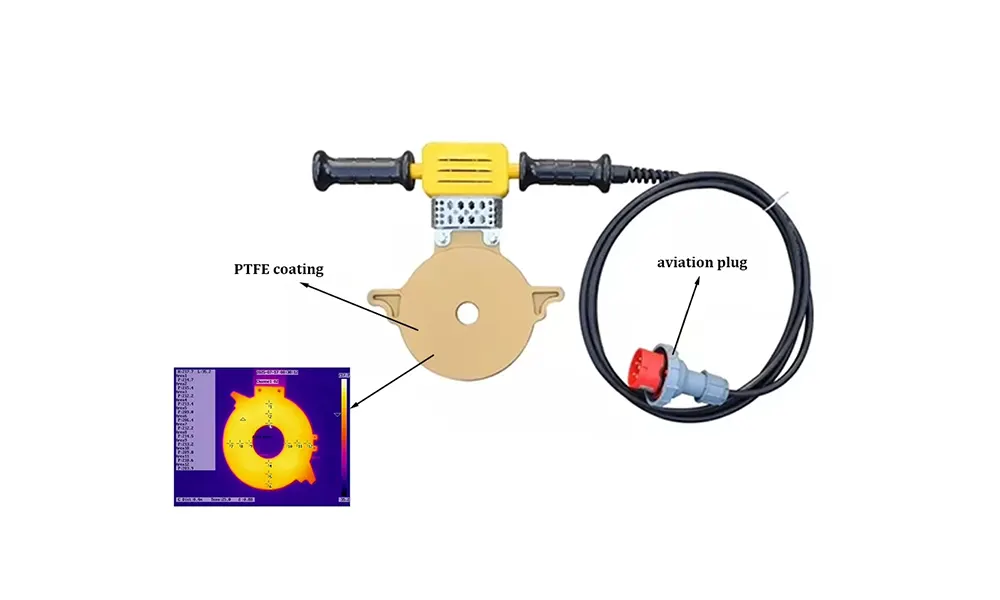
The heating plate must be set to the correct temperature, typically between 210°C and 230°C (410°F to 446°F) for HDPE gas pipes, as specified by the pipe manufacturer and PE butt fusion equipment standard. Use a pyrometer to verify the surface temperature across the plate; variations greater than ±5°C indicate a problem. The plate must be clean and free of any polymer residue. Wipe it with a dry, lint-free cloth before each fusion cycle. A contaminated or incorrectly heated plate is one of the most common causes of joint failure.
Step 4: Bead-Up and Heat Soak
Place the heated plate between the pipe ends and apply the specified interfacial pressure to create a uniform melt bead around the entire circumference. This bead confirms that the pipe ends are fully in contact with the heating plate and plasticized. Once the bead is formed, reduce the pressure to the specified heat soak level—maintaining minimal contact pressure—and allow the heat to conduct into the pipe wall for the duration determined by the pipe’s diameter and wall thickness. The time, temperature, and pressure parameters must follow the PE butt fusion process chart applicable to your specific pipe material and standard dimension ratio (SDR).
Step 5: Plate Removal and Fusion
This is the most time-critical phase of the HDPE gas pipe butt fusion procedure. Once the heat soak cycle is complete, quickly and smoothly remove the heating plate. The two molten pipe ends must be brought together within the specified change-over time—typically only a few seconds—to prevent cooling of the melt surface. Apply the fusion pressure gradually and maintain it steadily as the joint forms. The molten material will flow outward to create a double bead. The size and uniformity of this external bead are key visual indicators of a proper fusion.
Step 6: Cooling Under Pressure
The joint must cool under full fusion pressure until the temperature drops below approximately 60°C. The cooling time is a direct function of wall thickness and should never be rushed. Disturbing the joint or releasing the clamps prematurely can induce residual stresses and lead to micro-cracks or catastrophic failure during service. Use the manufacturer’s cooling time tables as a minimum guideline, and consider extending the period in colder ambient conditions. Do not apply any external cooling such as water or compressed air.
Step 7: Visual Inspection and Quality Control
After the joint has fully cooled, remove it from the machine and conduct a thorough visual inspection. The external bead should be uniform in size and shape around the full circumference, with no signs of porosity, cracks, or incomplete formation. The bead should be smoothly rounded and symmetrical. Any deviation from this indicates improper temperature, pressure, or alignment during the fusion cycle. For gas applications, a percentage of joints should be selected for destructive testing, such as a bend-back test or tensile test, as part of operator qualification and quality assurance.
Essential Documentation and Traceability
Every fusion joint in a gas distribution system must be recorded and traceable. This includes the pipe diameter, SDR, material grade, fusion machine ID, operator name, date, time, ambient conditions, and the actual fusion parameters used (temperatures, pressures, times). Modern automatic butt fusion welding machines can log this data electronically, ensuring compliance with PE fusion traceability requirements. This documentation serves as both a quality record and a legal requirement for many gas utilities worldwide.
Common Mistakes to Avoid
- Insufficient facing: Incomplete contact between pipe ends will result in a cold joint with poor structural integrity.
- Overheating or underheating: A plate temperature outside the specified range can degrade the polymer or fail to achieve proper melt strength.
- Excessive change-over time: Delays between removing the heater and bringing the pipes together allow the melt surface to cool and form a skin.
- Low or fluctuating fusion pressure: Insufficient pressure prevents proper mixing of the molten polymer chains, weakening the joint.
- Disturbing the joint during cooling: Moving the pipe or releasing clamps before complete solidification introduces stress concentrations.
Choosing the Right Equipment for Gas Pipe Fusion
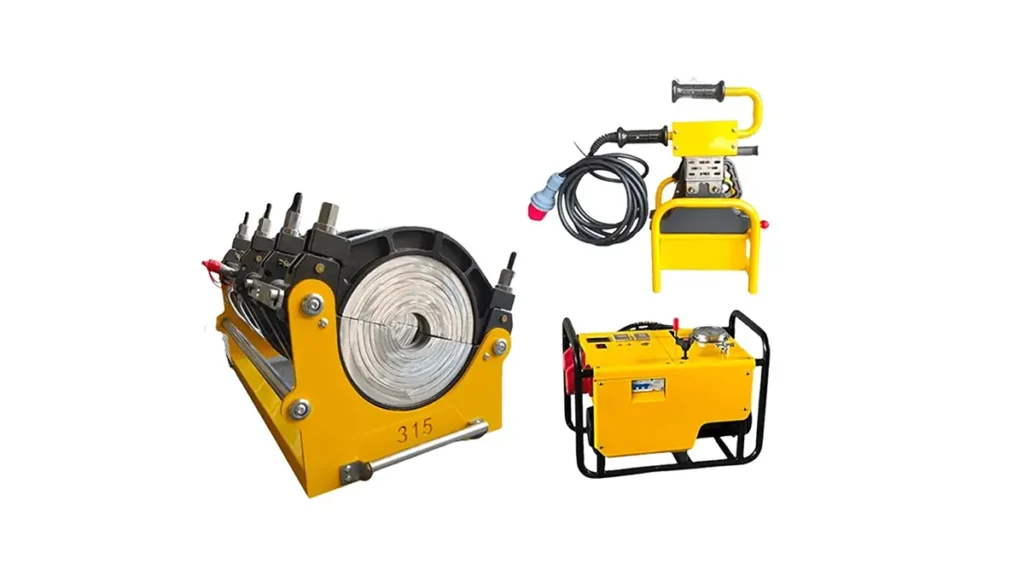
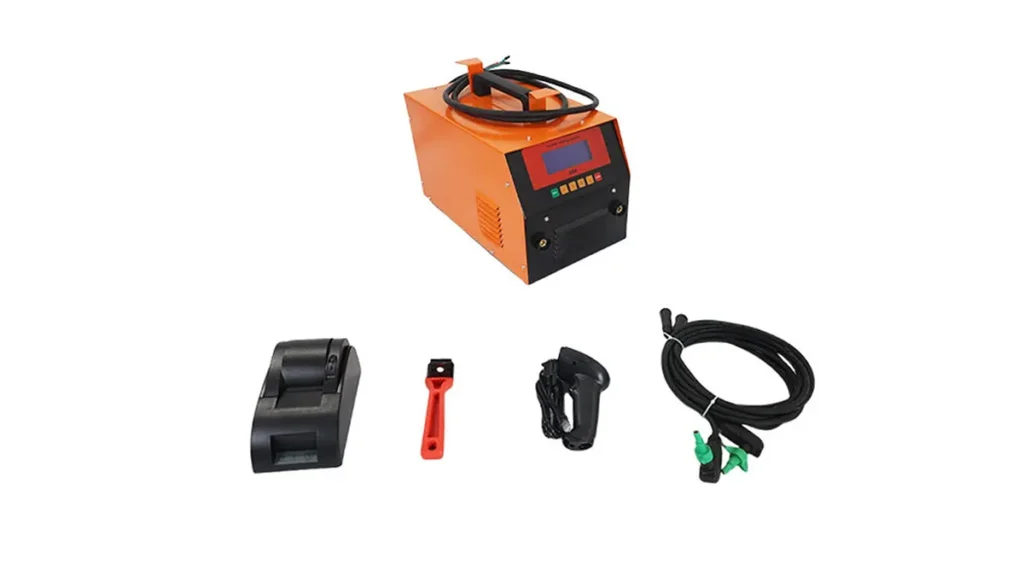
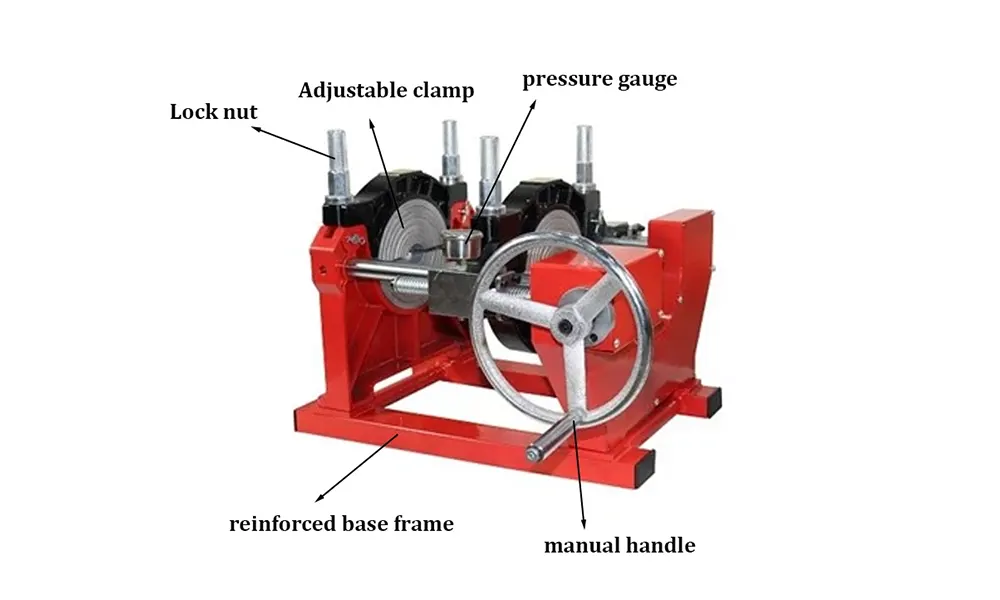
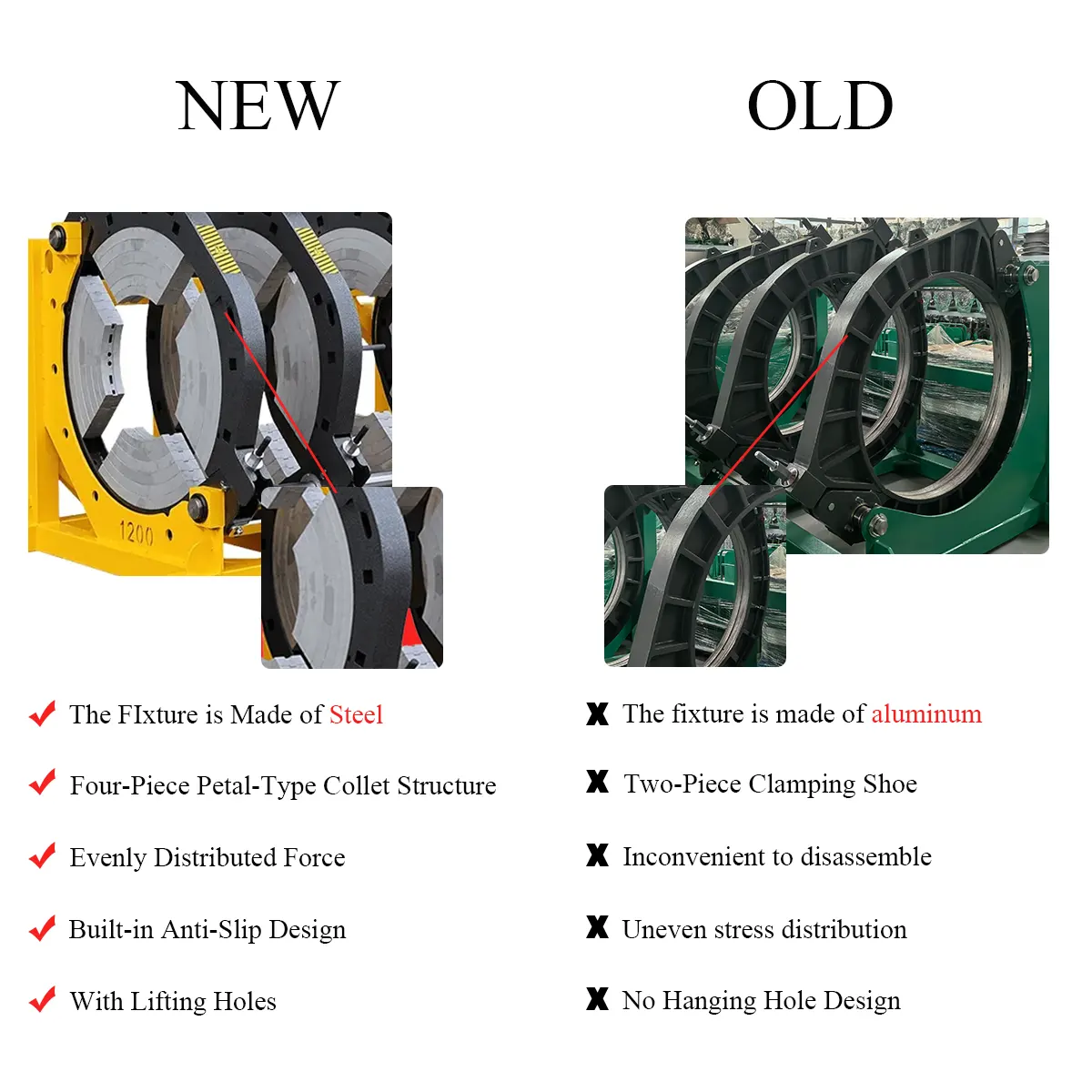
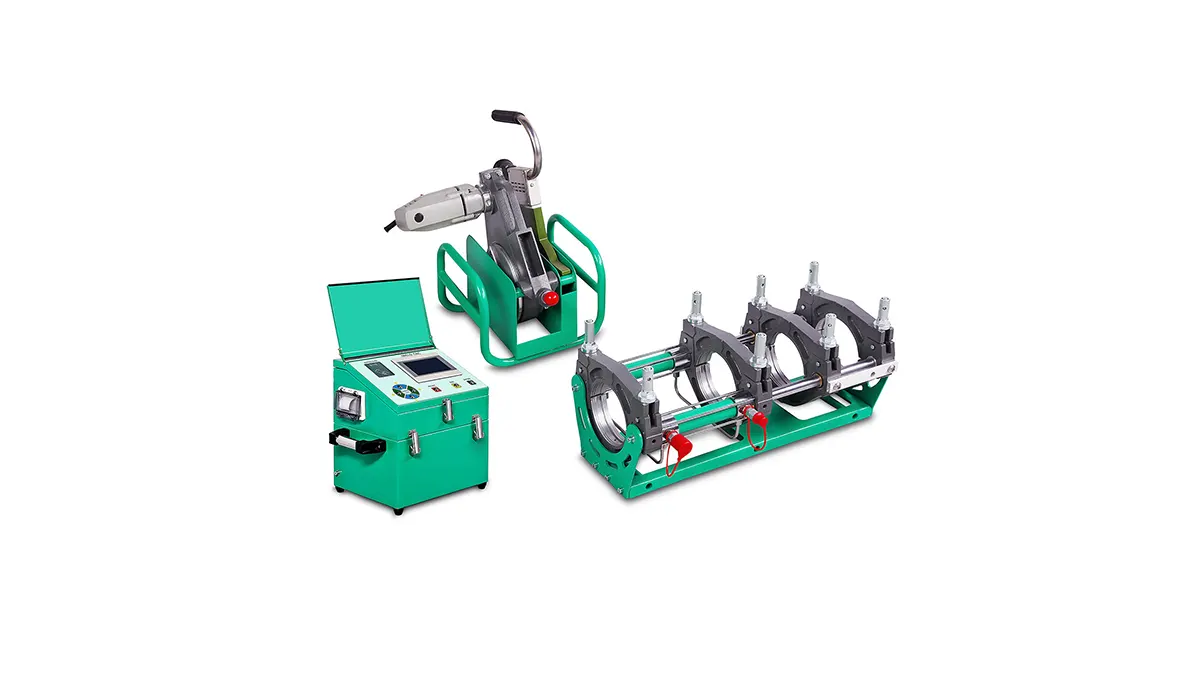
The quality of the fusion joint is heavily dependent on the precision and reliability of the welding machine. For gas distribution work, specially designed butt fusion welding equipment with accurate temperature control, stable hydraulics, and rigid clamps is essential. JQ-Fusion manufactures a comprehensive range of manual, hydraulic, and CNC automatic butt fusion machines that meet the stringent requirements of gas utility applications, ensuring repeatable, documented results for every joint.
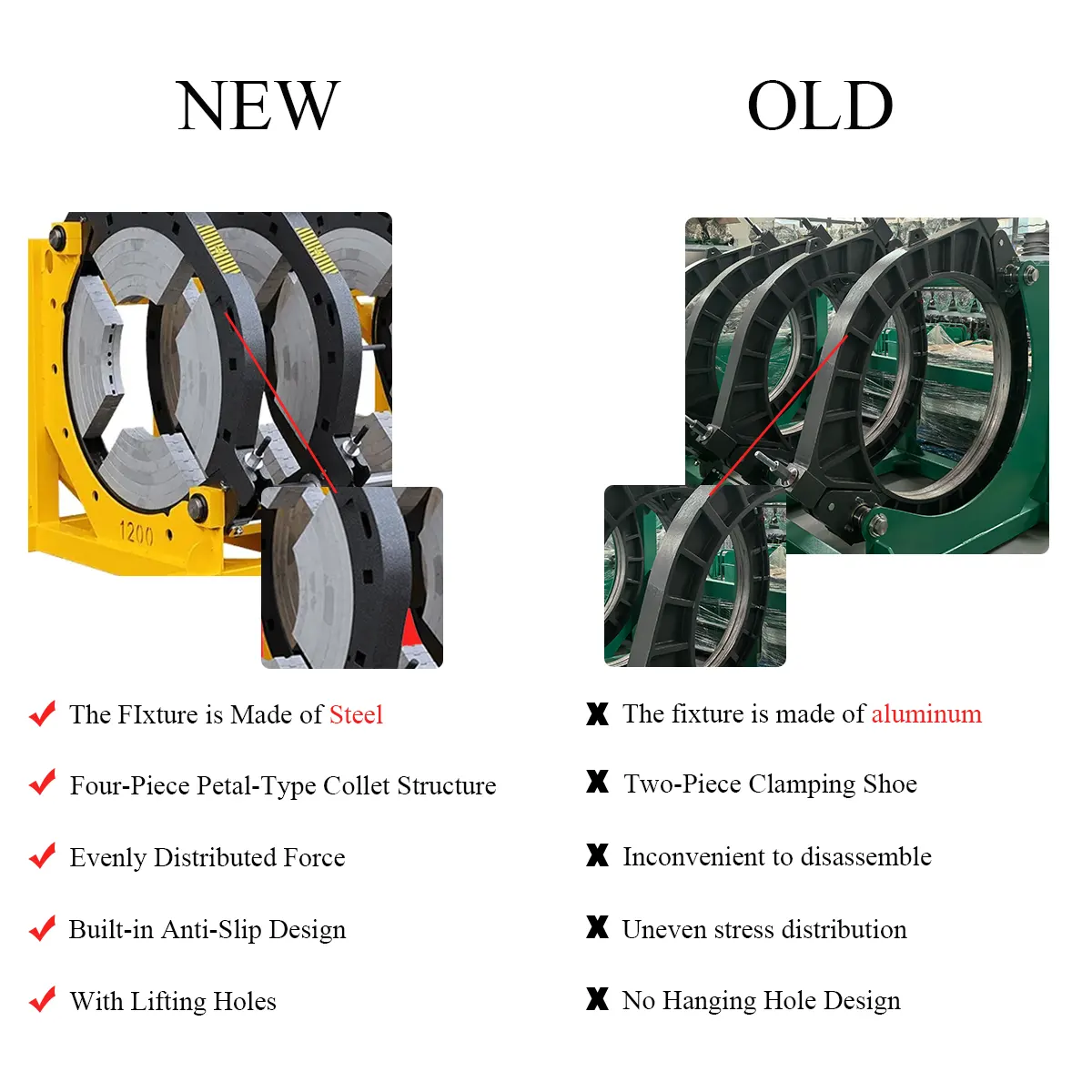
A range of butt fusion welding machines designed to meet different gas pipe diameter requirements.
Mastering the HDPE gas pipe butt fusion procedure is the foundation of a safe, durable, and code-compliant gas distribution system. By following each step with precision—from pipe preparation through to final cooling and inspection—operators can consistently achieve fusion joints that perform reliably for decades.