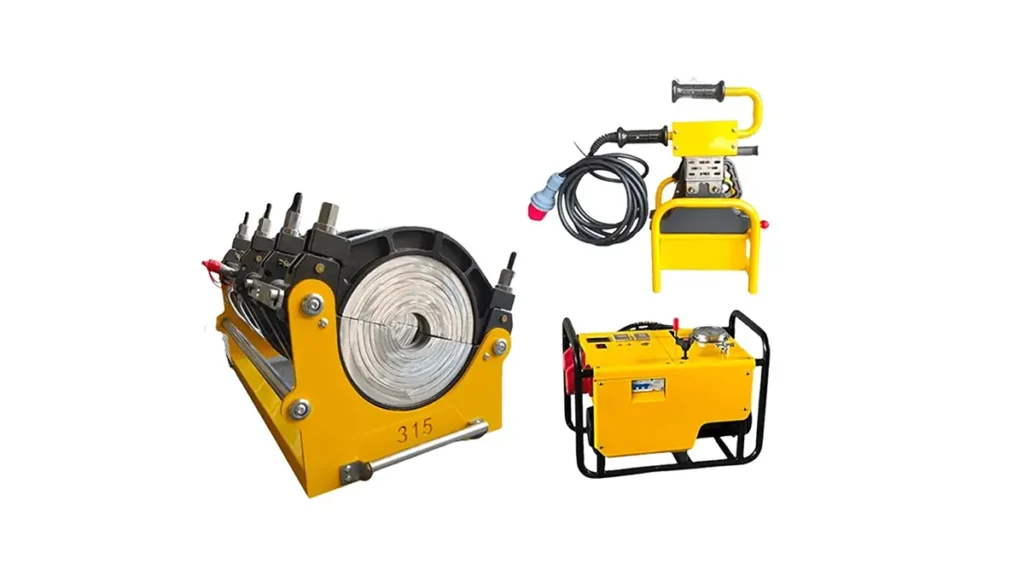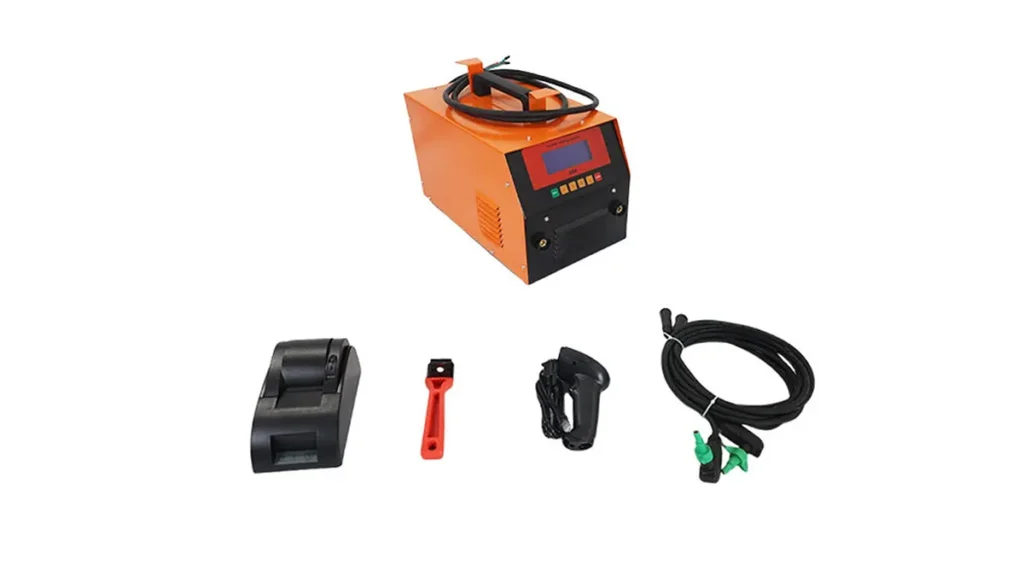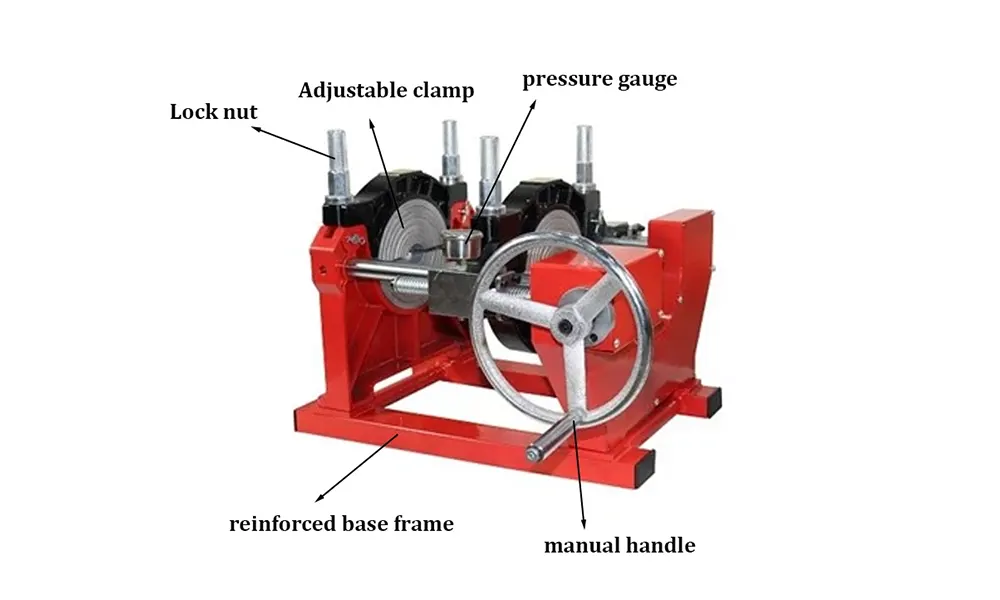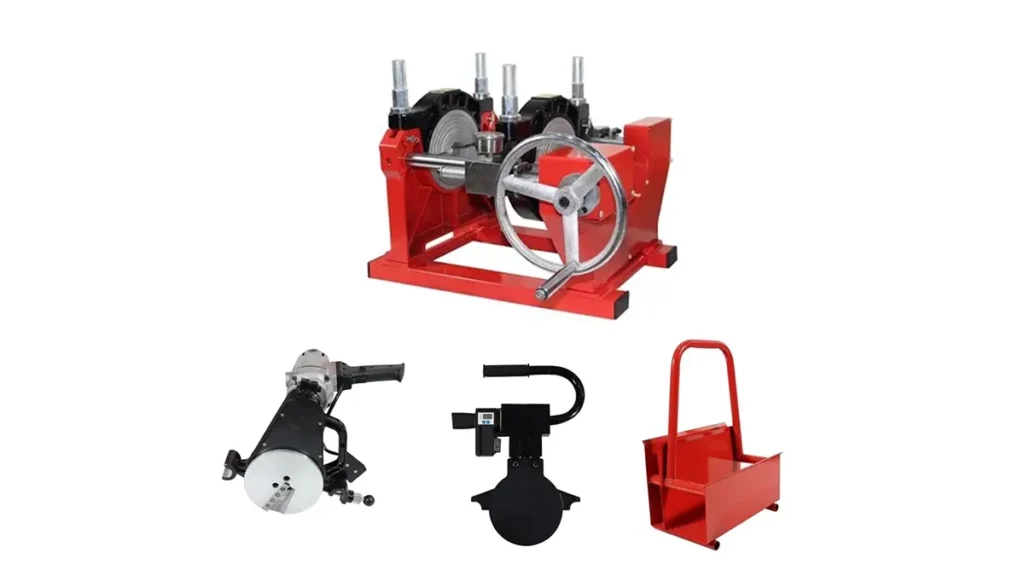
Installing and maintaining underground pipelines demands joining methods that deliver absolute reliability in challenging conditions. An electrofusion machine for underground pipelines has become the preferred solution for contractors and utility companies worldwide, offering a controlled, automated welding process that minimizes human error while maximizing joint integrity. Whether you are working on gas distribution networks, water supply systems, or industrial fluid transport, understanding the capabilities of modern electrofusion equipment is essential for project success.
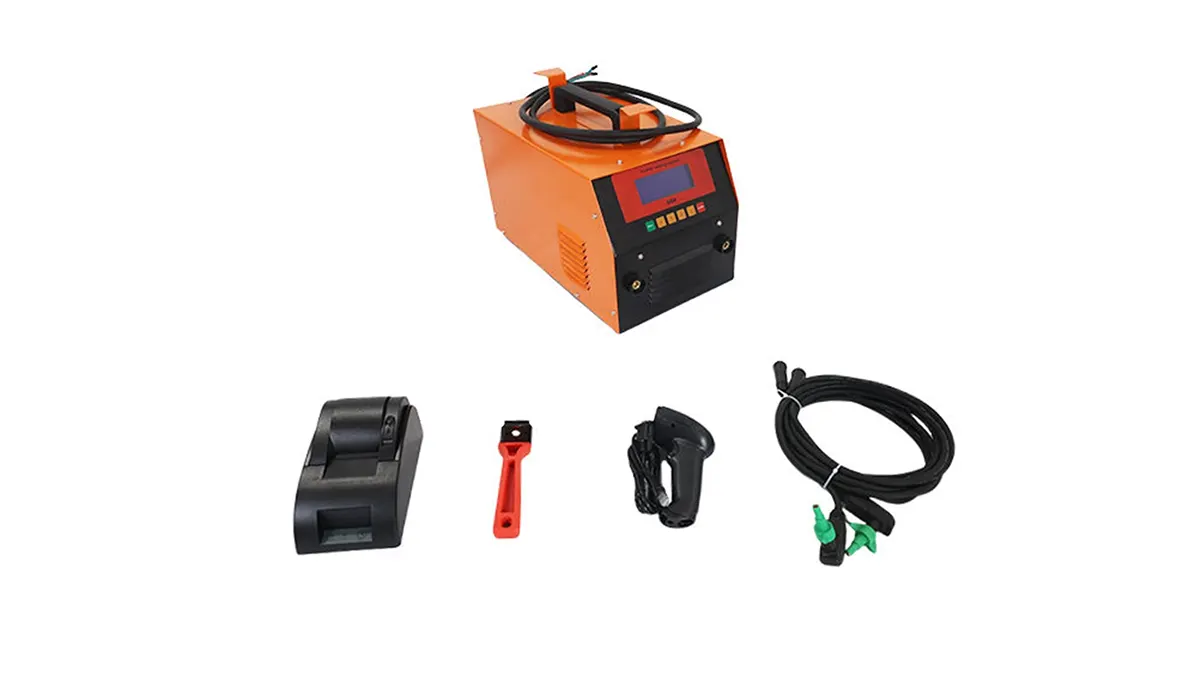
What Is an Electrofusion Machine and How Does It Work?
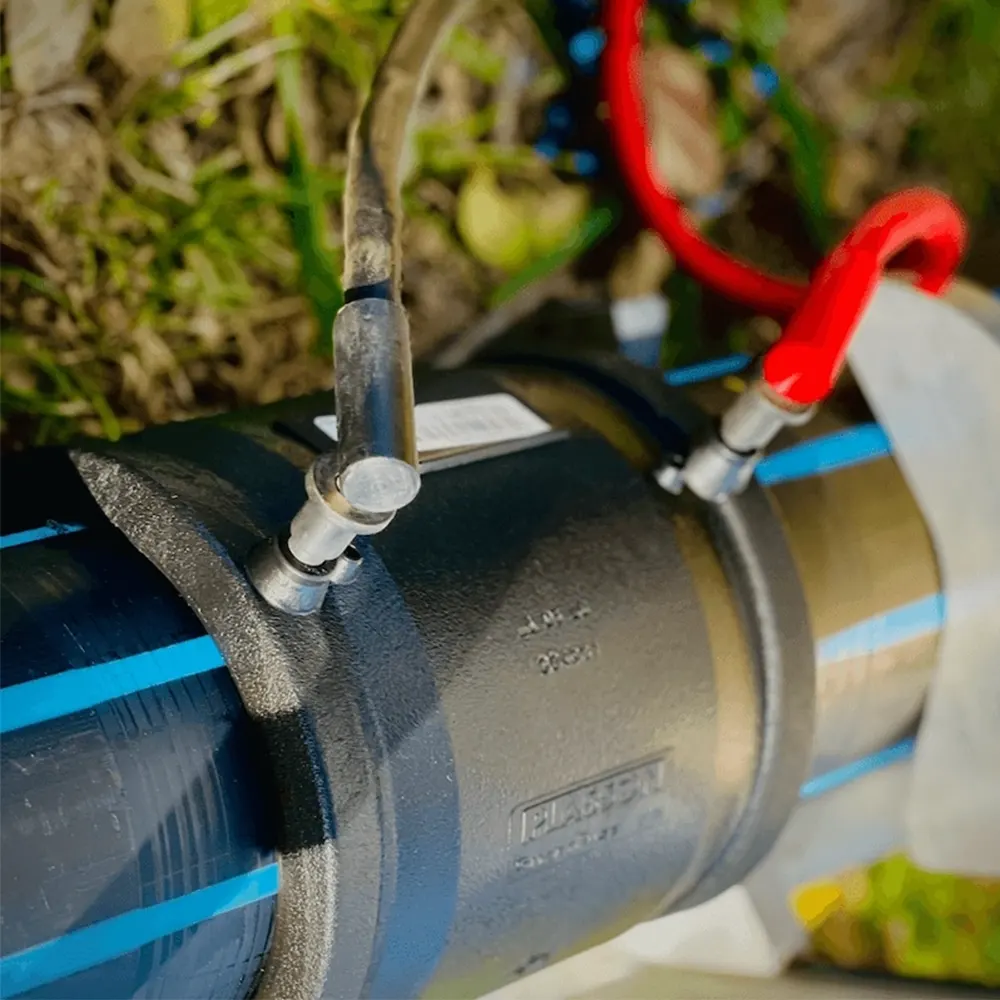
An electrofusion machine is a specialized device designed to join polyethylene (PE) pipes and fittings using embedded heating elements within the fitting itself. The machine delivers a precisely controlled electrical current to the fitting’s built-in wire coils, generating heat that melts the inner surface of the fitting and the outer surface of the pipe simultaneously. As the materials cool under maintained pressure, a homogeneous, leak-proof joint is formed that is often as strong as the pipe itself. This process is governed by international standards such as ISO 12176-2 and ASTM F1290, ensuring consistent, repeatable results across every joint.
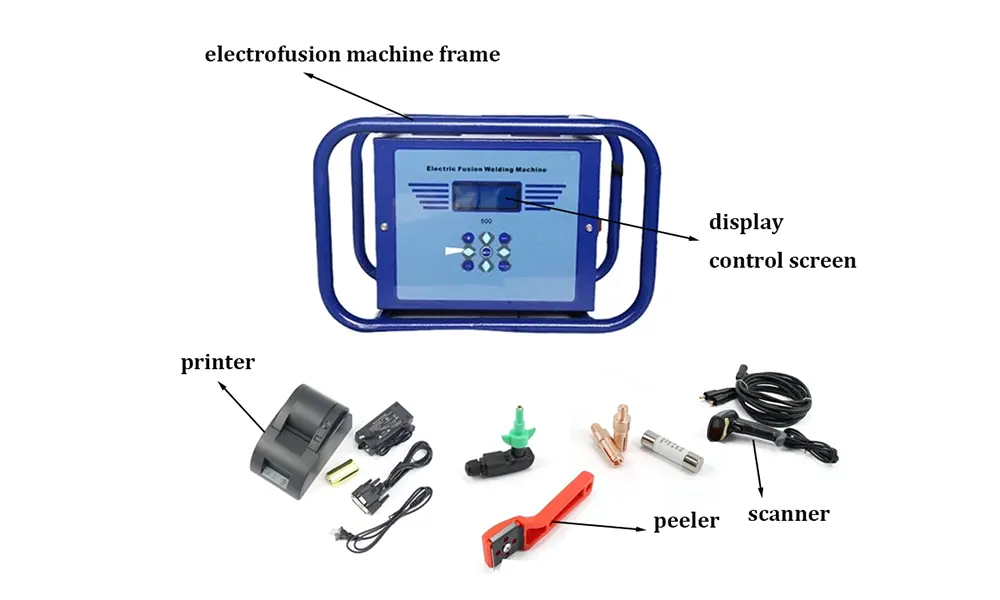
Key Features of a High-Quality Electrofusion Machine
Modern electrofusion welding equipment incorporates advanced technology to ensure precision and traceability. Here are the essential features to look for:
- Automatic Parameter Recognition: The machine reads barcode or QR data from the fitting to automatically set voltage, current, and fusion time, eliminating manual input errors.
- Real-Time Data Logging: Built-in memory records every weld cycle, including date, time, operator ID, and fusion parameters. This data can be exported for quality assurance documentation and complies with ISO 12176-4 traceability requirements.
- Robust Environmental Protection: IP-rated enclosures protect internal electronics from dust, moisture, and job site impacts, making the machine suitable for trench-side operation.
- Wide Input Voltage Compatibility: Machines that accept a broad voltage range can operate reliably with generator power in remote locations where stable grid electricity is unavailable.
- User-Friendly Interface: Clear LCD displays with intuitive menu navigation reduce training time and help operators verify correct settings at a glance.
Benefits of Using Electrofusion for Underground Pipeline Projects
Choosing electrofusion over traditional joining methods brings significant advantages, particularly in confined trench environments and for repair applications. Below are the standout benefits:
- Exceptional Joint Consistency: The automated process ensures every weld meets the same standard regardless of operator experience, reducing the risk of defective joints.
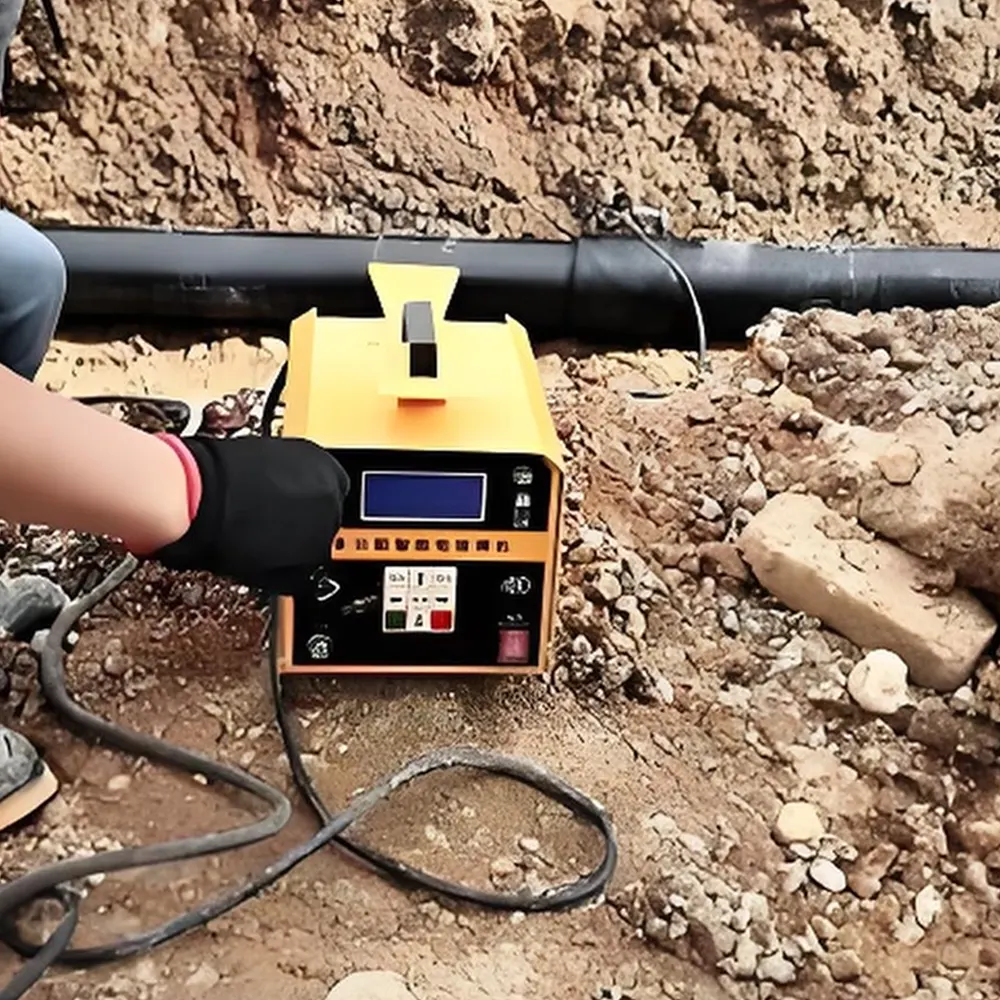
- Ideal for Tight Spaces: Electrofusion requires no lateral pipe movement, making it perfect for underground pipeline repairs and connections in narrow trenches where butt fusion welding equipment cannot fit.
- Reduced Downtime: Faster cooling times and simplified setup enable quicker project completion compared to mechanical or flanged connections.
- Long-Term Corrosion Resistance: The homogeneous PE joint eliminates metallic components, providing superior resistance to soil chemicals and stray currents.
- Versatile Application Range: Compatible with various PE pipe grades and diameters, from small service lines to medium-diameter distribution mains.
Comparison: Electrofusion vs. Butt Fusion for Underground Applications
While both methods produce strong joints, they serve different operational needs. The table below highlights the key differences to help you determine the right approach for your underground pipeline project:
| Feature | Electrofusion | Butt Fusion |
|---|---|---|
| Joint Type | Fitting-integrated heating element | Heated plate fusion of pipe ends |
| Space Required | Minimal; suitable for tight trenches | Substantial; requires lateral pipe movement |
| Operator Dependency | Low; automated parameter control | Moderate; requires skilled operator judgment |
| Typical Diameter Range | 20 mm to 630 mm | 63 mm to 2500 mm and above |
| Best For | Repairs, service connections, confined areas | Long pipeline runs, large-diameter mains |
Buying Guide: How to Choose the Right Electrofusion Machine
Selecting the correct equipment requires evaluating several critical factors. Use this guide to make an informed purchasing decision that aligns with your project requirements and long-term operational goals.
Assess Pipe Diameter and Fitting Compatibility
Confirm that the machine supports the full range of electrofusion fittings and pipe diameters you work with regularly. Machines are typically rated by their output current capacity and voltage range. Ensure compatibility with both standard and specialized fittings from your preferred suppliers. Reference the ISO 12176-1 standard for equipment specifications relevant to PE pipe joining.
Evaluate Data Logging and Traceability Features
For gas and water utility projects, comprehensive data logging is non-negotiable. Look for machines that store weld records with unique identifiers for each joint, enabling full traceability from installation through the pipeline’s service life. Export functionality via USB or Bluetooth simplifies reporting to regulatory authorities.
Consider Portability and Power Requirements
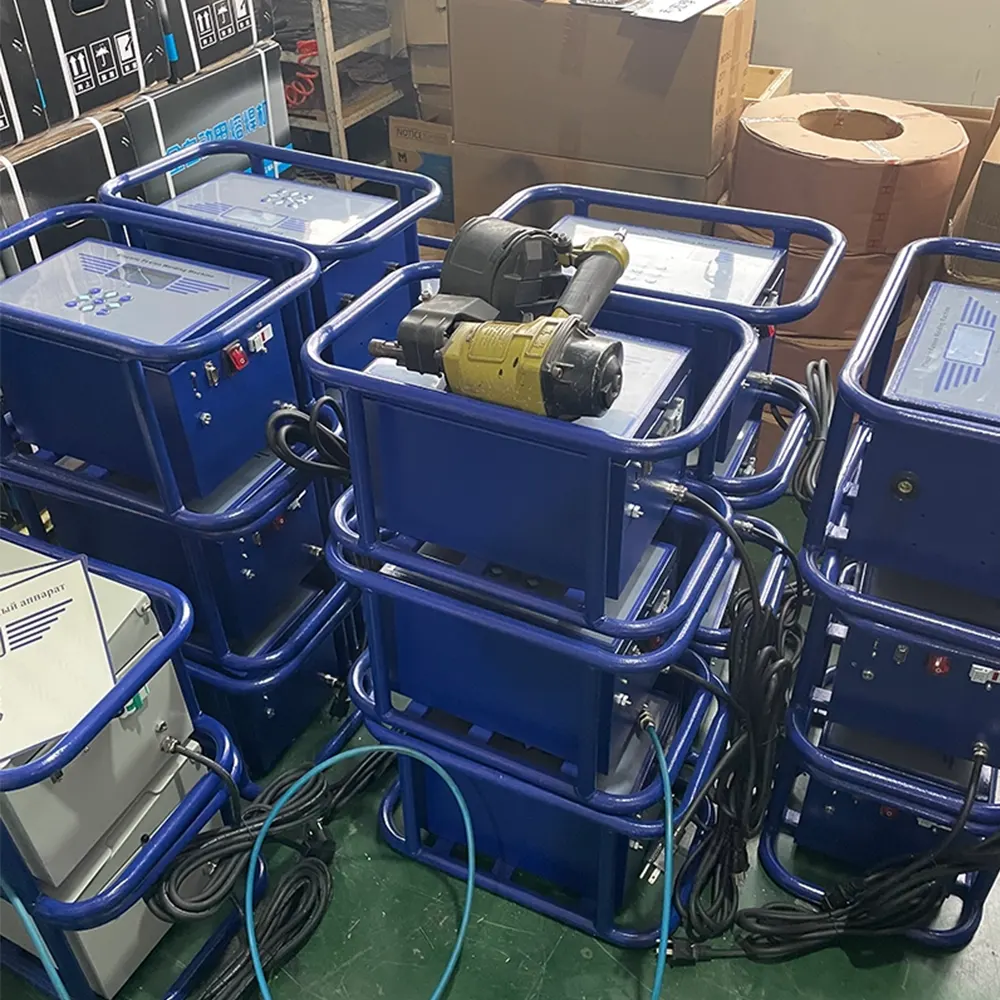
Underground pipeline work often takes place in remote or difficult-to-access locations. Choose a machine with a lightweight, rugged design and wide voltage tolerance to operate reliably with portable generators. Carrying cases or frame-mounted configurations add convenience for field crews.
Check Certification and Standards Compliance
Verify that the equipment meets relevant international and regional standards. Certified machines undergo rigorous testing for electrical safety, temperature accuracy, and environmental durability. Compliance with ISO 4437 for gas applications or ISO 4427 for water supply systems provides confidence in long-term performance.
Maintenance and Operational Best Practices
To ensure consistent performance and extend the service life of your electrofusion machine, follow these proven practices:
- Clean Connectors Regularly: Dirty or oxidized electrical connectors can cause resistance errors that affect fusion quality. Inspect and clean connectors before each job.
- Protect Cables from Damage: Fusion cables are subject to wear in trench environments. Store them properly and replace damaged cables immediately.
- Calibrate Annually: Schedule annual calibration checks to verify voltage output accuracy against manufacturer specifications.
- Train Operators Thoroughly: Even with automated controls, operators should understand fundamental fusion principles and machine operation. Refer to the ISO 12176-3 operator qualification guidelines for training standards.
- Keep Firmware Updated: Machines with digital controls may receive firmware updates that improve functionality or add fitting compatibility.
Why Quality Equipment Matters for Underground Pipeline Integrity
Underground pipelines represent significant capital investment, and joint failure can lead to costly excavations, environmental damage, and service disruptions. Investing in a reliable electrofusion machine with proper certification and data logging capabilities protects both the pipeline owner and the contractor. For those seeking a trusted welding equipment supplier, JQ-Fusion offers a comprehensive range of electrofusion and butt fusion machines backed by rigorous quality control, international certifications, and responsive after-sales support. With ready stock and customized solutions available, you can find equipment that precisely matches your underground pipeline project requirements.
Final Thoughts
An electrofusion machine for underground pipelines is a strategic investment that directly impacts joint quality, installation speed, and long-term system reliability. By focusing on features such as automatic parameter recognition, robust data logging, and rugged construction, you can select equipment that delivers consistent results in the most demanding field conditions. Pair your machine choice with proper operator training and regular maintenance to maximize return on investment and ensure every underground joint performs as designed for decades to come. For more guidance on selecting the right fusion equipment or to explore available models, visit our technical support page or consult the PPI electrofusion technical guidance for additional industry best practices.