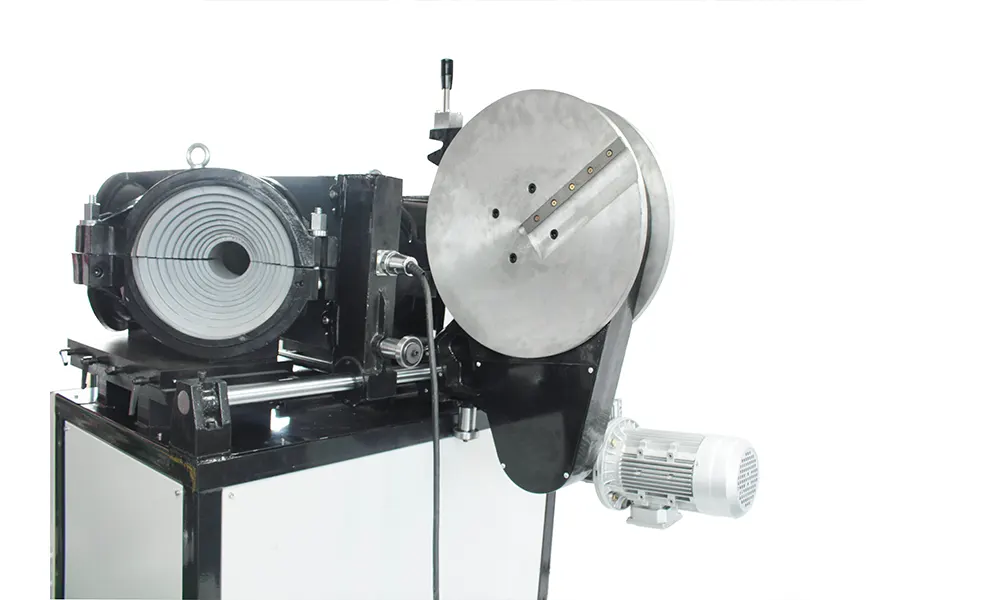
In modern pipeline construction, efficiency and portability are critical. Whether you are working on a water supply project in a remote area, repairing a gas distribution line in a congested urban environment, or installing industrial piping in tight spaces, having a portable HDPE pipe welding machine can significantly impact your workflow and joint quality. Unlike stationary workshop units, portable machines are designed for field mobility without sacrificing the precision required for long-lasting, leak-free connections.
What Is a Portable HDPE Pipe Welding Machine?
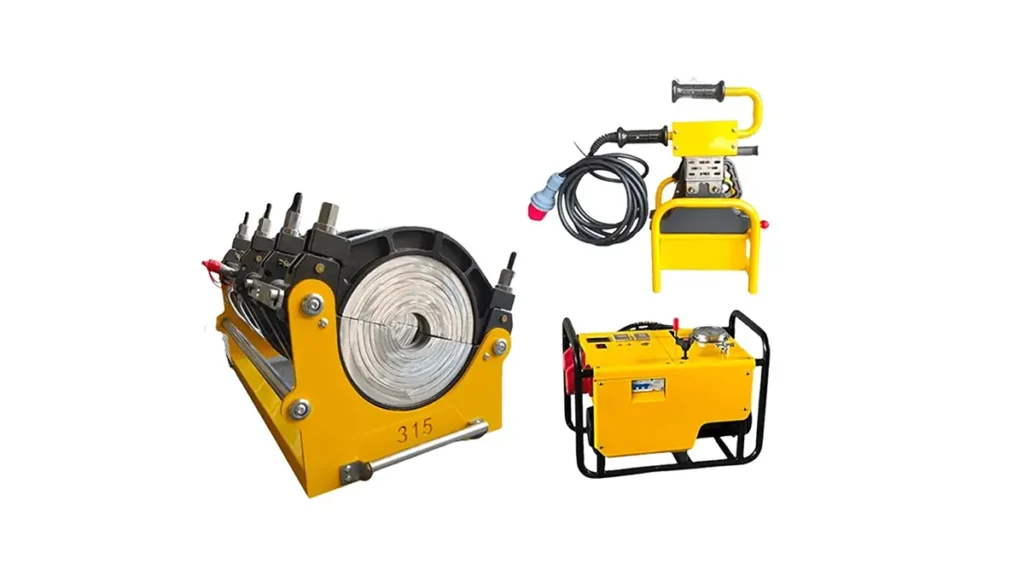
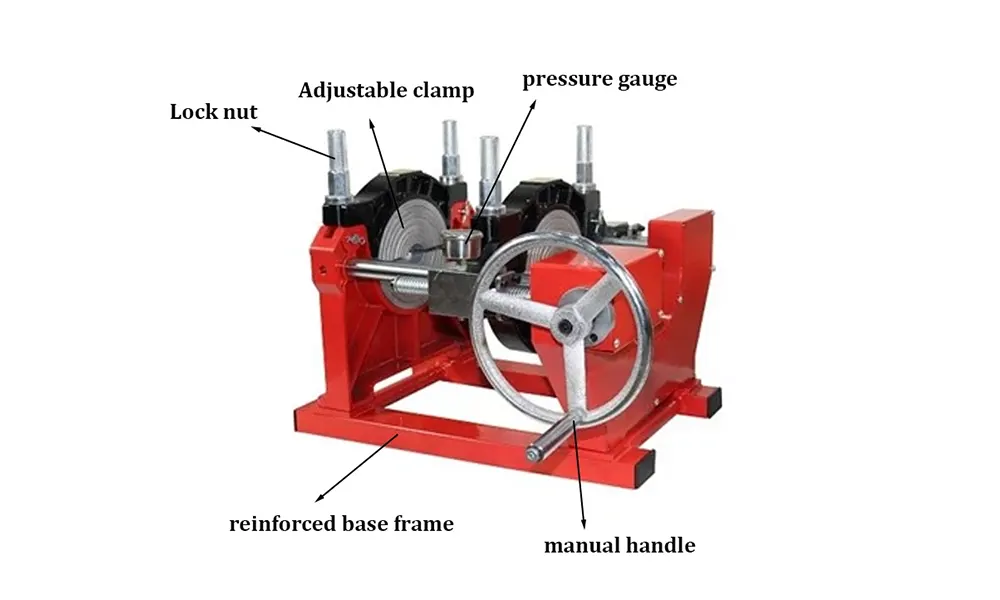
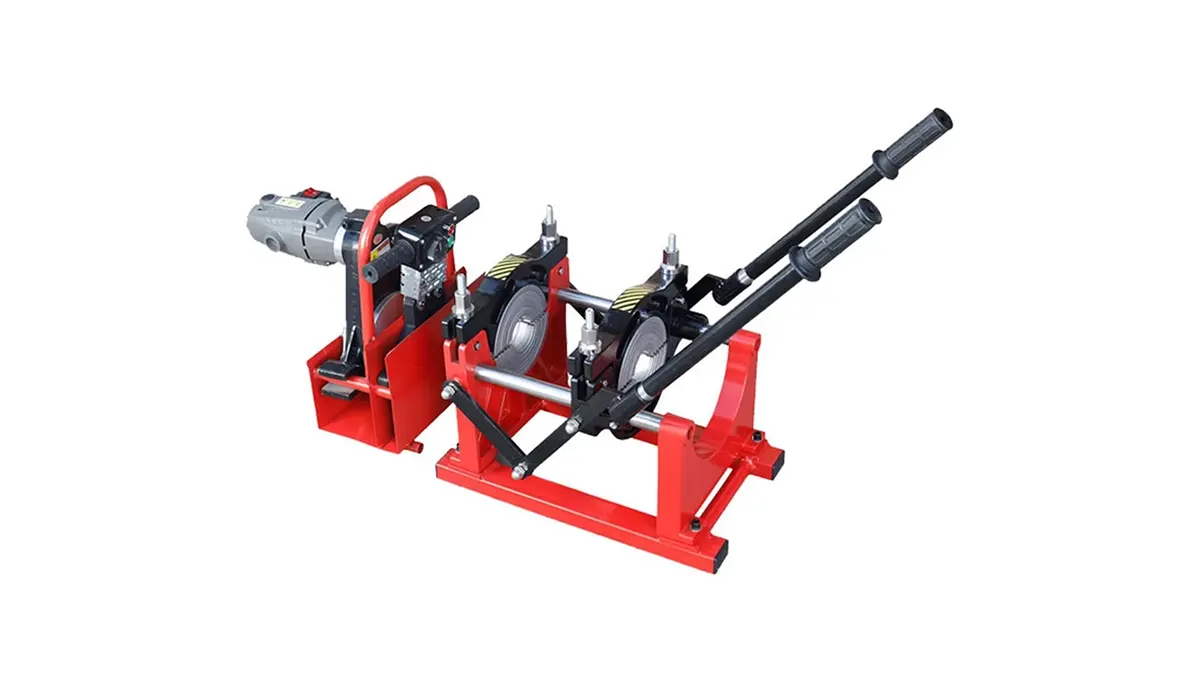
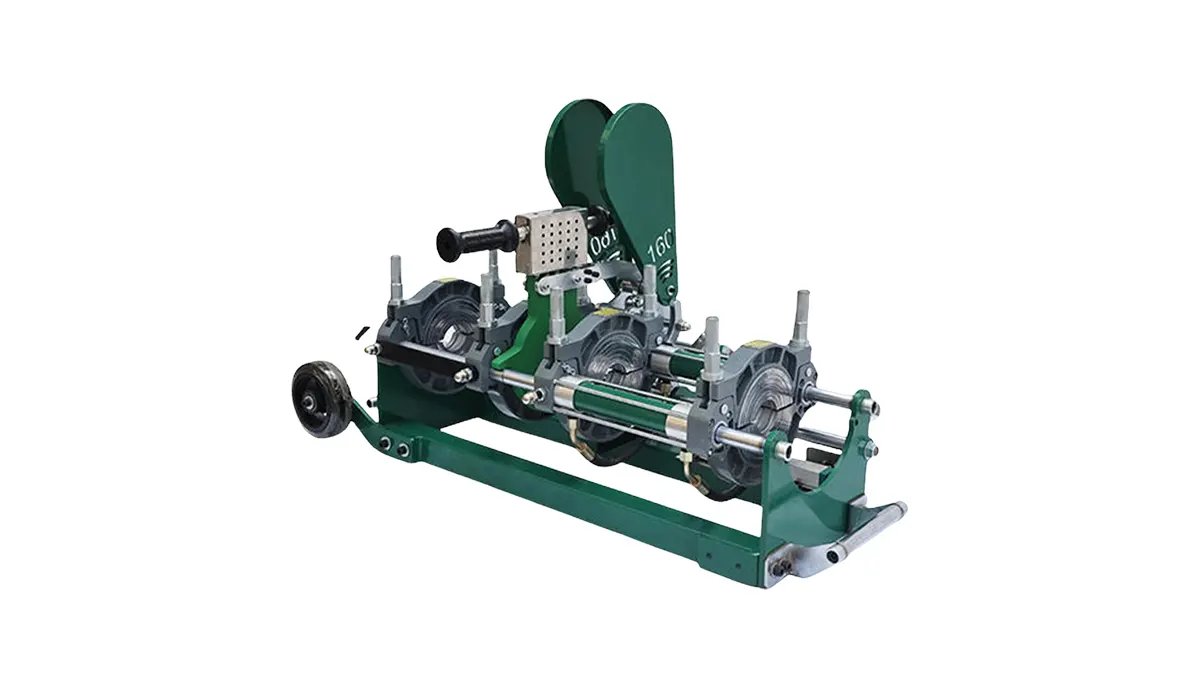
A portable HDPE pipe welding machine is a compact, lightweight fusion unit designed to join high-density polyethylene pipes directly on-site. These machines typically use the butt fusion welding method, where pipe ends are heated to a precise temperature and then pressed together to form a homogeneous joint. Portability is achieved through reduced frame weight, integrated handles, quick-release clamps, and compact hydraulic or manual drive systems that are easy to transport and set up.
Portable machines cover a wide range of pipe diameters, commonly from 20 mm up to 315 mm or even larger, and are available in manual, semi-hydraulic, and fully automatic configurations. Their design emphasizes field-readiness, with durable frames that withstand rough handling and weather exposure.
Key Features to Look For
When evaluating a portable HDPE pipe welding machine, several features stand out as essential for reliable field performance. Understanding these characteristics helps you select equipment that matches your project demands.
- Lightweight Frame Construction: High-strength aluminum or steel frames keep weight manageable without compromising structural integrity. Many portable models include carrying handles or wheels for easier site movement.
- Quick-Release Clamping System: Time-saving clamp mechanisms allow operators to secure and align pipes rapidly, reducing setup time between welds.
- Precision Heating Plate: Non-stick coated heating plates with accurate digital or analog temperature controls ensure consistent heat distribution and proper melt conditions according to ISO 21307 butt fusion procedures.
- Built-in Trimming Tool: Many portable units include a manual or powered trimmer to face pipe ends squarely, a critical step for achieving optimal weld quality.
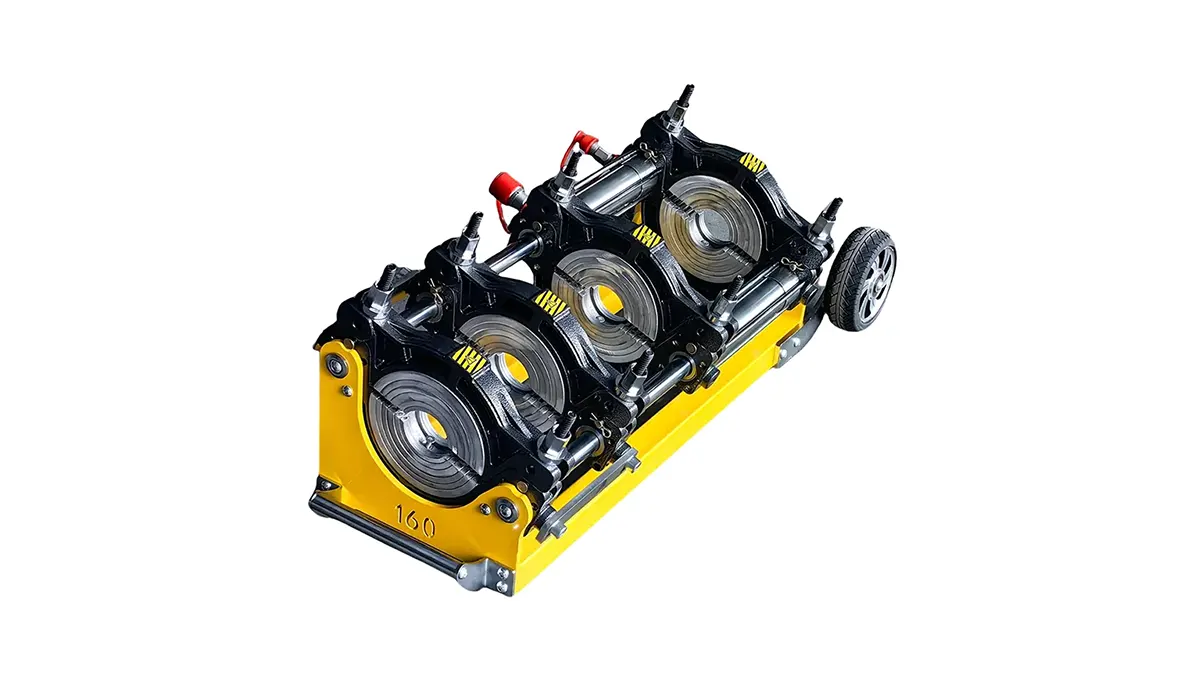
- Compact Hydraulic Station: For hydraulic portable models, a small electric or petrol-powered hydraulic unit provides controlled fusion pressure while remaining easy to transport.
Types of Portable HDPE Pipe Welding Machines
Portable fusion equipment falls into several categories based on the drive mechanism and level of automation. The table below summarizes the main types and their typical applications.
| Machine Type | Drive Method | Typical Pipe Range | Best For |
|---|---|---|---|
| Manual | Hand-lever operated | 20 mm – 250 mm | Small-diameter water lines, rural irrigation, quick repairs |
| Semi-Hydraulic | Manual clamp + hydraulic pressure | 160 mm – 500 mm | Medium-scale municipal projects, mining pipelines |
| Automatic (CNC) | Programmable electric drive | 160 mm – 630 mm | Critical gas and water networks requiring ASTM F2620 heat fusion compliance |
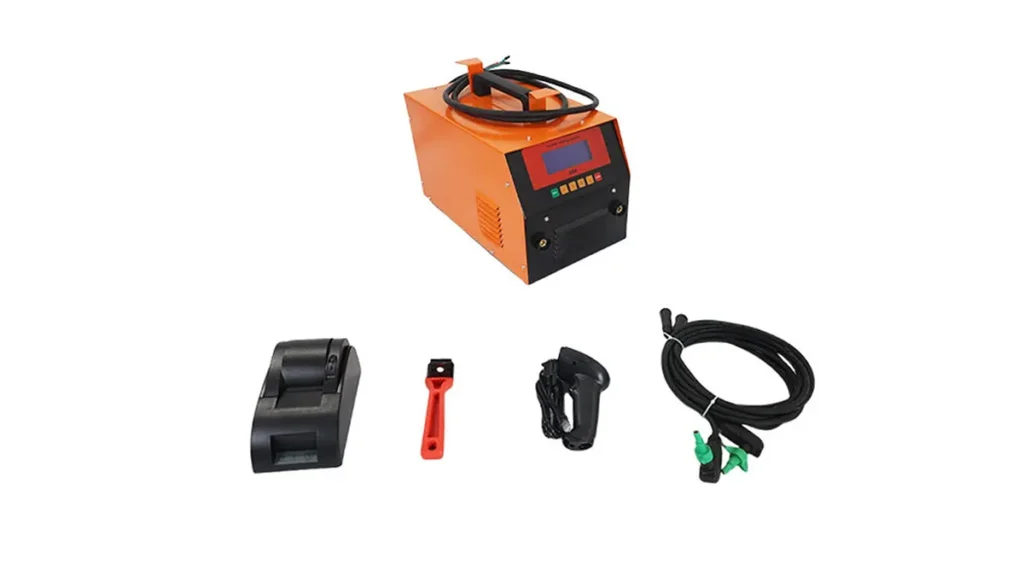
| Electrofusion | Electric current via fittings | 20 mm – 800 mm | Tight trenches, repair joints, and complex fitting connections |
Advantages of Portable Fusion Equipment
Choosing a portable solution offers distinct operational and economic benefits. Contractors and project managers increasingly prefer manual butt fusion welding machines and compact hydraulic units for their flexibility in the field.
- On-Site Flexibility: Portable machines eliminate the need to transport pre-welded pipe sections, reducing logistics costs and enabling real-time adjustments during installation.
- Reduced Downtime: Quick setup and operation mean faster joint completion, keeping your project on schedule even in challenging conditions.
- Lower Equipment Investment: For contractors handling diverse project scales, a portable HDPE pipe welding machine often represents a more cost-effective entry point compared to large stationary systems.
- Ease of Transportation: Compact dimensions and lighter weight allow these machines to be moved by a small crew or loaded into standard vehicles without special handling equipment.
- Consistent Weld Quality: Modern portable units incorporate calibrated pressure and temperature controls that help operators achieve joints meeting international standards.
Buying Guide: How to Choose the Right Machine
Selecting the best portable HDPE pipe welding machine requires careful evaluation of your project parameters. Here are the key factors to consider before making a purchase.
Pipe Diameter and Wall Thickness
Determine the maximum and minimum pipe sizes you regularly work with. Manual machines typically handle up to 250 mm, while hydraulic butt fusion welding machine models can manage diameters from 160 mm to over 2000 mm. Always verify the machine’s clamping range and ensure it accommodates your project’s wall thickness specifications.
Power Source Availability
Consider whether your job sites have reliable electricity. Manual machines require no external power for the fusion pressure mechanism, though the heating plate still needs electricity. Some hydraulic portable units offer petrol-powered pump options for truly off-grid operation.
Welding Standards Compliance
Projects involving potable water, gas distribution, or industrial chemicals demand adherence to specific standards. Look for machines that support documented welding parameters in line with what is HDPE butt fusion best practices and relevant ISO or ASTM protocols. Data logging capability is an increasingly important feature for traceability.
Operator Skill Level
Fully manual machines require experienced operators who understand pressure, temperature, and alignment intuitively. Automatic and CNC-controlled portable units reduce operator error by automating the fusion cycle, making them suitable for teams with varying experience levels.
Durability and After-Sales Support
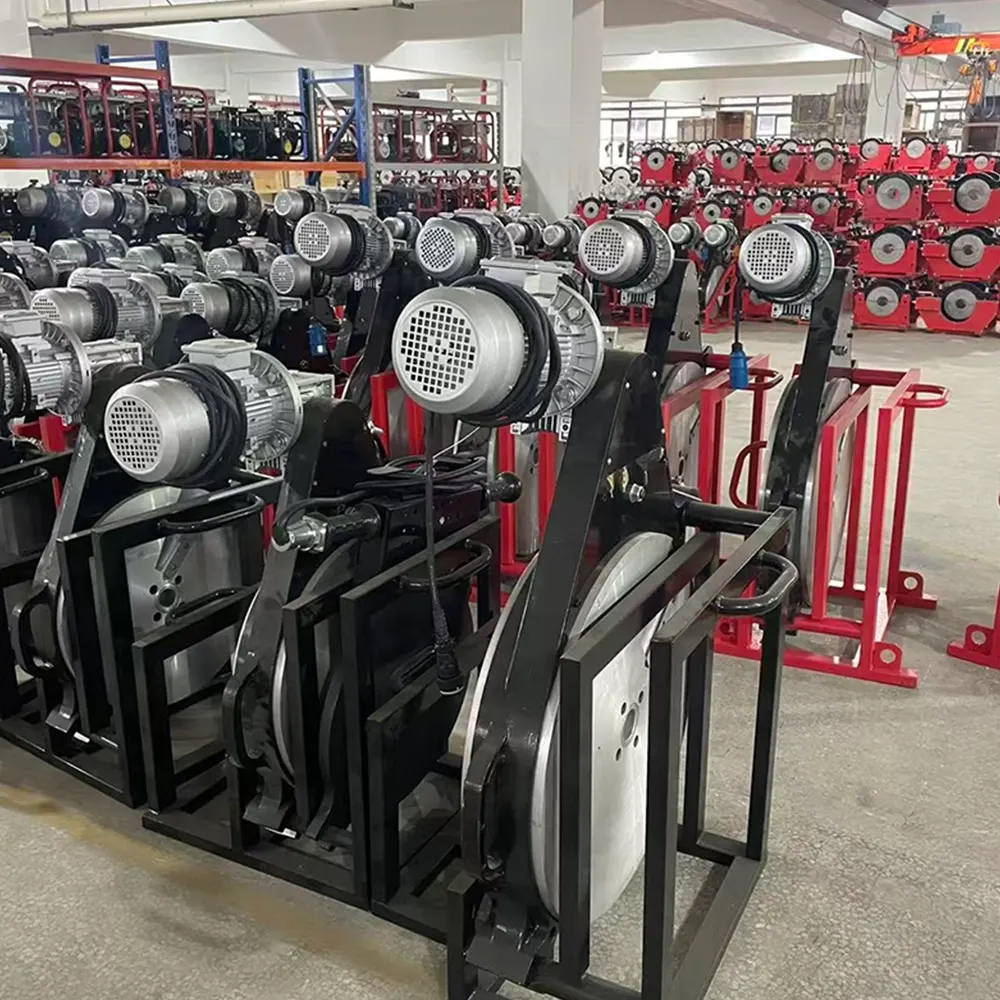
Field equipment endures harsh environments. Choose machines with proven frame rigidity, corrosion-resistant components, and reliable heating elements. Equally important is responsive technical support and spare parts availability. For instance, JQ-Fusion provides comprehensive after-sales service and maintains a large inventory of machines and spare parts to support global customers.
Common Applications
Portable HDPE welding machines are indispensable across multiple industries. Their versatility makes them the preferred choice for:
- Municipal Water Supply: Joining HDPE pipes for potable water distribution networks in urban and rural settings.
- Gas Distribution: Creating safe, leak-proof joints in polyethylene gas piping systems under strict regulatory oversight.
- Mining Operations: Installing slurry transport and dewatering pipelines in remote mining sites where mobility is essential.
- Agricultural Irrigation: Building extensive drip and sprinkler systems with quick field assembly.
- Industrial Piping: Connecting chemical-resistant HDPE lines in factories and processing plants.
- Marine and Dredging: Floating pipeline assembly for dredging operations and underwater crossings.
Maintenance Tips for Long-Term Performance
Proper maintenance extends the service life of your portable welding equipment and ensures consistent joint quality. Follow these basic practices:
- Clean the Heating Plate Regularly: Remove residual polyethylene from the non-stick surface after each use to prevent contamination and uneven heating.
- Inspect Clamps and Alignment: Check clamping jaws for wear and verify alignment periodically to maintain proper pipe positioning.
- Lubricate Moving Parts: Apply appropriate lubricant to guide rods, lead screws, and pivot points to ensure smooth operation.
- Calibrate Temperature Controls: Verify heating plate temperature accuracy with a calibrated thermometer monthly or before critical projects.
- Store Properly: Keep the machine in a dry, covered area when not in use, and protect electrical components from moisture and dust.
Conclusion
Investing in a portable HDPE pipe welding machine is a strategic decision that directly affects your project efficiency, joint reliability, and overall operational costs. By understanding the available machine types, key features, and selection criteria outlined in this guide, you can choose equipment that aligns with your technical requirements and field conditions. Whether you need a lightweight manual unit for small-diameter rural water lines or a compact hydraulic system for medium-scale municipal work, the right portable fusion machine delivers consistent, high-quality welds wherever your project takes you.
For more information on selecting the appropriate HDPE pipe welding equipment for your next project, explore detailed product specifications and consult with experienced manufacturers who can guide you toward the best solution for your specific needs.